Why Is My Car Overheating All of a Sudden and What To Do
Why is my car overheating all of a sudden? The most common reasons include a low coolant level, a broken water pump, a stuck thermostat, or a failing radiator fan. When your car overheats suddenly, it can damage the engine fast if you ignore it. In this guide, you will learn the top causes, warning signs, immediate steps to take, and how to prevent it from happening again. Knowing what to do can save you hundreds in repairs and keep you safe on the road.
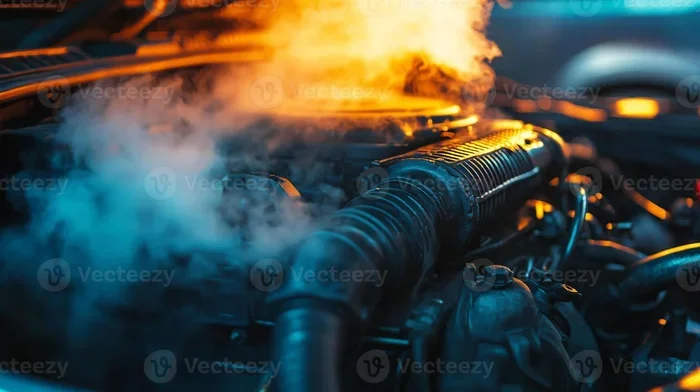
Your car is rolling down the road, and then you see it. A wisp of white smoke curling up from under the hood. The temperature gauge is climbing fast. Your heart drops. Why is my car overheating all of a sudden? It is a scary moment, and it can happen to anyone.
Car overheating is more common than most people think. It can strike on a hot summer day or even on a cool morning. The good news is that most causes are easy to fix if you catch them early. In this guide, we will walk you through the top reasons your car overheats, what to do in the moment, and how to stop it from happening again. Let us break it down so you can drive with confidence.
Key Takeaways
- Low coolant is the #1 cause: A small leak or old coolant can make your engine overheat fast.
- Act quickly when it happens: Pull over, turn off the AC, and turn on the heater to protect your engine.
- Know the warning signs: Steam, a rising temperature gauge, and strange smells all point to overheating.
- Prevention is simple: Regular coolant flushes, hose checks, and fan inspections keep your cooling system healthy.
- Don’t ignore it: Driving while overheating can cause a blown head gasket or warped engine parts.
- Some fixes are DIY: Topping off coolant or replacing a hose are easy jobs you can do at home.
- See a pro when needed: Water pump and radiator fan failures need a trained mechanic.
📑 Table of Contents
- Common Reasons Why Your Car Overheats All of a Sudden
- Warning Signs That Your Engine Is Overheating
- What To Do When Your Car Starts Overheating
- How To Prevent Your Car From Overheating
- When To See a Mechanic for an Overheating Engine
- Common Mistakes People Make When Their Car Overheats
- Comparison: Common Overheating Causes and Repair Costs
- Quick Tips for Dealing with a Sudden Overheating Episode
- Expert Insight: Why Overheating Damages Your Engine
- Key Takeaways
- Conclusion
Common Reasons Why Your Car Overheats All of a Sudden
Your car has a cooling system that keeps the engine at the right temperature. When something goes wrong in that system, heat builds up fast. Here are the most common reasons your car might overheat all of a sudden.
Low Coolant Level
Coolant is the lifeblood of your car’s cooling system. It flows through the engine and pulls away heat. When the coolant level drops too low, there is not enough fluid to do its job. Low coolant is the number one reason cars overheat.
Coolant can leak out slowly over time. You might not even notice until the level gets very low. Common leak spots include the radiator hose, the water pump, and the radiator itself. A small crack in any of these parts can cause a big problem fast.
Broken Water Pump
The water pump pushes coolant through the engine. Think of it as the heart of your cooling system. When the water pump fails, coolant stops moving. Heat builds up in seconds.
Water pumps wear out over time. Rust, debris, and normal use can damage the impeller inside. A broken water pump is one of the most serious reasons a car overheats suddenly. It usually needs a mechanic to replace it.
Stuck Thermostat
The thermostat controls how much coolant flows through the engine. It opens and closes based on the engine temperature. When the thermostat gets stuck closed, coolant cannot reach the engine. The result? Your engine overheats fast.
A stuck thermostat is a common problem in older cars. It is also an easy and cheap fix. Replacing a thermostat usually costs between $100 and $300, depending on your car model.
Failing Radiator Fan
The radiator fan pulls air through the radiator to cool the coolant down. When the fan stops working, your car can overheat, especially when you are sitting in traffic or driving slowly.
Fan failures happen for a few reasons. The fan motor can burn out. The fan relay can go bad. Or the fan blades can break. If your car overheats in traffic but cools down on the highway, a bad radiator fan is a likely suspect.
Clogged Radiator
Over time, rust and debris can build up inside the radiator. This blocks the flow of coolant. A clogged radiator cannot cool the engine properly. The result is a steady rise in temperature.
This problem is more common in older vehicles or cars that have not had a coolant flush in a long time. A radiator flush can clear out the buildup and restore proper flow.
Blown Head Gasket
The head gasket sits between the engine block and the cylinder head. It keeps coolant and oil from mixing. When the head gasket blows, coolant can leak into the combustion chamber. This causes overheating and serious engine damage.
A blown head gasket is one of the most expensive repairs. It can cost anywhere from $1,000 to $2,500 to fix. This is exactly why you should never ignore an overheating car.
Warning Signs That Your Engine Is Overheating
Your car gives you plenty of warning before a full breakdown. Knowing these signs can save you from a costly repair bill. Here are the most common overheating symptoms to watch for.
- Steam or smoke from under the hood: This is the most obvious sign. Steam can be white or gray. Pull over immediately if you see it.
- Temperature gauge rising into the red: Your dashboard has a temperature gauge. If the needle moves into the hot zone, your engine is too hot.
- Overheating warning light: Many newer cars have a dedicated warning light shaped like a thermometer. If it turns on, do not ignore it.
- Strange smell from the engine: A sweet, syrupy smell often means coolant is leaking. A burnt smell can mean oil is overheating.
- Coolant puddles under the car: If you see green, orange, or pink fluid on the ground, you have a coolant leak.
- Thumping or knocking sounds from the engine: These sounds can mean the engine is running too hot and parts are expanding.
- Weak or no heat from the cabin heater: If the heater stops blowing hot air, coolant may not be flowing properly.
Any one of these signs means you should stop driving and check the problem. The longer you keep driving, the worse the damage can get.
What To Do When Your Car Starts Overheating
So your car is overheating right now. What should you do? Stay calm and follow these steps. Your quick actions can prevent major engine damage.
Step 1: Pull Over Safely
Find a safe spot to stop as soon as possible. Do not keep driving. Turn on your hazard lights and pull over to the side of the road or a parking lot.
Step 2: Turn Off the Air Conditioning
The AC puts extra strain on the engine. Turn it off right away. This helps reduce the heat your engine has to deal with.
Step 3: Turn On the Heater
This sounds backwards, but it works. Turning on the heater pulls heat away from the engine. Set it to the highest level and the fan on full blast. It will make your cabin hot, but it can buy you time.
Step 4: Let the Engine Cool Down
Do not open the hood right away. The coolant inside is under pressure and extremely hot. Wait at least 15 to 20 minutes for the engine to cool. Use this time to breathe and assess the situation.
Step 5: Check the Coolant Level
Once the engine is cool, carefully pop the hood. Find the coolant reservoir and check the level. If it is low, you can add a mix of coolant and water. Never open the radiator cap while the engine is hot. The pressurized steam can cause serious burns.
Step 6: Call for Help if Needed
If the coolant is full and the car still overheats, do not keep driving. Call a tow truck or roadside assistance. Driving an overheating engine can cause catastrophic damage. It is not worth the risk.
How To Prevent Your Car From Overheating
The best way to deal with an overheating car is to stop it from happening in the first place. Prevention is simple and saves you money. Here is how to keep your cooling system in top shape.
Check Your Coolant Level Regularly
Make it a habit to check your coolant level once a month. The coolant reservoir is easy to find under the hood. Just look at the markings on the side. If the level is low, top it off with the right mix of coolant and distilled water.
Flush and Replace Coolant on Schedule
Old coolant loses its ability to absorb heat. Most car makers recommend a coolant flush every 30,000 to 50,000 miles. Check your owner’s manual for the exact schedule. A coolant flush is a cheap service that pays for itself many times over.
Inspect Hoses and Belts
Look under your hood at the rubber hoses that carry coolant. Check for cracks, swelling, or soft spots. A worn hose can burst without warning. Also check the belts that drive the water pump and fan. Replace any that look worn or feel brittle.
Keep the Radiator Clean
Debris like leaves, bugs, and dirt can block airflow through the radiator. Hose down the front of the radiator when you wash your car. This helps the radiator do its job properly.
Listen for Warning Sounds
Pay attention to any new sounds coming from under the hood. A whining or grinding noise can signal a failing water pump or fan. Catching these sounds early can prevent a bigger problem.
Do Not Ignore Small Leaks
A small coolant leak today can become a big problem tomorrow. If you see any puddles under your car or notice the coolant level dropping, get it checked right away.
When To See a Mechanic for an Overheating Engine
Some overheating problems are easy to fix at home. Others need a professional mechanic. Here is how to know when to call in the experts.
- The temperature gauge keeps rising even after you add coolant: This points to a deeper problem like a water pump or head gasket issue.
- You see steam or coolant leaking from under the car: A visible leak needs professional diagnosis and repair.
- The radiator fan is not turning on: Electrical problems with the fan need specialized tools to fix.
- Your car overheats repeatedly: If the problem keeps coming back, there is an underlying issue you need to address.
- You hear knocking or pinging from the engine: These sounds mean the engine is damaged from heat. Get it to a mechanic immediately.
Do not try to be a hero with serious overheating problems. A mechanic can run a full diagnostic on your cooling system and find the root cause. They have the tools and experience to fix it right the first time.
Common Mistakes People Make When Their Car Overheats
Many car owners make mistakes when they face an overheating car. Avoid these common errors to keep your engine safe.
- Keeping the car running: Driving while overheating causes more damage every minute. Pull over and shut it off.
- Opening the radiator cap too soon: Hot coolant under pressure can spray out and cause burns. Always wait for the engine to cool.
- Adding water instead of coolant: Water works in an emergency, but it does not protect against freezing or boiling as well as coolant does.
- Ignoring the problem: Some drivers see steam and just keep going. This is the worst thing you can do. It leads to blown head gaskets and warped engine parts.
- Topping off without finding the leak: If you keep losing coolant, there is a leak somewhere. Find and fix the source instead of just adding more fluid.
Avoiding these mistakes can save you from expensive repairs and a lot of stress.
Comparison: Common Overheating Causes and Repair Costs
| Cause | Symptoms | Average Repair Cost | Difficulty Level |
|---|---|---|---|
| Low Coolant | Gauge rises, steam, leak puddles | $20 – $80 (topping off) | Easy (DIY) |
| Thermostat Stuck | Gauge rises slowly, no heat from cabin | $100 – $300 | Moderate |
| Water Pump Failure | Gauge rises fast, coolant leak, whining noise | $300 – $750 | Hard (Mechanic) |
| Radiator Fan Failure | Overheats in traffic, fan not spinning | $150 – $500 | Moderate |
| Clogged Radiator | Gradual overheating, poor heater output | $200 – $600 | Moderate |
| Blown Head Gasket | Overheats, white smoke, coolant loss, bubbles in reservoir | $1,000 – $2,500 | Very Hard (Mechanic) |
As you can see, catching the problem early makes a huge difference in cost. A simple coolant top-off costs almost nothing. A blown head gasket can cost thousands. The choice is clear: deal with overheating early.
Quick Tips for Dealing with a Sudden Overheating Episode
- Always keep a spare bottle of coolant in your trunk.
- Keep a small towel and a pair of gloves in your glove box for emergencies.
- Know where your coolant reservoir is before you need it.
- Never drive more than a few miles with an overheating engine.
- Have your cooling system inspected at every oil change.
- Use a 50/50 mix of coolant and water for the best protection.
These small habits can make a big difference. They take only a few minutes but can save you from a roadside breakdown.
Expert Insight: Why Overheating Damages Your Engine
Your engine runs at extremely high temperatures, usually between 195 and 220 degrees Fahrenheit. The cooling system is designed to keep it in that safe range. When the system fails, metal parts expand from the heat.
This expansion can cause pistons to seize, cylinder heads to warp, and gaskets to blow. The damage happens fast. Even a few minutes of driving while overheating can cause permanent harm. That is why it is so important to act quickly when you notice the signs.
Some people think a little overheating is no big deal. It is. The engine is the heart of your car. Protecting it should always be a top priority. Take every warning sign seriously and your engine will thank you.
Key Takeaways
- Low coolant is the #1 cause: Check your levels often and top off when needed.
- Act quickly when it happens: Pull over, turn off the AC, and turn on the heater to protect your engine.
- Know the warning signs: Steam, a rising temperature gauge, and strange smells all point to overheating.
- Prevention is simple: Regular coolant flushes, hose checks, and fan inspections keep your cooling system healthy.
- Don’t ignore it: Driving while overheating can cause a blown head gasket or warped engine parts.
- Some fixes are DIY: Topping off coolant or replacing a hose are easy jobs you can do at home.
- See a pro when needed: Water pump and radiator fan failures need a trained mechanic.
Conclusion
Why is my car overheating all of a sudden? The answer usually comes down to one of a handful of common causes. Low coolant, a broken water pump, a stuck thermostat, or a failing radiator fan are the usual suspects. The good news is that most of these problems are fixable, especially when you catch them early.
The key is to know the warning signs and act fast. Pull over safely, turn off the AC, and turn on the heater. Let the engine cool before you open anything. Your quick response can mean the difference between a small fix and a major engine replacement.
Prevention is your best friend. Check your coolant regularly, flush it on schedule, and inspect hoses and fans. These simple steps keep your cooling system working the way it should. Take care of your car, and your car will take care of you.
Now that you know what causes sudden overheating and what to do about it, you are better prepared than most drivers. Keep this guide bookmarked. Share it with a friend who might need it. And most importantly, do not ignore the signs. Your engine depends on you paying attention.
Frequently Asked Questions
Can I keep driving if my car is overheating?
No, you should not keep driving when your car is overheating. Continuing to drive can cause serious engine damage like a blown head gasket or warped cylinder head. Pull over safely, turn off the engine, and let it cool down before checking anything.
How much does it cost to fix an overheating car?
The cost depends on the cause. Topping off coolant costs very little, while replacing a water pump might run $300 to $750. A blown head gasket repair can cost over $1,000. The sooner you address the problem, the less it will cost.
Why does my car overheat in traffic but not on the highway?
This usually points to a failing radiator fan. The fan pulls air through the radiator to cool the coolant when you are moving slowly or stopped. On the highway, natural airflow does the job. If the fan is not working, your car will overheat in traffic.
Can low oil cause a car to overheat?
Yes, low oil can contribute to overheating. Oil lubricates engine parts and helps carry away heat. When oil levels are too low, friction increases and heat builds up. Always check your oil level along with your coolant.
How often should I flush my coolant?
Most manufacturers recommend a coolant flush every 30,000 to 50,000 miles. Check your owner’s manual for the exact schedule. Old coolant loses its effectiveness and can lead to overheating problems over time.
Is it safe to add water to my radiator in an emergency?
Yes, adding plain water is safe as a temporary emergency measure. It will help cool the engine enough to get you to a repair shop. However, water does not protect against freezing or boiling as well as proper coolant, so flush and replace it with the right coolant mix as soon as possible.