Is Street Parking Free The Ultimate Guide For Everyone
Is street parking free? The answer depends on where you live, the time of day, and local parking regulations. Some streets offer free parking all day, while others use metered parking or require residential parking permits. This guide covers everything you need to know about street parking rules, hidden costs, and how to find free street parking without getting a ticket.
Key Takeaways
- Street parking is not always free: Many cities charge for curb parking during certain hours or zones.
- Free parking exists: Some residential areas and off-peak hours offer free street parking without restrictions.
- Metered parking varies widely: Rates depend on location, time of day, and local parking enforcement policies.
- Read parking signs carefully: Ignoring parking restrictions can lead to expensive parking tickets and towing.
- Apps help you find free spots: Technology makes it easier than ever to locate available parking near you.
- Hidden costs add up: Even “free” street parking can cost you in time, fuel, and potential fines.
📑 Table of Contents
- Is Street Parking Free? What You Need to Know
- How Street Parking Works in Different Areas
- Is Street Parking Free During Certain Times?
- How to Find Free Street Parking Near You
- Common Rules and Restrictions for Street Parking
- The Hidden Costs of Street Parking
- Tips for Avoiding Parking Tickets
- Expert Insights on Street Parking
- Is Street Parking Free Around the World?
- Key Takeaways
- Conclusion
Is Street Parking Free? What You Need to Know
Everyone has been there. You’re driving around looking for a spot, and you finally see an open space on the side of the road. Your heart lifts. But then a question hits you: is street parking free?
The short answer is: it depends. Street parking rules vary wildly from city to city, neighborhood to neighborhood, and even block to block. Some streets let you park all day without paying a dime. Others charge by the hour, and some ban parking entirely during certain times.
Understanding parking regulations saves you money, stress, and the headache of a parking ticket. Whether you’re a daily commuter, a visitor exploring a new city, or just someone trying to save on parking costs, this guide breaks it all down. Let’s dive into the world of curb parking and uncover what’s really going on behind those signs.
By the end of this article, you will know exactly how street parking works, when it’s free, when it’s not, and how to avoid common mistakes that cost you money.
How Street Parking Works in Different Areas
Street parking is not a one-size-fits-all situation. Different areas have different setups, rules, and pricing models. Let’s explore the most common types.
Metered Street Parking
Metered parking is the most common paid curb parking setup in cities. You feed coins, use a parking app, or pay via SMS to park for a set amount of time. These meters usually have time limits ranging from one to four hours.
In many cities, metered parking operates during business hours only. Evenings and weekends are often free. Some cities have gone cashless and now require mobile payments through apps like ParkMobile or PayByPhone.
Quick Tip: Always check the meter for posted hours. Arriving early can save you from a surprise parking ticket when the meter expires.
Residential Parking Zones
Many neighborhoods offer residential parking permits that allow local residents to park for free on designated streets. These zones aim to keep parking available for people who live nearby.
If you don’t have a permit, parking in a residential zone during restricted hours can result in a fine. Some cities allow visitors to park for a limited time, usually two to four hours, before requiring a permit.
These zones help manage parking availability in busy neighborhoods. Without them, residents would struggle to find a spot near their own homes.
Free Parking Zones
Some areas offer free street parking with no restrictions at all. These are more common in suburban neighborhoods, rural areas, and smaller towns. You can park all day without feeding a meter or displaying a permit.
Even in major cities, some streets remain free during off-peak hours. The key is reading the parking signs carefully to confirm there are no hidden time limits or day-of-week restrictions.
Loading Zones and No Parking Areas
Loading zones are reserved for commercial vehicles and delivery trucks. Parking here, even briefly, can result in a parking ticket or towing. These zones are marked with specific signage and often have time limits of 15 to 30 minutes.
No parking and no stopping zones are strictly enforced. These areas exist to keep traffic flowing and ensure emergency vehicles have clear access. Violating these rules comes with steep fines.
Is Street Parking Free During Certain Times?
Is street parking free after 6 PM? On Sundays? The answer often depends on the time of day and the day of the week.
Off-Peak Free Parking
Many cities offer free street parking during evenings and weekends. This policy encourages people to shop and dine in business districts without the burden of hourly fees.
For example, some downtown areas switch from paid metered parking to free parking after 6 PM. On Sundays, most parking meters across the country are free to use. This makes weekend errands much more affordable.
Seasonal Parking Changes
Some cities adjust parking regulations seasonally. Beach towns, for instance, may charge for parking during summer months but offer free parking in the off-season. Snow removal schedules can also trigger temporary parking restrictions in winter months.
Always check for seasonal changes in your area. What was free street parking last month might now require payment during peak tourist season.
Special Event Parking
During festivals, concerts, or sporting events, cities often temporarily change street parking rules. Some streets go to no parking status entirely. Others extend meter hours or introduce special event rates.
Planning ahead for events can save you from driving around frustrated and potentially getting a ticket. Check the city’s website or use a parking app for real-time updates on parking availability during special events.
How to Find Free Street Parking Near You
Finding free street parking used to mean circling the same block for 20 minutes. Today, technology makes the process much easier.
Use Parking Apps
Apps like SpotHero, Parkopedia, and Google Maps show parking availability in real time. Many apps also indicate whether spots are metered, free, or require a permit. Some even let you reserve a spot in advance.
These tools are especially helpful when visiting a new city. Instead of guessing which streets offer free parking, you can check the app and drive straight to an open spot.
Read the Signs
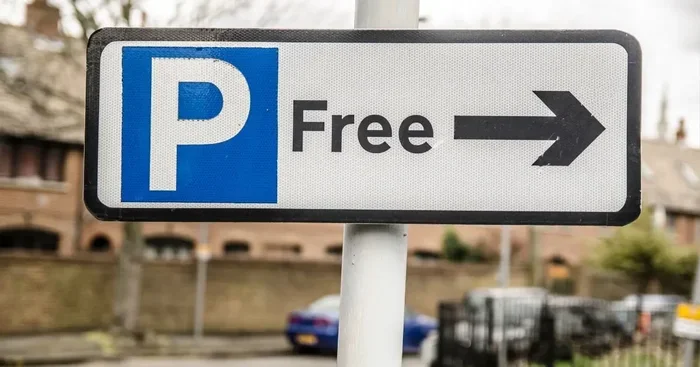
This sounds obvious, but many drivers skip it. Every parking sign tells a story. It reveals time limits, permit requirements, and whether metered parking applies to that specific block.
Take a moment to read each sign before you park. Look for words like “no parking,” “time limit,” “permit only,” and “free after.” Missing one small detail can cost you $50 or more in parking enforcement fines.
Explore Side Streets
Main roads and commercial districts often have paid curb parking. But just one or two blocks away, free street parking might be plentiful. Side streets in residential areas are often the best bet for free parking in urban settings.
Walking an extra five minutes to your destination beats paying for parking or risking a ticket. Plus, you get some exercise along the way.
Ask Locals or Check Online Forums
Local knowledge is incredibly valuable. Residents know which streets offer free parking and which ones are heavily monitored by parking enforcement. Online forums, neighborhood Facebook groups, and Reddit threads can also provide insider tips on parking availability in specific areas.
Common Rules and Restrictions for Street Parking
Every city has its own set of parking rules, but some standards apply almost everywhere. Understanding these basics keeps you safe and ticket-free.
Time Limits
Most street parking spots have time limits, even if they are free. Common limits include two hours, three hours, or four hours. Exceeding the time limit can result in a parking ticket, regardless of whether you paid for the spot.
Some areas use time-limited parking to keep spots rotating. This ensures that more people can access parking availability throughout the day rather than one person occupying a spot for eight hours.
Side of the Street Rules
Many cities require drivers to park on the same side as the direction of traffic flow. This rule improves visibility for drivers and pedestrians. Parking on the wrong side can lead to a fine, even if everything else about the spot is legal.
Distance from Fire Hydrants and Crosswalks
You must usually park at least 15 feet from a fire hydrant and 20 feet from a crosswalk. These rules exist for safety reasons. Blocking a hydrant or crosswalk can result in an immediate parking ticket and even towing.
Seasonal and Weather-Based Restrictions
In snowy cities, parking restrictions often kick in during winter storms. Some areas require drivers to move their cars for street cleaning or snow removal. Ignoring these rules means facing a fine, even if your car is otherwise parked legally.
The Hidden Costs of Street Parking
Even when street parking is technically free, there are hidden costs to consider. These costs add up over time and can make free parking less free than it seems.
Time and Fuel
Searching for free street parking takes time and burns fuel. Studies show that drivers in busy cities spend an average of 15 to 20 minutes looking for a spot. That adds up to wasted hours and extra gas money every week.
Using a parking app or choosing a spot slightly farther away can reduce search time significantly. The fuel you save often outweighs the cost of a metered spot.
Parking Tickets and Towing
The most obvious hidden cost is a parking ticket. Fines range from $25 to $200 or more depending on the violation and the city. Repeated violations can lead to vehicle towing, which costs hundreds of dollars to recover.
Investing a few minutes in reading parking signs can save you from these expenses. It is always better to be safe than sorry.
Wear and Tear on Your Vehicle
Street parking exposes your car to elements like sun, rain, hail, and falling debris. Over time, this causes paint damage, interior fading, and even windshield cracks. Parking in a garage or covered area protects your vehicle, but it comes at a cost.
If you must use curb parking, consider using a car cover or parking under a tree when possible. These small steps reduce long-term damage.
Tips for Avoiding Parking Tickets
Nobody wants a parking ticket. Follow these simple tips to keep your record clean and your wallet full.
- Always read the signs. This is the single most important step. Signs tell you everything about time limits, permit requirements, and restrictions.
- Set a timer on your phone. If you are in a time-limited parking spot, set an alarm so you remember to move your car or feed the meter.
- Use parking apps. Apps remind you when your meter is about to expire and let you pay remotely. Some even alert you to nearby parking enforcement activity.
- Check for street cleaning days. Many streets have scheduled cleaning days when parking is prohibited. Ignoring street cleaning signs is one of the most common reasons drivers get tickets.
- Display your permit clearly. If your area requires a residential parking permit, make sure it is visible on your dashboard. A hidden or expired permit is the same as having no permit at all.
- When in doubt, move on. If a sign is unclear or you are unsure about the rules, find another spot. The cost of a ticket always exceeds the inconvenience of walking a little further.
Expert Insights on Street Parking
We spoke with urban planning experts and local parking enforcement officers to get their take on street parking trends.
“Many drivers assume all street parking is free unless they see a meter,” says one city planning consultant. “The reality is that parking regulations are layered. A single block can have multiple rules applying to different hours, days, and zones.”
Another expert adds that parking availability is one of the biggest challenges in urban areas. Cities are constantly adjusting parking laws to balance the needs of residents, businesses, and visitors. The trend is moving toward smarter, more flexible parking systems that use technology to manage supply and demand.
“The best advice I can give is to slow down and pay attention,” says a retired parking enforcement officer. “Most people get tickets not because they are bad drivers, but because they are in a hurry and do not take the time to read the signs.”
Is Street Parking Free Around the World?
Street parking costs vary dramatically around the world. Let’s take a quick look at how different countries handle curb parking.
- United States: Street parking is free in many residential areas and during off-peak hours. Cities like New York and San Francisco charge high rates for metered parking in commercial zones.
- United Kingdom: Many UK streets have parking meters or pay-and-display machines. Free parking is more common in rural areas and smaller towns.
- Australia: Major cities like Sydney and Melbourne have paid street parking in the CBD. Suburban areas often offer free parking with fewer restrictions.
- Japan: Street parking is rare in cities due to limited space. Most drivers use paid parking lots or garages.
- Europe: Many European cities charge for street parking in city centers. Some countries offer free parking on Sundays or after certain hours.
Understanding how parking laws differ internationally helps travelers avoid surprises. Always research parking regulations before visiting a new city or country.
Key Takeaways
- Street parking is not always free: Many cities charge for curb parking during certain hours or zones.
- Free parking exists: Some residential areas and off-peak hours offer free street parking without restrictions.
- Metered parking varies widely: Rates depend on location, time of day, and local parking enforcement policies.
- Read parking signs carefully: Ignoring parking restrictions can lead to expensive parking tickets and towing.
- Apps help you find free spots: Technology makes it easier than ever to locate available parking near you.
- Hidden costs add up: Even “free” street parking can cost you in time, fuel, and potential fines.
Conclusion
So, is street parking free? The answer is both yes and no. In many areas, you can park at no cost, especially during evenings, weekends, and in residential neighborhoods. But in busy commercial districts, metered curb parking and strict parking regulations mean you will likely pay for the convenience.
The key to mastering street parking is knowledge. Read the signs, understand the time limits, and use technology to your advantage. A few minutes of effort can save you significant money and stress over time.
Whether you are a daily commuter or an occasional visitor, knowing the rules of free street parking empowers you to make smarter decisions. You will park with confidence, avoid unnecessary fines, and make the most of every trip.
Next time you find an open spot on the street, take a moment to check the signs. You might just discover that parking is free after all. Or you might find a meter that saves you from circling the block. Either way, you win.
Frequently Asked Questions
Can I park for free on the street overnight?
In many cities, overnight street parking is free, especially in residential areas. However, some cities have overnight restrictions or require a residential parking permit. Always check local parking regulations before leaving your car on the street overnight.
How can I tell if street parking is free?
Look for the signs on the curb or nearby poles. Signs will indicate whether metered parking applies, if there is a time limit, or if the spot is entirely free. When in doubt, use a parking app that shows real-time parking availability and pricing.
What happens if I park in a no-parking zone?
Parking in a no parking zone almost always results in a parking ticket. Depending on the location, your vehicle may also be towed. Fines can range from $50 to over $200, and retrieving a towed vehicle adds hundreds more in fees.
Are parking meters free on Sundays?
In many cities across the United States, parking meters are free on Sundays. Some cities also offer free parking on holidays. However, this varies by location, so always verify with local parking signs or the city website before assuming a spot is free.
Do I need a permit for free street parking?
Some neighborhoods require a residential parking permit for free street parking. Without a permit, you may be limited to a short time, usually two to four hours. Visitor permits are sometimes available at local government offices or online.
Is street parking cheaper than parking garages?
Generally, street parking is cheaper than parking garages, especially when it is free. However, paid metered parking in high-demand areas can sometimes cost as much as a garage. Compare options using parking apps to find the best parking costs for your needs.