Why Are Cars Getting Bigger And What It Means For You
Cars are getting bigger than ever before, driven by consumer demand for SUVs, safety concerns, and changing automotive trends. This shift affects everything from fuel costs and parking to road safety and urban mobility. Understanding why vehicles are growing in size helps you make smarter buying decisions and navigate the evolving car landscape.
Have you noticed that cars seem to be growing before your eyes? Walk through any parking lot, and you will see it for yourself. SUVs and trucks dominate the landscape, while compact sedans seem to be disappearing. This is not your imagination. Why are cars getting bigger is a question on many drivers minds today, and the answer touches on safety, consumer habits, industry trends, and even cultural shifts.
The average new car sold today is significantly larger than it was just twenty years ago. In the United States alone, the average vehicle length has grown by several inches, and weight has climbed considerably. This growth is not random. It is driven by a mix of consumer demand, manufacturer strategy, and changing priorities on the road. And it has real implications for how we drive, park, fuel up, and interact with our cities.
Understanding why vehicles are getting bigger is more than a curiosity. It affects your daily driving experience, your budget, and even the environment. Whether you are shopping for a new car or just curious about the trends reshaping our roads, this deep dive will give you the full picture. Let us explore the forces behind the growth and what it all means for you.
Key Takeaways
- SUV and crossover dominance: Consumer preference has shifted heavily toward larger vehicles, pushing sedans to the sidelines.
- Safety perceptions drive size: Many buyers believe bigger cars offer better crash protection, influencing their purchase decisions.
- Parking and urban challenges: Larger vehicles create real problems in cities, from tight parking spots to narrower roads.
- Fuel costs add up: Bigger cars burn more gas, hitting your wallet at the pump and affecting long-term ownership costs.
- Regulatory and environmental impact: Vehicle size trends raise concerns about emissions, road wear, and infrastructure strain.
- Electric vehicles are following the trend: Even EVs are growing in size, which impacts battery range and efficiency.
- Smart buying matters: Knowing why cars are bigger helps you choose the right vehicle for your actual needs.
📑 Table of Contents
The Rise Of The SUV And Crossover
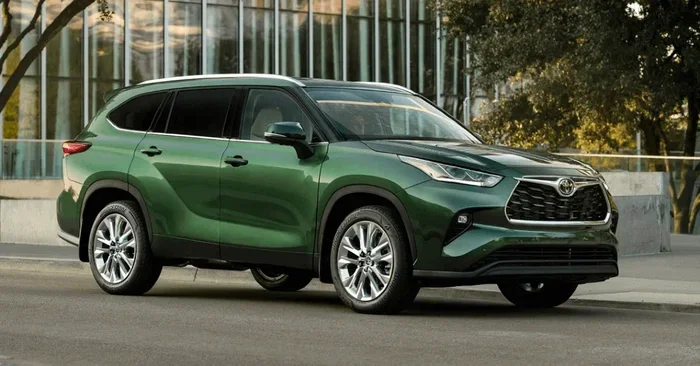
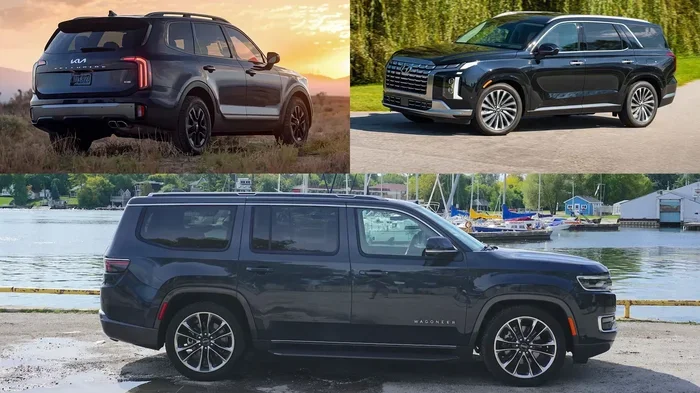
The single biggest reason behind the growth of cars is the rise of the SUV and crossover. These vehicles have gone from niche options to the dominant force in the automotive market. Today, SUVs account for more than half of all new car sales in many countries. This shift has transformed entire product lines and changed what manufacturers focus on.
But why did consumers suddenly fall in love with taller, larger vehicles? Several factors played a role. The appeal of higher seating positions, the perception of safety, and the rugged styling all contributed. Over time, what started as a practical trend became the default choice for most families.
From Practicality To Preference
In the 1990s and early 2000s, sedans ruled the roads. Compact cars like the Honda Civic and Toyota Corolla were the go-to choices for millions of drivers. But as SUV culture grew, everything changed. Manufacturers introduced crossovers that combined the look of an SUV with the unibody construction of a car. These vehicles offered the best of both worlds, or so it seemed.
Consumers started choosing crossovers and SUVs for everyday driving, not just for off-road adventures. The higher driving position made people feel more in control on busy highways. The larger cabins felt more spacious and comfortable. And the bold, upright styling gave cars a more commanding presence on the road. Soon, the sedan was no longer the default choice.
How SUV Sales Changed The Market
The numbers tell a clear story. In the early 2000s, SUVs made up about 20 percent of new car sales. By the mid-2020s, that number has jumped past 50 percent in many markets. Sedan sales have dropped dramatically. Even popular models have been discontinued or redesigned as SUVs.
Manufacturers followed the money. When consumers buy SUVs at higher prices, automakers earn more per vehicle. This created a powerful incentive to shift production away from smaller cars. Over time, fewer compact models were developed, and the lineup became dominated by larger vehicles. This feedback loop pushed car sizes bigger and bigger with each new generation.
Safety Perceptions And Vehicle Size
Safety is one of the most powerful reasons people cite when explaining why cars are getting bigger. The belief that a larger, heavier vehicle offers better protection in a crash is deeply ingrained in car culture. And there is some truth to this idea, but the full picture is more nuanced.
The Physics Of Crash Safety
In a collision, physics plays a major role. A heavier vehicle tends to push a lighter vehicle backward during a crash. This gives occupants of the heavier vehicle an advantage in certain types of collisions. Insurance data and crash test results have supported the idea that larger vehicles can offer better protection for their own occupants.
However, this comes with a trade-off. Larger vehicles can pose greater risks to other road users, including drivers of smaller cars, motorcyclists, and pedestrians. The sheer mass and height of a big SUV can cause more severe damage in a collision. This raises important questions about the broader safety impact of growing vehicle sizes on everyone sharing the road.
Crash Test Ratings And Consumer Trust
Organizations like the National Highway Traffic Safety Administration and the Insurance Institute for Highway Safety publish crash test ratings that influence buying decisions. Many consumers look at these ratings and assume that bigger, heavier vehicles automatically score better. While this is not always true, the perception persists.
Manufacturers have also invested heavily in marketing the safety features of their larger models. Terms like “fortified cabin,” “advanced airbag systems,” and “crash protection” are prominently featured in ads for SUVs. These messages reinforce the idea that size equals safety, even when modern engineering can make smaller vehicles very safe too.
Consumer Lifestyle Changes
Cars are not just machines. They reflect how we live, work, and play. Over the past few decades, lifestyles have changed in ways that favor larger vehicles. Families have different needs now. Hobbies require more space. And the way we use our cars has evolved significantly.
Families And Car Seats
One of the biggest lifestyle shifts driving vehicle size growth is the changing needs of families. Modern families often carry more gear, more passengers, and more activities than previous generations. Car seats, strollers, sports equipment, and grocery hauls all demand space. A compact sedan can feel cramped quickly when you are managing a family of four or five.
SUVs and crossovers offer more cargo room, easier access through higher seating, and flexible seating configurations. These practical benefits make larger vehicles appealing for everyday family use. What started as an occasional need became a daily reality for many households.
The Work From Home And Adventure Culture
The rise of remote work and outdoor recreation has also contributed to the trend. People now use their vehicles for everything from grocery runs to weekend camping trips. The idea of a car as a single-purpose commuter has faded. Instead, drivers want one vehicle that can handle all their needs. A larger vehicle feels more versatile and capable of handling diverse situations.
Social media has amplified this trend as well. Photos of SUVs on mountain roads, at the beach, and in outdoor settings are everywhere. This lifestyle branding makes bigger vehicles aspirational, especially for younger buyers who want their car to reflect their identity and interests.
Parking, Infrastructure, And Urban Challenges
While larger vehicles offer benefits to their occupants, they create significant challenges for everyone else. Cities and urban areas are feeling the impact of growing car sizes in ways that affect daily life and infrastructure.
Parking In A World Of Big Cars
Have you ever tried to park a standard-sized SUV in a spot designed for a compact car? It is frustrating. Parking spaces in many cities and garages were designed decades ago for smaller vehicles. As cars have grown, these spaces have become increasingly inadequate.
Larger vehicles make parallel parking harder. They take up more room in parking lots. And they can block visibility for drivers trying to navigate tight spaces. Some cities have started adjusting parking standards to account for bigger vehicles, but the changes are slow and often controversial.
Road Safety And Pedestrian Risks
The growth in vehicle size has serious implications for road safety beyond just crash dynamics. Taller, heavier vehicles pose greater risks to pedestrians and cyclists. A bumper on a large SUV sits at a height that can cause severe injuries to a person struck by the vehicle. Studies have shown that pedestrian fatality rates increase with vehicle size and front-end height.
Road infrastructure also feels the strain. Heavier vehicles cause more wear and tear on roads and bridges. This increases maintenance costs for municipalities and taxpayers. The trend toward bigger vehicles is, in many ways, a sustainability and infrastructure challenge as much as a consumer choice.
Fuel Economy And Running Costs
Size comes with a cost, and that cost shows up at the gas pump and on your maintenance bill. While fuel economy has improved across all vehicle categories thanks to technology, larger vehicles still consume more energy than their smaller counterparts.
The Gas Mileage Reality
There is no escaping the basic physics. A heavier vehicle requires more energy to move. Even with advances in engine efficiency and hybrid technology, a large SUV will generally use more fuel than a compact car. For drivers who cover long distances or commute daily, the difference at the pump can be substantial over time.
Fuel costs are just one part of the equation. Insurance premiums tend to be higher for larger vehicles because of their higher repair costs and replacement values. Tires for bigger cars and SUVs also cost more and wear faster. When you add it all up, the total cost of ownership for a larger vehicle is often significantly higher than for a smaller one.
Electric Vehicles And The Size Trend
Interestingly, the shift toward electric vehicles has not reversed the size trend. Many popular EVs, including the Tesla Model Y and the Ford Mustang Mach-E, are built on large platforms and weigh as much as or more than their gasoline counterparts. Even the new electric pickup trucks are massive.
Heavy battery packs add significant weight to EVs. Larger vehicles with big batteries can still achieve impressive range, but the size and weight work against efficiency in subtle ways. Heavier EVs wear down tires faster, require more energy to accelerate, and put more stress on road surfaces. The trend toward bigger EVs means that some of the environmental benefits of electrification are partially offset by the physical footprint of these vehicles.
What It All Means For You
So what does the trend of growing vehicles actually mean for the average driver? The implications are wide-ranging and affect nearly every aspect of car ownership.
Making Smarter Buying Decisions
When you understand the forces behind why cars are getting bigger, you can make more informed choices. Ask yourself what you truly need from a vehicle. Do you really need a full-size SUV, or would a compact crossover or a midsize sedan serve you just as well? The gap between what you need and what you want can save you money and reduce your environmental footprint.
Consider your typical driving environment. If you mostly drive in a city with tight streets and limited parking, a smaller vehicle might make your life easier every day. If you regularly haul gear, tow a trailer, or drive long distances on highways, a larger vehicle might genuinely earn its place in your driveway.
The Road Ahead For Car Size Trends
The trend toward bigger vehicles shows no signs of slowing down. Automakers continue to invest in SUVs and trucks because that is where the profits are. But there are signs of change. Rising fuel prices, urbanization, and environmental concerns are pushing some buyers back toward smaller, more efficient vehicles. New regulations in some regions are also starting to address the safety and infrastructure challenges posed by oversized vehicles.
Technology may also play a role. Advances in lightweight materials, aerodynamics, and electric drivetrains could help make larger vehicles more efficient. But the fundamental trade-offs of size, weight, and space will always remain. The best approach for most buyers is to stay informed, weigh your actual needs, and resist the pull of marketing that equates size with status.
Quick Tips For Navigating The Bigger Car World
- Measure your parking space before buying a large vehicle. Make sure it fits comfortably, not just barely.
- Calculate total ownership costs including fuel, insurance, tires, and maintenance before committing to a bigger car.
- Test drive both sizes. A compact and a full-size SUV can feel very different in everyday driving. Experience the difference yourself.
- Consider a midsize crossover. These vehicles offer much of the utility of a full-size SUV in a more manageable package.
- Think about resale value. Popular larger vehicles hold their value well, but smaller efficient cars are gaining popularity again in some markets.
Common Mistakes Buyers Make
- Buying bigger than you need. Many buyers choose a large SUV for occasional use when a smaller vehicle would work fine 90 percent of the time.
- Ignoring parking and maneuverability. A big vehicle can be a headache in tight urban environments if you do not factor this into your decision.
- Overestimating safety benefits. Modern small cars are very safe thanks to advanced engineering. Size alone does not guarantee protection.
- Underestimating running costs. The sticker price is only part of the story. Fuel, insurance, and maintenance add up significantly with larger vehicles.
Expert Insights On Vehicle Size Trends
Automotive analysts note that the shift toward larger vehicles is a global phenomenon, not just a North American trend. In Europe and Asia, SUV sales have also surged, reshaping markets and city planning. Experts suggest that the trend will continue until either consumer preferences shift or regulations intervene.
“The economics of the automotive industry strongly favor larger vehicles right now,” says one industry analyst. “Until there is a major shift in consumer priorities or policy changes, we can expect the average car on the road to keep growing.”
Others point to the potential for policy changes. Some cities are exploring vehicle size taxes or higher parking fees for larger cars. These measures could slow the trend and encourage manufacturers to offer more diverse size options. The future of vehicle size may ultimately be shaped by a combination of consumer choice, technology, and government policy working together.
Key Takeaways To Remember
- SUV and crossover popularity is the primary driver of growing vehicle sizes.
- Safety perceptions influence buyers to choose larger, heavier vehicles.
- Lifestyle changes including family needs and outdoor recreation favor bigger cars.
- Parking and urban infrastructure face real challenges from the growth in vehicle dimensions.
- Fuel costs and ownership expenses are higher for larger vehicles over time.
- Even electric vehicles are following the trend toward larger sizes.
- Smart buyers assess their actual needs rather than defaulting to the biggest option available.
Conclusion
The question of why cars are getting bigger does not have a single answer. It is the result of shifting consumer preferences, manufacturer strategies, lifestyle changes, safety perceptions, and cultural trends all working together. From the dominance of SUVs on the highway to the challenges of navigating city streets in a full-size truck, the growth in vehicle size touches every aspect of how we move through the world.
For individual buyers, understanding these trends is empowering. It helps you see past the marketing and make choices that align with your real needs, budget, and values. Whether you choose a compact car or a large SUV, the key is to go in with your eyes open. Know the trade-offs. Understand the costs. And remember that the best vehicle is the one that fits your life, not the one that takes up the most space.
The roads are changing, and the cars on them are changing with them. By staying informed and thinking critically about your choices, you can navigate this evolving landscape with confidence. The next time you see a row of SUVs in the parking lot, you will know exactly why they are there and what their growing presence means for all of us.
Frequently Asked Questions
Why are cars getting bigger in recent years?
Cars are getting bigger primarily because consumers have shifted their preferences toward SUVs and crossovers. Safety perceptions, lifestyle changes, and manufacturer strategies all contribute to this trend. The higher seating position, spacious interiors, and rugged styling of larger vehicles have made them the dominant choice in most markets.
Do bigger cars really offer better safety?
Larger, heavier vehicles can offer advantages in certain crash scenarios due to their mass. However, they also pose greater risks to other road users, including pedestrians and drivers of smaller vehicles. Modern small cars are engineered to be very safe as well, so size alone does not guarantee protection.
How does car size affect fuel economy?
Bigger cars are generally less fuel-efficient because they weigh more and have more aerodynamic drag. A large SUV will typically use more fuel than a compact sedan, even with modern engine technologies. This means higher fuel costs over the lifetime of the vehicle.
Are electric vehicles also getting bigger?
Yes, electric vehicles are following the same trend toward larger sizes. Popular EV models like the Tesla Model Y are built on large platforms and weigh significantly due to their battery packs. While EVs are more efficient than gasoline vehicles overall, their size still impacts range and efficiency.
What challenges do bigger cars create for cities?
Larger vehicles create parking difficulties, reduce available road space, and increase risks for pedestrians and cyclists. They also cause more wear on roads and infrastructure. Cities are starting to address these challenges through adjusted parking standards and potential size-based fees.
How can I choose the right car size for my needs?
Start by honestly assessing your daily driving habits, family needs, and parking situation. Consider whether a compact crossover or midsize sedan could meet your needs instead of a full-size SUV. Test drive vehicles of different sizes and calculate total ownership costs before deciding.