Does Car Insurance Cover Damage From Potholes Right Now
Does car insurance cover damage from potholes? The answer depends on your coverage type and the extent of the damage. Collision coverage typically pays for pothole-related repairs, while basic liability plans usually do not. Understanding your auto insurance policy helps you avoid surprise costs and speeds up the claims process when road hazards strike.
You are driving down a familiar road. Everything is fine. Then you hear a loud thud. Your car pulls to one side. You just hit a pothole. This scenario happens to millions of drivers every year. Potholes form during freeze-thaw cycles and heavy traffic. They damage tires, rims, suspension systems, and more. The big question most drivers ask is simple: does car insurance cover damage from potholes? The short answer is: it depends on your coverage type.
Many drivers assume their auto insurance policy covers all types of damage. That is not always true. Basic liability insurance only covers damage you cause to others. It does not cover damage to your own vehicle from road hazards. If you want protection against pothole damage, you need the right coverage in place before an accident happens. This guide breaks down everything you need to know about pothole damage and insurance claims.
We will walk through what types of damage potholes cause, which insurance policies pay for repairs, how to file a claim, and practical tips to prevent damage. Whether you have a new car or a used vehicle, understanding your coverage matters. Let us dive in.
Key Takeaways
- Collision coverage is key: Most pothole damage claims are covered under collision insurance, not liability-only plans.
- File quickly: Most insurance companies require you to report pothole damage within a specific time window.
- Document everything: Photos, police reports, and repair estimates strengthen your claim and improve approval odds.
- Deductibles apply: You will pay your insurance deductible before coverage kicks in, so weigh the cost carefully.
- Prevention helps: Proper tire inflation and safe driving habits reduce the risk of pothole damage significantly.
- Not all damage is equal: Tire and rim damage differs from suspension or undercarriage damage in how claims are handled.
- Claims can raise premiums: Filing multiple claims may impact your insurance premium over time.
📑 Table of Contents
- What Happens When Your Car Hits a Pothole
- Does Your Auto Insurance Policy Cover Pothole Damage?
- How to File a Claim for Pothole Damage
- Common Types of Pothole Damage to Your Vehicle
- Tips to Prevent and Minimize Pothole Damage
- When Filing a Claim Makes Sense and When It Does Not
- Key Takeaways
- Conclusion
What Happens When Your Car Hits a Pothole
Potholes are more than an annoyance. They are road hazards that can cause serious vehicle damage. When your tire hits a deep pothole, the impact is sudden and forceful. The damage depends on your speed, tire pressure, and pothole depth. Even low-speed impacts can cause hidden problems that show up days later.
Immediate Damage You Can See
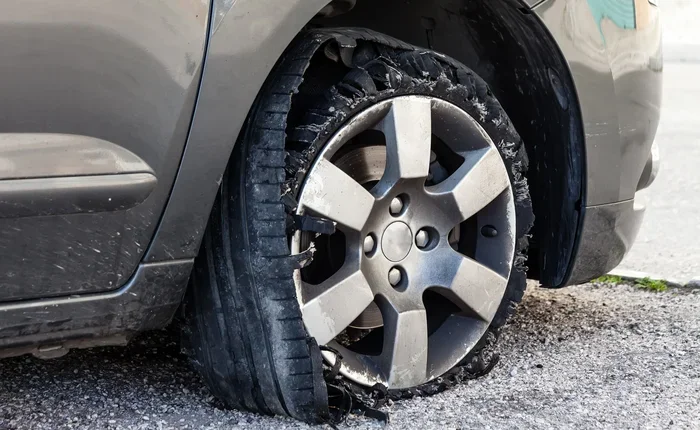
Some pothole damage is obvious right after the impact. You might notice a flat tire or a visible crack in a rim. Tire damage is the most common result of pothole strikes. A tire puncture can leave you stranded on the side of the road. Rims can bend or crack from the force of the impact. If you drive on a bent rim, it worsens the damage and becomes unsafe.
You may also hear a loud bang or feel a vibration through the steering wheel. These are clear signs that something is wrong. Pull over safely and inspect your vehicle. Check all four tires, the rims, and the undercarriage if possible. Do not ignore even small cracks or bulges in the tire sidewall.
Hidden Damage That Shows Up Later
Not all pothole damage is visible right away. Suspension damage often develops over days or weeks. The shock absorbers and struts absorb the brunt of the impact. After a hard hit, they may wear out faster or fail entirely. Steering damage is another hidden issue. A pothole impact can knock your wheels out of alignment.
Undercarriage damage is especially tricky. The exhaust system, brake lines, and suspension components sit underneath the car. A deep pothole can scrape or dent these parts. You might not notice fluid leaks or unusual noises until the damage becomes severe. If your car starts pulling to one side or making strange sounds after hitting a pothole, get a professional inspection right away.
Does Your Auto Insurance Policy Cover Pothole Damage?
The answer to this question comes down to the type of coverage you carry. Not all auto insurance policies are the same. Some policies cover pothole damage fully. Others provide no protection at all. Let us look at how different coverage types handle pothole-related repairs.
Collision Coverage and Pothole Claims
Collision coverage is the primary type of insurance that pays for pothole damage. This coverage applies when your vehicle is damaged in a collision with an object. A pothole counts as an object. If you have collision coverage on your auto insurance policy, your insurance company should pay for repair costs minus your deductible.
Collision coverage pays for tire damage, rim damage, suspension damage, and alignment issues caused by potholes. It also covers undercarriage damage in most cases. However, you must pay your insurance deductible first. Deductibles typically range from $500 to $1,000. If the repair cost is close to your deductible, filing a claim might not be worth it.
Comprehensive Coverage and Road Hazards
Comprehensive coverage handles damage from events other than collisions. It covers things like theft, vandalism, flooding, and falling objects. Most comprehensive policies do not cover pothole damage because potholes are considered collision-related incidents. However, if a pothole causes your car to hit another object or a guardrail, comprehensive coverage might apply to the secondary damage.
The key difference is clear. Collision coverage handles the direct impact damage from a pothole. Comprehensive coverage handles indirect damage from other events. Always check your specific policy to understand what is included and what is not.
Liability-Only Plans and Pothole Damage
If you carry only liability insurance, pothole damage is not covered. Liability insurance pays for damage you cause to other people or their property. It does not cover repairs to your own vehicle. Drivers with liability-only plans must pay for pothole repairs out of pocket. This is an important reason to review your coverage annually and consider adding collision protection.
How to File a Claim for Pothole Damage
Filing a car insurance claim for pothole damage follows a specific process. The sooner you act, the better your chances of a smooth approval. Here is a step-by-step look at what to do after hitting a pothole.
Step 1: Document the Damage Right Away
As soon as it is safe, pull over and take photos. Capture the pothole, your tire damage, any rim cracks, and any fluid leaks. Take multiple angles and close-up shots. These photos serve as evidence when you file your claim. Write down the location, date, and time of the incident. If there were other drivers affected, note their comments too.
Step 2: Contact Your Insurance Company
Call your insurance provider or use their mobile app to start the claims process. Report the incident clearly and honestly. Provide all documentation, including photos and the location details. Your insurance adjuster will guide you through the next steps. Be sure to ask about your insurance coverage limits and deductible amount.
Step 3: Get Repair Estimates
Take your vehicle to a trusted repair shop or dealership. Ask for a detailed estimate that lists all damage and repair costs. Share this estimate with your insurance company. The adjuster may also send their own assessor to inspect the vehicle. Compare the two estimates and ask questions about anything you do not understand.
Step 4: Complete the Repairs
Once the claim is approved, schedule the repairs. Pay your deductible at the repair shop. Your insurance company pays the remaining covered amount directly to the shop. Keep all receipts and paperwork for your records.
Common Types of Pothole Damage to Your Vehicle
Potholes can damage many parts of your vehicle. Understanding the different types of pothole damage helps you know what to look for and what to claim. Here are the most common issues drivers face after a pothole impact.
Tire and Rim Damage
Tire damage is the most frequent result of a pothole strike. A tire puncture can cause a slow leak or a sudden blowout. Bent or cracked rims are also very common. Rim damage affects your vehicle’s handling and can lead to uneven tire wear. Replacing a rim can cost anywhere from $75 to $300 or more depending on the material and vehicle model.
Suspension and Steering Damage
The suspension system absorbs road impacts and keeps your ride smooth. A hard pothole hit can damage shock absorbers, struts, and control arms. Steering damage often follows suspension issues. You may notice your steering pulling to one side or feeling loose. Wheel alignment problems are a common result. Fixing alignment typically costs between $75 and $200, but replacing damaged suspension parts can run into the hundreds.
Exhaust and Undercarriage Damage
Deep potholes can scrape the underside of your vehicle. The exhaust system, including the muffler and catalytic converter, sits low on many cars. Undercarriage damage can cause exhaust leaks and reduced engine performance. This type of pothole damage is often the most expensive to repair because it involves accessing hidden components beneath the vehicle.
Tips to Prevent and Minimize Pothole Damage
You cannot always avoid potholes, but you can reduce the risk of damage with smart driving habits. Prevention is always cheaper than repair. Here are practical tips to protect your vehicle from road hazards.
Drive Defensively and Stay Alert
Keep your eyes on the road ahead. Look for potholes, cracks, and uneven surfaces. If you see a pothole, slow down and steer around it safely. Never swerve suddenly into another lane. Brake before the pothole, not during the impact. Reducing your speed lessens the force of the hit and minimizes damage to your tires and suspension.
Maintain Proper Tire Pressure
Underinflated tires are more vulnerable to pothole damage. Low tire pressure causes the tire sidewall to flex more on impact. This increases the risk of a tire puncture and rim damage. Check your tire pressure at least once a month. Keep your tires inflated to the manufacturer recommended levels. Properly inflated tires also improve fuel efficiency and handling.
Keep Up with Regular Maintenance
Regular maintenance helps your vehicle handle impacts better. Well-maintained shock absorbers and struts absorb pothole forces more effectively. Get your wheel alignment checked at least twice a year. If you notice your car pulling to one side or uneven tire wear, address it promptly. Good maintenance also means your collision repair costs may be lower after an incident.
After dealing with pothole damage, you might also wonder about general car care habits. For instance, many car owners ask whether they can wash their vehicle too frequently, especially after a rough road experience. Proper washing and maintenance routines help keep your car in good shape year round.
When Filing a Claim Makes Sense and When It Does Not
Not every pothole damage situation warrants an insurance claim. Weighing the cost against your deductible and potential premium increase is essential. Here is how to decide if filing a claim is the right move.
Cost-Benefit Analysis
Add up your estimated repair costs. Then subtract your insurance deductible. If the remaining amount is significant, filing a claim makes sense. For example, if repairs cost $1,500 and your deductible is $500, your insurance pays $1,000. That is worth the claim. But if repairs cost $600 and your deductible is $500, you only get $100 from the insurer. In that case, paying out of pocket might be the better choice.
How Claims Affect Your Rates
Filing a claim can increase your insurance premium at renewal time. Most insurance companies view claims as an indicator of higher risk. A single pothole claim might not cause a large rate hike, but multiple claims over a short period will. Consider your driving history and claims record before deciding. If you have a clean record, one claim may not hurt much. If you have filed claims recently, paying for repairs yourself could save you money long term.
There is also the matter of timing. If your car experiences issues after pothole damage, such as difficulty starting or unusual engine behavior, these symptoms could indicate deeper problems. Understanding what causes these issues helps you decide whether a claim is necessary and how to explain the damage to your adjuster.
Once repairs are complete, keeping your car clean and well maintained is important. Regular car glass cleaning helps you spot chips and cracks early, especially after rough road encounters. Small chips from pothole impacts can grow into larger cracks if not addressed promptly.
Key Takeaways
- Collision coverage is essential: It is the primary coverage that pays for pothole damage to your vehicle.
- Document everything: Photos, location details, and repair estimates are your best evidence during the claims process.
- Know your deductible: You pay this amount first, so factor it into your decision to file a claim.
- Prevention saves money: Proper tire pressure, defensive driving, and regular maintenance reduce pothole damage risk.
- Weigh costs carefully: Small repair bills may not be worth the potential premium increase from filing a claim.
- Check your policy: Review your auto insurance policy annually to ensure you have adequate coverage for road hazards.
Conclusion
So, does car insurance cover damage from potholes? The answer is yes, but only if you have the right coverage. Collision coverage is your best protection against pothole-related repairs. Without it, you will pay for all repairs yourself. Understanding your auto insurance policy, knowing how to file a claim, and taking preventive steps all help you handle pothole damage with confidence.
Potholes are a fact of life on many roads. They cause tire damage, rim damage, suspension problems, and more. The key is to be prepared. Review your insurance coverage today. Make sure your policy includes collision protection with adequate coverage limits. Keep your tires properly inflated and your eyes on the road. These simple steps can save you money, time, and stress when a pothole strikes.
Remember, every driver faces potholes at some point. The difference is in how you handle the damage. With the right insurance coverage and a clear understanding of the claims process, you can get back on the road quickly and safely. Stay alert, stay prepared, and do not let a pothole ruin your day.
Frequently Asked Questions
Does full coverage car insurance cover pothole damage?
Yes, full coverage typically includes collision coverage, which pays for pothole damage to your vehicle. Full coverage also includes comprehensive coverage, which handles other types of damage. However, you will still need to pay your insurance deductible before the coverage kicks in.
How long do I have to file a pothole damage claim?
Most insurance companies require you to report damage as soon as possible, ideally within 24 to 48 hours. Check your specific policy for time limits. Filing early helps ensure your claim is processed smoothly and without delays.
Will filing a pothole claim raise my insurance premium?
It depends on your insurer and your claims history. A single pothole claim may not cause a significant rate increase. However, multiple claims within a short period can lead to higher premiums. Weigh the repair cost against the potential premium impact before filing.
What if the pothole was caused by poor road maintenance?
You can still file a claim with your insurance company. In some cases, you may also file a claim against the city or municipality responsible for road maintenance. However, government claims processes are often slower and more complex than standard insurance claims.
Does car insurance cover tire damage from potholes?
Yes, collision coverage typically covers tire damage from potholes, including tire punctures and sidewall damage. However, if your tires are old and worn, the insurer may consider wear and tear and reduce the payout. Check your policy for specific tire coverage details.
Can I get reimbursed for pothole damage without filing a formal claim?
Some insurance companies offer claims assistance without a formal claim filing for minor damage. This depends on your provider and policy. Contact your insurance company directly to ask about their process for small pothole repairs. They can guide you on the best approach for your situation.