Where Can I Work on My Car Best Places to Get Started
Finding the right place to work on your car is easier than you think. Whether you have a full home garage or just a small driveway, there are plenty of great options for car maintenance and repairs. This guide covers the best spots, from your own workspace to community workshops and mobile services, so you can get started with confidence today.
So you have been asking yourself, where can I work on my car. Maybe you just bought your first vehicle, or perhaps you are tired of paying shop rates for simple repairs. Whatever the reason, the good news is that you have more options than ever before.
The question where can I work on my car has a lot of great answers. From your own home garage to community workshops and self-service auto shops, there is a perfect spot for every budget and skill level. Let us explore all the best options so you can get started today.
Working on your own car is one of the most rewarding skills you can learn. It saves you money, builds confidence, and gives you a deeper understanding of your vehicle. But before you grab a wrench, you need the right place to do it. That is exactly what this guide is all about. We will walk through every option so you can pick the best fit for your situation.
Key Takeaways
- Home Garage: The most popular and convenient spot for DIY car work and regular maintenance
- Community Workshops: Affordable access to professional-grade tools and a social environment for learning
- Self-Service Auto Shops: Great for those who want a proper lift without the full shop cost
- Mobile Mechanics: Perfect for quick fixes and basic maintenance right at your location
- Driveway Setup: A simple and free option that works for oil changes and minor repairs
- Safety First: Always prioritize proper ventilation, lighting, and stable vehicle support
- Start Small: You do not need a fancy garage to begin your car DIY journey
📑 Table of Contents
Where Can I Work on My Car? The Best Spots Explained
Not everyone has a big garage with professional equipment. The good news is that you do not need one. There are many different places where you can tackle car repairs and vehicle maintenance. Let us look at each option in detail so you can find the perfect fit.
Your Home Garage
A home garage is the dream workspace for most car enthusiasts. If you have one, you already know the convenience of having your tools and vehicle right outside your back door. A garage gives you shelter from the weather and a dedicated space to store your automotive tools and equipment.
You do not need a huge two-car garage to get started. Even a single-car garage works great for basic maintenance like oil changes, tire rotations, and brake pad replacements. The key is to keep it organized and well-lit.
Here is what makes a home garage ideal for car work:
- Climate-controlled environment protects you in rain or extreme heat
- Easy access to your stored tools and equipment
- Privacy to work at your own pace without interruptions
- Space to get dirty without worrying about neighbors or passersby
- A flat, solid surface for safe vehicle positioning and car jack use
If your garage doubles as storage, consider adding a few simple upgrades. A good workbench, bright LED lights, and a clean concrete floor can transform the space. You do not need expensive equipment to start. A basic car jack, a set of wrenches, and an oil drain pan are all you need for your first oil change. Over time, you can build out your collection as you take on more complex engine repair and other projects.
The Driveway or Carport
Not everyone has a garage. That is perfectly fine. Your driveway or carport can work well for many types of car maintenance. A flat concrete or asphalt surface is all you really need for simple jobs. Many car owners do their oil change right in the driveway. It is quick, easy, and saves a trip to the shop.
You just need a few basic tools and a way to get under the vehicle safely. A hydraulic floor jack and jack stands are essential for any work done underneath the car. A driveway repair setup like this is perfect for lighter tasks that do not require a fully enclosed space.
Here are some tips for driveway car work:
- Use a tarp or mat to protect the surface and catch drips
- Make sure the ground is level and firm before jacking up the car
- Work in daylight or add bright portable lights for visibility
- Keep children and pets away from the work area at all times
- Have a plan for disposing of used fluids properly and responsibly
The driveway works best for lighter tasks. Oil changes, tire swaps, battery replacements, and windshield wiper changes are all great driveway jobs. For more complex engine repair or work that involves removing parts, you may want a more sheltered option. But for getting started, the driveway is hard to beat for convenience and cost.
Community Workshops and Maker Spaces
If you do not have a garage or driveway space, community workshops are a fantastic alternative. These shared spaces give you access to professional-grade tools, lifts, and workbenches for a fraction of the cost of owning them all yourself. They are becoming increasingly popular in cities and towns across the country.
Many cities have community auto workshops or maker spaces that welcome car enthusiasts. You pay a small membership fee and get access to a fully equipped car workshop. Some even offer classes for beginners who want to learn the basics of car maintenance and vehicle maintenance in a supportive environment.
Here is what you can expect from a community workshop:
- Shared use of engine hoists, lifts, and air tools
- A social environment where you can learn from experienced mechanics
- Lower costs than renting a full private garage or auto repair shop
- Access to specialized tools you would never buy for personal use
- Scheduled time slots so you always have a guaranteed workspace
These spaces are perfect for weekend mechanics who want to tackle bigger projects. Engine swaps, transmission rebuilds, and body work all benefit from the professional equipment available at community workshops. Check online for local options near you and ask about trial visits before committing to a membership.
Self-Service Auto Shops
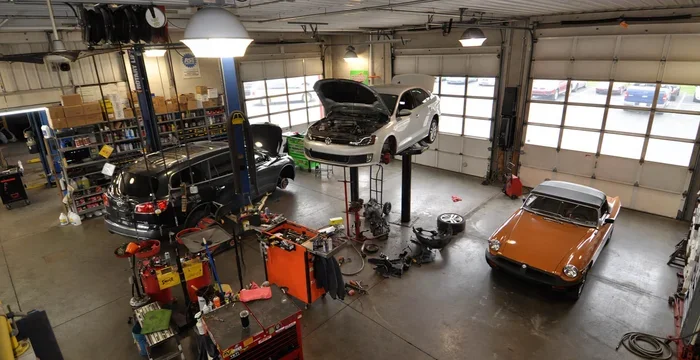
Self-service auto shops are a hidden gem for car DIYers. These facilities give you access to professional equipment, including hydraulic lifts, air compressors, and tool sets, all for a flat hourly or session fee. You bring your own parts and do the work. The shop provides the space and the heavy machinery.
This is a great middle ground between doing everything at home and paying a full-service mechanic for every repair. Self-service shops have been growing in popularity as more car owners look for affordable ways to handle their own auto repair tasks.
Here are the main benefits of self-service shops:
- Professional-grade lifts and equipment without the ownership cost
- Ventilated bays for safe work with chemicals and fumes
- Drain stations for oil and other fluids make cleanup easy
- Typically more affordable than full-service repair shops for the same equipment
- No long-term commitment, just pay per visit or per hour
Most self-service shops also sell common auto parts and fluids on-site. So you can pick up oil, filters, and brake pads right where you are working. This makes the whole process much more convenient. It is a great option if you want a proper car workshop experience without the overhead of owning your own facility.
Mobile Mechanic Services
Mobile mechanics come to you. They drive a fully stocked van or truck to your home, workplace, or parking lot and perform repairs on the spot. This option is perfect for people who do not have access to any workspace of their own or who simply value their time.
Mobile mechanic services have grown a lot in recent years. Many now handle everything from oil changes and brake jobs to more complex electrical diagnostics. You save the trip to the shop, and the mechanic comes directly to your driveway or office parking lot.
Here are some situations where a mobile mechanic makes sense:
- You need a quick oil change or tire rotation without leaving home
- Your car will not start and you need a jump or diagnostic test
- You do not have a safe place to work on the car yourself
- You want professional help without the hassle of transporting the vehicle
- You need a one-time repair and do not want to invest in tools
Keep in mind that mobile mechanics charge a premium for their convenience. But for many car owners, the time saved and the ease of use are well worth the extra cost. It is one of the most accessible ways to get quality auto repair help without ever leaving your property.
Setting Up Your Home Car Workspace
If you decide to work on your car at home, setting up the right workspace makes a huge difference. A well-organized area helps you work faster, safer, and with more confidence. You do not need a professional shop to create a functional and enjoyable workspace.
Essential Tools for Beginners
You do not need a massive tool collection to get started. A few key pieces of equipment will handle most common maintenance tasks. Here is a simple list to build your starter kit for your car DIY projects:
- Jack and jack stands: Essential for any work under the vehicle. Never rely on a jack alone.
- Socket wrench set: Covers most bolt sizes you will encounter in everyday maintenance
- Oil drain pan: Needed for every oil change and fluid swap
- Torque wrench: Ensures bolts are tightened to the right specification every time
- Flashlight or headlamp: Helps you see clearly in dark engine bays and tight spaces
- Basic hand tools: Pliers, screwdrivers, and adjustable wrenches cover most tasks
- Owner’s manual: Your best guide for vehicle specs, torque values, and procedures
Start with these basics and grow your collection over time. You do not need to buy everything at once. As you take on more projects, you will naturally identify the tools you need most. A simple wrench set and a reliable jack will get you through the first several maintenance jobs with ease.
Organizing Your Garage for Car Work
A cluttered garage makes car work frustrating. Even a small amount of organization can transform your workspace. Start by clearing a flat area big enough to park your car comfortably. This single step alone can make a huge difference in your productivity and enjoyment.
Consider adding wall-mounted tool racks or pegboards. These keep your most-used tools within arm’s reach and off the floor. A rolling tool cart is also a great investment. It lets you move your tools right next to the car wherever you need them. Good garage organization saves you time and prevents accidents.
Good lighting is often overlooked but extremely important. Add overhead shop lights or clip-on LED work lights to eliminate shadows under the hood. You want to see every bolt, every wire, and every connection clearly. A clean workspace is a safe workspace. When you know where everything is, you spend less time searching and more time actually working on the car.
Safety Tips for Working on Your Car
Safety should always come first when you are working on a vehicle. Cars are heavy, and they contain sharp edges, hot surfaces, and hazardous fluids. Taking the right precautions protects you from injury and keeps your car maintenance experience positive.
Never work under a car supported only by a jack. Always use jack stands. A jack is designed to lift the car temporarily, not hold it in place while you are underneath. Jack stands provide the stability you need to work safely and confidently under your vehicle.
Here are some essential safety practices for any workspace:
- Wear safety glasses to protect your eyes from debris and fluid splashes
- Use gloves to keep your hands clean and protected from sharp edges
- Work in a well-ventilated area, especially when using chemicals or solvents
- Keep a fire extinguisher nearby when working with fuel or flammable materials
- Disconnect the battery before working on any electrical components
- Let the engine cool completely before touching the radiator or exhaust system
- Wear closed-toe shoes to protect your feet from falling parts or heavy tools
These simple habits will keep you safe and help you enjoy every project. Safety is not boring. It is what keeps you coming back for more car DIY work week after week. Make these practices second nature from day one.
Pros and Cons of Each Workspace Option
Every workspace option has its strengths and weaknesses. Understanding these helps you choose the best fit for your situation and budget. Here is a quick comparison of the main options available to you.
| Workspace | Best For | Cost | Convenience | Equipment Level |
|---|---|---|---|---|
| Home Garage | Full-time DIYers, regular maintenance tasks | Low (after initial setup) | Very High | Medium (depends on your investment) |
| Driveway / Carport | Quick jobs, oil changes, tire work | Free | High | Low to Medium |
| Community Workshop | Big projects, learning, social work environment | Low to Medium (membership fee) | Medium (scheduled time slots) | High (professional-grade tools) |
| Self-Service Auto Shop | Medium to large repairs, lift access needed | Medium (per session fee) | Medium | High (professional equipment) |
| Mobile Mechanic | Quick fixes, diagnostics, maximum convenience | Higher (service premium) | Very High | High (fully professional) |
This comparison table should help you see which option aligns best with your needs and circumstances. Most car owners find that a combination works best over time. You might do quick oil changes in the driveway and save bigger projects for a community workshop or self-service shop. The flexibility to choose different options for different tasks is one of the great advantages of having multiple choices available.
How to Get Started as a Weekend Mechanic
Ready to start working on your car? Great. The best way to begin is with a simple task that builds your confidence and teaches fundamental skills. An oil change is the perfect first project. It teaches you basic skills like draining fluids, replacing filters, and using a car jack safely and correctly.
Once you complete a few simple jobs, you can gradually take on more complex repairs. Here is a suggested progression for new weekend mechanics who want to build their skills step by step:
- Oil change and filter replacement – Learn fluid drainage and basic engine access techniques
- Tire rotation and pressure checks – Practice jacking up the car safely and using a torque wrench
- Air filter and cabin filter replacement – Simple tasks that noticeably improve car performance
- Brake pad replacement – Introduces you to the braking system and hydraulic components
- Battery replacement and terminal cleaning – Quick electrical maintenance that prevents starting issues
- Spark plug replacement – Deepens your engine knowledge and gives you hands-on experience
Each step builds on the last. You will gain mechanical skills and real confidence with every job you complete. Before long, you will be tackling repairs that once seemed intimidating and complex. The key is to start simple and build gradually.
Invest in a good repair manual or use online resources for your specific vehicle make and model. The owner’s manual is a great starting point, but a detailed repair manual gives you step-by-step instructions with pictures and diagrams. Many free resources are available online through forums and video tutorials. These can be invaluable when you run into something unfamiliar.
Remember, every expert mechanic started as a beginner. Do not be afraid of making mistakes. That is how you learn and grow. The most important thing is to start. Pick a simple task, gather your tools, and get to work. Your journey as a weekend mechanic begins with a single bolt turned and a single lesson learned.
Whether you choose your home garage, a community workshop, or a self-service shop, the most important step is the first one. Find a spot that works for you, gather your basic tools, and dive in. Your car, and your wallet, will thank you for the effort and dedication you put in.
The world of car maintenance is open to everyone. You do not need years of experience or a professional-grade garage. You just need a safe place to work, the right tools, and the willingness to learn something new. So what are you waiting for? Get out there and start working on your car today. You will be glad you did.
Finding the right spot for your car work is the first step, and now you know all the options. From your own driveway to a professional community workshop, there is a place that fits your needs. Pick the one that works best for you, gather your tools, and enjoy the satisfaction of keeping your vehicle in great shape with your own hands.
Frequently Asked Questions
Can I work on my car in my driveway legally?
In most areas, you can work on your car in your driveway without any issues. However, some neighborhoods and local municipalities have rules about how long a vehicle can be lifted or where fluids can be drained. Always check your local regulations before starting any driveway car work to make sure you are following the rules and staying compliant.
What is the cheapest way to work on my car at home?
The cheapest option is your own driveway or carport with a basic set of tools. You need a jack, jack stands, a socket wrench set, and an oil drain pan to start. Many simple maintenance tasks like oil changes and tire rotations require very little investment and no special workspace at all.
Do I need a garage to be a weekend mechanic?
Absolutely not. Many successful weekend mechanics work in driveways, carports, or community workshops. A garage is convenient, but it is not a requirement. What matters most is having a safe, level surface and the right tools for the job you are tackling on that particular day.
Are community workshops worth the membership fee?
For most car enthusiasts, yes. Community workshops give you access to professional lifts, air tools, and engine hoists without the high cost of owning them yourself. If you plan to work on your car regularly or want to tackle bigger projects, the membership fee pays for itself very quickly.
How do I find a self-service auto shop near me?
A quick online search for “self-service auto shop” followed by your city or zip code will show nearby options. Many major auto parts stores also list self-service bays in their areas. You can also check local community forums and social media groups for recommendations from other DIY car owners in your neighborhood.
What should I do with used motor oil and other fluids?
Used motor oil, coolant, and brake fluid are hazardous and should never be poured down drains or onto the ground. Most self-service shops and auto parts stores accept used fluids for recycling. You can also check with your local waste management facility for proper disposal guidelines in your specific area.
=== CONCLUSION ===
Conclusion
The answer to where can I work on my car is clearer than you might think. You have plenty of great options, from the convenience of your own home garage to the shared tools and community of local workshops. Each option has its own advantages, and the best choice depends on your budget, skill level, and the type of work you want to do.
Start with what you have. A driveway, a carport, or even a small garage corner is enough to begin your car DIY journey. As you grow more confident and take on bigger projects, you can explore community workshops or self-service shops for more advanced equipment and bigger workspace needs.
The most important thing is to just start. Pick a simple maintenance task, find a safe workspace, and get your hands dirty. You will be amazed at what you can accomplish on your own. Working on your own car is a skill that pays you back every time you skip the shop bill and handle the job yourself.
So find your spot, gather your tools, and get to work. Your car is waiting, and you are ready. The road to becoming a confident weekend mechanic starts with a single step, and that step begins right now.