How Long Can You Really Drive With a Failing Alternator
Driving with a failing alternator is risky but sometimes unavoidable. Most drivers can cover anywhere from a few miles to about 25 miles before the battery dies completely. The real question isn’t just distance — it’s how long your car’s electrical system can keep running without a properly functioning alternator. This guide covers every warning sign, every risk factor, and every practical step you can take to stay safe.
Your alternator quietly does one of the most important jobs in your car. It keeps the battery charged and powers every electrical system while the engine runs. So what happens when it starts to fail? Can you keep driving? The short answer is maybe — but not for long.
Many drivers find themselves stranded because they didn’t recognize the early alternator symptoms. Others push too far and end up with a dead battery, a stalled engine, and an expensive repair bill. Understanding what your car tells you can make the difference between a simple fix and a full breakdown on the side of the road.
This guide breaks down everything you need to know about driving with a failing alternator. You’ll learn the warning signs, how far you can actually go, what risks you’re taking, and how to handle the situation safely.
Key Takeaways
- Limited Driving Window: You can typically drive 10 to 25 miles on battery power alone once the alternator fails.
- Warning Signs Matter: Dim lights, dashboard alerts, and strange noises are early signals you should never ignore.
- Battery Health Is Key: A fully charged battery buys you more time than a weak one when the alternator goes out.
- Turn Off Non-Essential Systems: Cutting power to the radio, AC, and heated seats extends your driving range significantly.
- Replacement Costs Vary: Expect to pay between $400 and $1,000 for alternator repair or replacement depending on your vehicle.
- Don’t Ignore It: Continuing to drive on a dead alternator can cause cascading damage to your entire electrical system.
📑 Table of Contents
What Does the Alternator Do?
The alternator is a small but mighty component in your car’s electrical system. It converts mechanical energy from the engine into electrical energy. This power keeps your battery charged and runs everything from your headlights to your radio.
Think of the alternator as your car’s built-in charger. When the engine is running, the alternator spins and generates electricity. It sends that electricity to the battery and to all the electrical components that need power. Without a working alternator, your car runs entirely on battery reserves — and those reserves don’t last forever.
The alternator works closely with the serpentine belt and the voltage regulator. The belt transfers motion from the engine to the alternator. The voltage regulator controls the output to make sure you don’t overcharge the battery. When any of these parts fail, the whole system suffers.
How Long Can You Actually Drive?
Here’s the honest answer: it depends. Several factors determine how far you can go once the alternator starts failing. Most drivers find they have between 10 and 25 miles of driving range before the battery dies completely.
Factors That Affect Your Driving Distance
Not every car gives you the same amount of time. Here’s what changes the equation:
- Battery Condition: A fully charged, healthy battery gives you more driving time than an old or weak one.
- Electrical Load: Running the AC, headlights, heated seats, and the stereo drains the battery faster.
- Car Model and Age: Newer cars have more electrical demands. Older cars with fewer electronics may give you a bit more time.
- Driving Speed: Higher speeds require more electrical power for systems like the fuel pump and ignition.
- Ambient Temperature: Extreme cold reduces battery performance, which shortens your driving window.
If you notice your dashboard warning light comes on, treat it as a countdown clock. You might get a few miles, or you might get a few more. But the clock is always ticking.
Warning Signs of a Failing Alternator
The alternator rarely fails without warning. Your car gives you plenty of clues — you just need to know what to look for.
Dim or Flickering Lights
This is one of the most common alternator symptoms. When the alternator can’t produce enough power, your headlights may dim. The dashboard lights might flicker. Even your interior lights can start to fade. This happens because the battery is no longer getting charged and is slowly draining.
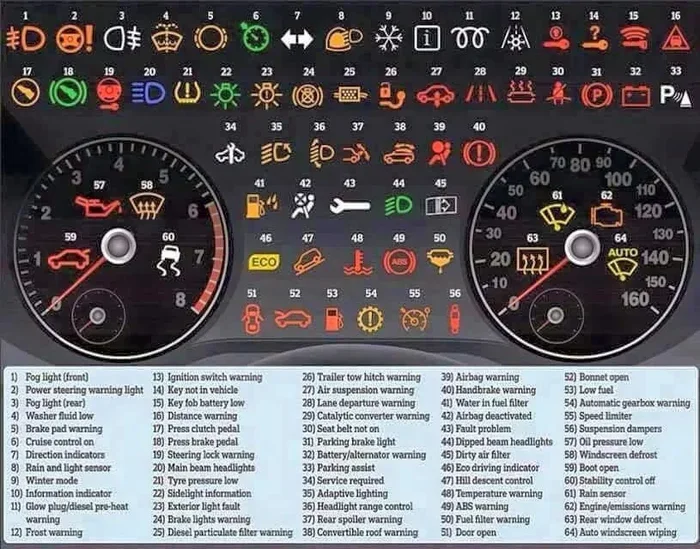
Battery Warning Light
The battery-shaped warning light on your dashboard doesn’t always mean the battery is bad. It often means the charging system isn’t working properly. The alternator could be the culprit. If this light comes on while driving, don’t ignore it.
Strange Noises
A failing alternator can make grinding or whining sounds. These noises usually come from worn bearings inside the alternator. If you hear unusual sounds coming from the engine area, get it checked right away.
Electrical Malfunctions
Power windows moving slowly, the radio cutting out, or the power steering feeling heavy — these can all be signs of insufficient electrical power. When the alternator fails, everything that relies on electricity starts to struggle.
Stalling or Difficulty Starting
If your car stalls unexpectedly or cranks slowly when you try to start it, the battery may be too weak because the alternator isn’t charging it. This is a serious sign that you need immediate attention.
For comparison, some of these symptoms overlap with other car problems. For example, dim lights can also happen when you have a dead battery from leaving your lights on overnight. That’s why it’s important to understand the full picture of what your car is telling you.
What Happens When the Alternator Fully Fails?
When the alternator stops working completely, your car runs solely on battery power. The battery was never designed to power the car for an extended period. It was designed as a short-burst power source to start the engine.
Once the battery drains, your engine will stall. You’ll lose power steering, power brakes will become harder to press, and all electrical systems will shut down. This is extremely dangerous, especially at higher speeds or in heavy traffic.
Continuing to drive with a completely dead alternator can also cause further damage. The battery may become so drained that it can no longer hold a charge. In some cases, the voltage regulator and other electrical components can get damaged too. What might have started as a simple alternator repair can turn into a much bigger and more expensive problem.
If you’ve ever experienced a situation where your car won’t start, you know how stressful it can be. Compare that to dealing with a blown head gasket, which is a completely different type of engine failure. Each problem has its own set of challenges and repair costs.
What Should You Do If Your Alternator Fails?
Knowing what to do in the moment can keep you safe and save you money. Here’s a step-by-step approach.
Step 1: Turn Off All Non-Essential Electrical Systems
Kill the radio, turn off the air conditioning, and dim the headlights if it’s safe to do so. Every bit of power you save extends your driving range. This simple step can add several more miles to your trip.
Step 2: Get to a Safe Location
Don’t try to push your luck. Pull over safely as soon as you can. Turn on your hazard lights and get to the side of the road. If you’re on a highway, try to exit at the next opportunity.
Step 3: Call for Help
Once you’re safely stopped, call a tow truck or roadside assistance. Driving further with a dead alternator risks leaving you stranded in a dangerous location. It’s not worth the gamble.
Step 4: Get the Alternator Tested
Many auto parts stores offer free diagnostic testing for your alternator and battery. A mechanic can use a multimeter to check the output voltage. A healthy alternator should produce between 13.5 and 14.5 volts. Anything below that means the alternator isn’t doing its job.
Some drivers wonder if they can jump-start their car to get to a repair shop. The answer is yes, but only as a very short-term solution. A jump start gives you a temporary boost, but the alternator still needs to be replaced. Without it, the car will stall again once the jump-start power is used up.
And if you’re dealing with electrical gremlins, you might also want to check whether you can reprogram your ECM yourself — sometimes electrical issues are tied to computer glitches rather than hardware failure. It’s worth a look before you commit to a costly alternator replacement.
How Much Does Alternator Replacement Cost?
The cost of replacing an alternator varies depending on your vehicle and where you go for repairs. On average, you’re looking at between $400 and $1,000 for parts and labor.
Here’s a rough breakdown:
- Parts Only: $200 to $600 depending on the make and model of your car.
- Labor: $100 to $400, as the job typically takes one to three hours.
- Total Cost: Most drivers pay between $400 and $1,000 out of pocket.
If you’re mechanically inclined, you can save on labor by doing the replacement yourself. However, the job requires some mechanical knowledge and the right tools. You’ll also need to make sure the drive belt is properly tensioned after installation.
Keep in mind that ignoring a failing alternator will only increase costs over time. A weak alternator puts extra strain on the battery, which can lead to a dead battery that needs replacement too. Suddenly you’re looking at a double repair bill instead of a single one.
Regular vehicle maintenance can help you avoid this situation. During routine oil changes and inspections, ask your mechanic to check the alternator output. Catching a failing alternator early can save you from a roadside emergency and a much bigger repair bill.
Can You Prevent Alternator Failure?
You can’t prevent every alternator failure, but you can take steps to extend its lifespan and catch problems early.
Keep Up With Regular Maintenance
Regular inspections let mechanics spot early signs of alternator wear. They can check the belt tension, inspect electrical connections, and test the output voltage during routine service visits.
Watch for Early Warning Signs
Don’t dismiss dim lights or a dashboard warning light. These are your car’s way of telling you something is wrong. The sooner you address the issue, the less damage it can cause.
Avoid Overloading the Electrical System
Adding too many aftermarket electronics — like extra lights, amplifiers, or winches — can strain the alternator beyond its capacity. If you’ve added accessories to your vehicle, make sure your alternator can handle the extra load.
Replace the Drive Belt on Schedule
The serpentine belt that drives the alternator wears out over time. A worn belt can slip or break, which stops the alternator from working. Replacing it at the recommended interval prevents this problem.
Some drivers also ask whether it’s safe to drive a car with a wrapped body through a car wash, or if certain weather conditions affect car components. These are valid concerns, but alternator failure is mostly about wear and electrical load, not external factors like car washes or weather.
Key Takeaways
- Limited Driving Window: You can typically drive 10 to 25 miles on battery power alone once the alternator fails.
- Warning Signs Matter: Dim lights, dashboard alerts, and strange noises are early signals you should never ignore.
- Battery Health Is Key: A fully charged battery buys you more time than a weak one when the alternator goes out.
- Turn Off Non-Essential Systems: Cutting power to the radio, AC, and heated seats extends your driving range significantly.
- Replacement Costs Vary: Expect to pay between $400 and $1,000 for alternator repair or replacement depending on your vehicle.
- Don’t Ignore It: Continuing to drive on a dead alternator can cause cascading damage to your entire electrical system.
Frequently Asked Questions
Can I drive my car if the alternator warning light comes on?
Yes, but only for a short distance — typically 10 to 25 miles. Your car is running on battery power alone, and once the battery drains, the engine will stall. Head to a mechanic or safe location as quickly as possible.
What happens if I keep driving with a bad alternator?
You risk stalling the engine at any moment. The battery will eventually drain completely, and you could lose power steering and power brakes. Continuing to drive can also damage other electrical components, leading to even more expensive repairs.
Can a failing alternator damage the battery?
Absolutely. When the alternator fails, the battery has to do all the work. This deep discharge can permanently damage the battery, meaning you might need both the alternator and the battery replaced instead of just one part.
How can I test my alternator at home?
You can use a multimeter to check the voltage at the battery terminals. With the engine off, you should read around 12.6 volts. With the engine running, the reading should be between 13.5 and 14.5 volts. If it’s below 13 volts, the alternator may not be charging properly.
Is it safe to jump-start a car with a bad alternator?
Jump-starting is safe as a very short-term solution to get you to a repair shop. However, the car will stall again once the jump-start power is consumed because the alternator still isn’t working. Have the vehicle towed if you’re not close to a mechanic.
How long does alternator replacement take?
Most mechanics can replace an alternator in one to three hours. The exact time depends on the vehicle model and how accessible the alternator is. Some cars have easily reachable alternators, while others require removing additional components to get to it.
=== CONCLUSION ===
Driving with a failing alternator is a gamble you don’t want to take. The distance you can cover is limited, the risks are real, and the potential damage to your car can turn a simple repair into a major expense. Your alternator is the unsung hero of your car’s electrical system, and when it starts to fail, your car gives you warning signs — if you know what to look for.
Pay attention to dim lights, dashboard warnings, and unusual noises. These signals are your car asking for help. When you respond quickly, you protect your wallet, your safety, and your vehicle’s longevity. A simple alternator replacement is far cheaper and easier than dealing with a dead battery, a stalled engine, or a roadside emergency.
Stay proactive with your vehicle maintenance. Get your charging system checked regularly. And if you ever find yourself driving with a failing alternator, remember the steps outlined in this guide — turn off non-essential systems, find a safe place to stop, and call for help. Your car has been talking to you the whole time. It’s time to listen.