How Do You Reset the Warning Lights on a Car Today
Resetting the warning lights on a car is something many drivers can do at home with the right tools and a little patience. Whether your check engine light is on, your tire pressure warning is flashing, or an oil change reminder won’t go away, this guide walks you through every method. You will learn how to use an OBD-II scanner, perform a manual reset, and understand when a warning light signals a real problem that needs immediate attention.
Dashboard warning lights can pop up at the worst possible moment. You are driving down the road, and suddenly a yellow or red symbol lights up on your dash. Your heart races. You wonder if your car is about to break down. The good news is that most warning lights are not emergencies. But you still need to know what they mean and how to handle them. This guide will show you exactly how to reset the warning lights on a car, step by step.
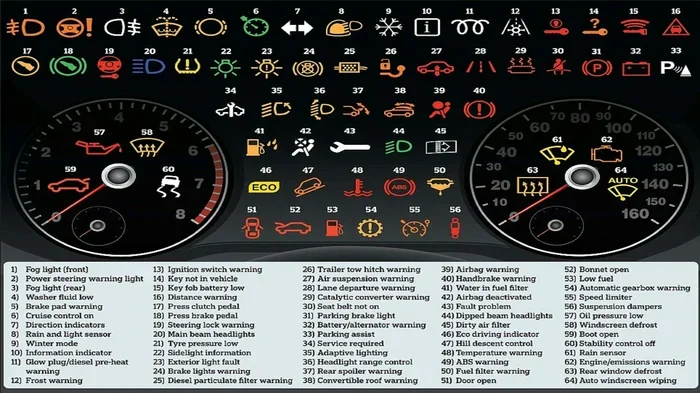
Understanding your dashboard is the first step toward confident car ownership. Warning lights come in different colors and shapes. Green and blue lights usually mean a system is active, like your high beams. Yellow lights suggest something needs attention. Red lights often mean stop and address the issue right away. Knowing this simple color code can save you a lot of stress. We will also cover the tools you need, the methods that work, and the mistakes to avoid.
Whether you are dealing with a stubborn check engine light or a tire pressure warning that keeps coming back, this article has you covered. We will walk through every method in plain language. No jargon. No confusing tech talk. Just clear instructions that anyone can follow. Let us dive in and take control of those annoying dashboard lights.
Key Takeaways
- OBD-II Scanners Are the Easiest Way: A diagnostic scanner lets you read and clear fault codes quickly and accurately.
- Manual Resets Work for Some Lights: Disconnecting the battery or turning the ignition can reset certain dashboard warnings.
- Not All Lights Should Be Ignored: Some warning lights like the oil pressure or brake warning need urgent attention before resetting.
- Address the Root Cause First: Clearing a light without fixing the underlying issue will just bring it back.
- Free Diagnostics Exist: Many auto parts stores offer free diagnostic checks to help identify the problem.
- Reset Procedures Vary by Car: Different vehicles have different steps, so always check your owner’s manual.
📑 Table of Contents
- Understanding Your Car Warning Lights
- Tools You Need to Reset Warning Lights
- Method 1: Using an OBD-II Scanner
- Method 2: The Battery Disconnect Method
- Method 3: The Ignition Cycle Method
- Method 4: Using the Fuse Box
- When You Should NOT Reset a Warning Light
- Common Mistakes When Resetting Warning Lights
- Expert Tips for Preventing Warning Light Issues
- When to See a Professional Mechanic
- Final Thoughts on Resetting Car Warning Lights
Understanding Your Car Warning Lights
Before you learn how to reset anything, you need to understand what the lights are telling you. Warning lights are your car’s way of communicating. Each symbol has a specific meaning. Ignoring them or resetting them without understanding the cause can lead to bigger problems down the road.
The Color Code Matters
Car manufacturers use a simple color system. Here is what each color typically means:
- Red Warning Lights: These are urgent. Think oil pressure, brake system, or airbag warnings. Pull over safely and check your vehicle.
- Yellow or Amber Lights: These mean something needs attention soon. The check engine light often falls in this category.
- Green or Blue Lights: These are informational. They tell you a system is active, like cruise control or high beams.
Common Warning Lights You Will See
Some warning lights show up more often than others. Here are the ones you are most likely to encounter:
- Check Engine Light: This is the most common. It can mean anything from a loose gas cap to a serious engine problem.
- Tire Pressure Warning: This light looks like a horseshoe with an exclamation mark. It means one or more tires are underinflated.
- Oil Pressure Warning: This looks like an oil can. It means your oil level or pressure is too low.
- Battery Warning: This looks like a battery icon. It signals a charging system issue.
- ABS Warning Light: This means your anti-lock braking system has a problem.
- Airbag Warning: This indicates a fault in the supplemental restraint system.
When a warning light stays on, it is your car asking for help. Before you try to reset it, figure out what it is trying to say. If you are unsure, consider getting a free diagnostic at your local auto parts store. Many places like AutoZone or O’Reilly offer this service at no cost.
Tools You Need to Reset Warning Lights
Resetting warning lights does not require a garage or a mechanic degree. You do need the right tools, though. Here is what you should have on hand before you start.
OBD-II Scanner
An OBD-II scanner is the most important tool for this job. OBD stands for On-Board Diagnostics. This device plugs into your car’s diagnostic port and reads fault codes. Think of it as a translator between your car’s computer and you. Most scanners cost between $20 and $100. You can buy one at any auto parts store or online.
Higher-end scanners give you more details. They can show live data, freeze-frame information, and pending codes. But even a basic scanner will get the job done for most resets. Some scanners even clear codes right from the device screen.
Basic Hand Tools
For manual reset methods, you will need a few basic tools:
- A wrench or socket set for disconnecting the battery
- A fuse puller or small pliers
- A clean cloth for cleaning connections
- Your car’s owner manual
Having these tools ready will make the process smooth and stress-free. You will not be scrambling to find what you need in the middle of the job.
Method 1: Using an OBD-II Scanner
This is the most reliable and recommended method. It works on almost every car made after 1996. Here is how to do it step by step.
- Locate the OBD-II Port: This port is usually under the dashboard on the driver’s side. It is a small, trapezoid-shaped plug. In some cars, it may be hidden behind a cover panel.
- Plug in the Scanner: Connect the scanner to the port. The car’s computer will power on the device automatically.
- Turn the Ignition to On: Do not start the engine. Just turn the key to the “on” position or press the start button without pressing the brake.
- Read the Fault Codes: Follow the scanner’s instructions to display the codes. Write them down or take a photo with your phone.
- Research the Codes: Look up each code online or in the scanner’s database. This tells you exactly what is wrong.
- Clear the Codes: Use the scanner’s menu to erase the codes. The warning light should turn off after this step.
Once you clear the codes, take your car for a short test drive. The computer needs to recheck all systems. If the problem is fixed, the light will stay off. If it comes back, there is still an underlying issue that needs fixing. In that case, you may want to visit a mechanic or check if you can get a free diagnostic for your car at a nearby store.
Method 2: The Battery Disconnect Method
This method works by draining the car’s computer memory. It resets all warning lights and erases stored fault codes. It is simple but comes with some caveats.
Step-by-Step Instructions
- Park the Car Safely: Turn off the engine and remove the key from the ignition.
- Open the Hood: Locate the battery. Most cars have the battery in the engine bay.
- Disconnect the Negative Terminal: Use a wrench to loosen the nut on the negative battery cable (black cable). Pull the cable off the battery post and tuck it away so it cannot touch the terminal.
- Wait 15 to 30 Minutes: This allows the car’s computer to fully discharge. Some people wait longer for good measure.
- Reconnect the Battery: Put the cable back on the terminal and tighten the nut securely.
- Start the Car: Turn the ignition on and let the car idle for a minute. Check if the warning lights are off.
This method is effective but it also resets other settings. Your radio presets, clock, and power window calibration may need to be reset too. Some cars may also need a relearn procedure for the idle speed. Always keep your owner’s manual handy for these details.
When This Method Does Not Work
The battery disconnect method does not work on all vehicles. Some newer cars have systems that retain fault codes even after a battery disconnect. If this happens to you, the OBD-II scanner method is your best bet. Also, never disconnect the battery if your car has a sensitive electronic system that might lose its programming.
Method 3: The Ignition Cycle Method
Some warning lights can be reset by simply cycling the ignition. This method works for certain models, especially for maintenance lights like the oil change reminder.
How to Do It
- Turn the Ignition to On: Do not start the engine. Just power on the electrical systems.
- Press the Gas Pedal Three Times: Quickly press and release the gas pedal three times within five seconds.
- Check the Dashboard: The warning light may flash and then turn off.
- Start the Engine: If the light is off, the reset was successful.
This method varies widely by car make and model. Some vehicles require holding the trip meter reset button while turning the key. Others need a specific sequence of button presses. Your owner’s manual will have the exact steps for your vehicle.
Method 4: Using the Fuse Box
Some cars allow you to reset warning lights by removing a specific fuse. This method is less common but can be useful in certain situations.
Here is how it works:
- Find the Fuse Box: Check your owner’s manual for the location. Most cars have one under the hood and one inside the cabin.
- Identify the Correct Fuse: Look for the fuse labeled “ECM” or “Engine Control Module.” Removing this fuse cuts power to the car’s computer.
- Remove the Fuse: Use a fuse puller to carefully pull out the fuse.
- Wait a Few Minutes: Let the computer fully reset.
- Reinsert the Fuse: Put the fuse back in and start the car.
Be careful with this method. Removing the wrong fuse can cause other issues. If you are not sure which fuse to remove, stick with the OBD-II scanner or battery disconnect methods instead.
When You Should NOT Reset a Warning Light
This is one of the most important parts of this guide. Not every warning light should be reset right away. Some lights mean there is a real problem that needs immediate attention. Resetting these lights without fixing the issue is dangerous and can cause further damage.
Warning Lights You Should Never Ignore
- Oil Pressure Light: If this red light comes on, stop driving immediately. Low oil pressure can destroy your engine within minutes.
- Brake System Warning: This could mean your brake fluid is low or your brakes are failing. Get your car checked right away.
- Engine Temperature Warning: An overheating engine can cause catastrophic damage. Pull over and let the car cool down.
- Airbag Warning: A faulty airbag system means your airbags may not deploy in a crash. This is a serious safety issue.
If any of these lights are on, do not try to reset them. Instead, get your car to a mechanic as soon as possible. Driving with these warnings active puts you and others at risk. Sometimes a warning light comes on because of something simple, like a loose gas cap. Other times it signals a serious mechanical failure. The key is to diagnose before you reset.
Driving with a Warning Light On
You might wonder if it is safe to drive with certain warning lights on. For example, some people ask, can you drive a car with a blown head gasket? The answer is technically yes, but it is not recommended. A blown head gasket can cause coolant loss, overheating, and engine damage. Similarly, if you are wondering about other car issues, like can you drive a car without a muffler, the answer is yes for short distances, but it affects noise levels and emissions.
The general rule is simple. If the light is red, stop and investigate. If the light is yellow, get it checked soon. If the light is green or blue, it is usually just informational. Always use your best judgment and prioritize safety above all else.
Common Mistakes When Resetting Warning Lights
Even with good intentions, people make mistakes when resetting dashboard lights. Here are the most common ones to avoid.
Resetting Without Fixing the Problem
This is the number one mistake. You clear the code, the light goes off, and you feel relieved. But two days later, the light comes back. Why? Because the root cause was never addressed. Always diagnose the issue first. Use your scanner to read the codes. Then fix the actual problem before clearing anything.
Using the Wrong Reset Method
Not every car responds to the same reset method. The battery disconnect might work on a Honda but not on a BMW. The ignition cycle might work on a Toyota but not on a Ford. Always check your owner’s manual or look up the specific procedure for your car model. Using the wrong method can sometimes trigger more problems than it solves.
Ignoring Pending Codes
OBD-II scanners show two types of codes: active and pending. Pending codes are early warnings. They mean something is starting to go wrong but has not triggered the check engine light yet. If you clear pending codes without fixing the issue, they will become active codes quickly. Always address pending codes seriously.
Disconnecting the Battery on Modern Cars
Newer vehicles have complex computer systems. Disconnecting the battery can cause issues with the infotainment system, power windows, and even the transmission learn cycle. On modern cars, the OBD-II scanner method is almost always the better choice. It clears codes without wiping other settings.
Expert Tips for Preventing Warning Light Issues
Prevention is always better than cure. Here are some expert tips to keep your dashboard warning lights off and your car running smoothly.
- Check Your Gas Cap: A loose or damaged gas cap is the number one cause of a check engine light. Make sure it clicks tight after every fill-up.
- Keep Up with Oil Changes: Regular oil changes prevent oil pressure warnings and keep your engine healthy.
- Monitor Tire Pressure: Check your tire pressure monthly. Underinflated tires trigger the tire pressure warning light and reduce fuel efficiency.
- Address Small Issues Early: A small problem today becomes a big repair tomorrow. Do not ignore early warning signs.
- Use Quality Fuel: Cheap or contaminated fuel can trigger multiple warning lights. Stick with reputable gas stations.
- Read Your Owner’s Manual: It contains valuable information about every warning light and the recommended reset procedure for your specific model.
These simple habits will save you time, money, and stress. They also extend the life of your vehicle. A well-maintained car rarely has unexpected warning light issues.
When to See a Professional Mechanic
There are times when resetting the light yourself is not enough. You should see a professional mechanic in these situations:
- The warning light is red and flashing
- You have checked the basics (gas cap, oil level, tire pressure) and the light persists
- You have cleared the codes but they return within a few days
- Your car is showing multiple warning lights at once
- You notice other symptoms like strange noises, reduced power, or poor fuel economy
A professional mechanic has advanced diagnostic tools and years of experience. They can pinpoint problems that a basic scanner might miss. If you are unsure, it is always better to get a second opinion. Many mechanics offer free estimates for common issues. And if you are worried about cost, remember that some places offer free diagnostics to help you understand what is going on.
Sometimes the issue is simple and affordable. Other times it requires more work. Either way, knowing the truth is better than guessing. A professional inspection gives you peace of mind and keeps you safe on the road.
Final Thoughts on Resetting Car Warning Lights
Resetting the warning lights on a car is a skill every driver should have. It saves time, money, and the hassle of visiting a mechanic for minor issues. With an OBD-II scanner, a few basic tools, and the knowledge in this guide, you can handle most dashboard warnings yourself. Just remember to diagnose first, reset second, and always address the root cause.
Not every warning light is something to panic about. But every warning light deserves your attention. Use the color code to gauge urgency. Use the right reset method for your vehicle. And when in doubt, trust a professional. Your car communicates with you through those lights. Learning to listen is one of the best things you can do as a car owner.
Keep this guide bookmarked for the next time a warning light shows up on your dash. You will know exactly what to do. And you will handle it with confidence. Safe driving and happy troubleshooting.
Frequently Asked Questions
Can I reset the check engine light myself at home?
Yes, you can reset the check engine light at home using an OBD-II scanner or by disconnecting the battery. The scanner method is the most reliable and recommended approach. Just make sure you address the underlying issue first so the light does not come back.
How much does it cost to reset a warning light?
If you use an OBD-II scanner, the cost is just the price of the scanner, which ranges from $20 to $100. Many auto parts stores also offer free diagnostic scanning and code clearing services. Professional mechanic fees for a diagnostic check typically range from $50 to $150.
Will resetting a warning light fix the problem?
No, resetting the light only clears the code and turns off the dashboard indicator. It does not fix the underlying problem. You need to diagnose and repair the actual issue to prevent the light from coming back.
How long does it take to reset a car warning light?
Using an OBD-II scanner takes about 10 to 15 minutes including reading and clearing codes. The battery disconnect method requires waiting 15 to 30 minutes for the computer to fully reset. The ignition cycle method takes only a few minutes but works on fewer car models.
What should I do if the warning light comes back after resetting?
If the light returns, the underlying issue was not fully resolved. Go back to your scanner and check the codes again. You may need a more thorough diagnosis or a visit to a professional mechanic. Do not keep resetting the light without addressing the root cause.
Is it safe to drive with the check engine light on?
It depends on the situation. If the light is yellow and steady, you can usually drive carefully to a service center. If the light is red or flashing, stop driving immediately and seek help. A flashing check engine light often indicates a serious misfire that can damage the catalytic converter.
=== CONCLUSION ===
Knowing how to reset the warning lights on a car today gives you confidence and independence as a driver. Whether you use an OBD-II scanner, disconnect the battery, or cycle the ignition, the key is to always diagnose the issue first. Resetting without understanding the cause just leads to the same light coming back again. Use the methods in this guide, follow the safety tips, and trust your instincts. Your dashboard is trying to talk to you. Now you know how to listen and respond the right way.