How Do I Get The Service Engine Soon Light To Go Off
The Service Engine Soon Light is one of the most common dashboard warnings drivers face. It can be triggered by something as simple as a loose gas cap or as serious as a failing catalytic converter. This guide walks you through every step to diagnose, fix, and reset the light safely. You will learn what the light means, which tools you need, and when to visit a repair shop.
The Service Engine Soon Light can pop up on your dashboard at the worst possible moment. One minute you are driving along just fine, and the next, that little yellow engine icon is staring back at you. It is easy to panic, but most of the time, the issue is not a catastrophe. Understanding what triggers this light and how to address it can save you hundreds of dollars and a lot of stress.
Many drivers ignore the Service Engine Soon Light for weeks or even months. That is a mistake. What starts as a minor issue, like a loose fuel cap, can snowball into a much bigger problem if left unchecked. The engine warning light is your car’s way of telling you something needs attention. The sooner you respond, the better off your vehicle will be.
This article covers everything you need to know. We will break down the common causes, the tools you need for diagnosis, and step-by-step fixes you can do at home. We will also cover when it is time to visit a repair shop and how to properly reset the light. By the end, you will feel confident handling this common car issue.
Key Takeaways
- Loose gas caps are the #1 cause: A simple tighten often solves the problem in minutes.
- An OBD-II scanner is essential: It reads fault codes so you know exactly what is wrong.
- Not all triggers are emergencies: Some issues are minor, but ignoring the light can lead to bigger problems.
- Resetting the light is easy: You can do it at home with a scanner or by disconnecting the battery.
- Know when to see a pro: Flashing lights or performance issues mean immediate professional attention.
- Regular vehicle maintenance prevents false triggers: Routine checks keep your car running smoothly.
📑 Table of Contents
- What Does the Service Engine Soon Light Mean?
- Common Causes of the Service Engine Soon Light
- Tools You Need to Diagnose the Light
- Step-by-Step Guide to Fixing the Light
- When to See a Professional Mechanic
- Preventing the Service Engine Soon Light from Returning
- Expert Insights on Dashboard Warning Lights
- Conclusion
What Does the Service Engine Soon Light Mean?
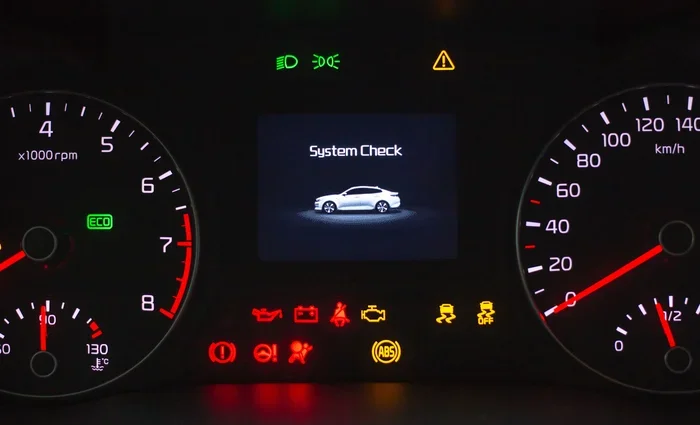
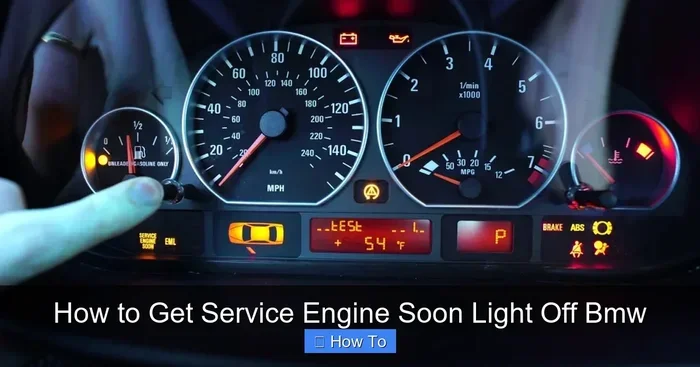
The Service Engine Soon Light is part of your vehicle’s onboard diagnostics system. When the car’s computer detects something outside normal operating parameters, it triggers this warning. The light is often yellow or orange and features an engine silhouette.
How the Diagnostics System Works
Your car has an Engine Control Module (ECM) that monitors dozens of sensors. These sensors track everything from fuel mixture to exhaust emissions. When a sensor reads data that falls outside acceptable limits, the ECM stores a diagnostic trouble code (DTC). The Service Engine Soon Light then illuminates to alert you.
The system is designed to catch problems early. For example, if your oxygen sensor starts sending inaccurate readings, the ECM flags it immediately. This early detection helps prevent minor issues from turning into expensive repairs. Think of the light as your car’s early warning system.
Service Engine Soon vs. Check Engine Light
Many people use the terms “Service Engine Soon” and “Check Engine” interchangeably. In most cases, they refer to the same system. However, some manufacturers use “Service Engine Soon” to indicate scheduled maintenance is due. A check engine light typically signals an actual problem.
The key difference lies in the trigger. A maintenance-related service light comes on based on mileage or time intervals. A check engine light triggered by a fault code means something is actively wrong. If you are unsure which one you have, an OBD-II scanner will read the code and tell you exactly what is going on.
Common Causes of the Service Engine Soon Light
Understanding the most common triggers helps you narrow down the problem quickly. Some causes are simple fixes you can handle yourself. Others require professional tools and expertise.
Loose or Faulty Gas Cap
A loose fuel cap is the single most common reason the Service Engine Soon Light comes on. The cap seals the fuel system and prevents fuel vapors from escaping. When it is loose or damaged, the system detects a leak and triggers the light.
This is an easy fix. Simply tighten the cap until you hear it click. If the cap is cracked or worn, replace it. The light usually turns off after a few drive cycles. This is one of those vehicle maintenance tasks that takes less than a minute.
Oxygen Sensor Failure
The oxygen sensor measures unburned oxygen in your exhaust. It helps the ECM adjust the fuel mixture for optimal performance. When the sensor fails, your engine may run rich or lean, which reduces fuel economy and increases emissions.
A faulty oxygen sensor is a common trigger for the engine warning light. Replacement costs vary but typically range from $200 to $350. Ignoring this issue can lead to damage to your catalytic converter, which is a much more expensive repair.
Catalytic Converter Issues
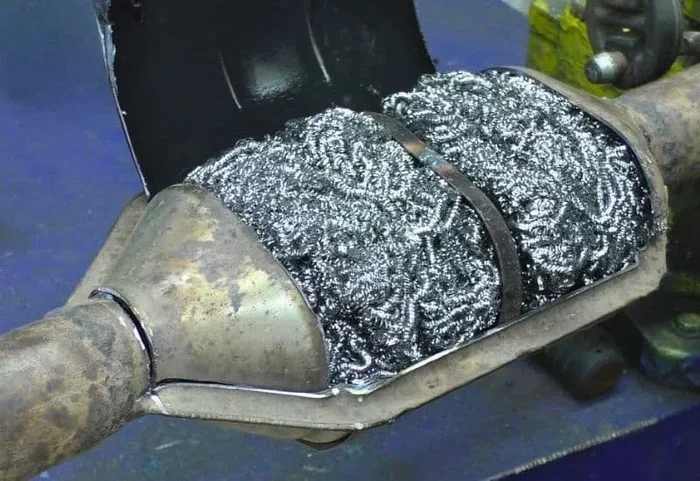
The catalytic converter reduces harmful emissions by converting toxic gases into less harmful ones. When it fails, the Service Engine Soon Light almost always comes on. Other symptoms include reduced engine performance and a rotten egg smell from the exhaust.
Catalytic converter problems are serious. They can be caused by a failing oxygen sensor, engine misfires, or fuel contamination. If you suspect a converter issue, get it checked right away. Driving with a damaged converter can lead to engine damage over time.
Ignition Coil and Spark Plug Problems
Your engine relies on ignition coils and spark plugs to ignite the fuel-air mixture. When one fails, the engine misfires. Misfires send unburned fuel into the exhaust system, which triggers the check engine light.
Common signs include rough idling, hesitation during acceleration, and decreased fuel economy. Replacing spark plugs is relatively affordable. Ignition coils cost a bit more but are still manageable. Regular engine maintenance like replacing spark plugs on schedule prevents these issues.
Mass Airflow Sensor Malfunction
The mass airflow sensor (MAF) measures the amount of air entering the engine. The ECM uses this data to deliver the correct fuel amount. A dirty or failing MAF sensor causes poor fuel economy, rough idling, and stalling.
Cleaning the MAF sensor with a specialized cleaner often fixes the problem. If cleaning does not work, replacement is usually straightforward. This is another component where routine car diagnostic checks can catch issues before the light comes on.
Emission System Faults
The emission system controls the pollutants your car releases. It includes the catalytic converter, EGR valve, and various sensors. When any part of this system fails, the Service Engine Soon Light activates.
Emission system faults can be tricky to diagnose because multiple components interact. An OBD-II scanner helps pinpoint the specific fault code causing the issue. Addressing emission problems promptly is important for passing inspections and keeping your car running cleanly.
Tools You Need to Diagnose the Light
Diagnosing the Service Engine Soon Light starts with the right tools. You do not need to be a mechanic to get started. A few basic tools can take you far.
OBD-II Scanner
An OBD-II scanner is the most important tool for diagnosing engine lights. This device plugs into your car’s diagnostic port, usually located under the dashboard on the driver’s side. It reads the diagnostic trouble codes stored in the ECM.
Basic scanners cost between $20 and $60. More advanced models offer live data streaming and code definitions. Some scanners even clear codes and reset the light. If you visit a repair shop, they will likely use a professional-grade scanner, but a basic one works perfectly for most DIYers.
Digital Multimeter
A digital multimeter helps you test electrical components like sensors and circuits. It measures voltage, resistance, and continuity. This tool is helpful when you want to verify sensor readings or check for wiring issues.
You do not need an expensive multimeter for basic diagnostics. A mid-range digital multimeter costs around $30 and handles most tasks. It pairs well with an OBD-II scanner for a complete diagnostic picture.
Basic Hand Tools
Sometimes the fix is mechanical rather than electronic. Keep a basic set of wrenches, screwdrivers, and pliers in your garage. You may need to remove a sensor, tighten a connection, or access a hard-to-reach component.
Having the right hand tools on hand makes repairs faster and easier. A socket set and a torque wrench are especially useful. These tools also come in handy for general vehicle maintenance tasks.
Step-by-Step Guide to Fixing the Light
Once you have your tools, you can start diagnosing and fixing the problem. Follow these steps for a systematic approach.
Step 1: Check the Gas Cap
Before you do anything else, check your fuel cap. Remove it and inspect it for cracks or damage. Tighten it firmly until it clicks. This simple step resolves the issue in many cases. Drive for a few days and see if the light goes off on its own.
Step 2: Read the Diagnostic Codes
Plug your OBD-II scanner into the diagnostic port. Turn the ignition to the “on” position (do not start the engine). Follow the scanner’s instructions to read the stored codes. Write down each code and look up its meaning in the scanner’s manual or online.
Each fault code gives you a starting point for diagnosis. For example, a P0420 code points to a catalytic converter efficiency issue. A P0301 code indicates a misfire in cylinder one. Understanding these codes helps you focus your efforts.
Step 3: Inspect the Relevant Components
Based on the codes you read, inspect the corresponding components. If the code points to an oxygen sensor, locate it and check the wiring and connector. Look for frayed wires, corrosion, or loose connections.
For ignition-related codes, remove the spark plugs and inspect them for wear or fouling. Check the ignition coils for cracks or carbon tracking. Use your multimeter to test sensors if you are comfortable doing so.
Step 4: Make the Repair
Once you identify the faulty component, make the repair. Replace worn spark plugs, clean the MAF sensor, or swap out a bad oxygen sensor. Most of these repairs are straightforward and come with detailed instructions in your vehicle’s service manual.
Take your time and follow the instructions carefully. Use the right parts for your specific vehicle model. After completing the repair, clear the codes with your scanner and take the car for a test drive.
Step 5: Reset the Service Engine Soon Light
After fixing the problem, you need to reset the Service Engine Soon Light. The easiest method is using your OBD-II scanner. Most scanners have a “clear codes” function that erases the stored trouble codes and turns off the light.
Another method is disconnecting the car battery for 15 minutes. This resets the ECM and clears minor codes. However, this method also resets other settings like radio presets and clock time. If the underlying problem is not fixed, the light will return.
Quick Tips for Resetting the Light
- Always fix the root cause before resetting the light.
- Drive for several days after resetting to see if the light returns.
- If the light comes back immediately, the problem is not fully resolved.
- A scanner is more reliable than disconnecting the battery for resetting.
- Keep a record of the codes and repairs for future reference.
When to See a Professional Mechanic
Not every Service Engine Soon Light issue is a DIY fix. Some problems require professional tools and expertise. Knowing when to seek help saves time and prevents costly mistakes.
Flashing Service Engine Soon Light
A flashing light is more serious than a steady light. A flashing engine warning light usually indicates a severe misfire that can damage the catalytic converter. If your light is flashing, reduce your speed and avoid heavy acceleration. Get to a repair shop as soon as possible.
Flashing lights should never be ignored. Continuing to drive with a flashing light can lead to catalytic converter failure, which can cost over $1,000 to replace. Pull over safely if the light starts flashing and call for assistance.
Multiple Warning Lights
If the Service Engine Soon Light appears alongside other warnings, take your car in immediately. Multiple warning lights suggest a systemic issue that needs professional diagnosis. Do not attempt to drive long distances with multiple dashboard warnings active.
Persistent Light After Repairs
Sometimes the light stays on even after you have made repairs. This can happen if the fault code was not fully cleared or if there are multiple issues. A professional mechanic has advanced diagnostic equipment that can identify hidden problems.
If you have tried the fixes above and the light persists, it is time to visit a shop. A professional car diagnostic session can uncover issues that basic scanners might miss. This is especially true for intermittent problems that come and go.
Cost Considerations for Professional Diagnostics
Many repair shop locations offer free or low-cost diagnostics. Some auto parts stores will read your codes for free. However, they may not provide the full analysis you need. A professional diagnostic session typically costs between $80 and $150. This investment can save you from buying the wrong parts or making unnecessary repairs.
Preventing the Service Engine Soon Light from Returning
Once you have resolved the issue, you want to keep the Service Engine Soon Light off for good. Preventive vehicle maintenance is the key.
Follow Your Maintenance Schedule
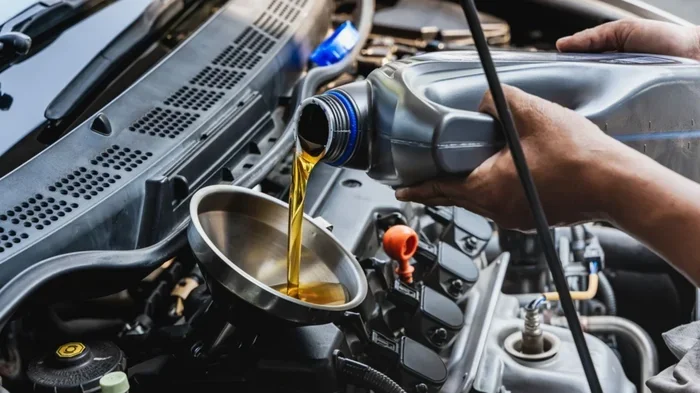
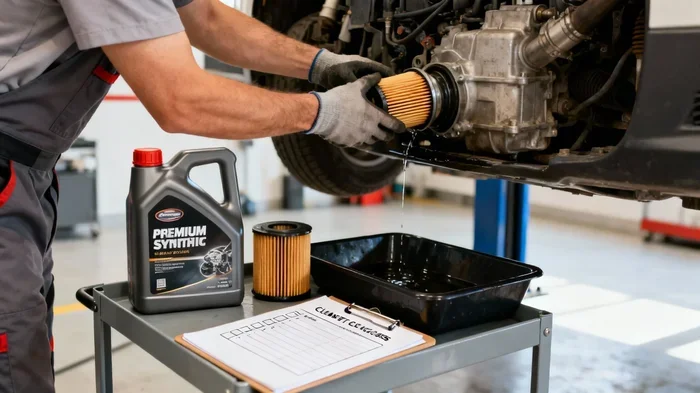
Stick to the maintenance schedule in your vehicle’s owner manual. Regular oil changes, spark plug replacements, and air filter changes keep your engine running smoothly. Neglecting maintenance is one of the leading causes of engine warning light triggers.
Use Quality Fuel and Parts
Cheap fuel can contain contaminants that damage sensors and emission components. Use fuel from reputable stations and always use the recommended grade for your vehicle. Similarly, invest in quality replacement parts. Cheap sensors and spark plugs may fail sooner, triggering the light again.
Address Small Issues Promptly
Do not ignore small symptoms like slight roughness at idle or minor fuel economy drops. These can be early signs of problems that trigger the Service Engine Soon Light. Addressing them quickly prevents them from escalating into bigger issues.
Keep Your Diagnostic Tools Handy
Owning an OBD-II scanner at home is a smart investment. It lets you monitor your car’s health between service visits. You can catch problems early and sometimes fix them before the light even comes on. Regular scanning is a great habit for any car owner.
Expert Insights on Dashboard Warning Lights
Experienced mechanics agree that the Service Engine Soon Light is often misunderstood. Here are some expert insights to keep in mind.
Many drivers assume the light means their car is about to break down. In reality, the light often signals minor issues that are easy and inexpensive to fix. The key is to respond promptly rather than ignore it.
Mechanics also emphasize the importance of not clearing the light without fixing the underlying problem. Simply resetting the Service Engine Soon Light without addressing the cause will only lead to the light returning. The code stored in the ECM exists for a reason. It is pointing you toward the real problem.
Finally, experts recommend keeping a log of any codes you encounter and how you resolved them. This record is invaluable for future diagnostics and can help your mechanic diagnose problems faster during service visits.
Conclusion
The Service Engine Soon Light does not have to be scary. Most of the time, it signals a fixable problem that costs little to resolve. By understanding what triggers the light and how to diagnose it, you take control of your vehicle maintenance. A simple OBD-II scanner and a few basic tools can handle the majority of issues.
Remember to check the fuel cap first, read the diagnostic codes, and address the root cause before resetting the light. Know when to seek professional help for serious issues like flashing lights or persistent problems. With the right approach, you can keep your car running smoothly and avoid costly repairs down the road.
Taking action when the Service Engine Soon Light comes on is the best thing you can do for your vehicle. It protects your engine, saves fuel, and keeps you safe on the road. Do not wait for a small warning to become a big problem.
Frequently Asked Questions
Can I drive my car with the Service Engine Soon Light on?
In most cases, you can drive a short distance with a steady Service Engine Soon Light. However, if the light is flashing, you should stop driving immediately and seek assistance. A flashing light indicates a serious issue like an engine misfire that can damage your catalytic converter.
How much does it cost to fix the Service Engine Soon Light?
The cost varies widely depending on the cause. A loose fuel cap costs nothing to fix. Oxygen sensor replacement typically runs $200 to $350, while catalytic converter repairs can exceed $1,000. Getting a proper diagnosis first helps you budget for the right repair.
Will the Service Engine Soon Light turn off by itself?
Sometimes the light will turn off on its own if the issue was temporary, like a loose cap. However, if the problem persists, the light will stay on or return. It is best to diagnose and fix the issue rather than waiting for it to resolve on its own.
Can I use a free OBD-II scanner at auto parts stores?
Yes, many auto parts stores offer free code reading with their OBD-II scanner. This is a great first step to understanding what triggered the engine warning light. However, they may not provide the full analysis or repair guidance that a paid scanner or mechanic would offer.
How do I know if the Service Engine Soon Light is serious?
A steady light usually indicates a non-emergency issue, while a flashing light signals a serious problem. Other warning signs like reduced power, unusual noises, or fluid leaks suggest a more urgent situation. When in doubt, visit a repair shop for a professional car diagnostic.
Can a bad battery trigger the Service Engine Soon Light?
Yes, a weak or dying battery can cause voltage irregularities that trigger the Service Engine Soon Light. If you recently had battery issues and the light appeared, have your charging system tested. Replacing a failing battery often resolves the issue and clears the fault code.
=== META TITLE ===
How to Get the Service Engine Soon Light Off – Easy Guide
=== URL SLUG ===
how-do-i-get-the-service-engine-soon-light-to-go-off
=== INTERNAL LINKS USED ===
If you are not sure what is triggering your Service Engine Soon Light, you can visit a local shop for a free car diagnostic. Many drivers also wonder whether they can handle repairs themselves, which is why reprogramming your ECM is a topic worth exploring. Similarly, if you notice other warning lights like the AWD indicator, check out can I drive if my AWD light is on for more guidance on dashboard warnings.