How Do I Check If My Starter Motor Is Bad Right Now
A failing starter motor can leave you stranded, but you can diagnose the problem yourself with a few simple tools and tests. This guide walks you through every step to check if your starter motor is bad, from recognizing warning signs to performing a full starter motor diagnosis at home. You will learn what to listen for, what to measure, and when it is time to replace the part before it leaves you stuck.
There is nothing more frustrating than turning your key and hearing nothing but silence. Or worse, a rapid clicking sound that tells you something is wrong but not exactly what. If your car will not start, the starter motor is often the first suspect. But how do you really know if your starter motor is bad? You do not need to be a mechanic to find out. With a few basic tools and a little know-how, you can run a starter motor diagnosis right in your driveway.
This guide will show you exactly how to check if your starter motor is bad right now. We will cover the most common starter motor symptoms, the tools you need, and the step-by-step tests that separate a simple fix from a full replacement. Whether your engine cranks slowly, makes a grinding noise, or refuses to turn over at all, you will find the answers here.
Before we dive in, let us talk about what the starter motor actually does. Understanding the basics makes the testing process much easier to follow. Think of the starter motor as the engine’s ignition helper. It spins the engine just enough to get it running on its own. Without it, your car simply will not start, no matter how healthy the rest of the engine is.
Key Takeaways
- Listen for clicking or grinding noises: These are the most common signs of a bad starter motor and can help you pinpoint the problem fast.
- Test with a multimeter: You can check voltage and current draw at the starter to confirm whether it is failing or working properly.
- Rule out the battery first: Many starter motor symptoms mimic battery problems, so always test the battery before replacing the starter.
- Check the solenoid and connections: A faulty starter relay or corroded electrical connections can cause the same symptoms as a bad starter.
- Know when to call a pro: If the starter motor tests show internal damage, replacement is usually the safest and most cost-effective fix.
📑 Table of Contents
- What Does a Starter Motor Do?
- Common Starter Motor Symptoms
- How to Test Your Starter Motor Step by Step
- Starter Motor vs. Battery: Telling Them Apart
- Starter Motor Replacement Cost and DIY Considerations
- Preventing Starter Motor Problems
- When It Is Safe to Keep Driving
- Final Thoughts on Starter Motor Diagnosis
What Does a Starter Motor Do?
The starter motor is a small but powerful electric motor. When you turn your key or press the start button, it engages with the engine’s flywheel and cranks it over. This is what gets the combustion cycle going. The whole process happens in seconds, but many moving parts work together to make it happen.
The Role of the Starter Solenoid
Attached to the starter motor is a component called the solenoid. The solenoid acts like a switch. It pushes the starter gear forward so it can mesh with the flywheel. At the same time, it sends electrical current to the motor itself. If either the solenoid or the motor fails, your car will not start. This is why a starter motor diagnosis often involves checking both parts together.
How the Starter Motor Connects to Your Electrical System
The starter motor draws a large amount of electrical current from your battery. Heavy electrical connections carry that power from the battery terminals, through the starter relay, and into the motor. If any part of that path has corrosion or looseness, the starter may not get the power it needs. That is why checking battery terminals and wiring is always step one in any starter motor testing routine.
Common Starter Motor Symptoms
Your car usually gives you plenty of warning before a starter motor completely fails. Learning to recognize these starter motor symptoms early can save you from an unexpected breakdown. Here are the signs you should never ignore.
Clicking Noise When Starting
A single click or a rapid series of clicks is the most common sign of a failing starter. The click usually means the solenoid is trying to engage, but the motor is not spinning. Sometimes the issue is a weak starter relay. Other times, the motor brushes are worn out and can no longer turn. Either way, a clicking noise is your car telling you something needs attention.
Slow Cranking or No Crank at All
If your engine turns over very slowly or not at all, the starter motor could be struggling. A healthy starter spins the engine quickly and smoothly. When it starts to fail, the engine cranking becomes sluggish. You might notice this more in cold weather, which puts extra demand on the electrical system. However, a slow crank can also point to a weak battery, which is why testing both is essential.
Grinding or Whining Noise
A grinding sound when you turn the key is a serious warning sign. It usually means the starter gear is not meshing properly with the flywheel. This can happen when the solenoid is worn or when the starter motor mounts have loosened. Driving with a grinding starter can damage the flywheel, leading to a much more expensive repair. If you hear grinding, stop trying to start the car and investigate right away.
Intermittent Starting Problems
Sometimes the starter works fine one day and fails the next. Intermittent problems are tricky because they can be hard to reproduce. A loose electrical connection, a failing ignition switch, or internal wear on the motor brushes can all cause this behavior. If your car starts sometimes and not others, do not ignore it. That inconsistency often gets worse over time.
Burning Smell or Visible Smoke
A burning smell near the starter area is never normal. It usually means the motor is overheating due to a short circuit or excessive current draw. Visible smoke is an even more urgent sign. If you notice either symptom, disconnect the battery and stop attempting to start the vehicle. Continuing to crank a smoking starter can cause further damage to the electrical system.
How to Test Your Starter Motor Step by Step
Now that you know what to look for, let us walk through the actual testing process. You will need a few basic tools, and we will guide you through each one. Always disconnect the negative battery terminal before working on any electrical component.
Step 1: Check the Battery Voltage First
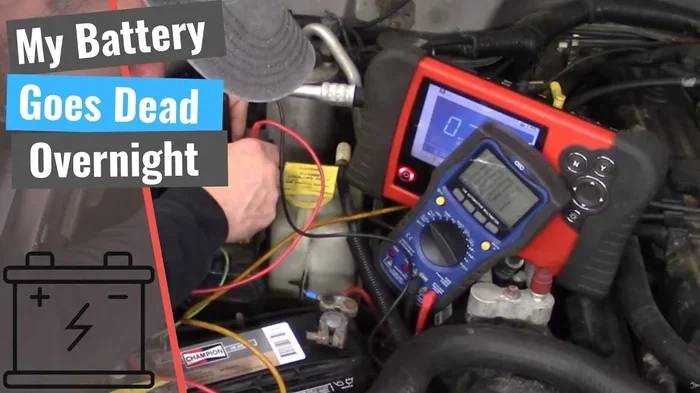
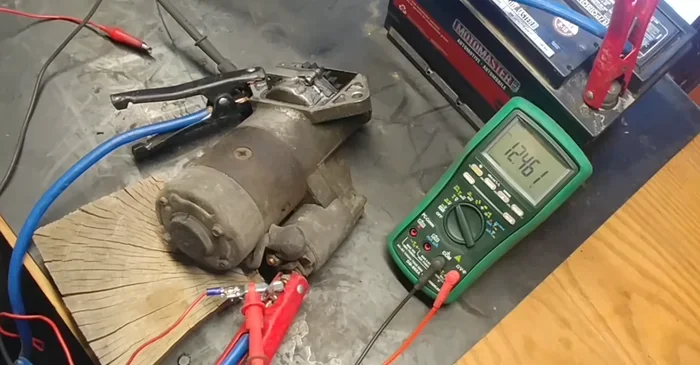
Before you blame the starter, make sure the battery is healthy. A weak battery can mimic all the symptoms of a bad starter motor. Set your multimeter to measure DC voltage and touch the probes to the battery terminals. A fully charged battery should read 12.6 volts or higher. If it reads below 12.0 volts, charge or replace the battery first and retest.
This is a crucial step because many people rush to replace their starter only to discover the real problem was a dead battery. If you have been dealing with car won’t start issues, the battery is the first place to look.
Step 2: Inspect the Battery Terminals and Wiring
Corrosion on the battery terminals can block electrical flow and cause starting problems. Look for white or greenish buildup on the terminals and cable ends. Clean them with a wire brush or a mixture of baking soda and water. Also check that the cables are tight and free of fraying. Loose or damaged wiring can prevent the starter from receiving full power.
Step 3: Test the Starter Relay
The starter relay sends a signal from your ignition to the solenoid. To test it, locate the relay in your fuse box and swap it with an identical relay that works, like your horn relay. Try starting the car again. If the starter now works, the relay was the problem. This is a quick and cheap fix that many people overlook when doing starter motor testing.
Step 4: Perform a Voltage Drop Test on the Starter Circuit
A voltage drop test checks for resistance in the electrical path. Set your multimeter to measure DC voltage. Place one probe on the battery positive terminal and the other on the starter positive cable. Have someone turn the key to the start position while you watch the reading. You should see less than 0.5 volts. Higher readings indicate resistance somewhere in the wiring, which can starve the starter of power.
Step 5: Check the Starter Motor Current Draw
This test requires an amp clamp meter. Clamp it around the starter cable and have someone turn the key. A healthy starter typically draws between 60 and 150 amps, depending on the vehicle. If the draw is too low, the motor brushes may be worn. If the draw is too high, the motor may be mechanically seized. Either condition points to a bad starter motor that needs replacement.
Step 6: Listen and Feel During Cranking
Sometimes the best test is the simplest one. Have a friend turn the key while you press your ear close to the starter. You should hear a steady, strong hum. A grinding, buzzing, or silent start tells you something is wrong. You can also gently tap the starter with a rubber mallet while someone tries to start the car. If it starts after tapping, the internal brushes are likely stuck or worn. This is a classic trick mechanics use for starter motor diagnosis.
Starter Motor vs. Battery: Telling Them Apart
One of the biggest challenges with starter motor symptoms is that they overlap heavily with battery problems. Both can cause a slow crank or no-start condition. So how do you tell the difference? The key is in the details of the symptoms and the testing results.
If your lights and accessories work normally but the engine will not crank, the battery is probably fine and the starter is the suspect. If your lights dim dramatically when you try to start, the battery may be the real culprit. The voltage drop test and current draw test described above will give you clear answers. Always test the battery first, because replacing a starter when the battery was the problem is an expensive mistake you do not want to make.
Keep in mind that both components age together. A weak battery puts extra strain on the starter motor. Over time, this can cause premature starter failure. If your battery is more than three years old and you are seeing starting problems, it is worth testing both components at the same time.
Starter Motor Replacement Cost and DIY Considerations
When testing confirms that your starter motor is bad, you need to decide between replacing it yourself or paying a mechanic. The starter motor replacement cost varies depending on your vehicle and where you live, but understanding the options helps you make the best decision.
What to Expect for Professional Replacement
A mechanic will typically charge between 300 and 500 dollars for a starter motor replacement, including parts and labor. The cost is higher for vehicles where the starter is located in a hard-to-reach spot. Some luxury vehicles and trucks have starter motors that require removing other components to access them, which adds labor time and expense.
Can You Replace a Starter Motor Yourself?
If you are comfortable working under your car and have basic tools, replacing a starter motor is a manageable DIY project. The job usually takes one to two hours. You will need a socket set, a torque wrench, and possibly a pry bar to remove the old unit. Before you start, make sure you have the correct replacement part for your specific vehicle model. If you are also interested in other DIY car tasks, you might enjoy learning how to program a key fob yourself or explore other starter motor repair techniques online.
When to Call a Professional Instead
There are times when professional help is the smarter choice. If the starter is located in a tight space that is difficult to access, or if you are unsure about the electrical testing, a mechanic can handle it safely. Also, if you have tried the tests and are still not confident in your diagnosis, it is worth paying for a professional inspection. A qualified technician can confirm whether you need a full starter motor replacement or if a simpler fix will do the job.
Preventing Starter Motor Problems
The best way to deal with a bad starter motor is to prevent problems before they start. Regular maintenance and smart driving habits can extend the life of your starter and keep your car starting reliably every time.
Keep Your Battery Healthy
A strong battery reduces the strain on your starter motor. Check your battery voltage regularly and replace it every three to five years. Clean the terminals and ensure the cables are tight. A healthy battery means your starter does not have to work as hard each time you turn the key.
Turn Off All Accessories Before Starting
Headlights, air conditioning, and the audio system all draw power when the engine is off. Turning them off before starting reduces the electrical load on the starter circuit. This small habit can reduce wear on the starter relay and the motor over time.
Listen for Early Warning Signs
Do not ignore the early symptoms we discussed above. A slight click or a slower crank today can become a complete failure tomorrow. Addressing starter motor symptoms early gives you time to plan the repair and avoid getting stranded.
Avoid Cranking for Extended Periods
If your car does not start on the first try, wait at least 10 to 15 seconds between attempts. Holding the key in the start position for too long overheats the starter motor. Repeated long cranking sessions can damage the internal brushes and windings, leading to premature failure.
When It Is Safe to Keep Driving
Once you have confirmed that your starter motor is bad, you might wonder whether it is safe to drive the car at all. In most cases, a bad starter motor will not cause damage while driving because the starter only engages when the engine is off. However, if the solenoid is sticking and the starter gear is partially engaged, it can cause grinding damage to the flywheel while you drive. If you notice grinding while driving, have the car towed to a shop rather than continuing to drive it.
Similarly, if your car has electrical warning lights on, you may want to check whether those are related to the starting issue. For more information on driving with warning lights, you can read our article on can I drive if my AWD light is on. Understanding your warning lights helps you make safer decisions on the road.
Also, if you are dealing with a car that will not start and you need to move it, you might consider having it towed. Never attempt to push-start a vehicle with an automatic transmission, as this can cause serious damage to the drivetrain. For manual transmission vehicles, push-starting can work in an emergency, but it should only be a temporary solution until the starter motor is repaired or replaced.
Final Thoughts on Starter Motor Diagnosis
Checking if your starter motor is bad does not have to be intimidating. With the right approach, you can diagnose the problem yourself and save money on diagnostic fees. Start with the simple tests, rule out the battery and wiring, and work your way through the electrical checks. If the tests confirm a bad starter motor, you now know exactly what to do next.
Remember that early detection is your best friend. Catching starter motor symptoms early means you can plan the repair on your schedule instead of dealing with a surprise breakdown. Whether you replace the starter yourself or have a professional do it, the knowledge you gain from this guide puts you in control of your car’s health.
Keep this guide bookmarked for future reference. Share it with a friend who might be dealing with starting problems. And most importantly, do not ignore the warning signs. Your starter motor is telling you what it needs. The question is whether you are listening.
Frequently Asked Questions
What are the first signs of a bad starter motor?
The first signs are usually a clicking noise when you turn the key, slow cranking, or no response at all when you try to start the engine. Some people also notice a grinding sound or intermittent starting problems. These starter motor symptoms are your car’s way of telling you the starter needs attention before it fails completely.
Can a bad starter motor drain the battery?
Yes, a starter motor that is drawing too much current can slowly drain your battery, especially if you attempt to start the car multiple times without success. However, a weak battery more commonly causes car won’t start symptoms than the other way around. Always test the battery first to avoid misdiagnosis.
How long does a starter motor last?
Most starter motors last between 100,000 and 150,000 miles under normal conditions. However, frequent short trips, extreme temperatures, and a weak battery can shorten that lifespan significantly. Regular maintenance of your electrical system helps your starter motor last as long as possible.
Is it safe to drive with a bad starter motor?
Generally yes, if the starter has already failed and the car is running. The starter only engages when the engine is off. However, if the solenoid is sticking or the gear is partially engaged, it can damage the flywheel while driving. If you hear unusual noises while driving, it is safer to have the car towed to a repair shop.
What is the difference between a starter motor and a starter solenoid?
The starter motor is the electric motor that spins the engine. The solenoid is a small switch attached to the motor that pushes the starter gear into place and sends electrical current to the motor. When people say their starter motor is bad, they sometimes mean the solenoid, the motor, or both. Testing helps you identify exactly which component has failed.
How much does it cost to replace a starter motor?
The average cost ranges from 300 to 500 dollars for professional replacement, including parts and labor. DIY replacement can save you the labor charge, bringing the cost down to just the price of the part, which typically ranges from 50 to 200 dollars depending on your vehicle. Always compare the cost of replacement against the value of your vehicle before deciding.
=== CONCLUSION ===
Knowing how to check if your starter motor is bad is one of the most valuable skills you can develop as a car owner. It saves you money, time, and the stress of unexpected breakdowns. From recognizing the early starter motor symptoms to performing a full starter motor testing routine at home, this guide gives you everything you need to take action.
Start with the simple checks like battery voltage and terminal cleanliness. Move on to the relay, the solenoid, and the electrical connections. If the tests point to a bad starter motor, you have the knowledge to make an informed decision about repair or replacement. Do not wait until your car refuses to start on a cold morning. Use what you have learned here today, and take control of your car’s starting system with confidence.