Do I Need to Reset TPMS After Filling Air in Tires
Do I Need to Reset TPMS After Filling Air? The answer depends on your vehicle type and TPMS system. Some cars reset automatically once tire pressure reaches the correct level, while others require a manual reset using a button or scanner tool. Knowing your vehicle’s specific system saves time and keeps your dashboard warning light off.
Have you ever finished filling up your tires and noticed that little tire pressure warning light still glowing on your dashboard? It is frustrating, right? You just spent time making sure your tires were at the right level, and now your car is flashing at you like nothing happened. Do I Need to Reset TPMS After Filling Air? That is the question on almost every driver’s mind after they top off their tires.
The truth is, the answer depends on your vehicle and the type of system you have. Some cars handle the reset automatically, while others need a little push from you. Either way, understanding how your tire pressure monitoring system works can save you time, money, and a lot of unnecessary stress on the road. In this guide, we will walk you through everything you need to know about TPMS reset after adding air, from the basic science to step-by-step instructions you can follow right now.
Whether you are a seasoned driver or someone who just got their first car with a dashboard warning light, this article has you covered. We will break down the different types of TPMS systems, explain when you need to reset, and give you practical tips to keep your tires in great shape. By the end, you will feel confident handling your tire pressure like a pro and never second-guess that little light on your dash again.
Key Takeaways
- Not all vehicles need a manual TPMS reset: Many newer cars reset the system automatically after you inflate tires to the correct pressure.
- Locate your TPMS reset button: It is usually found under the steering column, near the gear shift, or inside the glove box.
- Check tire pressure when tires are cold: This gives the most accurate reading and prevents false warnings.
- Dead TPMS batteries cause persistent warning lights: Sensor batteries last 5 to 10 years and need replacement when they die.
- Regular tire maintenance prevents TPMS issues: Monthly pressure checks and valve stem inspections keep your system working properly.
- Know when to seek professional help: A flashing or persistent light may indicate a sensor malfunction that needs expert diagnosis.
📑 Table of Contents
- What Is TPMS and How Does It Work
- Do I Need to Reset TPMS After Filling Air
- How to Reset TPMS After Adding Air
- Common TPMS Warning Light Issues and What They Mean
- When Should You Replace Your TPMS Sensor
- Simple Tips for Maintaining Your Tire Pressure System
- Comparison: Automatic vs. Manual TPMS Reset
- Final Thoughts on TPMS Reset After Filling Air
What Is TPMS and How Does It Work
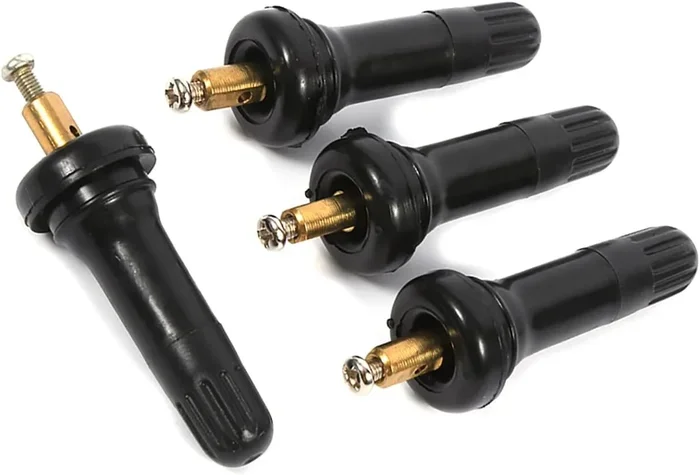
Your tire pressure monitoring system is a safety feature built into modern vehicles. It watches the air level inside your tires and alerts you when something is off. The system uses small devices called TPMS sensors that sit inside each wheel, usually attached to the valve stem. These sensors continuously measure the pressure and send data to your car’s computer.
There are two main types of direct TPMS systems used in vehicles today. The first type uses sensors inside each tire to measure pressure directly. The second type, called indirect TPMS, uses your car’s anti-lock braking sensors to detect when a tire is spinning differently than the others. A tire with low pressure has a smaller rolling radius, which causes it to spin faster than the other tires.
How the Sensor Sends Data to Your Car
Each tire pressure sensor sends a small radio signal to your car’s computer, also called the engine control module. If the pressure drops below a certain threshold, usually around 25% below the recommended level, your dashboard warning light turns on. This is your cue to check the tires and add air if needed.
The TPMS battery inside each sensor typically lasts between five and ten years. Once the battery dies, the sensor cannot send readings, and your light may stay on even if your tires are fine. This is one of the most common reasons drivers see a tire pressure warning that does not go away, even after adding air. The battery is not rechargeable, so the entire sensor unit must be replaced when it dies.
Understanding how your system works helps you troubleshoot more effectively. For example, if you notice the light comes on only in cold weather, it is likely due to air contraction inside the tires rather than a real leak. Temperature changes are a normal part of tire maintenance and do not always mean something is wrong.
Do I Need to Reset TPMS After Filling Air
So, do I need to reset TPMS after filling air? The answer is not always a simple yes or no. It depends on your vehicle make and model, the type of TPMS system installed, and how far below the recommended pressure your tires were. Some drivers add air and drive away never thinking about a reset, while others press buttons and scan for options that may not even exist on their car.
For many newer vehicles, the system resets itself once the tires reach the correct tire inflation level. You drive a few miles, and the light goes off on its own. However, older models and some specific brands require a manual TPMS reset to clear the warning. The key is knowing which category your car falls into.
When Automatic Reset Works
If your vehicle has a self-resetting system, you do not need to press any buttons. Simply inflate your tires to the recommended pressure, which you can find on the driver’s side door jamb or in your owner’s manual. Then drive at a steady speed for about 10 to 20 minutes. The system recalibrates on its own, and the light should turn off without any extra effort from you.
Many drivers do not even realize their car has an automatic reset feature. They keep pressing buttons or scanning for a reset option that does not exist. If your vehicle is from the last five to seven years, there is a good chance it resets itself. Check your owner’s manual to confirm. You can also search online for your specific vehicle model and year to find out whether it uses an automatic or manual system.
When Manual Reset Is Required
Some vehicles, especially older models or certain brands, need a manual TPMS reset procedure. In these cases, you will need to locate the TPMS reset button. This button is usually found under the steering column, near the gear shift, or inside the glove box. In some vehicles, it may be a small pinhole that requires a paperclip or a specialized tool to press.
Once you find the button, turn the ignition to the “on” position without starting the engine. Press and hold the reset button until the tire pressure light blinks three times. Then start the engine and drive for about 20 minutes while the system relearns the tire pressure levels. The light should turn off during this drive cycle.
If you are not sure whether your car needs a manual reset, your owner’s manual is the best resource. You can also search for your specific vehicle model online. Many forums and video tutorials walk you through the exact steps for recalibrating TPMS on popular car brands. Do not guess, because pressing the wrong sequence of buttons can sometimes trigger other warning lights.
Modern cars are becoming more connected every year. If you are curious about what else you can do with your vehicle’s technology, you might wonder Can I Add Apps To My Car. Many newer vehicles support apps that can monitor tire pressure directly from your phone, making the whole process even easier.
How to Reset TPMS After Adding Air
Resetting your TPMS reset system is easier than most people think. The process varies slightly depending on your vehicle, but the general steps are similar across most makes and models. Here is a detailed breakdown of how to handle it yourself at home.
Step-by-Step Reset Process
- Park your car on a flat surface and turn off the engine. Make sure the tires are cool before you check the pressure. Hot tires can give false readings that are higher than the actual pressure.
- Check the recommended pressure for your vehicle. You will find this number on a sticker inside the driver’s door frame or in your owner’s manual. Do not rely on the number printed on the tire sidewall, as that is the maximum pressure the tire can handle, not the recommended pressure for your specific vehicle.
- Use a tire pressure gauge to check each tire, including the spare. If any tire is low, use an air compressor or visit a gas station air pump to fill it to the correct level. Always add air in short bursts and recheck the pressure to avoid overinflating.
- Locate the TPMS reset button in your vehicle. Refer to your owner’s manual for the exact location. Press and hold it until you see the warning light blink.
- Start the engine and drive for 15 to 20 minutes at a moderate speed. The system will recalibrate and the light should turn off.
Using a Tire Pressure Gauge Correctly
A good tire pressure gauge is one of the most useful tools you can keep in your glove box. Digital gauges are more accurate than pencil-style ones, but both work fine for a quick tire pressure check. Make it a habit to check your pressure at least once a month, even if the light is not on. Prevention is always easier than fixing a problem after it starts.
Temperature changes can affect your tire pressure significantly. Cold weather can cause the air inside your tires to contract, dropping the pressure by one or two PSI for every 10-degree drop in temperature. This is why many drivers see their tire pressure warning light come on during winter months. If you live in an area with big seasonal temperature swings, you may need to add air more frequently during the colder months.
Quick Tips for Accurate Readings
- Always check pressure when the tires are cold for the most accurate result.
- Do not let air out of hot tires to match a cold reading. The pressure naturally increases when tires are warm.
- Keep a spare tire pressure gauge at home and one in your glove box for emergencies.
- Replace your valve stem caps after checking pressure to keep moisture and dirt out.
- Record your pressure readings in a notebook or phone app to track patterns over time.
Common TPMS Warning Light Issues and What They Mean
Not all dashboard warning lights mean the same thing. Sometimes the light comes on for reasons that have nothing to do with actual tire pressure. Understanding what your light is trying to tell you can help you avoid unnecessary trips to the shop and save money on repairs you do not need.
Light Stays On After Filling Tires
If you have filled your tires to the correct pressure and the light stays on, the most common cause is that the system has not been reset. This is exactly the situation where do I need to reset TPMS after filling air becomes relevant. Try the manual reset procedure described above and see if the light turns off after driving for 15 to 20 minutes.
Another possible cause is a dead TPMS battery. Since the sensor batteries have a limited lifespan, they need to be replaced periodically. A dead battery means the sensor cannot communicate with your car’s computer, and the light will stay on regardless of your tire pressure. Replacing the sensor battery or the entire sensor unit usually solves this problem. The cost is typically between $50 and $100 per sensor, depending on your vehicle make and model.
Light Flashes Then Stays On
A flashing tire pressure light that eventually stays solid usually indicates a malfunction in the TPMS system itself. This could mean a faulty sensor, a wiring issue, or a problem with the receiver module in your car. In this case, it is best to have a professional diagnose the issue rather than trying to fix it yourself.
Some drivers ignore a flashing light and continue driving, thinking it is just a minor sensor glitch. While you can still drive safely in most cases, a malfunctioning TPMS malfunction system means you are not getting real-time pressure monitoring. This can be a safety risk, especially on long trips or in bad weather when tire performance matters most. If your light is flashing, have it checked as soon as possible.
Dashboard warning lights can be confusing, especially when multiple lights come on at once. If you ever find yourself wondering about other warning lights, remember that Can I Drive If My Awd Light Is On is a common concern that shares the same principle. Every warning light deserves attention, even if the car still seems to drive fine.
Light Comes and Goes Intermittently
An intermittent tire pressure warning often points to a slow leak in one or more tires. The pressure drops slightly over time, triggering the light, and then goes away after you add air. If this happens regularly, inspect your tires for small punctures, worn valve stems, or poor seals between the tire and the rim.
A damaged valve stem is a very common culprit for slow leaks. The valve stem is the small protrusion on your wheel that you attach the air hose to. Over time, the rubber can crack or the internal seal can wear out, letting air escape slowly. Replacing a valve stem is inexpensive and easy, and it can save you from constantly needing to add air. Most valve stems cost less than a few dollars and take only minutes to replace.
When Should You Replace Your TPMS Sensor
Knowing when to replace your TPMS sensor can save you from repeated warning lights and unnecessary frustration. The sensor battery has a finite lifespan, and once it dies, the sensor needs to be replaced entirely. Most TPMS sensors last between five and ten years, depending on driving conditions, battery quality, and how often you use your vehicle.
Signs Your Sensor Needs Replacement
- The tire pressure light stays on even after you have inflated all tires to the correct level.
- The light flashes for 60 to 90 seconds when you first turn on the ignition and then stays solid.
- You have replaced all tires and added air, but the system still shows a pressure fault.
- Your vehicle is more than five years old and the light has never been reset successfully.
- One specific tire consistently shows a lower pressure reading than the others, even after adding air.
- You have hit a pothole or curb hard, and the light comes on shortly after.
Cost of TPMS Sensor Replacement
The cost to replace a single TPMS sensor ranges from about $50 to $100 for the part, plus labor if you have a shop do it. Some sensors are easier to access than others, which affects the labor cost. If you are comfortable working on your car, you can replace some sensors yourself, but others require special tools to seat properly on the wheel without damaging the rim.
Keep in mind that if you replace a sensor, you may need to recalibrate TPMS afterward. The new sensor needs to be registered with your car’s computer system. Many tire shops and dealerships can do this for you quickly, often at no extra charge if you purchased the sensor from them. Always ask about the TPMS reset procedure when having sensors replaced.
Simple Tips for Maintaining Your Tire Pressure System
Taking care of your tire maintenance goes beyond just checking the air pressure. A well-maintained tire pressure monitoring system keeps you safe and helps your tires last longer. Here are some practical tips to keep everything running smoothly throughout the year.
Check Your Pressure Regularly
Make it a routine to check your tire pressure at least once a month. Use a reliable tire pressure gauge and compare the readings to the recommended PSI listed on your door jamb. Do not wait for the warning light to come on. By then, your pressure may already be low enough to affect fuel economy and tire wear. Regular checks are the best way to catch slow leaks early before they become bigger problems.
Temperature changes are one of the biggest factors in tire pressure fluctuation. As a rule of thumb, check your pressure when the tires are cold, meaning the car has been sitting for at least three hours or driven less than a mile. This gives you the most accurate reading and prevents false alarms.
Inspect Your Valve Stems
The valve stem is a small but important part of your tire system. Inspect it regularly for cracks, corrosion, or damage. A valve stem cap also helps keep dirt and moisture out, which can cause slow leaks. These caps are tiny and cheap, but they make a big difference in keeping your tire inflation stable over time. Do not overlook this simple maintenance step.
Keep Your Tires Properly Inflated
Underinflated tires are one of the leading causes of premature tire wear and reduced fuel economy. They also put extra stress on the tire pressure sensor, which has to work harder to detect pressure changes. Overinflated tires, on the other hand, give a harsh ride and wear unevenly in the center of the tread. The sweet spot is always the recommended pressure listed on your door jamb.
Using an air compressor at home makes it easy to keep your tires at the right pressure. Portable compressors are affordable and can be stored in your trunk. This way, you can handle a slow leak or seasonal pressure drop without ever leaving your driveway. It is one of the easiest ways to take control of your tire maintenance routine.
Do Not Ignore the Warning Light
Many drivers get used to a dashboard warning light staying on and simply ignore it. This is a mistake. Whether it is a TPMS warning light or any other indicator on your dash, your car is trying to tell you something. If you notice the light is on, take a moment to check your tires before driving long distances.
If you are ever unsure whether it is safe to drive with a warning light on, remember that Can I Drive My Car After It Overheats is a common concern that shares the same principle. Dashboard lights exist to protect you, and ignoring them can lead to bigger problems down the road. The same goes for your tire pressure monitoring system. Treat every warning light as a signal to investigate, not something to brush aside.
Comparison: Automatic vs. Manual TPMS Reset
Not all TPMS reset systems work the same way. Here is a quick comparison to help you understand the difference between automatic and manual reset systems and what to expect from each.
| Feature | Automatic Reset | Manual Reset |
|---|---|---|
| Reset Method | Drives at steady speed for 10-20 minutes | Press and hold reset button |
| Driver Action Required | No | Yes |
| Common In | Newer vehicles (last 5-7 years) | Older models or specific brands |
| Ease of Use | Very easy, no buttons needed | Simple, but requires locating the button |
| Light Behavior | Turns off once pressure is correct | Stays on until manually reset |
| Owner’s Manual | Check for auto-reset mention | Check for reset button location |
As you can see, the process is straightforward for both types. The key is knowing which system your vehicle uses. Once you know that, do I need to reset TPMS after filling air becomes a much easier question to answer. Keep your owner’s manual in your glove box so you can reference it whenever a warning light pops up.
Final Thoughts on TPMS Reset After Filling Air
So, do I need to reset TPMS after filling air? The answer comes down to your specific vehicle and its TPMS setup. Many modern cars handle the reset automatically, but older or certain models still require a manual step. Either way, knowing how your system works puts you ahead of most drivers on the road.
Regular tire maintenance and tire pressure checks keep you safe, save fuel, and extend the life of your tires. A few minutes of attention each month can prevent bigger headaches later. And if your warning light ever stays on, you now know the steps to take to get it resolved quickly and confidently.
Your TPMS reset process does not have to be complicated. With the right knowledge and a little practice, you can handle it yourself in minutes. Keep this guide handy, and the next time your tire pressure light comes on after filling your tires, you will know exactly what to do. Stay proactive, stay safe, and keep those tires properly inflated.
Frequently Asked Questions
How long does it take for the TPMS light to turn off after filling air?
For most vehicles with an automatic reset system, the light turns off after driving for 10 to 20 minutes at a steady speed. If your car requires a manual reset, the light should turn off immediately after you complete the reset procedure and drive for a short distance.
Can I drive with the TPMS light on?
You can usually drive short distances with the TPMS light on, but it is not recommended. The light means your tire pressure is either too low or too high, which can affect handling, fuel economy, and tire wear. Check your tires as soon as possible and address the issue.
Why does my TPMS light come back on after I reset it?
If the light returns after a reset, it usually means there is an underlying issue such as a slow leak, a dead sensor battery, or a faulty sensor. Check all tire pressures first, and if they are correct, have a professional inspect your TPMS sensors for problems.
How much does it cost to replace a TPMS sensor?
The cost typically ranges from $50 to $100 per sensor for the part alone. Labor costs vary depending on your vehicle and where you go for service. Many tire shops offer package deals that include both the sensor and the TPMS reset procedure.
Do I need special tools to reset my TPMS?
Some vehicles require a TPMS reset tool or scanner, especially for recalibrating sensors after replacement. However, many cars have a simple reset button that does not require any special equipment. Check your owner’s manual to find out what your specific vehicle needs.
Can cold weather trigger the TPMS light even if my tires are fine?
Yes, cold weather is one of the most common reasons for a TPMS light to come on. As temperatures drop, the air inside your tires contracts and pressure decreases. This is usually temporary, and adding a small amount of air to reach the recommended PSI will turn the light off after a reset.