Do Any SUVs Get 40 MPG See The Best Fuel Efficient Models
Yes, several SUVs can hit 40 MPG or close to it, especially hybrid and compact models. Fuel efficient SUVs have come a long way in recent years, and drivers now have real options that combine space with excellent SUV fuel economy. In this guide, we break down the best 40 MPG SUV choices, share practical tips, and help you find the right fit for your budget and lifestyle.
Do any SUVs actually get 40 MPG? That is the question on a lot of drivers’ minds these days. Gas prices keep going up, and everyone wants a vehicle that sips fuel instead of guzzling it. The good news is that fuel efficient SUVs are no longer a fantasy. Several models on the market today can get you surprisingly close to that 40 MPG goal.
Whether you drive a compact crossover or a hybrid SUV, the right choice can save you hundreds of dollars at the pump every year. In this article, we will look at the best SUV models that deliver top-tier miles per gallon, explain what makes them so efficient, and share tips to help you get the most out of your current vehicle. If you have ever wondered which SUVs with 40 MPG are real and which are just marketing hype, you are in the right place.
The automotive world has changed a lot in the last few years. Hybrid technology, smaller engines, and smarter aerodynamics have pushed SUV gas mileage to new heights. What used to be impossible for a sport utility vehicle is now a reality for many drivers. Let us dive into the details and find out which models deserve your attention.
Key Takeaways
- Several SUVs now reach or near 40 MPG: Hybrid and compact models lead the way in fuel efficiency.
- Fuel type matters: Plug-in hybrids, regular hybrids, and diesel engines all offer strong MPG ratings.
- Driving habits affect mileage: Simple changes can push your SUV closer to that 40 MPG mark.
- EPA ratings are your best guide: Always check official EPA ratings before buying.
- Maintenance plays a role: Regular care keeps your engine running efficiently and protects your fuel cost savings.
- Smaller SUVs tend to be more efficient: Compact and mid-size models generally beat full-size trucks on gas mileage.
📑 Table of Contents
- Do Any SUVs Actually Get 40 MPG?
- Best Fuel Efficient SUV Models
- Understanding MPG Ratings and What They Mean
- Tips to Improve Your SUV’s Fuel Economy
- Quick Tips for Maximizing SUV Fuel Economy
- Common Mistakes That Hurt SUV Fuel Economy
- How to Choose the Right Fuel Efficient SUV for You
- Expert Insights on SUV Fuel Efficiency
- Key Takeaways
- Conclusion
Do Any SUVs Actually Get 40 MPG?
The short answer is yes. Several SUVs can reach or come very close to 40 MPG on the highway. The key is knowing which types of SUVs to look at. Compact SUVs and hybrid SUVs are the two main categories where you will find these impressive numbers.
Full-size SUVs and trucks usually fall far short of 40 MPG. They are heavy, powerful, and built for towing and hauling. But if you are willing to trade some size for fuel savings, there are excellent options available. Small SUV mileage has improved dramatically, and many drivers are surprised by what modern compact crossovers can do.
What Makes an SUV Hit 40 MPG?
Several factors work together to push an SUV toward that 40 MPG mark. Here are the biggest ones:
- Engine size: Smaller engines use less fuel. Many efficient SUVs use four-cylinder engines instead of six- or eight-cylinder options.
- Hybrid systems: A hybrid SUV combines a gas engine with an electric motor. This setup recaptures energy during braking and uses it to boost efficiency.
- Vehicle weight: Lighter vehicles need less energy to move. Compact SUVs tend to weigh much less than their larger counterparts.
- Aerodynamics: Sleek body designs reduce wind resistance, which directly improves highway MPG.
- Transmission type: Modern CVT and multi-speed transmissions help engines stay in their most efficient range.
When all of these elements come together, you get an SUV that can genuinely deliver 40 MPG or very close to it. The best MPG SUV options are not just economy cars with raised suspension. They are real SUVs that offer cargo space, passenger room, and strong capability.
Best Fuel Efficient SUV Models
So which specific models should you be looking at? Below are some of the top contenders in the SUV fuel economy race. These vehicles have proven track records for delivering excellent miles per gallon in real-world driving.
Compact Hybrid SUVs
Hybrid SUVs lead the pack when it comes to fuel efficiency. These vehicles use a combination of a gas engine and electric motor to maximize every drop of fuel. Many hybrid SUV models now offer combined ratings that push past 40 MPG.
If you are interested in a plug-in hybrid SUV, you get even more flexibility. You can drive on electric power alone for short trips, then switch to gas for longer journeys. This setup can dramatically reduce your fuel costs over time. For more on how hybrid systems work at different speeds, check out our guide on At What Speed Do Hybrids Switch To Gas.
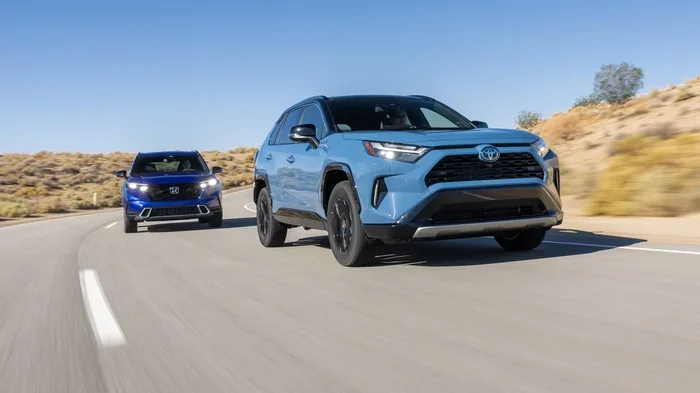
Some popular hybrid SUVs that come close to or exceed 40 MPG in combined driving include models from Toyota, Ford, and Kia. The Toyota RAV4 Hybrid and similar vehicles have set the standard for what a fuel efficient SUV can look like. These are not slow, stripped-down vehicles either. They come with modern tech, strong safety features, and comfortable interiors.
Compact Gas SUVs
Not everyone wants a hybrid. The good news is that some compact gas-powered SUVs also deliver impressive mileage. These vehicles use small, turbocharged four-cylinder engines paired with efficient transmissions.
When shopping for a best gas mileage SUV that runs on regular fuel, look for models with EPA ratings above 30 MPG combined. While they may not hit 40 MPG on their own, smart driving habits can close the gap. We will cover those habits in a later section.
Diesel SUVs
Diesel engines have long been known for their efficiency. A diesel SUV can sometimes match or exceed the mileage of a hybrid, especially on highway trips. However, diesel fuel costs more in many areas, and maintenance can be pricier. Still, for drivers who put a lot of miles on the highway, a diesel option is worth considering.
Understanding MPG Ratings and What They Mean
MPG numbers can be confusing. You see 40 MPG on a sticker, but your real-world mileage might be different. Understanding how MPG ratings work helps you set realistic expectations.
City vs Highway MPG
Every vehicle gets two MPG numbers: one for city driving and one for highway driving. City MPG is usually lower because of stop-and-go traffic, idling, and lower speeds. Highway MPG tends to be higher because the engine stays at a steady RPM for longer periods.
For SUVs that get 40 MPG, the highway number is usually where you will find that figure. A compact hybrid might get 40 MPG on the highway but 35 MPG in the city. The combined rating averages the two. Always look at the combined number for the most realistic picture of what you will get day to day.
EPA Ratings Explained
The Environmental Protection Agency tests every new vehicle and assigns EPA ratings. These numbers give you a standardized way to compare vehicles. No two testing environments are exactly the same, so real-world results vary. But EPA ratings remain the most reliable benchmark available.
When comparing SUVs, look at the combined fuel economy rating first. Then check city and highway numbers separately. If you mostly drive on the highway, the highway rating matters more to you. If you are stuck in city traffic daily, the city rating is your best guide.
Tips to Improve Your SUV’s Fuel Economy
Even if your current SUV does not hit 40 MPG, you can still improve its fuel efficiency with a few smart changes. These tips work for any vehicle and can help you save money every month.
Drive Smoothly and Stay Calm
Aggressive driving kills fuel economy. Fast acceleration, hard braking, and speeding all burn more gas. Instead, try to accelerate gently and coast to stops when safe. Smooth driving can improve your MPG by 10 to 30 percent, depending on your current habits.
Keep Your Tires Properly Inflated
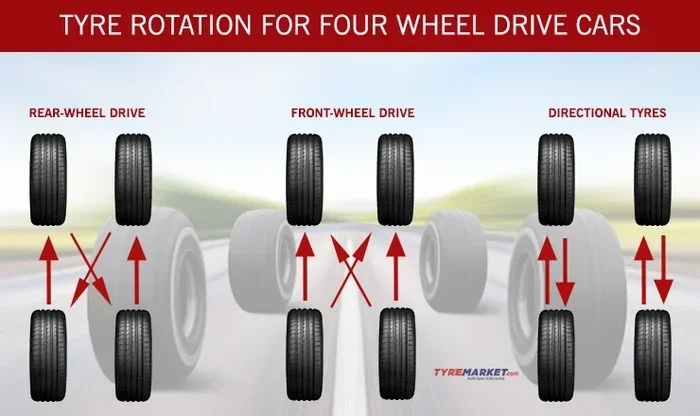
Underinflated tires create more rolling resistance, which forces your engine to work harder. Check your tire pressure at least once a month. Keeping tires at the recommended PSI can boost your SUV fuel economy by a few percentage points.
Reduce Unnecessary Weight
Extra weight means more fuel used. Clean out your SUV and remove anything you do not need. Roof racks and cargo carriers create drag that lowers highway MPG. Take them off when you are not using them.
Keep Up With Regular Maintenance
A well-maintained engine runs more efficiently. Regular oil changes, air filter replacements, and spark plug checks all contribute to better fuel economy. If you are not sure what your vehicle needs, you can get a free diagnostic for your car at many auto parts stores. This helps you catch small problems before they turn into bigger issues that hurt your mileage.
Use the Right Fuel
Using the correct fuel grade matters more than many people realize. Some vehicles require premium gas, while others run perfectly fine on regular. Check your owner’s manual to be sure. For more information on fuel choices, read our article on Can You Put Premium Gas In Any Car. Using premium gas when your engine does not need it is just wasted money.
Quick Tips for Maximizing SUV Fuel Economy
Want a fast summary of the best ways to boost your mileage? Here are quick, actionable tips you can start today:
- Accelerate gently and avoid rapid starts.
- Use cruise control on flat highway stretches.
- Keep windows closed at highway speeds to reduce drag.
- Warm up the engine briefly before hard driving.
- Follow the manufacturer’s maintenance schedule.
- Remove roof racks and cargo carriers when not in use.
- Check tire pressure every month.
- Combine errands into single trips to reduce cold starts.
These small changes add up over time. Many drivers see a noticeable difference in their miles per gallon within just a few weeks of making these adjustments.
Common Mistakes That Hurt SUV Fuel Economy
Sometimes drivers unknowingly sabotage their own fuel efficiency. Avoiding these common mistakes can help you get closer to that 40 MPG goal.
- Ignoring the check engine light: A faulty sensor or misfire can lower your mileage significantly.
- Using the wrong oil: Not using the recommended oil grade can increase engine friction.
- Excessive idling: Letting your engine run while parked wastes fuel with zero miles gained.
- Overloading the vehicle: Carrying heavy items you do not need forces the engine to burn more gas.
- Skipping maintenance: Dirty air filters and worn spark plugs slowly erode your fuel economy over time.
If you notice a sudden drop in mileage, it is worth getting your vehicle checked out. A quick diagnostic can reveal problems you cannot see or feel. Regular attention to these details keeps your SUV running at its best.
How to Choose the Right Fuel Efficient SUV for You
Not every 40 MPG SUV is the right choice for every driver. Your needs, budget, and driving habits all play a role in finding the best match.
Consider Your Daily Driving
Think about how you use your SUV most days. Do you commute long distances on the highway? A hybrid or diesel model might be your best bet. Do you mostly drive around town? A compact gas-powered SUV could serve you well and cost less upfront.
Think About Total Cost of Ownership
A fuel efficient SUV might cost more at the dealership, but the savings at the pump can offset that over time. Calculate your expected fuel cost savings over three to five years. Many drivers find that the higher upfront price pays for itself through lower fuel bills.
Test Drive Before You Buy
Numbers on paper do not always match real-world feel. Test drive several models to see which one meets your expectations for both efficiency and driving experience. Pay attention to how the vehicle responds to your driving style. A smooth, comfortable ride often correlates with good fuel economy habits.
Expert Insights on SUV Fuel Efficiency
Industry experts agree that the future of SUV fuel economy is bright. Automakers are investing heavily in hybrid and electric powertrains. Even traditional gas engines are becoming more efficient thanks to advanced technologies like direct injection and variable valve timing.
Experts also point out that driver behavior matters just as much as the vehicle itself. The most efficient driver in the world will still struggle to hit 40 MPG in a poorly maintained or poorly driven SUV. On the flip side, a skilled driver in an efficient vehicle can sometimes exceed the EPA ratings in real-world conditions.
One thing all experts agree on: the best time to buy a fuel efficient SUV is now. The technology is mature, the selection is wide, and the savings are real. Whether you choose a hybrid or a traditional gas model, you are making a smart investment in your wallet and the environment.
Key Takeaways
- Yes, some SUVs hit 40 MPG: Compact and hybrid models lead the way in fuel efficiency.
- Hybrid SUVs offer the best results: They combine gas and electric power for maximum mileage.
- EPA ratings guide your comparison: Use city, highway, and combined numbers to make informed decisions.
- Driving habits make a big difference: Smooth, calm driving can add several MPG to any vehicle.
- Regular maintenance protects efficiency: Keep up with oil changes, tire pressure, and scheduled services.
- Total cost matters more than sticker price: Fuel savings over time can justify a higher upfront investment.
- The right SUV exists for every driver: Whether you need compact space or family room, there is an efficient option.
Conclusion
So do any SUVs get 40 MPG? The answer is a clear yes. Fuel efficient SUVs are no longer rare or hard to find. From compact hybrids to efficient gas-powered crossovers, there are real options on the market today that deliver impressive mileage without sacrificing the things that make SUVs great. Whether you need cargo space, passenger room, or just a vehicle that saves you money at the pump, the right 40 MPG SUV is out there waiting for you.
Take the time to compare models, check EPA ratings, and think about how you actually drive. Small changes in your habits can make a big difference too. The goal is not just to hit a number on a sticker. The goal is to find a vehicle that fits your life, saves you money, and gives you confidence every time you pull out of the driveway.
Start your search today. Test drive a few models, ask questions, and trust the data. With the right choice, you can enjoy the space and versatility of an SUV while keeping your fuel costs low. The era of the 40 MPG SUV is here, and it is more accessible than ever before.
Frequently Asked Questions
Can any full-size SUV get 40 MPG?
It is very rare for a full-size SUV to reach 40 MPG. These vehicles are heavy and powerful, which works against fuel efficiency. However, some full-size hybrid SUVs come closer than others. If 40 MPG is a must-have, you are better off looking at compact or mid-size hybrid models.
Are hybrid SUVs worth the extra cost?
For many drivers, yes. Hybrid SUVs offer excellent fuel economy and can save you significant money on gas over time. The higher upfront cost often pays for itself within a few years, especially if you drive a lot of miles. Do the math based on your driving habits to see if it makes sense for you.
What is the most fuel efficient SUV currently available?
The most fuel efficient SUV changes from year to year as new models are released. Currently, compact hybrid SUVs from Toyota, Ford, and Kia lead the pack. Always check the latest EPA ratings and real-world reviews before making a decision, as new models can shift the rankings quickly.
How accurate are EPA MPG ratings?
EPA ratings are a standardized benchmark, but real-world results can vary. Your driving style, road conditions, weather, and vehicle maintenance all affect actual mileage. Most drivers find their real-world MPG falls within a few percentage points of the EPA number. Use the rating as a comparison tool, not an exact guarantee.
Does using premium gas improve MPG in any SUV?
Not necessarily. Premium gas can help engines that are designed for it, but most SUVs run perfectly well on regular fuel. Using premium gas in a vehicle that does not require it will not improve your MPG ratings and will only cost you more. Always check your owner’s manual for the recommended fuel type.
Can I improve my SUV’s MPG without buying a new vehicle?
Absolutely. Simple changes like driving smoothly, keeping tires properly inflated, reducing excess weight, and staying on top of maintenance can all boost your SUV fuel economy. These steps cost little to nothing and can make a noticeable difference in your monthly fuel expenses.