Car Not Starting but Battery Is Fine Try These Fixes
A car that won’t start but has a good battery is a frustrating problem with several common culprits. From a bad starter motor to a faulty ignition switch, the issue is often simpler than you think. This guide walks you through the top reasons your engine won’t crank and gives you actionable fixes you can try at home.
You turn the key or push the start button, and nothing happens. You check the battery, and it’s fully charged. So why won’t your car start? This is one of the most common car problems drivers face, and it can be really confusing when the battery tests fine.
The truth is, a car starting system involves many parts beyond just the battery. Car not starting but battery is fine usually points to a problem in the ignition system, fuel system, or starter motor. The good news? Most of these issues are fixable, and many are inexpensive.
In this article, we’ll walk you through every possible reason your car won’t start even with a good battery. We’ll cover what to listen for, what to check, and when to call a mechanic. Whether you’re dealing with a car won’t start but has power situation or your engine cranks but won’t fire up, we’ve got you covered.
Key Takeaways
- A healthy battery doesn’t mean your starting system is fine: other components like the starter motor, ignition switch, and fuel pump can all cause no-start conditions.
- Listen to your car: the type of sound (or silence) when you turn the key tells you a lot about what’s wrong.
- Many no-start issues are cheap and easy to fix: things like a bad starter relay or corroded connections cost very little.
- Cold weather can make weak parts fail: a starter that works in summer might not turn over in winter.
- Know when to call a pro: some problems like ECU faults or internal engine damage need professional diagnosis.
- Regular maintenance prevents no-start issues: replacing spark plugs and fuel filters on schedule keeps your car reliable.
📑 Table of Contents
- Why a Good Battery Doesn’t Mean Your Car Will Start
- Common Reasons Your Car Won’t Start With a Good Battery
- What to Do When Your Car Won’t Start (Step-by-Step)
- When Cold Weather Causes Starting Problems
- How to Prevent No-Start Problems in the Future
- When to Call a Professional Mechanic
- Understanding Your Car’s Starting System
Why a Good Battery Doesn’t Mean Your Car Will Start
Many people assume that if the battery is fine, the car should start. That’s not always true. Your battery provides the electrical power, but it takes a whole team of components to actually turn the engine over and keep it running.
Think of it like a chain. The battery is one strong link, but if any other link breaks, the whole chain stops. Your car needs a working starter motor, a healthy ignition system, enough fuel pressure, and functioning sensors. If even one of these fails, you’ll sit there turning the key with no results.
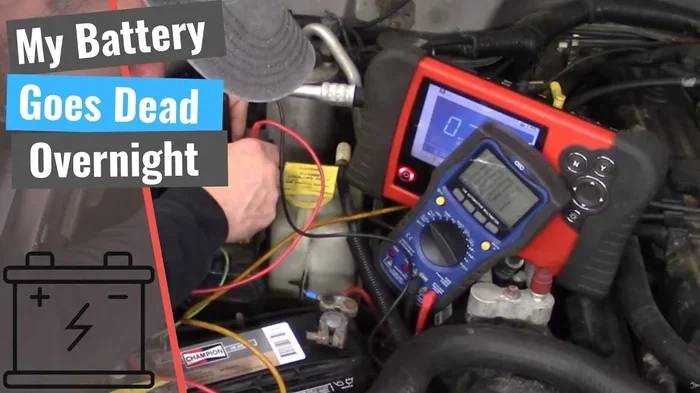
Here’s something important to understand. When you say your battery is fine, what do you mean? Did you test it with a multimeter? Did you check the voltage? A battery can read 12.6 volts and still be too weak to crank an engine. Cold weather, age, and internal degradation can all weaken a battery’s cranking ability even when the voltage looks normal.
What Does “Battery Is Fine” Actually Mean?
A fully charged car battery should read around 12.6 volts with the engine off. When cranking, it should stay above 10 volts. If it drops below that, the battery may not have enough power to turn the starter motor properly.
But here’s the thing. Many people check their battery voltage and assume it’s good enough. They don’t realize that a battery can pass a static voltage test but still fail under load. That’s why a proper load test is important. Most auto parts stores offer free load testing. It’s a quick check that can rule out battery problems entirely.
If you’ve confirmed your battery is truly healthy, it’s time to look at other parts of the starting system. Let’s dive into the most common causes.
Common Reasons Your Car Won’t Start With a Good Battery
There are several components that work together when you turn your key or push the start button. If any one of them fails, your car won’t start. Here are the most common culprits.
1. Faulty Starter Motor
The starter motor is the electric motor that actually cranks your engine. When you turn the key, the battery sends power to the starter, which spins the engine to start the combustion process. If the starter motor fails, you’ll hear nothing or just a single click.
Starter motors wear out over time. They typically last between 100,000 and 150,000 miles, but they can fail earlier. Signs of a bad starter include:
- A single loud click when you turn the key
- Grinding noises when trying to start
- The engine cranks slowly or not at all
- Intermittent starting problems
If you suspect your starter motor is the issue, you can try tapping it gently with a wrench while someone turns the key. This temporary fix can sometimes free a stuck starter. But for a permanent solution, you’ll need a replacement.
2. Bad Starter Relay
The starter relay is a small switch that sends power from the battery to the starter motor. It’s a simple component, but when it fails, your car won’t start even with a perfect battery.
A faulty starter relay often causes the same symptoms as a bad starter motor. You might hear a click or nothing at all. The good news is that replacing a starter relay is cheap and easy. Most relays cost between $10 and $30, and the fix takes about 15 minutes.
3. Ignition Switch Problems
The ignition switch is what sends the electrical signal to start the car when you turn the key. Over time, the internal contacts can wear out or corrode. When this happens, the signal never reaches the starter motor or the engine control unit.
Signs of a failing ignition switch include:
- The dashboard lights don’t come on when you turn the key
- The car starts intermittently
- The key feels loose or wobbly in the ignition
- Accessories work but the engine won’t crank
If you have a push-button start, the problem might be with the key fob or the immobilizer system. Try holding the key fob directly against the start button. Some cars have a backup antenna in the button area that can read a weak fob signal.
4. Fuel Pump Failure
Your engine needs fuel to run. The fuel pump pushes gasoline from the tank to the engine. If the fuel pump fails, your car won’t start even though the battery and starter are working perfectly.
Here’s a quick test. Turn your key to the “ON” position (don’t start the engine). You should hear a brief humming sound from the back of the car. That’s the fuel pump priming the system. If you don’t hear anything, the fuel pump might be dead.
Common causes of fuel pump failure include:
- Running the tank too low too often
- Contaminated fuel
- Electrical wiring issues
- Normal wear and tear over time
Replacing a fuel pump is more expensive than other fixes, typically ranging from $400 to $800 depending on your vehicle. But it’s a straightforward repair that a mechanic can do in a few hours.
5. Spark Plug or Ignition Coil Issues
Your engine needs a spark to ignite the fuel-air mixture. If your spark plugs are worn out or your ignition coils are failing, the engine might crank but never actually start. This is different from a no-crank situation.
If your engine cranks normally but just won’t fire up, check the spark plugs first. They’re inexpensive and easy to replace. A set of spark plugs typically costs between $20 and $100 depending on your vehicle.
Ignition coils convert the battery’s low voltage into the high voltage needed for a spark. A failing coil can cause misfires or a complete no-start condition. Most cars have one coil per cylinder, so you might still be able to start with a bad coil if only one cylinder is affected.
6. Clogged Fuel Filter
A clogged fuel filter restricts fuel flow to the engine. Over time, dirt, rust, and debris accumulate in the filter, eventually blocking fuel delivery. When this happens, your car might crank slowly or not start at all.
Fuel filters are one of the most overlooked maintenance items. Most manufacturers recommend replacing them every 30,000 to 60,000 miles. If you’ve never changed yours, it could be the reason your car won’t start.
What to Do When Your Car Won’t Start (Step-by-Step)
Now that you know the common causes, let’s talk about what you should actually do when your car won’t start. Follow these steps in order.
Step 1: Check the Dashboard Warning Lights
When you turn the key to the “ON” position, do you see any warning lights on the dashboard? If the check engine light is on, there might be a sensor issue preventing the car from starting. You can get a free diagnostic at most auto parts stores. This is a great first step to narrow down the problem.
Step 2: Listen Carefully
What do you hear when you turn the key? This tells you a lot:
- Nothing at all: Likely a starter motor, ignition switch, or electrical issue
- A single click: Probably a starter motor or relay problem
- Rapid clicking: The battery might be too weak despite reading fine
- Engine cranks but won’t start: Fuel, spark, or sensor problem
If you’re hearing rapid clicking and the battery seems fine, try turning on the headlights. If they dim significantly when you turn the key, your battery might not be delivering enough current under load.
Step 3: Check the Gear Position
Many cars have a neutral safety switch that prevents the engine from starting unless the transmission is in Park or Neutral. If your car is in Neutral and it won’t start, try putting it in Park. If it starts in Neutral but not Park, the neutral safety switch needs adjustment or replacement.
Step 4: Try the Key Fob Backup
If you have a push-button start, your key fob battery might be dead. Most cars have a backup way to start. Look for a small slot near the start button or on the steering column. Insert the key fob into this slot and press the start button. This bypasses the fob’s wireless signal and uses the built-in antenna directly.
Step 5: Check for Fuel
This sounds obvious, but it happens more often than you’d think. Make sure you actually have fuel in the tank. The fuel gauge can sometimes be inaccurate, especially if the sending unit is failing.
When Cold Weather Causes Starting Problems
Cold weather is a notorious enemy of car starting systems. Even if your battery tests fine in warm conditions, cold temperatures reduce its ability to deliver current. At 32°F, a battery loses about 35% of its cranking power. At 0°F, it can lose up to 60%.
But cold weather doesn’t just affect the battery. It also thickens engine oil, making the starter motor work harder. It can cause moisture to accumulate in the ignition system. And it weakens fuel pumps that are already on their way out.
If your car starts fine in summer but won’t start in winter, the culprit is likely a combination of factors. Here’s what you can do:
- Use a block heater or engine heater pad in extreme cold
- Keep your battery fully charged during winter months
- Replace your battery if it’s more than 4 years old
- Use the correct viscosity oil for winter driving
- Park your car in a garage whenever possible
If you’ve been dealing with a car won’t start right after turning it off issue in cold weather, that could also be a sign of a failing fuel pump or a problem with the fuel returning to the tank. Cold temperatures make these issues more pronounced.
How to Prevent No-Start Problems in the Future
The best way to deal with a car that won’t start is to prevent it from happening in the first place. Regular maintenance goes a long way toward keeping your starting system reliable.
Here are some proactive steps you can take:
- Replace your battery every 4 to 5 years: Even if it seems fine, batteries degrade over time. A preventive replacement saves you from unexpected no-start situations.
- Inspect your starter and alternator connections: Corroded or loose connections are a leading cause of starting problems. Clean them with a wire brush and apply dielectric grease.
- Change your spark plugs on schedule: Worn spark plugs cause weak sparks that can prevent starting, especially in cold weather.
- Replace your fuel filter regularly: A clean fuel filter ensures consistent fuel delivery to the engine.
- Keep your fuel tank at least a quarter full: This prevents the fuel pump from overheating and extends its lifespan.
- Get regular diagnostics: If you notice any warning signs like slow cranking or intermittent starting, get a professional diagnostic before the problem gets worse.
Many of these maintenance tasks are simple enough to do yourself. Others, like fuel pump replacement or starter motor installation, are best left to a professional mechanic. Either way, staying on top of maintenance saves you money and keeps your car reliable.
When to Call a Professional Mechanic
Not every starting problem is a DIY fix. Some issues require professional tools and expertise. You should call a mechanic if:
- You’ve checked all the common causes and still can’t identify the problem
- Your car cranks but won’t start, and you’ve verified fuel and spark
- The check engine light is flashing
- You smell gasoline or notice fuel leaks
- Your car has a complex electrical system or hybrid powertrain
Many mechanics offer a free diagnostic test for starting problems. This can save you time and money by pinpointing the exact issue quickly. If you’ve been dealing with a car won’t start and no noise what it means situation, a diagnostic scan can reveal whether it’s a sensor fault, ECU issue, or electrical problem.
Don’t let a no-start situation leave you stranded. A professional mechanic can quickly identify the root cause and get you back on the road. The key is not to ignore the problem. Starting issues tend to get worse over time, and what starts as a minor inconvenience can become a complete breakdown.
Understanding Your Car’s Starting System
To really understand why your car won’t start with a good battery, it helps to know how the starting system works. Here’s a simplified overview:
- You turn the key or press the start button
- The ignition switch sends a signal to the engine control unit (ECU)
- The ECU checks that all safety conditions are met (correct gear position, key fob authentication, etc.)
- The ECU activates the starter relay
- The relay sends power from the battery to the starter motor
- The starter motor cranks the engine
- The engine draws in air and fuel
- The spark plugs ignite the mixture
- The engine starts and runs on its own
As you can see, there are many points where things can go wrong. A problem at any step can prevent your car from starting, even if the battery is perfectly healthy. This is why diagnosing a no-start condition requires a systematic approach.
If you’ve ever dealt with a situation where your car won’t turn over but has power, you know how confusing it can be. The lights work, the radio plays, but the engine just won’t turn over. This usually points to the starter motor or the circuit that controls it. The fact that your electrical systems work confirms the battery is fine, which means the problem is isolated to the starting circuit.
Understanding this chain of events helps you communicate better with your mechanic. Instead of saying “my car won’t start,” you can say “my battery is good but the starter motor doesn’t engage.” This kind of precise description helps mechanics diagnose the problem faster and more accurately.
Taking care of your car’s starting system doesn’t have to be complicated. Regular maintenance, prompt attention to warning signs, and a basic understanding of how things work can save you from countless frustrating mornings. Your car’s starting system is a team effort, and every component matters.
Remember that every car is different. Some vehicles are more prone to certain starting problems than others. If you’re unsure about what’s causing your no-start issue, don’t hesitate to seek professional help. A few dollars spent on a diagnostic test can save you hundreds in unnecessary part replacements.
The most important takeaway is this: a car not starting but battery is fine situation is almost always fixable. Whether it’s a $15 relay or a $600 fuel pump, there’s a solution for every problem. Stay calm, follow the diagnostic steps, and don’t be afraid to ask for help when you need it.
Frequently Asked Questions
Why does my car not start but the battery is fine?
A good battery means you have electrical power, but starting your car requires more than that. The starter motor, ignition switch, fuel pump, spark plugs, and various sensors all need to work together. If any one of these components fails, your car won’t start even with a fully charged battery.
What should I do if my car won’t start but the battery is good?
Start by checking the dashboard warning lights and listening for any sounds when you turn the key. Then check the gear position, try the key fob backup method, and verify you have fuel. If none of these steps work, it’s time to inspect the starter motor, ignition switch, or fuel pump more closely.
Can a bad starter motor cause a car not to start with a good battery?
Yes, absolutely. The starter motor is what cranks the engine. If it fails, your car won’t start regardless of how good your battery is. Common signs include a single click when you turn the key or complete silence when you try to start.
How do I know if it’s the starter or the ignition switch?
If you turn the key and hear nothing at all, it could be either. A simple test is to turn on your headlights. If they work brightly, the battery is good and the problem is likely in the starting circuit. If the headlights are dim, the battery might not be delivering enough current under load despite reading fine at rest.
Can cold weather cause a car not to start even with a good battery?
Yes, cold weather significantly reduces a battery’s cranking power. At freezing temperatures, a battery can lose up to 60% of its ability to deliver current. Cold also thickens engine oil, making the starter motor work harder. If your car starts fine in warm weather but struggles in winter, cold conditions are likely the culprit.
When should I take my car to a mechanic for a no-start issue?
If you’ve checked the basics like battery voltage, fuel level, gear position, and key fob battery, and your car still won’t start, it’s time for professional help. Also seek a mechanic if you smell fuel, see warning lights flashing, or notice any fluid leaks. A free diagnostic test at most auto parts stores can also help narrow down the problem.
=== CONCLUSION ===
A car not starting but battery is fine is a surprisingly common problem with many possible causes. From a simple bad starter relay to a more complex fuel pump failure, the issue is almost always fixable. The key is to approach the problem systematically and work through the possible causes one by one.
Start with the basics. Check your dashboard lights. Listen to what your car is telling you. Verify your gear position and fuel level. These simple steps can often solve the problem without any cost at all. If those don’t work, move on to checking the starter motor, ignition switch, fuel pump, and spark plugs.
Remember that prevention is the best medicine. Regular maintenance like replacing your battery every 4 to 5 years, changing spark plugs on schedule, and keeping your fuel filter clean can prevent most no-start issues before they happen. A little proactive care goes a long way toward keeping your car reliable and your mornings stress-free.
Don’t let a no-start situation ruin your day. With the knowledge you’ve gained from this guide, you’re better equipped to diagnose the problem and find the right fix. And if the problem is beyond a DIY solution, don’t hesitate to call a professional. Your car’s starting system is complex, but every problem has a solution. Keep calm, stay methodical, and you’ll be back on the road in no time.