Can an Engine Survive Overheating and What Happens Next
Can an Engine Survive Overheating? The short answer is: it depends on how hot it got and for how long. A brief overheat may cause no lasting harm, but prolonged high temperatures can warp cylinder heads, blow head gaskets, and even seize the engine entirely. In this guide, we walk you through exactly what happens inside your engine when temperatures spike, how to spot trouble early, and what repairs might cost you.
You are driving down the road, minding your own business, when suddenly the temperature gauge on your dashboard shoots into the red zone. Steam starts curling from under the hood. Your heart drops. Your first thought? Can an engine survive overheating, or is this the end of the road for your car?
This is a scary moment for any driver. But here is the good news: not every overheating episode means disaster. The outcome depends on several factors, including how long the engine ran hot, what caused the problem, and how quickly you reacted. Let us break it all down so you know exactly what to expect and what to do next.
Understanding engine overheating is one of the most important pieces of car knowledge you can have. Whether you drive a daily commuter or a weekend cruiser, knowing the signs and risks can save you hundreds or even thousands of dollars in repairs. This guide covers everything from the science of engine heat to practical steps you can take right now to protect your vehicle.
Key Takeaways
- Engines can survive minor overheating episodes if you catch them early and shut the car down immediately.
- Prolonged overheating causes serious damage including warped heads, blown gaskets, and cracked engine blocks.
- Temperature gauge spikes and steam are clear warning signs that should never be ignored.
- Repair costs vary wildly from a simple coolant top-off to a full engine replacement costing thousands.
- Regular maintenance prevents most overheating problems before they start.
- Driving through an overheat episode makes things worse and can turn a small fix into a big bill.
📑 Table of Contents
What Happens When an Engine Overheats?
Your engine runs hot. That is by design. Combustion generates enormous heat, and your car relies on a carefully engineered cooling system to keep temperatures in a safe range. When something goes wrong with that system, heat builds up fast and trouble follows quickly.
The Warning Signs You Should Never Ignore
Your car gives you plenty of clues before things reach a critical point. The key is knowing what to look for and acting fast.
- Temperature gauge in the red: This is the most obvious sign. If your dashboard gauge moves into the hot zone, pay attention immediately.
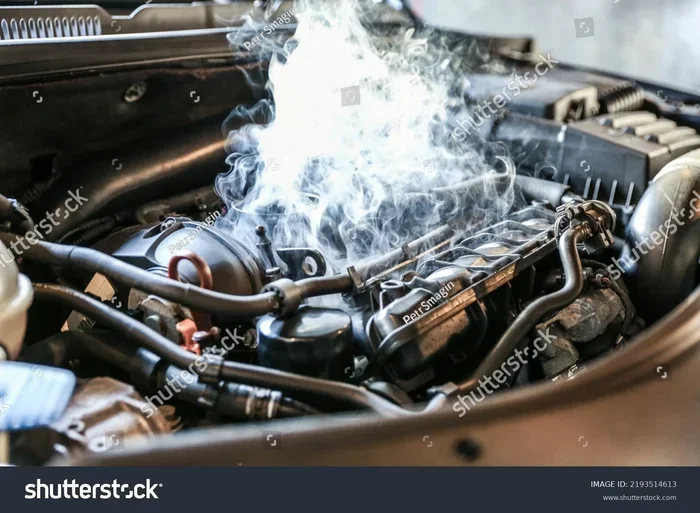
- Steam or smoke from the hood: This usually means coolant is leaking and hitting hot engine parts. It is never normal and always demands action.
- Strange smells: A sweet smell often signals leaking coolant. A burning smell could mean oil or rubber is overheating.
- Loss of power: An overheating engine often runs rough or loses strength as internal components expand under heat.
- Coolant warning light: Many modern cars have a dedicated light that illuminates when coolant levels drop or temperatures rise too high.
If you notice any of these signs, pull over safely as soon as possible. Continuing to drive through an overheat episode is one of the worst things you can do for your engine.
The Timeline of Engine Damage
Engine damage from overheating does not happen all at once. It follows a rough timeline, and understanding this can help you act before permanent harm occurs.
- 0 to 5 minutes in the red zone: At this stage, the engine is hot but likely still intact. Shutting the car down and letting it cool can prevent serious damage. This is your best window for a simple fix.
- 5 to 15 minutes in the red zone: Coolant may boil and pressure builds inside the cooling system. Gaskets start to weaken, and minor leaks can develop. The thermostat may fail completely.
- 15 to 30 minutes in the red zone: This is where things get serious. The head gasket can blow. Aluminum components warp. Engine oil breaks down and loses its lubricating ability. Internal metal parts expand at different rates, causing friction and scoring.
- Beyond 30 minutes: At this point, catastrophic damage is very likely. The engine may seize completely, meaning the pistons weld themselves to the crankshaft. A seized engine often needs full replacement or a very expensive rebuild.
The takeaway here is clear: time is your enemy when the engine runs hot. The faster you respond, the better your chances of avoiding major repairs.
Can an Engine Survive Overheating?
Now for the big question. The answer is more nuanced than a simple yes or no. An engine can survive overheating in some cases but not in others. It all comes down to the severity and duration of the overheat event.
Minor Overheating vs. Severe Overheating
Not all overheating events are created equal. A minor overheat might happen on a hot day when your car sits in traffic for too long with a slightly low coolant level. In this case, the engine may survive just fine once temperatures return to normal. You might notice no lasting effects at all.
A severe overheat is a different story entirely. This happens when the temperature stays in the danger zone for an extended period or climbs to extreme levels. Common causes include a completely failed water pump, a broken radiator hose, or a snapped serpentine belt. These situations can cause immediate and serious damage.
Think of it like a fever in humans. A mild fever is uncomfortable but usually harmless. A very high fever lasting hours, on the other hand, can cause real organ damage. Your engine works the same way.
Factors That Determine Engine Survival
Several factors decide whether your engine walks away from an overheat event unscathed or needs major work.
- Duration of the overheat: The longer the engine runs hot, the worse the damage. A few seconds in the red is far less dangerous than several minutes.
- Peak temperature reached:Some engines can handle brief spikes to 230°F without issue. Once you push past 240°F or 250°F, the risk of permanent damage rises sharply.
- Engine material: Modern engines use aluminum parts that warp more easily under heat than older cast iron engines. An older car with a cast iron block may be more forgiving than a modern aluminum engine.
- How you reacted: If you shut the car down at the first sign of trouble, you give the engine a much better chance of survival. If you keep driving to reach your destination, you almost guarantee more damage.
- Pre-existing conditions: An engine that already had worn seals, old coolant, or a weak thermostat is far more vulnerable to heat damage than one that was well maintained.
If you want to understand more about how different engine types handle heat, check out our article on Can An Electric Car Overheat to see how electric motors compare to traditional combustion engines when temperatures rise.
Common Causes of Engine Overheating
Knowing what causes overheating helps you prevent it. Many of the most common culprits are easy to spot and even easier to fix if you catch them early.
Coolant System Failures
The coolant system is the heart of your engine’s cooling process. When any part of it fails, heat builds up fast.
- Low coolant levels: This is the number one cause. Coolant leaks from hoses, radiators, water pumps, or the heater core. Even a small leak can drop levels enough to cause problems.
- Faulty thermostat: The thermostat regulates coolant flow. If it gets stuck closed, coolant cannot circulate and heat builds up rapidly.
- Broken water pump: The water pump pushes coolant through the engine. A failed pump means no circulation and no cooling.
- Clogged radiator: Over time, debris and sediment can block the radiator fins, reducing its ability to dissipate heat.
- Failed radiator fan: The fan pulls air through the radiator at low speeds or when idling. Without it, the radiator cannot cool the coolant effectively.
If you ever deal with low coolant, it is worth checking whether can low antifreeze cause overheating in your specific vehicle, since this is one of the most common root causes.
External Factors That Contribute to Overheating
Sometimes the problem is not a broken part. External conditions can push your engine beyond its limits too.
- Hot weather: Driving in extreme heat puts extra stress on the cooling system, especially if it is already borderline.
- Heavy traffic or idling: Moving air through the radiator is reduced when you are stuck in stop-and-go traffic, which is why overheating often happens in traffic jams.
- Towing or hauling: Extra load means more engine work and more heat generation. The cooling system may not be sized for heavy duty use.
- Mountain driving: Steep grades keep the engine working hard for long periods, generating sustained heat that can overwhelm the cooling system.
Repair Costs and What to Expect
The cost of fixing an overheated engine varies enormously depending on the damage. Here is a realistic breakdown of what you might face.
| Damage Type | Estimated Repair Cost | Severity |
|---|---|---|
| Coolant flush and refill | $100 – $200 | Low |
| Thermostat replacement | $150 – $300 | Low to Medium |
| Water pump replacement | $300 – $750 | Medium |
| Radiator replacement | $300 – $900 | Medium |
| Head gasket replacement | $1,000 – $2,500 | High |
| Cylinder head resurfacing | $200 – $600 | Medium to High |
| Engine rebuild | $3,000 – $7,500 | Very High |
| Engine replacement | $4,000 – $10,000+ | Critical |
As you can see, the cost difference between a small fix and a major repair is enormous. This is exactly why early detection and quick action matter so much. A $150 thermostat job today can easily become a $5,000 engine replacement tomorrow if you ignore the warning signs.
If the overheating has caused a blown head gasket, you might be wondering whether it is worth repairing or if you should look into selling the car. In some cases, you can still drive a car with a blown head gasket for a short distance, but it is not a long-term solution and will only lead to more damage.
How to Prevent Engine Overheating
Prevention is always cheaper and easier than repair. A few simple habits can keep your engine running cool and your wallet happy.
Regular Maintenance Tips
- Check coolant levels monthly: Pop the hood and look at the coolant reservoir. It should be between the minimum and maximum marks. If it is low, top it off and investigate for leaks.
- Flush and replace coolant on schedule: Most manufacturers recommend a coolant change every 30,000 to 50,000 miles. Old coolant loses its ability to transfer heat effectively.
- Inspect hoses and belts regularly: Look for cracks, swelling, or soft spots in radiator and heater hoses. Belts should not be frayed or loose.
- Monitor the temperature gauge while driving: Make it a habit to glance at your gauge, especially on hot days or during long drives.
- Keep the radiator clean: Remove debris like leaves and bugs from the front of the radiator. Good airflow is essential for cooling.
Quick Tips for the Road
- Carry extra coolant: A half-gallon of the right coolant type can save you in an emergency.
- Know your warning lights: Familiarize yourself with every dash symbol in your car. The coolant warning light is one you should recognize instantly.
- Pull over at the first sign of trouble: Do not try to tough it out. Shutting the engine down is always the right call.
- Turn the heater on full blast: If your gauge starts climbing, turning the heater to maximum can help pull heat away from the engine. It is not comfortable, but it can buy you time.
Expert Insight: Many experienced mechanics say that the biggest mistake drivers make is ignoring the temperature gauge. They assume the car will be fine or hope the problem goes away on its own. By the time visible steam appears, significant damage may already be underway. Trust your gauges and act early.
When to Seek Professional Help
Some overheating problems are simple enough to handle yourself, but others demand a trained mechanic. Here is how to know when to call in the experts.
- You cannot find the leak: If you keep losing coolant but cannot see where it is going, a professional pressure test can reveal hidden leaks in the head gasket or engine block.
- The engine has been severely overheated: After a serious overheat event, have a mechanic inspect the engine internally. Warped heads or scored cylinders may not be visible from the outside.
- You hear knocking or unusual noises: These sounds after an overheat episode suggest internal damage that needs immediate attention.
- The temperature gauge keeps climbing even after cooling down: This points to a persistent problem like a faulty thermostat, failed water pump, or clogged radiator that needs professional diagnosis.
Do not wait until small problems become big, expensive ones. A quick diagnostic visit can catch issues before they escalate into engine-ending damage.
Conclusion
The question of whether an engine can survive overheating does not have a one-size-fits-all answer. It depends on how hot it got, how long it stayed that way, and how quickly you responded. A brief, minor overheat is usually survivable with little to no lasting damage. But prolonged, severe overheating can destroy an engine in a matter of minutes.
The best thing you can do is stay vigilant. Watch your temperature gauge, maintain your cooling system, and never ignore the warning signs. If your engine does overheat, pull over, shut it down, and let it cool before investigating. These simple actions can mean the difference between a quick fix and a total engine replacement.
Your engine is the heart of your vehicle. Treat it well, keep it cool, and it will keep you rolling for years to come. And remember, when in doubt, get a professional opinion. It is always better to spend a little on a inspection now than a lot on repairs later.
Frequently Asked Questions
How long can an engine run before overheating causes permanent damage?
Most engines can survive a few minutes in the red zone without permanent harm. However, once you exceed 10 to 15 minutes of sustained high temperatures, the risk of serious damage like a blown head gasket or warped cylinder head increases dramatically. Time is the most critical factor in determining whether your engine survives an overheat event.
Can I just add coolant and keep driving after the engine overheats?
You should not keep driving right away. First, let the engine cool completely. Then check the coolant level and top it off if needed. Look for visible leaks and pay attention to whether the temperature gauge stays normal. If the engine overheated for a long time, a professional inspection is strongly recommended before you drive again.
What is the most common reason an engine overheats?
The most common reason is low coolant, usually caused by a leak somewhere in the cooling system. Other frequent causes include a faulty thermostat, a broken water pump, a clogged radiator, or a failed radiator fan. Regular maintenance catches most of these issues before they lead to overheating.
Does overheating a car mean the engine needs to be replaced?
Not necessarily. Many overheating incidents cause only minor damage that can be repaired affordably. However, severe or prolonged overheating can cause catastrophic damage such as a seized engine, which often requires full replacement. The key is to respond quickly and never ignore the warning signs.
How can I tell if my engine was damaged from overheating?
Signs of heat damage include white smoke from the exhaust, coolant mixing with engine oil, unusual knocking sounds, loss of power, and the temperature gauge running hot even after the engine warms up. A mechanic can perform a compression test and visual inspection to confirm internal damage.
Is it safe to drive a car that has overheated once?
It can be safe if the overheat was brief and you addressed the cause immediately. However, if the engine ran hot for an extended period, driving again could make the damage worse. Always let the engine cool, check for leaks, and consider a professional inspection before resuming normal driving.