Can a Clogged Catalytic Converter Cause a Car to Overheat
Yes, a clogged catalytic converter can absolutely cause your car to overheat. When the converter becomes blocked, exhaust gases get trapped, creating back pressure that forces the engine to work harder. This extra strain raises engine temperature and can lead to serious damage if not addressed quickly.
Your car’s catalytic converter plays a huge role in keeping your engine running cleanly and efficiently. But what happens when it gets clogged? Can a clogged catalytic converter cause a car to overheat? The short answer is yes. A blocked converter restricts exhaust flow, builds up back pressure, and forces your engine to work much harder than it should. That extra effort generates excess heat, which can push your engine into overheating territory fast.
If you have noticed your temperature gauge climbing, your car feeling sluggish, or a strange smell coming from the exhaust, a clogged converter might be to blame. In this article, we will walk you through exactly how a clogged catalytic converter leads to engine overheating, what signs to look out for, and what you can do to fix the problem before it causes serious damage.
Whether you are a DIY mechanic or someone who just wants to understand their vehicle better, this guide covers everything you need to know. We will break down the science behind the problem, share practical tips, and help you decide when it is time to see a professional. Let us dive in.
Key Takeaways
- Clogged converters restrict exhaust flow: This creates back pressure that makes your engine work harder and generate more heat.
- Overheating is a warning sign: If your car runs hot alongside other symptoms, the catalytic converter may be the culprit.
- Early detection saves money: Catching the problem early prevents costly repairs like engine damage or full converter replacement.
- Multiple causes lead to clogs: Contamination, age, and engine misfires are the most common reasons converters become blocked.
- Regular maintenance helps prevent issues: Routine checks keep your exhaust system and engine running smoothly.
- Professional diagnosis is key: A mechanic can confirm a clog with a back pressure test and recommend the right fix.
📑 Table of Contents
- What Does a Catalytic Converter Do?
- Can a Clogged Catalytic Converter Cause a Car to Overheat?
- Signs Your Catalytic Converter May Be Clogged
- Common Causes of a Clogged Catalytic Converter
- How to Prevent a Clogged Catalytic Converter
- What to Do If Your Car Overheats Due to a Clogged Converter
- How a Clogged Converter Affects Overall Vehicle Performance
- When to See a Mechanic
What Does a Catalytic Converter Do?
Before we get into how a clog causes overheating, it helps to understand what the catalytic converter actually does. Think of it as your car’s air purifier for the exhaust system. It sits between the engine and the muffler and works to reduce harmful emissions.
When exhaust gases flow through the converter, chemical reactions convert toxic pollutants like carbon monoxide and nitrogen oxides into less harmful substances like carbon dioxide and water vapor. This process keeps your vehicle meeting emission standards and running cleanly.
A healthy catalytic converter allows exhaust gases to flow freely out of the engine. But when something blocks that flow, the entire exhaust system suffers. And that is where the overheating problem begins.
How Exhaust Flow Affects Engine Temperature
Your engine relies on a smooth, continuous flow of exhaust gases to maintain proper operating temperature. When the converter is clear, hot gases exit quickly and the engine stays at a safe temperature. But when the converter becomes clogged, those gases have nowhere to go. They build up in the exhaust system and create what mechanics call back pressure.
That back pressure pushes against the pistons and forces the engine to burn more fuel to produce the same power. More fuel burning means more heat. And more heat means your engine temperature rises. Over time, this cycle can cause your car to overheat, especially during heavy driving or idling.
Can a Clogged Catalytic Converter Cause a Car to Overheat?
The direct answer is yes, and here is why. A clogged catalytic converter creates a bottleneck in your exhaust system. Instead of gases flowing freely out of the engine, they get trapped and build up pressure. That pressure travels back through the exhaust manifold and into the engine itself.
When the engine has to push against that resistance, it works harder. A harder-working engine produces more heat. If the cooling system cannot keep up with that extra heat, the engine temperature climbs. This is how a simple exhaust blockage leads to a full-blown overheating engine.
The Back Pressure Connection
Back pressure is the main villain here. Normal exhaust systems operate at very low pressure. A clogged converter can spike that pressure to dangerous levels. Mechanics use a back pressure gauge to measure this. Readings above 1.5 psi at 2,500 RPM usually indicate a blockage.
High back pressure does more than just cause overheating. It can also lead to poor fuel economy, engine misfires, and reduced power. So if you are dealing with multiple issues at once, a clogged converter could be the root cause.
Keep in mind that engine overheating can also stem from other problems like low coolant or a broken thermostat. A clogged converter is just one possible cause. That is why proper diagnosis matters.
Signs Your Catalytic Converter May Be Clogged
Detecting a clogged converter early can save you from expensive repairs. Here are the most common warning signs to watch for:
- Rising engine temperature: Your temperature gauge climbs higher than normal, especially during regular driving.
- Reduced engine power: Your car feels sluggish, particularly when accelerating or climbing hills.
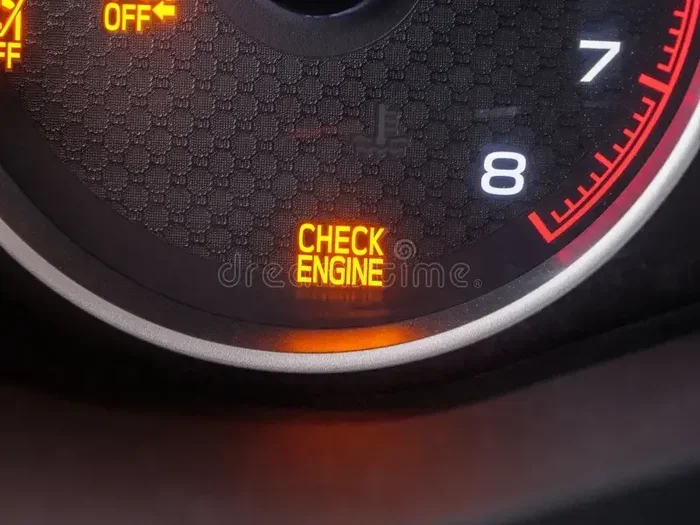
- Check engine light: The warning light comes on, often with codes related to engine performance or emission efficiency.
- Dark exhaust smoke: You notice thick, dark smoke coming from the tailpipe.
- Rotten egg smell: A strong sulfur or rotten egg odor from the exhaust indicates unprocessed gases.
- Poor fuel economy: You fill up more often than usual without changing your driving habits.
- Engine misfires: The engine runs rough or stalls, especially at idle.
If you notice any combination of these symptoms, it is worth getting your exhaust system checked right away. Ignoring the problem can lead to worse issues like a blown head gasket or complete engine failure.
How to Test for a Clogged Converter
There are a few simple ways to check if your converter is clogged. A mechanic will typically use a back pressure gauge attached to the oxygen sensor port. This gives a direct reading of exhaust pressure.
You can also try a vacuum test. At idle, a vacuum gauge connected to the intake manifold should show a steady reading. If the needle drops as engine RPMs increase, it may indicate exhaust restriction. Another method involves removing the oxygen sensor upstream of the converter. If engine performance improves after removal, the converter is likely blocked.
For those who prefer a visual check, inspect the converter for physical damage or discoloration. A converter that is glowing red while driving is a clear sign of severe restriction and needs immediate attention.
Common Causes of a Clogged Catalytic Converter
Understanding what causes a converter to clog can help you prevent the problem in the first place. Here are the most common reasons:
Engine Misfires
Unburned fuel entering the exhaust system is one of the top causes of converter clogs. When an engine misfires, fuel does not fully combust in the cylinder. Instead, it passes into the exhaust and lands on the converter’s honeycomb structure. Over time, that fuel coats the converter and restricts flow.
Fixing misfires early is one of the best ways to protect your catalytic converter. If you notice rough idling or hesitation during acceleration, get it checked promptly.
Oil and Coolant Leaks
Internal engine leaks can send oil or coolant into the exhaust system. Both substances coat the converter’s internals and create a thick residue that blocks exhaust flow. Oil leaks often come from worn valve seals or piston rings, while coolant leaks may stem from a blown head gasket.
These types of leaks not only clog the converter but also signal deeper engine problems that need attention.
Age and Wear
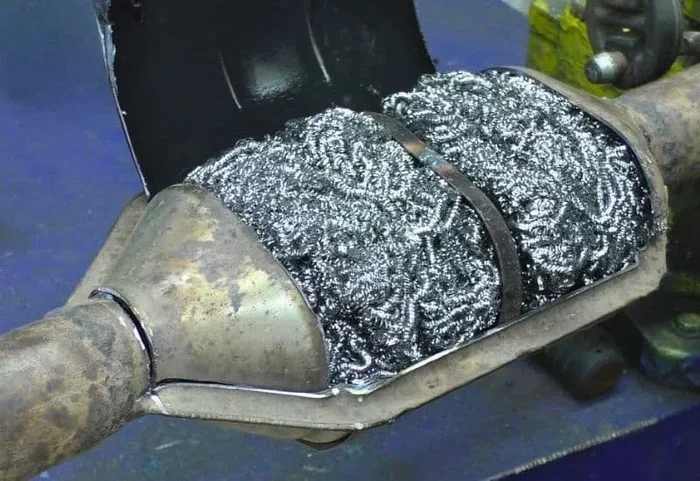
Like any car part, catalytic converters wear out over time. The honeycomb structure inside can break down and collapse, physically blocking exhaust flow. A converter typically lasts 10 years or 100,000 miles, but harsh driving conditions can shorten its lifespan significantly.
Contamination from External Sources
Road debris, rust, and even aftermarket exhaust parts can contribute to converter clogs. If you frequently drive on dirt roads or in areas with heavy salt use, your converter may be more vulnerable to contamination and damage.
How to Prevent a Clogged Catalytic Converter
The good news is that you can take steps to keep your catalytic converter healthy and avoid overheating issues. Prevention is always cheaper than repair.
- Fix engine misfires quickly: Do not ignore rough running or hesitation. Address misfires as soon as they appear.
- Keep up with oil changes: Fresh oil reduces the amount of contaminants that can reach the exhaust system.
- Use quality fuel: Low-quality fuel can leave deposits that eventually clog your converter.
- Address coolant leaks immediately: Any sign of coolant loss should be investigated right away.
- Follow your maintenance schedule: Regular vehicle maintenance catches small problems before they become big ones.
- Avoid short trips when possible: Short trips do not allow the converter to reach full operating temperature, which can cause moisture and carbon buildup over time.
Taking care of your exhaust system also means taking care of your entire engine. A well-maintained exhaust system helps your engine run cooler, cleaner, and more efficiently.
What to Do If Your Car Overheats Due to a Clogged Converter
If you suspect your converter is causing your car to overheat, take action quickly. Driving an overheating engine can lead to catastrophic damage like warped heads, cracked blocks, or blown head gaskets.
Immediate Steps to Take
- Pull over safely: Turn off the air conditioning and turn on the heater to help dissipate engine heat.
- Let the engine cool: Do not open the radiator cap until the engine has completely cooled down.
- Check coolant levels: Low coolant can worsen overheating, so make sure your levels are adequate.
- Call a mechanic: Have your vehicle towed if necessary. Driving a severely overheating car can cause irreversible damage.
Once the engine is cool, a mechanic can perform a full diagnostic. They will check the converter, the cooling system, and other components to pinpoint the exact cause of the overheating.
Repair Options for a Clogged Converter
Depending on the severity of the clog, you have a few options. A mildly clogged converter can sometimes be cleaned using a specialized catalytic converter cleaner added to the fuel tank. This works best for early-stage buildup.
For more severe clogs, replacement is usually the only solution. The cost of a catalytic converter replacement varies widely based on your vehicle make and model. Some converters cost a few hundred dollars, while others can run over a thousand. Labor costs add to the total as well.
If the clog is caused by an underlying issue like an oil leak or misfire, that problem must be fixed too. Otherwise, the new converter will clog again quickly.
Also keep in mind that engine overheating may have already caused secondary damage. A mechanic should inspect the head gasket, radiator, and cooling system to make sure everything is in good shape before you drive the car again.
Can You Still Drive with a Clogged Converter?
Technically, you can drive short distances with a partially clogged converter. But it is not recommended. The extra back pressure and heat can worsen the clog and damage other engine components over time. If you must drive a short distance, keep an eye on your temperature gauge and pull over immediately if it starts climbing.
For longer drives, towing the vehicle is the safest option. This protects your engine from the additional stress of pushing exhaust through a blocked system.
How a Clogged Converter Affects Overall Vehicle Performance
A clogged catalytic converter does not just cause overheating. It affects nearly every aspect of how your vehicle performs. Here is a quick look at the broader impact:
- Fuel economy drops: The engine works harder, burning more fuel for less power.
- Emissions increase: A clogged converter cannot properly process exhaust gases, leading to higher pollution output.
- Engine power decreases: You may notice hesitation, stalling, or a lack of responsiveness during acceleration.
- Starting problems: In severe cases, the back pressure can make it difficult to start the engine.
- Rough idle: The engine may shake or run unevenly when stopped.
All of these issues feed into each other. Poor performance leads to more strain, which leads to more heat, which leads to more problems. It is a cycle that spirals quickly if you do not address the root cause.
Regular exhaust system maintenance is the best way to avoid this downward spiral. A simple inspection during routine service can catch a developing clog before it causes major issues.
When to See a Mechanic
Some car problems you can diagnose at home, but a clogged catalytic converter usually requires professional tools and expertise. You should see a mechanic if:
- Your temperature gauge consistently reads higher than normal.
- You have tried a converter cleaner with no improvement.
- The check engine light is flashing, which often indicates a serious emission problem.
- You notice a strong sulfur smell that does not go away.
- Your vehicle fails an emissions test.
- You hear rattling noises from the exhaust area, which could mean the converter’s internal structure has broken apart.
A professional mechanic can run the right tests and give you a clear diagnosis. They will tell you whether cleaning or replacing the converter is the best path forward. Getting a second opinion is always reasonable if the repair quote seems high.
Also, if your car has been overheating and you are unsure why, consider checking related issues like low antifreeze levels or cooling system failures. Sometimes multiple problems overlap, and a thorough inspection ensures you catch everything at once.
And if you are curious about how different vehicles handle heat and exhaust issues, it is worth noting that electric cars do not have catalytic converters at all, which is one reason their thermal management systems work very differently. You can learn more about how electric vehicles handle heat in our article on whether electric cars can overheat.
Frequently Asked Questions
Can a clogged catalytic converter cause engine overheating?
Yes, absolutely. A clogged converter restricts exhaust flow and creates back pressure. That pressure forces the engine to work harder, generating excess heat that can push your engine into overheating territory if not addressed.
How do I know if my catalytic converter is clogged?
Common signs include rising engine temperature, reduced power, dark exhaust smoke, a rotten egg smell, poor fuel economy, and a lit check engine light. A mechanic can confirm a clog using a back pressure test or vacuum gauge.
Can you clean a clogged catalytic converter yourself?
Mild clogs can sometimes be cleaned using a catalytic converter cleaner added to your fuel tank. However, severe clogs usually require professional removal or full replacement. A cleaner works best as a preventive measure, not a fix for a badly blocked converter.
How much does it cost to replace a catalytic converter?
The cost varies widely depending on your vehicle. Some replacements run a few hundred dollars, while others can exceed a thousand dollars including labor. The price depends on the converter type, your car model, and local labor rates.
Is it safe to drive with a clogged catalytic converter?
Short distances are generally okay, but prolonged driving is risky. The extra back pressure and heat can cause further engine damage. If you must drive, monitor your temperature gauge closely and pull over if it rises too high.
What causes a catalytic converter to clog?
The most common causes are engine misfires, oil or coolant leaks, age-related wear, and contamination from external sources. Unburned fuel, oil residue, and coolant all coat the converter’s internal structure and restrict exhaust flow over time.
=== CONCLUSION ===
So, can a clogged catalytic converter cause a car to overheat? The answer is a clear yes. A blocked converter restricts exhaust flow, builds up back pressure, and forces your engine to work harder than it should. That extra effort generates heat, and without proper cooling, your engine can overheat quickly.
The good news is that catching the problem early makes all the difference. Watch for warning signs like rising temperatures, reduced power, and unusual exhaust smells. Regular vehicle maintenance and prompt repairs keep your catalytic converter and entire exhaust system working as they should.
Do not ignore the symptoms. Whether it is a simple cleaning or a full replacement, addressing a clogged converter quickly protects your engine and saves you money in the long run. Your car depends on a healthy exhaust system to stay cool, clean, and efficient. Give it the care it deserves, and it will keep you on the road for years to come.