Can a Bad Timing Belt Cause a Car to Overheat Today
A bad timing belt can absolutely cause your car to overheat, especially if it controls the water pump or disrupts the engine’s cooling cycle. Ignoring timing belt warning signs like ticking noises, oil leaks, or engine misfires can lead to catastrophic engine failure. Understanding the connection between your timing belt and engine temperature helps you catch problems early and avoid costly repairs.
Your car’s timing belt might seem like a small, unassuming part tucked away inside the engine bay. But don’t let its size fool you. This rubber and fiber component plays a huge role in keeping your engine running smoothly. And when it fails, the consequences can be serious, including a seriously overheating engine.
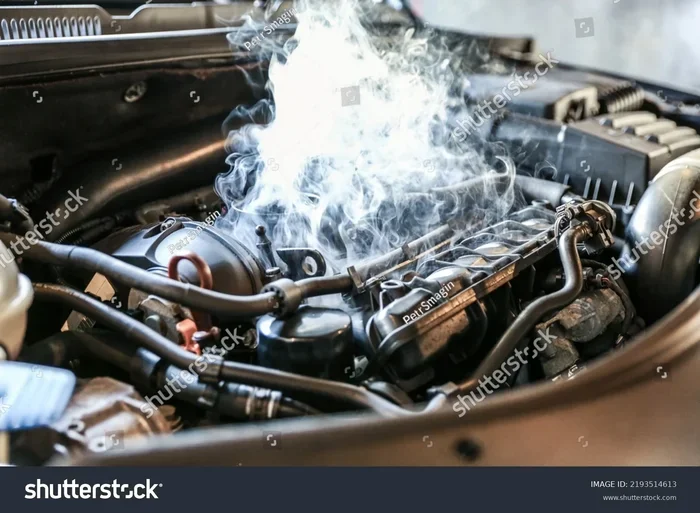
Many car owners don’t realize that a bad timing belt can cause a car to overheat until they’re stranded on the side of the road with steam pouring from the hood. The connection between the timing belt and engine temperature is real, and understanding it can save you from expensive repairs and unexpected breakdowns.
In this article, we’ll break down exactly how a failing timing belt leads to overheating, what warning signs to watch for, and what you can do to prevent it. Whether you’re a DIY mechanic or someone who just wants to understand their vehicle better, this guide has you covered.
Key Takeaways
- Timing belts play a dual role: They sync engine camshafts and crankshafts, and in many engines, they also drive the water pump that keeps your engine cool.
- A worn or broken timing belt can cause overheating by stopping coolant flow or throwing off engine timing, leading to excessive friction and heat.
- Early warning signs include ticking sounds, engine misfires, oil leaks near the belt cover, and visible wear on the belt itself.
- Replacing a timing belt costs between $300 and $1,000 on average, but neglecting it can result in engine damage costing $2,000 or more.
- Most manufacturers recommend replacing the timing belt every 60,000 to 100,000 miles or as specified in your owner’s manual.
- If your car overheats and you suspect a timing belt issue, pull over safely and seek professional help immediately to prevent further engine damage.
- Regular maintenance and inspections are the best ways to avoid timing belt failure and the overheating problems it can trigger.
📑 Table of Contents
- What Does a Timing Belt Do?
- How a Bad Timing Belt Causes Overheating
- Warning Signs Your Timing Belt Is Failing
- Timing Belt Replacement: What to Expect
- Preventing Timing Belt-Related Overheating
- What Happens If You Ignore a Bad Timing Belt?
- How Cooling System Health Connects to Timing Belt Condition
- Common Mistakes That Make Timing Belt Problems Worse
- Final Thoughts
What Does a Timing Belt Do?
The timing belt is a toothed rubber belt located inside the engine compartment. It connects the crankshaft to the camshaft(s) and ensures they rotate in perfect sync. This synchronization controls when the engine’s valves open and close, which lets air and fuel enter the combustion chambers and exhaust gases exit at the right moments.
In some engine designs, the timing belt also drives the water pump. This is a critical detail because the water pump circulates coolant through the engine block and radiator. Without proper coolant flow, your engine can quickly build up excess heat.
Think of the timing belt as the conductor of an orchestra. Every instrument (engine component) needs to play at the right time for the music (engine operation) to sound right. When the belt slips, stretches, or breaks, the whole system falls out of harmony.
Timing Belt vs. Timing Chain
It’s worth noting that not all engines use a timing belt. Some use a timing chain instead. Chains are typically metal and more durable, but they can still fail. Timing chains are generally located inside the engine and lubricated by engine oil, while timing belts are usually outside the engine and covered by a protective casing. Both can cause overheating if they fail, but timing belt failures tend to be more common in many vehicle models.
How a Bad Timing Belt Causes Overheating
Now that you know what the timing belt does, let’s look at the specific ways a bad one can lead to your engine overheating. There are several mechanisms at play here, and they can happen individually or together.
1. Water Pump Failure
In many engines, the timing belt directly drives the water pump. When the belt wears out, stretches, or breaks, the water pump stops spinning. No spinning means no coolant circulation. And no coolant circulation means your engine starts heating up fast.
This is one of the most common ways a bad timing belt causes car overheating. The engine may run fine for a while after the belt starts slipping, but once the water pump stops turning entirely, temperatures spike quickly.
2. Engine Timing Misalignment
When the timing belt stretches or skips teeth, the camshaft and crankshaft fall out of sync. This misalignment can cause the pistons to hit the valves or prevent the engine from completing its combustion cycles properly. The result? Increased friction, uneven combustion, and excess heat generation.
An engine running with incorrect timing works harder than it should. That extra effort translates directly into more heat. Over time, this can push your cooling system past its limits.
3. Increased Friction and Heat
A worn timing belt may not fully engage with the gears it drives. This creates extra friction in the engine’s internal components. More friction means more heat, and your cooling system may not be able to keep up.
Even if the water pump is still working, the excess heat from friction can overwhelm the system. This is especially true in hot weather or during heavy driving, like towing or climbing hills.
4. Complete Belt Breakage
In the worst-case scenario, the timing belt snaps entirely. When this happens, the engine stops running immediately. If the water pump was driven by the belt, coolant stops flowing right away. The engine can overheat within minutes, especially under load.
A broken timing belt in an interference engine can also cause bent valves and piston damage, adding engine repair costs to the overheating problem. This is why timely belt replacement is so important.
Warning Signs Your Timing Belt Is Failing
The good news is that timing belts usually give you warning signs before they fail completely. Catching these early can help you avoid overheating and engine damage. Here are the most common symptoms to watch for:
Ticking or Clicking Noises
A worn timing belt often makes a ticking or clicking sound, especially when the engine is idling. This noise comes from the belt slipping on the gears or from the teeth wearing down. If you hear a rhythmic ticking from the front of the engine, get it checked out.
Engine Misfires
When the timing belt stretches, it can throw off the engine’s timing. This leads to misfires, where the cylinders fire out of order. Misfires feel like rough idling, hesitation during acceleration, or a shaky ride. They also increase heat output in the affected cylinders.
Oil Leaks Near the Belt Cover
Some oil leaking from the front of the engine can indicate a worn timing belt seal or a damaged belt cover. Oil contamination is one of the biggest enemies of timing belts. It breaks down the rubber and accelerates wear. If you notice oil pooling near the belt area, address it quickly.
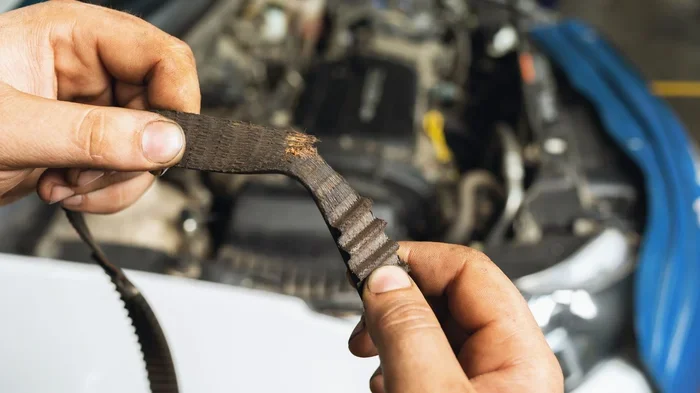
Visible Wear on the Belt
During routine maintenance, a mechanic may spot cracks, glazing, or fraying on the timing belt. These are clear signs the belt needs replacement soon. Don’t ignore this finding, even if the car seems to run fine.
Engine Won’t Start
If the timing belt breaks completely, your engine won’t turn over. You might hear the starter motor engage, but the engine itself won’t crank. This is a clear sign of total belt failure and requires immediate towing and repair.
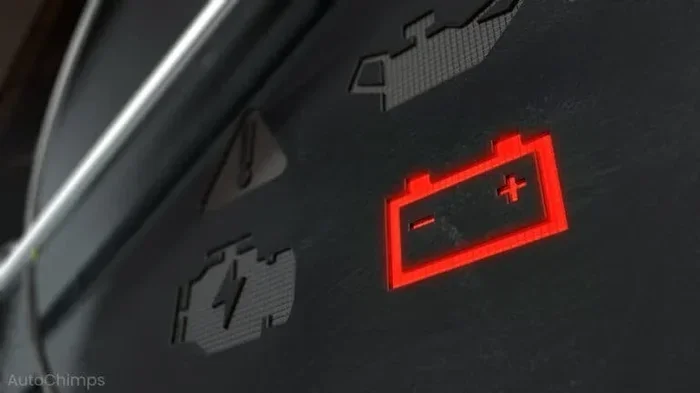
Check Engine Light
A failing timing belt can trigger the check engine light, especially if it causes misfires or sensor irregularities. While the check engine light has many possible causes, a timing belt issue is one worth investigating, particularly if you’re also noticing other symptoms on this list.
Timing Belt Replacement: What to Expect
Replacing a timing belt is a scheduled maintenance task, not something you wait for until it breaks. Most manufacturers recommend replacement at specific mileage intervals, typically between 60,000 and 100,000 miles. Check your owner’s manual for the exact interval for your vehicle.
Average Replacement Costs
The cost of replacing a timing belt varies depending on your vehicle make and model, labor rates in your area, and whether other components need replacing at the same time. Here’s a general breakdown:
- Timing belt only: $300 to $500
- Timing belt with water pump: $500 to $900
- Timing belt with water pump and tensioner: $700 to $1,000
- Engine repair after belt failure: $2,000 to $5,000+
As you can see, preventive replacement is far cheaper than repairing the damage caused by a broken belt. The labor is the biggest expense since the belt is often buried under several covers and components that need removal.
When to Replace the Belt Sooner
Some driving conditions can shorten the life of your timing belt. If you regularly drive in extreme heat, tow heavy loads, or spend a lot of time in stop-and-go traffic, consider replacing the belt earlier than the recommended interval. Also, if you notice any of the warning signs listed above, don’t wait for the mileage target.
Can You Replace the Timing Belt Yourself?
Experienced DIY mechanics with the right tools and service manual can replace a timing belt at home. However, this is not a beginner-level repair. Setting the timing correctly requires precision, and even a small error can cause serious engine damage. If you’re not confident in your skills, leave this job to a professional mechanic.
Preventing Timing Belt-Related Overheating
The best way to deal with a bad timing belt causing overheating is to prevent the problem before it starts. Here are some practical tips to keep your timing belt and cooling system in top shape:
Follow the Maintenance Schedule
Stick to the replacement intervals recommended by your vehicle manufacturer. This is the single most effective way to avoid timing belt failure. Keep records of when the belt was last replaced so you always know where you stand.
Inspect the Belt Regularly
During oil changes and routine services, ask your mechanic to visually inspect the timing belt for cracks, wear, or contamination. Catching minor damage early can save you from a sudden failure.
Keep the Cooling System in Good Shape
A healthy cooling system gives you a buffer even if the timing belt starts to slip. Make sure your coolant levels are correct, the radiator is clean, and the thermostat works properly. If you’ve ever dealt with low antifreeze, you know how quickly things can go wrong.
Watch for Early Warning Signs
Don’t ignore unusual sounds, vibrations, or changes in engine performance. The earlier you catch a failing timing belt, the less damage it can cause. If you notice ticking noises or rough idling, schedule an inspection right away.
Replace Related Components Together
When replacing the timing belt, it’s smart to also replace the water pump, tensioner, and idler pulleys if they show signs of wear. These parts are often driven by the same belt, and replacing them together saves you labor costs down the road. Many mechanics recommend this approach since the belt is already off and the work is already in progress.
Don’t Ignore Overheating Episodes
If your car overheats even once, take it seriously. Even if the timing belt wasn’t the cause, overheating can damage other engine components. And if a bad timing belt did contribute, repeated overheating episodes make the damage worse. If you’ve ever experienced overheating, check out whether it’s safe to drive your car after it overheats and what steps to take next.
Similarly, if you’re dealing with overheating and wonder about other possible causes, low coolant or antifreeze issues are common culprits. Learn more about how low antifreeze can cause your engine to overheat and what you can do about it.
What Happens If You Ignore a Bad Timing Belt?
Ignoring a failing timing belt is one of the most risky things you can do as a car owner. Here’s what can happen if you put off the repair:
- Complete belt failure: The belt snaps, and your engine stalls. If it’s an interference engine, the pistons can collide with the valves, causing bent valves, damaged pistons, and potentially a totaled engine.
- Severe engine overheating: Without the water pump functioning, coolant stops circulating. Temperatures inside the engine can exceed safe limits within minutes, warping cylinder heads and blowing head gaskets.
- Expensive repairs: A timing belt replacement costs a few hundred dollars. Engine repairs from a broken belt can cost several thousand dollars. The difference is enormous.
- Safety risks: A sudden engine failure while driving can be dangerous, especially at highway speeds or in heavy traffic.
The bottom line is clear. Replacing a timing belt on schedule is one of the most important things you can do to protect your engine and your wallet. Don’t wait for warning signs to become problems.
How Cooling System Health Connects to Timing Belt Condition
Your car’s cooling system and timing belt are more connected than most people realize. The water pump, which is often driven by the timing belt, is the heart of the cooling system. It pushes coolant through the engine block, absorbs heat, and sends the heated coolant to the radiator where it cools down before cycling back.
When the timing belt deteriorates, the water pump’s performance degrades along with it. Even a slightly slipping belt can reduce water pump speed, lowering coolant flow rate. This creates a slow but steady buildup of heat that your radiator may struggle to dissipate.
Some vehicles use electric water pumps that aren’t connected to the timing belt at all. In these cases, a bad timing belt won’t directly cause overheating through the water pump. However, timing misalignment can still cause increased friction and heat in the engine, so the connection isn’t entirely severed.
For those driving electric vehicles, the situation is different. Electric cars don’t have timing belts since they don’t have internal combustion engines. If you’re curious about whether electric cars can overheat despite having no timing belt, check out our article on electric car overheating to understand how EV thermal management works.
For traditional combustion engine vehicles, the takeaway is straightforward. A healthy timing belt supports a healthy cooling system. And a healthy cooling system prevents overheating. It’s all connected.
Common Mistakes That Make Timing Belt Problems Worse
Car owners sometimes make mistakes that accelerate timing belt wear or ignore early signals. Here are the most common ones to avoid:
- Skipping scheduled maintenance: The timing belt replacement interval exists for a reason. Skipping it dramatically increases your risk of failure.
- Using low-quality coolant: Contaminated or wrong-type coolant can corrode water pump seals and affect belt longevity.
- Overlooking small leaks: Oil or coolant leaks near the timing belt area can degrade the belt material over time.
- Driving with known warning signs: If your engine is ticking, misfiring, or running rough, pushing it harder only makes things worse.
- Delaying repairs after overheating: If your car has already overheated, the damage may have weakened the timing belt or its components. Get a full inspection.
Avoiding these mistakes keeps your engine running cooler, your timing belt lasting longer, and your repair bills lower. It’s a win-win-win.
Final Thoughts
So, can a bad timing belt cause a car to overheat? The answer is a clear yes. Whether it’s through water pump failure, timing misalignment, increased friction, or complete belt breakage, a deteriorating timing belt poses a real threat to your engine’s temperature regulation.
The good news is that this is a completely preventable problem. By following your maintenance schedule, watching for warning signs, and replacing the belt before it fails, you can avoid overheating and the expensive engine damage that comes with it. Your timing belt is a small part with a big job. Treat it well, and it will keep your engine running smoothly for miles to come.
Take a moment today to check your owner’s manual for the recommended timing belt replacement interval. If you’re approaching that mileage or noticing any of the symptoms we discussed, schedule an inspection with a trusted mechanic. A little preventive action now can save you from a major headache later.
Frequently Asked Questions
How do I know if my timing belt is causing my car to overheat?
Look for a combination of symptoms like ticking noises from the engine, overheating warnings on your temperature gauge, and coolant leaks near the front of the engine. If the water pump is driven by the timing belt, a worn or broken belt will stop coolant circulation, leading directly to overheating. A mechanic can inspect the belt and confirm whether it’s the source of the problem.
Can you drive a car with a bad timing belt?
It’s not recommended. A bad timing belt can break at any moment, leaving you stranded or causing severe engine damage. If the belt is also driving the water pump, your engine may overheat within minutes of driving. If you suspect your timing belt is failing, have the car towed to a repair shop instead of driving it.
How often should the timing belt be replaced to prevent overheating issues?
Most manufacturers recommend replacing the timing belt every 60,000 to 100,000 miles. However, if you drive in extreme conditions like high heat, heavy traffic, or tow frequently, consider replacing it sooner. Always check your owner’s manual for the specific interval and follow it closely to avoid overheating and engine damage.
Is it worth replacing the water pump when replacing the timing belt?
Yes, in most cases. Since the water pump is often driven by the timing belt, it’s exposed to the same wear and age. Replacing both at the same time saves you significant labor costs since the belt and covers are already off. It’s a smart preventive move that helps protect your cooling system from future failures.
What’s the difference between a timing belt and a serpentine belt?
A timing belt is located inside the engine and synchronizes the crankshaft and camshaft. A serpentine belt is on the outside of the engine and powers accessories like the alternator, power steering pump, and air conditioning compressor. Both can cause overheating if they fail, but they serve completely different purposes. A bad serpentine belt won’t stop the water pump in most modern cars since the water pump is usually driven by the engine mechanically or electrically.
Can a slipping timing belt cause overheating even if it doesn’t break?
Absolutely. A slipping timing belt can reduce the speed of the water pump, lowering coolant flow through the engine. It can also cause timing misalignment that increases friction and heat production. Even without a complete break, a slipping belt can create overheating conditions that damage your engine over time.