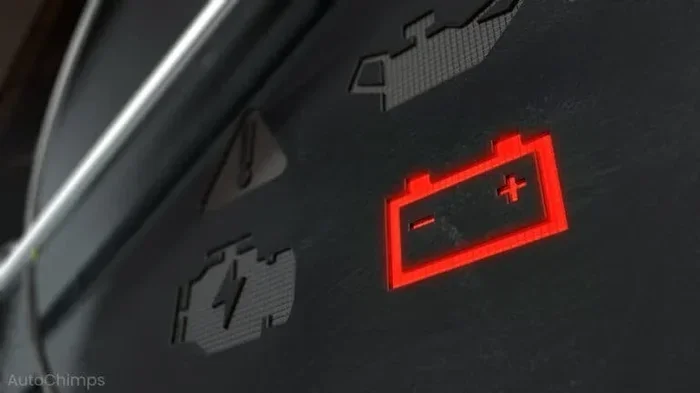
Can a Bad Battery Cause the Wrench Light to Come On
The wrench light on your dashboard can be alarming, and a bad battery is one of the most common culprits. When your car battery degrades or fails, it disrupts the electrical system, which can activate the wrench warning. Understanding the connection between battery health and this dashboard indicator helps you act fast and avoid costly repairs. This guide covers everything you need to know about can a bad battery cause the wrench light to come on, including symptoms, diagnosis, and practical fixes.
That little wrench icon glowing on your dashboard can send anyone into a panic. You are driving along, minding your own business, and suddenly there it is. Your first thought might be the worst: something is seriously wrong with your car. But before you start googling repair costs, take a breath. Can a bad battery cause the wrench light to come on? The short answer is yes. A failing or weak car battery is one of the most common reasons this warning light appears. Let us break down exactly why this happens, what else could be causing it, and what you should do about it.
The wrench light, also known as the powertrain warning light, is your car’s way of telling you something needs attention. It is part of the onboard diagnostics system that monitors everything from engine performance to electrical health. When the system detects an anomaly, it illuminates the wrench icon to alert you. While the light can point to many different issues, electrical problems top the list. And what is the most common electrical problem in any vehicle? A bad battery. Your car battery powers everything from the ignition system to the sensors that feed data to your engine computer. When that power source weakens, the ripple effects can show up in surprising ways on your dashboard.
Key Takeaways
- Yes, a bad battery can trigger the wrench light: A weak or failing battery disrupts the electrical signals that your car’s computer relies on.
- Low voltage is the main issue: When battery voltage drops below the normal range, the powertrain control module may throw a warning.
- Corroded battery terminals mimic battery problems: Dirty or corroded connections can cause the same symptoms as a dead battery.
- Other causes include alternator failure and sensor issues: A bad battery is not the only reason the wrench light appears.
- Use an OBD scanner for accurate diagnosis: A free diagnostic at many auto parts stores can pinpoint the exact problem.
- Replacing an old battery is often the simplest fix: Most car batteries last 3 to 5 years and should be replaced on schedule.
- Ignoring the wrench light can lead to bigger problems: Addressing the issue early saves money and keeps your car running safely.
📑 Table of Contents
- What Does the Wrench Light Mean?
- How Your Car Battery Works
- Can a Bad Battery Actually Trigger the Wrench Light?
- Other Common Causes of the Wrench Light
- How to Diagnose a Battery-Related Wrench Light
- What to Do When the Wrench Light Comes On
- Quick Tips for Preventing Battery-Related Wrench Lights
- Expert Insights on Battery and Warning Light Issues
- Key Takeaways
- Conclusion
What Does the Wrench Light Mean?
The wrench light is not as universally understood as the check engine light. While most drivers know a check engine light signals engine trouble, the wrench icon can be confusing. It is primarily associated with the powertrain control module, which manages your engine and transmission systems. When the wrench light comes on, it means the car’s computer has detected a problem within the powertrain or related electrical systems.
Wrench Light vs. Check Engine Light
People often confuse the wrench light with the check engine light, but they are not identical. The check engine light is a broad indicator that something is off in the emissions or engine system. The wrench light is more specific to the powertrain and electrical systems. Both lights can be triggered by similar issues, including a faulty battery, but they serve slightly different diagnostic purposes. If both lights come on at the same time, the problem is likely electrical in nature, and your battery should be one of the first things you check.
What the Wrench Light Looks Like
The wrench icon looks exactly like it sounds. It is a small picture of a wrench, usually orange or yellow. It may appear as a steady light or a flashing light. A steady wrench light generally means a less urgent issue, while a flashing light suggests a more serious problem that needs immediate attention. Either way, you should not ignore it. Even if your car seems to be running fine, the light is telling you that something is not working the way it should.
How Your Car Battery Works
To understand why a bad battery triggers the wrench light, you need to know a little bit about how your car battery works. Your battery is the heart of your car’s electrical system. It provides the power needed to start the engine, run the sensors, and keep the computer systems operational. Without a healthy battery, your car simply cannot function properly.
The Role of the Battery in Vehicle Electronics
Modern cars are packed with electronic components. Your engine control module, transmission control module, anti-lock braking system, and dozens of sensors all depend on a steady power supply. The battery provides this power, especially when the engine is off or during low-demand situations. When the battery voltage drops or becomes unstable, these systems can malfunction. The powertrain control module detects these malfunctions and responds by turning on the wrench light.
Normal Battery Voltage vs. Low Voltage
A healthy car battery should read around 12.6 volts when the engine is off. When the engine is running, the alternator charges the battery and the voltage should climb to between 13.7 and 14.7 volts. If your battery voltage drops below 12 volts with the engine off, that is a red flag. Low voltage can cause erratic behavior in your car’s computer systems, which directly leads to warning lights like the wrench icon. This is one of the most direct answers to the question, can a bad battery cause the wrench light to come on. Yes, low voltage is the primary mechanism through which a bad battery triggers this warning.
Can a Bad Battery Actually Trigger the Wrench Light?
The short answer is absolutely yes. A bad battery can and frequently does cause the wrench light to illuminate. But the connection between a failing battery and the wrench warning is not always straightforward. Let us look at the specific ways a bad battery can trigger this light.
Voltage Drops and Sensor Malfunctions
Your car relies on a network of sensors to monitor engine performance, fuel mixture, transmission shifting, and more. These sensors need a consistent voltage supply to work correctly. When your battery voltage drops, the sensors may send inaccurate data to the powertrain control module. The computer interprets this bad data as a system fault, and the wrench light comes on. This is especially common with older batteries that can no longer hold a steady charge.
Corroded Battery Terminals
Sometimes the battery itself is fine, but the terminals are corroded. Corrosion on the battery terminals creates resistance, which reduces the flow of electricity to the car’s systems. This can mimic the symptoms of a bad battery and trigger the wrench light. If you pop the hood and see a white or greenish buildup on your battery terminals, that is likely the cause. Cleaning the terminals or replacing the battery cables can often resolve the issue.
Weak Battery After a Cold Start
Cold weather is tough on car batteries. A battery that was working fine in summer might struggle in winter. If your battery is weak and you start your car on a cold morning, the voltage might dip low enough to trigger the wrench light. This is especially true if you are running the heater, defroster, and lights all at once. If you notice the wrench light flickering on cold mornings, your battery is probably the culprit.
Battery Age and Wear
Car batteries have a limited lifespan. Most last between three and five years. As a battery ages, its ability to hold a charge diminishes. An old battery might start your car just fine most of the time but fail under stress, such as when the air conditioning is on at full blast or when you are idling with multiple electrical accessories running. This intermittent failure can cause the wrench light to appear and disappear, which can be confusing but is still a sign of battery trouble.
Other Common Causes of the Wrench Light
While a bad battery is a leading cause, it is not the only reason the wrench light might come on. Understanding other potential causes helps you rule out a simple battery issue and identify the real problem. Here are the most common reasons the wrench light appears besides a faulty battery.
Alternator Failure
The alternator charges your battery while the engine runs. If the alternator fails, the battery drains quickly and the electrical system becomes unstable. The wrench light often comes on when the alternator stops working because the powertrain control module detects a drop in system voltage. If you recently replaced your battery but the wrench light keeps coming back, the alternator might be the real problem.
Faulty Sensors
Cars today have dozens of sensors monitoring everything from oxygen levels to transmission fluid temperature. A faulty sensor can send incorrect data to the car’s computer, triggering the wrench light. Common sensors that fail include the crankshaft position sensor, the camshaft position sensor, and the transmission speed sensor. These issues are not related to the battery but can produce similar warning lights.
Transmission Issues
The wrench light is closely tied to the transmission system. If your transmission is slipping, shifting roughly, or not responding properly, the wrench light will likely come on. Transmission problems can range from low fluid levels to serious internal damage. If the wrench light is flashing and you notice rough shifting, get your car to a mechanic as soon as possible.
ECM or PCM Problems
The engine control module and powertrain control module are the brains of your car’s electrical system. If either of these computers malfunctions, the wrench light can come on. In rare cases, a software glitch or a failed update can trigger the light. Some owners have found success with reprogramming the ECM to resolve persistent warning lights. You can learn more about DIY ECM reprogramming to see if this is a viable option for your situation.
Low Fluid Levels
Cars use various fluids to operate properly, including transmission fluid, brake fluid, and power steering fluid. Low fluid levels can trigger sensors that activate the wrench light. This is especially true for transmission fluid. If your wrench light comes on and your car feels sluggish when shifting, check your fluid levels before assuming the battery is the problem.
| Cause | Likelihood | Severity | DIY Fix? |
|---|---|---|---|
| Bad Battery | Very High | Moderate | Yes |
| Corroded Terminals | High | Low | Yes |
| Alternator Failure | Moderate | High | No |
| Faulty Sensors | Moderate | Moderate | Sometimes |
| Transmission Issues | Moderate | High | No |
| ECM/PCM Problems | Low | High | Sometimes |
| Low Fluid Levels | Moderate | Low to Moderate | Yes |
How to Diagnose a Battery-Related Wrench Light
If you suspect your battery is causing the wrench light, there are several steps you can take to confirm or rule out the battery as the cause. Diagnosing the problem yourself can save time and money, especially if the issue is simple.
Step 1: Check the Battery Voltage
Grab a multimeter and test your battery voltage. With the engine off, the battery should read 12.6 volts or higher. If it reads below 12 volts, your battery is weak or dead. Start the engine and check the voltage again. It should rise to between 13.7 and 14.7 volts. If it does not, your alternator might not be charging the battery properly. A low voltage reading is a strong indicator that your battery is the cause of the wrench light.
Step 2: Inspect the Battery Terminals
Look at your battery terminals for any signs of corrosion. White, blue, or greenish buildup is a clear sign of corrosion. Clean the terminals with a mixture of baking soda and water and a wire brush. After cleaning, reconnect the terminals and start the car. If the wrench light goes off, corrosion was the issue. If it stays on, the battery itself may need replacement.
Step 3: Get a Free Diagnostic Scan
Many auto parts stores offer free diagnostic scans. They plug an OBD scanner into your car and read the error codes stored in the powertrain control module. These codes tell you exactly what triggered the wrench light. You can also get a free diagnostic for your car at participating locations, which is a great first step before spending money on parts. The error codes will point you in the right direction, whether the problem is battery-related or something else entirely.
Step 4: Check the Battery Age
Look at the date code on your battery. Most batteries have a sticker or stamp that shows when they were manufactured. If your battery is more than three years old, it might be time for a replacement. Even if the battery tests okay, an old battery can cause intermittent electrical issues that trigger the wrench light. Replacing it is often the simplest and most cost-effective solution.
Step 5: Test the Alternator
If your battery voltage is fine with the engine off but drops significantly with the engine running, the alternator is likely failing. A bad alternator will drain your battery and cause electrical warnings. Have a friend start the car while you measure the voltage at the battery terminals. If the voltage stays below 13.5 volts with the engine running, the alternator needs attention. This is a common companion problem to battery issues and can cause the wrench light to persist even after a battery replacement.
What to Do When the Wrench Light Comes On
Seeing the wrench light on your dashboard can be stressful, but staying calm and taking the right steps makes all the difference. Here is a practical action plan for when the wrench light appears.
Do Not Panic
First and foremost, do not panic. The wrench light does not always mean your car is about to break down. In many cases, it signals a minor issue that is easy to fix. A bad battery, corroded terminals, or low fluid levels are all common causes that can be addressed quickly and affordably. Panicking can lead to poor decisions, so take a moment to assess the situation calmly.
Check for Other Warning Lights
Look at your dashboard for any other warning lights. If the wrench light is the only one on, the problem is likely less urgent. If you also see the check engine light, the oil pressure light, or the temperature warning light, the issue might be more serious. Multiple warning lights together suggest a broader electrical or mechanical problem that needs immediate attention.
Note When the Light Appears
Pay attention to when the wrench light comes on. Does it appear when you start the car and then go off? Does it stay on while driving? Does it flicker when you use electrical accessories? These details help you and your mechanic narrow down the cause. For example, if the light only comes on when you turn the heater on full blast, your battery might be struggling under the electrical load.
Visit a Mechanic or Auto Parts Store
If the wrench light stays on, get your car checked as soon as possible. Many auto parts stores will read your error codes for free. If the codes point to a battery or electrical issue, you can address it directly. If the codes suggest a more complex problem, a mechanic can perform a deeper inspection. The cost of a diagnostic is usually minimal, and it can save you from replacing parts you do not need.
Replace the Battery if Necessary
If your battery is old, weak, or showing signs of failure, replace it. A new battery is one of the most affordable car repairs you can do, and it often resolves the wrench light completely. Make sure to choose a battery that matches your car’s specifications. If you are unsure about the right battery for your vehicle, consult your owner’s manual or ask a professional at your local auto parts store.
Prevent Future Issues
Once you have resolved the wrench light issue, take steps to prevent it from happening again. Keep your battery terminals clean, check the battery voltage regularly, and replace your battery on a regular schedule. Avoid leaving electrical accessories on when the engine is off. These simple habits keep your electrical system healthy and your dashboard warning lights off.
Quick Tips for Preventing Battery-Related Wrench Lights
- Test your battery every six months using a multimeter or at an auto parts store.
- Clean the battery terminals at least once a year to prevent corrosion buildup.
- Replace your battery every three to five years, even if it seems to be working fine.
- Avoid short trips that do not give the battery enough time to fully recharge.
- Turn off all electrical accessories when the engine is off to reduce battery drain.
- Keep jumper cables in your trunk for emergencies, especially in cold weather.
- Check the alternator during every oil change to make sure it is charging properly.
Expert Insights on Battery and Warning Light Issues
Experienced mechanics agree that battery-related warning lights are among the most common issues they see in the shop. According to industry data, electrical problems account for a large percentage of dashboard warning light triggers, and the battery is the primary electrical component in any vehicle. Many drivers assume the wrench light means a major repair is needed, but in practice, a simple battery replacement resolves the issue more often than not.
One important thing to keep in mind is that a bad battery can mask other problems. When the battery is weak, it causes voltage fluctuations that can make sensors behave erratically. This means a mechanic might replace a perfectly good sensor when the real issue is just a failing battery. Always start with the simplest explanation: check the battery first. This saves time, money, and unnecessary repairs.
Another expert tip is to pay attention to the age of your battery. Most drivers do not know how old their battery is until it fails completely. Writing down the purchase date or taking a photo of the battery label can help you track its age. If your battery is approaching the three-year mark, consider having it tested proactively. This simple habit can prevent the surprise of a dead battery and an unexpected wrench light on a busy morning.
Key Takeaways
- A bad battery can definitely cause the wrench light to come on: Low voltage and unstable electrical output are the primary triggers.
- Corroded terminals and old battery age are common contributing factors: Regular maintenance prevents these issues.
- The wrench light is not always a sign of a serious problem: In many cases, it points to a simple battery issue that is easy and affordable to fix.
- Use an OBD scanner or get a free diagnostic to identify the exact cause: Error codes tell you precisely what is wrong.
- Check the alternator if the wrench light persists after a battery replacement: A failing alternator can cause the same symptoms as a bad battery.
- Preventive maintenance keeps the wrench light away: Regular battery testing and terminal cleaning go a long way.
- Do not ignore the wrench light: Even if your car seems fine, the warning indicates an underlying issue that will get worse over time.
Conclusion
The wrench light on your dashboard does not have to be a source of fear and confusion. Can a bad battery cause the wrench light to come on? Yes, and it is one of the most common reasons this warning appears. A weak, old, or poorly connected battery disrupts the electrical signals your car needs to operate correctly, which triggers the powertrain warning. The good news is that this is usually an easy and affordable fix. Start by checking your battery voltage, inspecting the terminals, and getting a diagnostic scan if the light stays on. Most of the time, a simple battery replacement or terminal cleaning resolves the problem completely.
Do not let the wrench light sit on your dashboard for weeks or months. The longer you ignore it, the more potential damage can occur. Electrical issues can cascade into bigger problems if left unaddressed. Take action at the first sign of the wrench icon, and your car will reward you with reliable performance and fewer surprises down the road. Keep your battery healthy, your terminals clean, and your electrical system in good shape, and the wrench light will stay off where it belongs.
Frequently Asked Questions
Can a completely dead battery cause the wrench light to come on?
Yes, a completely dead battery can cause the wrench light to illuminate. When the battery has no charge, the car’s electrical systems cannot function properly, and the powertrain control module detects the failure. This triggers the wrench warning as a safety alert. Jump-starting the car or replacing the battery usually resolves the issue.
How long can I drive with the wrench light on?
It depends on the cause. If the wrench light is caused by a weak battery, you may be able to drive a short distance, but the car could stall at any time. If the light is flashing, stop driving immediately and get the car towed. A steady wrench light is less urgent but should still be addressed promptly to avoid further damage.
Will resetting the wrench light fix a bad battery?
No, resetting the wrench light does not fix the underlying problem. The light will simply come back on once the car’s computer detects the same issue again. The real fix is to address the battery problem itself, whether that means cleaning the terminals, charging the battery, or replacing it entirely.
How much does it cost to replace a car battery?
A standard car battery costs between $100 and $250, depending on the brand and size. Installation at a shop typically adds $20 to $50, but many auto parts stores install the battery for free with purchase. This is one of the most affordable car repairs you can do, and it often resolves warning lights like the wrench icon.
Can cold weather make a bad battery trigger the wrench light?
Absolutely. Cold weather reduces a battery’s ability to hold a charge and deliver power. A battery that works fine in summer might struggle in winter, causing voltage drops that trigger the wrench light. If you live in a cold climate, testing your battery before winter is a smart preventive step.
What should I do if the wrench light comes on and my car won’t start?
If the wrench light is on and your car will not start, the battery is the most likely cause. Try jump-starting the car with jumper cables or a portable jump starter. If the car starts but the wrench light stays on, get a diagnostic scan to read the error codes. If the car will not start even after a jump, the battery may need to be replaced entirely.