Can You Manually Release an Electronic Parking Brake
Yes, you can manually release an electronic parking brake in most vehicles using a simple cable pull or release tool. This guide covers every method, safety precaution, and common mistake so you can handle a stuck electronic parking brake with confidence.
You are standing in your driveway, ready to hit the road, and your car refuses to move. The electronic parking brake is engaged, and there is no button in sight that will release it. Panic sets in. But before you call a tow truck, take a breath. You can manually release an electronic parking brake in most vehicles, and you do not need to be a mechanic to do it.
This article walks you through every method, every tool, and every safety precaution you need. Whether your electronic parking brake is stuck due to a dead battery, a corroded cable, or a faulty actuator, we have you covered. By the end, you will know exactly what to do and why it works.
The electronic parking brake, often called an EPB, has become standard in modern cars. It replaces the traditional lever or pedal with a push-button system controlled by the car’s computer. While this adds convenience, it also introduces new points of failure. Understanding how your EPB works and how to override it manually is one of the most valuable skills any driver can have.
Key Takeaways
- Manual release is possible: Most electronic parking brakes have a backup cable or release mechanism for emergencies.
- You need basic tools: A flashlight, gloves, and sometimes a small wrench or release tool are all you need.
- Safety comes first: Always set the parking brake fully before working underneath the vehicle, and use jack stands.
- Common causes of a stuck EPB: Corrosion, a blown fuse, a dead battery, or a faulty actuator can all trigger this problem.
- Know when to call a pro: If the manual release does not work or you notice brake fluid leaks, seek professional help immediately.
- Prevention is simple: Regular maintenance, keeping the battery charged, and avoiding moisture buildup can prevent most EPB issues.
📑 Table of Contents
- What Is an Electronic Parking Brake?
- Can You Manually Release an Electronic Parking Brake?
- Tools You Will Need for Manual Release
- Step-by-Step Guide to Manually Releasing the EPB
- When to Seek Professional Help
- Preventing EPB Problems Before They Start
- How the EPB Compares to Traditional Parking Brakes
- Key Takeaways
- Conclusion
What Is an Electronic Parking Brake?
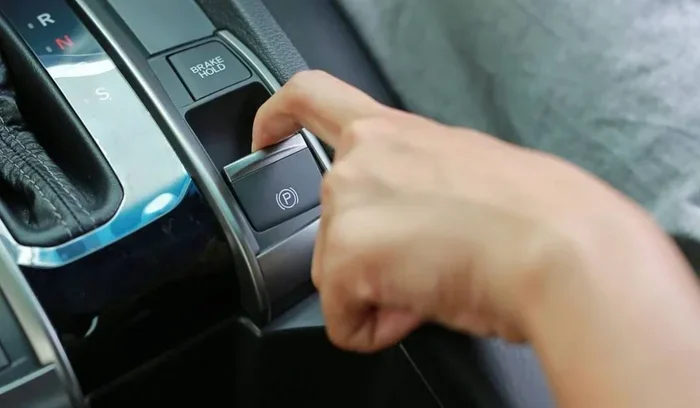
An electronic parking brake is a computer-controlled braking system that replaces the traditional mechanical lever or pedal. Instead of pulling a handle, you press a button on the center console or dashboard. The system uses electric motors, called actuators, to engage and release the brake pads at the rear wheels.
How EPB Systems Work
When you press the EPB button, the car’s electronic control unit sends a signal to the rear brake actuators. These small motors push the brake pads against the rotors, holding the car in place. When you release the button, the motors retract the pads, freeing the wheels. The entire process happens in seconds and requires no physical cable pulling on your part.
Most EPB systems also include a feature called auto-hold. This keeps the brake engaged when you stop at a light or on a hill, and releases it automatically when you press the gas pedal. It is a great convenience, but it depends on sensors, motors, and software all working together.
Common EPB Problems Drivers Face
Like any electronic system, the parking brake can develop issues over time. Here are the most common problems:
- Dead or weak car battery: The EPB needs electrical power to release. If your battery is dead, the system may stay engaged.
- Corroded brake cables: Moisture can cause the mechanical backup cables to rust and seize up.
- Faulty actuator motor: The electric motor that engages the brake can fail over time.
- Blown fuse: A tripped fuse in the EPB circuit can prevent the system from operating.
- Software glitch: Sometimes the car’s computer simply needs a reset.
Each of these problems can leave you with a parking brake that will not release through normal means. That is where knowing how to manually release the system becomes essential.
Can You Manually Release an Electronic Parking Brake?
The short answer is yes. Almost every vehicle with an electronic parking brake includes a manual release method as a backup. Car manufacturers know that electronics can fail, so they build in a mechanical override. This is typically a cable that you can access under the vehicle or behind a trim panel.
However, the exact method varies by car make and model. Some vehicles use a cable pull under the rear bumper, while others have a small access hole in the trunk floor or under the center console. Consulting your owner’s manual is always the first step. If you do not have the manual, the steps below cover the most common methods.
It is worth noting that you should never try to force the car into gear or drive it while the EPB is fully engaged. This can damage the braking system and create a serious safety hazard. Always release the parking brake properly before driving.
Methods for Manual EPB Release
There are three primary methods for manually releasing an electronic parking brake. The method you use depends on your vehicle and the situation.
Method 1: The Cable Pull Under the Vehicle
Many cars have a manual release cable located underneath the rear of the vehicle. You access it by getting under the car (always use jack stands for safety) and looking for a small rubber-covered cable near the rear brake assemblies. Pulling this cable disengages the brake pads mechanically, bypassing the electronic system entirely.
Method 2: The Trunk Access Panel
Some vehicles, especially certain models from BMW, Mercedes-Benz, and Audi, have a manual release access panel inside the trunk. You remove a small cover on the trunk floor or side panel, and you will find a hex bolt or cable pull mechanism. Turning or pulling this releases the parking brake.
Method 3: The Fuse or Relay Reset
If the EPB is stuck due to an electrical fault rather than a mechanical issue, you may be able to reset it by removing and reinserting the EPB fuse. This is found in the fuse box, usually under the hood or inside the driver’s door panel. Check your owner’s manual for the exact fuse location. This method is quick and often solves the problem without any physical intervention.
Tools You Will Need for Manual Release
Before you start, gather the right tools. You do not need anything fancy, but having the correct equipment makes the process much smoother and safer.
- Flashlight: You will be working in dark areas under the car or inside the trunk. A good LED flashlight is essential.
- Gloves: Brake dust and grease can irritate your skin. Wear nitrile or mechanic gloves to keep your hands clean and protected.
- Jack and jack stands: If you need to get under the vehicle, never rely on a jack alone. Jack stands provide stable support.
- Small wrench or socket set: Some manual release mechanisms require a 10mm or 12mm wrench to turn a retaining bolt.
- Fuse puller: A small plastic tool for removing fuses without damaging the fuse box.
- Owner’s manual: Your vehicle-specific guide is the best resource for locating the exact manual release point.
Having these tools ready before you start saves time and frustration. It also ensures you do not have to interrupt the process to find something you need.
Step-by-Step Guide to Manually Releasing the EPB
Follow these steps carefully to safely release your electronic parking brake using the manual override method.
- Park on a flat, level surface. This prevents the car from rolling while you work. Turn off the engine and remove the key from the ignition.
- Engage the regular brake pedal. Press the foot brake firmly. This is a safety measure that prevents the car from moving unexpectedly.
- Locate the manual release point. Check your owner’s manual for the exact location. For most vehicles, this is either under the rear bumper or inside the trunk.
- If working under the car, lift it safely. Use a jack to raise the rear of the vehicle, then place jack stands under the frame rails. Never work under a car supported only by a jack.
- Find the manual release cable or bolt. Look for a rubber-covered cable near the rear brake assemblies or a small access panel in the trunk floor.
- Pull or turn the release mechanism. For a cable pull, grip the rubber end and pull firmly toward the front of the car. For a hex bolt, turn it counterclockwise with the appropriate wrench.
- Listen for a click or feel the brake release. You should feel the brake pads disengage from the rotors. The parking brake light on your dashboard should also turn off.
- Lower the car if you lifted it. Remove the jack stands and lower the vehicle to the ground using the jack.
- Test the release by trying to move the car. With the foot brake pressed, shift into gear. The car should move freely if the parking brake is fully released.
If the brake does not release after following these steps, the problem may be more serious than a simple electronic fault. Move on to the next section for guidance on when to call a professional.
When to Seek Professional Help
Manual release methods work in the vast majority of cases. But there are situations where you should not attempt the procedure yourself and instead take the car to a qualified mechanic.
You notice brake fluid leaking. If you see any fluid pooling under the car near the rear wheels, do not attempt to drive or release the brake yourself. A brake fluid leak can compromise your entire braking system and is a serious safety risk. Call a tow truck and have the car transported to a repair shop.
The manual release cable is broken or seized. If the cable snaps when you pull it or does not move at all, you need professional tools and expertise to fix the issue. Forcing a broken cable can damage the brake calipers and lead to expensive repairs.
The EPB warning light stays on after release. Sometimes the brake releases mechanically, but the dashboard light remains illuminated. This indicates a sensor or module issue that requires diagnostic equipment to resolve.
You are uncomfortable working under the car. There is no shame in this. If you do not feel confident getting under the vehicle or working with the braking system, a mechanic can handle the job quickly and safely. Many shops will release a stuck EPB for a modest diagnostic fee.
It is also worth noting that attempting complex brake repairs without proper training can void your warranty. If your car is still under warranty, check with your dealer before attempting any manual EPB release procedures.
Preventing EPB Problems Before They Start
The best way to deal with a stuck electronic parking brake is to prevent the problem from happening in the first place. A few simple habits can keep your EPB working reliably for years.
Keep Your Battery Healthy
The electronic parking brake depends on your car’s electrical system to function. A weak or dying battery can cause all sorts of electronic glitches, including a parking brake that will not release. Have your battery tested regularly, especially before winter. Most auto parts stores will test your battery for free.
Protect the Rear Brakes from Moisture
Corrosion is one of the leading causes of a stuck manual release cable. If you live in a coastal area or drive through salted roads in winter, rinse the undercarriage of your car regularly. Applying a light coating of silicone-based protectant to the rear brake area can also help prevent rust buildup.
Use the EPB Correctly
Do not engage the electronic parking brake while the car is still moving at high speed. This can damage the actuator motor and trigger error codes. Always come to a complete stop before pressing the EPB button. Also, do not leave the car parked on a steep hill with only the EPB holding it. Use wheel wedges for extra safety on steep inclines.
Schedule Regular Brake Inspections
During routine oil changes or tire rotations, ask your mechanic to inspect the rear brake components and the EPB system. Catching a worn actuator or a fraying cable early can save you from a stuck parking brake at the worst possible moment.
How the EPB Compares to Traditional Parking Brakes
Understanding the difference between an electronic parking brake and a traditional mechanical one helps you appreciate why manual release methods matter. Here is a quick comparison.
| Feature | Electronic Parking Brake | Traditional Mechanical Parking Brake |
|---|---|---|
| Operation | Button-activated, computer-controlled | Lever or pedal-activated, cable-operated |
| Manual Release | Hidden cable or access panel required | Direct lever or pedal pull |
| Convenience | High, with auto-hold feature | Moderate, requires manual engagement each time |
| Failure Risk | Electrical and software issues possible | Cable stretching or snapping over time |
| Maintenance | Less frequent, but more complex when needed | Simple cable adjustment and replacement |
| Cost to Repair | Higher due to electronic components | Lower, mostly mechanical parts |
Both systems have their advantages. The electronic parking brake offers modern convenience and features like auto-hold that make daily driving easier. But when something goes wrong, having a mechanical backup and knowing how to use it is invaluable. This is similar to knowing how to turn steering assist off when the system malfunctions, or how to handle a car that will not start in an emergency.
Key Takeaways
- Manual release is possible in nearly all vehicles: Every electronic parking brake system includes a mechanical override cable or access point for emergencies.
- Know your vehicle: The manual release location varies by make and model. Always check your owner’s manual first.
- Safety is non-negotiable: Use jack stands, wear gloves, and never work under a car supported only by a jack.
- Common causes include dead batteries, corroded cables, and faulty actuators: Regular maintenance can prevent most of these issues.
- Seek professional help for serious problems: Brake fluid leaks, broken cables, and persistent warning lights require expert attention.
- Prevention beats repair: A healthy battery, regular brake inspections, and proper EPB usage keep the system working smoothly.
Conclusion
A stuck electronic parking brake can feel like a crisis, but it rarely is. With the right knowledge and a few basic tools, you can manually release the system and get back on the road in minutes. The key is staying calm, following the steps carefully, and knowing your limits.
Remember that the electronic parking brake is a sophisticated system with a simple mechanical backup built in. Use that backup when you need to, and take steps to prevent problems before they start. Keep your battery healthy, protect the rear brakes from moisture, and schedule regular inspections. These small habits make a big difference.
Whether you deal with a stuck electronic parking brake once or never at all, the knowledge you gained from this guide is worth more than any single repair. Share it with a friend who might need it, and always keep your owner’s manual handy. Your car is a complex machine, but understanding the basics puts you in control.
And just as you would know how to handle issues like a car that overheats, a dead battery, or a broken muffler, knowing how to release your EPB manually is another essential skill that every driver should have. Stay prepared, stay safe, and drive with confidence.
Frequently Asked Questions
Can I drive with the electronic parking brake partially engaged?
You should never drive with the EPB partially engaged. It will cause excessive wear on the brake pads and rotors, and it can overheat the braking system. If you notice a burning smell while driving, pull over safely and check the parking brake status immediately.
How much does it cost to repair an electronic parking brake?
Repair costs vary widely depending on the issue. A simple fuse replacement might cost under $20, while replacing an actuator motor can range from $200 to $500 including labor. Always get a diagnostic from a qualified mechanic before committing to a repair.
Why does my electronic parking brake keep engaging on its own?
This is usually caused by a sensor malfunction, a software glitch, or a problem with the brake fluid level sensor. Low brake fluid can trigger the EPB to engage as a safety precaution. Check your brake fluid level first, and if it is fine, have the system scanned for error codes.
Is it safe to use the manual release cable while the car is on a slope?
It is not recommended. If you must release the EPB on a slope, have someone apply the wheel wedges to the front tires before you start. Always work on a flat surface whenever possible to prevent the car from rolling.
Can a dead car battery cause the electronic parking brake to stick?
Yes, absolutely. The EPB relies on electrical power to release the brake. If your battery is dead or too weak to supply sufficient voltage, the parking brake may remain engaged even when you press the release button.
Do all cars with electronic parking brakes have a manual release option?
Nearly all do, but the location and method vary by manufacturer and model. Some cars have a cable under the rear bumper, while others use a trunk access panel or a hex bolt inside the trunk floor. Your owner’s manual will show you the exact location for your specific vehicle.