Can You Check Transmission Fluid in a Closed System
Yes, you can check transmission fluid in a closed system, but it requires a different approach than traditional dipstick methods. This guide walks you through the process step by step, covering what a closed system is, why it matters, and how to avoid common mistakes. You will learn the proper tools, techniques, and timing to get accurate readings every time.
The question “can you check transmission fluid in a closed system” is one that many car owners ask. Modern vehicles have evolved, and so have their transmission designs. Many newer cars and trucks use a closed system that does not feature the traditional dipstick you might remember from older vehicles. This can leave drivers feeling unsure about how to check their fluid levels properly.
Knowing how to check your transmission fluid is an essential part of car maintenance. Transmission fluid keeps all the internal parts lubricated and cool. Without the right fluid level, your transmission can overheat, slip, or even fail entirely. The good news is that checking fluid in a closed system is not as hard as it might seem. With the right tools and a little patience, you can do it yourself.
In this guide, we will cover everything you need to know. We will explain what a closed system is, walk you through the checking process, and share tips to keep your transmission running smoothly. Whether you drive an automatic or manual transmission, this article will help you stay on top of your maintenance game.
Key Takeaways
- Closed system transmissions do not have a traditional dipstick, making fluid checks more involved.
- Checking transmission fluid in a closed system requires specific tools and a warm engine.
- Low or dirty transmission fluid can cause serious damage if ignored.
- Regular transmission maintenance helps extend the life of your vehicle.
- Professional diagnostics can help if you are unsure about your fluid levels.
- Knowing the signs of low fluid can save you from costly repairs.
📑 Table of Contents
- Can You Check Transmission Fluid in a Closed System?
- Understanding How a Closed System Transmission Works
- Tools and Preparation for Checking Transmission Fluid
- Step-by-Step Guide to Checking the Fluid
- Common Problems With Closed System Transmissions
- How Often Should You Change Transmission Fluid?
- Expert Tips for Long-Lasting Transmission Health
- Conclusion
Can You Check Transmission Fluid in a Closed System?
The short answer is yes. Can you check transmission fluid in a closed system? Absolutely. But the process is different from what you might be used to. Traditional vehicles have a dipstick that you can pull out, wipe clean, reinsert, and then read the level. Closed system transmissions do not work that way.
Instead, these systems use a fill plug on the side of the transmission housing. Some newer vehicles also require a computer diagnostic tool to read the fluid level accurately. The method you use depends on your specific vehicle make and model. Always check your owner’s manual first to find the right approach for your car.
Understanding your transmission type is the first step. A closed system is designed to be sealed from external contaminants. This helps keep the fluid cleaner for longer. But it also means you cannot simply open a cap and peek inside. You need to follow a specific procedure to get an accurate reading. Taking the time to learn this process is well worth the effort.
Understanding How a Closed System Transmission Works
What Makes It Different From Open Systems
An open system transmission has a dipstick tube that extends down into the transmission housing. You can easily pull the dipstick out and check the fluid level on the markings. This design has been standard for decades and is still found in many older vehicles and some trucks today.
A closed system does not have this dipstick. Instead, the transmission is sealed with a fill plug and sometimes a drain plug. The fluid is checked by removing the fill plug and looking for fluid level indicators. Some manufacturers use a specific bolt position to show whether the fluid is at the right level.
The main advantage of a closed system is better contamination control. Dirt, debris, and moisture cannot enter as easily. This means the transmission fluid stays cleaner longer. It also means fewer chances of overfilling, which can cause problems like foaming or pressure buildup inside the transmission. Foaming can reduce lubrication and lead to premature wear on internal components.
Closed systems also tend to hold fluid better over time. There is less evaporation and less exposure to air. This is one reason why many manufacturers have moved toward sealed designs in modern vehicles. It is a smart engineering choice that benefits long-term transmission health.
Common Vehicle Models With Closed Systems
Many modern vehicles use closed system transmissions. Most late-model cars from manufacturers like Ford, Chevrolet, Toyota, and Honda use this design. If your vehicle was made after 2010, there is a good chance it has a closed system.
Some specific examples include many front-wheel-drive vehicles and newer all-wheel-drive setups. These transmissions are often smaller and more compact, which makes a sealed design more practical. The lack of a dipstick also simplifies the overall design and reduces potential leak points.
Always refer to your owner’s manual to confirm whether your vehicle uses a closed system. If you do not have the manual, a quick online search using your vehicle’s year, make, and model will usually give you the answer. You can also ask a mechanic at your local shop for confirmation.
Tools and Preparation for Checking Transmission Fluid
What You Will Need
Before you start, gather the right tools. You will need a few basic items to check your transmission fluid properly in a closed system. Having everything ready beforehand makes the process much smoother and faster.
- A socket wrench set (the size depends on your fill plug)
- A transmission fluid check tool or dipstick adapter (if your vehicle uses one)
- The correct type of transmission fluid for your vehicle
- A clean rag or paper towel
- A jack and jack stands or a ramp (if needed for access)
- A catch pan for any fluid that may drip
Using the wrong fluid type is one of the most common mistakes drivers make. Always check your owner’s manual for the recommended ATF (automatic transmission fluid) or manual transmission fluid type. Using the wrong fluid can damage internal seals and cause slipping or overheating. When in doubt, consult a professional or refer to the manufacturer’s specifications.
When to Check the Fluid
Timing matters when checking transmission fluid in a closed system. You should check the fluid when the engine is warm and running. Most manufacturers recommend checking the fluid at operating temperature. This gives you the most accurate reading because the fluid expands when warm and fills all the internal channels properly.
Here are some tips for timing your check:
- Drive the vehicle for about 10 to 15 minutes to warm up the transmission
- Park on a level surface to get an accurate reading
- Keep the engine running while you check the level
- Make sure the transmission is in park for automatic or neutral for manual
- Check the fluid in a well-lit area for better visibility
Never check the fluid when the engine is cold. A cold reading can give you a false low level, which might lead to unnecessary fluid addition. Always follow the warm-engine procedure for the most reliable results. A few extra minutes of waiting can save you from adding fluid you do not need.
Step-by-Step Guide to Checking the Fluid
Step 1: Warm Up the Engine
Start your engine and let it idle for a few minutes. Drive the vehicle around the block or just let it sit in park for 10 to 15 minutes. The transmission fluid should be warm but not scorching hot. If you have just driven a long distance, let the engine cool for about five minutes before checking.
Warming up the fluid allows it to flow properly and fill all the internal channels. This gives you a much more accurate reading. Cold fluid is thicker and does not settle into the transmission housing the same way warm fluid does. Think of it like checking your engine oil the same way warm oil gives a better reading on the dipstick.
Step 2: Locate the Fill Plug
Open the hood and then go under the vehicle. Look for the fill plug on the side of the transmission housing. It is usually a bolt located on the side or near the top of the transmission. Refer to your owner’s manual for the exact location.
Some vehicles also have a level indicator bolt nearby. This bolt is used to check the fluid level. When fluid is at the proper level, it will either drip out of this bolt or be visible at the bottom of the hole. Make sure you do not confuse the fill plug with the drain plug. Removing the wrong bolt can create a mess and waste fluid.
Take your time locating the right plug. If you are unsure, look for markings on the transmission housing or consult a repair guide specific to your vehicle model. A flashlight can be very helpful in tight spaces under the car.
Step 3: Check the Fluid Level
With the engine still running and the transmission in park, carefully remove the fill plug using your socket wrench. If fluid slowly drips out of the fill hole, the level is good. If no fluid comes out or it drips very slowly, the level is low and needs to be topped off.
Some vehicles have a separate level check bolt. In this case, remove the level bolt and look for fluid at the bottom of the hole. Fluid should be level with the bottom of the hole. If fluid does not reach the hole, you need to add more. If fluid pours out, the system may be overfilled.
Be careful not to let any dirt or debris fall into the transmission while you are working. Use a clean rag to wipe around the plug area before removing it. Contamination is one of the biggest enemies of transmission health. Even a small particle of dirt can cause damage to internal components over time.
Step 4: Assess the Fluid Condition
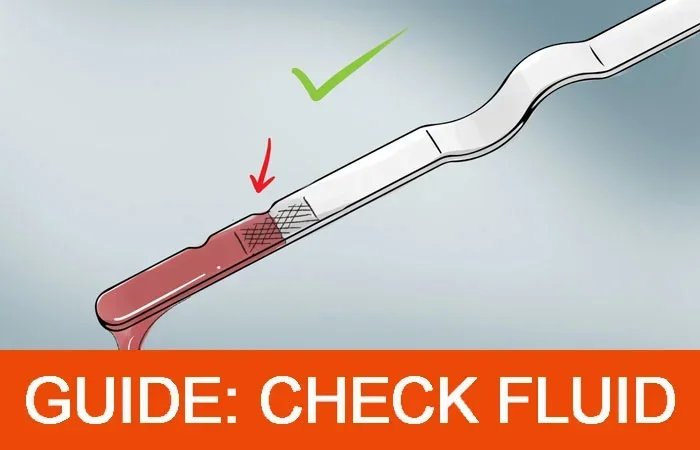
While you have the transmission open, take a moment to check the fluid condition. Fresh transmission fluid is usually red or pink and has a slightly sweet smell. Dark brown or black fluid means it is old and needs to be changed. A burnt smell is a warning sign of overheating or internal damage.
Here is what to look for when assessing fluid condition:
- Color: Bright red means fresh fluid. Dark brown means it is aging. Black means it needs immediate replacement.
- Smell: A sweet or slightly tart smell is normal. A burnt or acrid smell indicates overheating or damage.
- Texture: Fluid should feel smooth. Gritty or rough texture suggests metal particles from internal wear.
- Particles: Any visible metal flakes or debris are a red flag for internal transmission damage.
If your fluid looks dark, smells burnt, or has particles in it, it is time for a transmission fluid change. Continuing to drive with bad fluid can lead to serious transmission damage. Think of fluid condition as a health report for your transmission.
Common Problems With Closed System Transmissions
Low Fluid Symptoms
Low transmission fluid can cause a range of problems. Recognizing these symptoms early can save you from expensive repairs. Here are the most common signs that your fluid level is too low:
- Slipping gears or difficulty shifting between gears
- Delayed engagement when shifting from park to drive
- A burning smell coming from under the vehicle
- Unusual noises like whining or grinding during shifts
- Transmission overheating warnings on the dashboard
- Fluid leaks visible under the vehicle
If you notice any of these symptoms, check your fluid level right away. Low fluid is often caused by a small leak in the transmission pan or seal. Catching a leak early can prevent the need for a full transmission rebuild. Ignoring these signs is one of the fastest ways to turn a small repair into a big expense.
Dirty or Burnt Fluid
Over time, transmission fluid breaks down from heat and use. Dirty fluid does not lubricate as effectively. This can lead to increased wear on internal components like transmission bands, solenoids, and clutch packs. The fluid also loses its ability to transfer heat properly, which can cause overheating.
Burnt fluid is especially concerning. It often happens when the transmission overheats, which can be caused by towing heavy loads, driving in stop-and-go traffic, or ignoring fluid change intervals. If your fluid smells burnt, do not delay in getting it changed. Fresh fluid can sometimes restore smooth shifting and reduce heat buildup.
When to Seek Professional Help
Sometimes, checking transmission fluid in a closed system is not enough. If you notice persistent problems like slipping, hard shifting, or fluid leaks, you should seek professional help. A trained mechanic has the tools and expertise to diagnose deeper issues that go beyond fluid levels.
If you are not comfortable doing this yourself, you can always get a free diagnostic for your car at many local auto shops. These diagnostics can reveal hidden problems that a simple fluid check cannot show. It is always better to be safe than sorry when it comes to your transmission.
Also, keep in mind that driving with serious transmission issues can make things worse quickly. Just like ignoring a blown head gasket, pushing a damaged transmission can lead to complete failure. If something feels off, get it checked out sooner rather than later. A quick visit to a mechanic can save you thousands of dollars in the long run.
How Often Should You Change Transmission Fluid?
Recommended Intervals
Most manufacturers recommend changing transmission fluid every 30,000 to 60,000 miles. However, this can vary based on your driving habits, vehicle type, and the kind of fluid you use. Always refer to your owner’s manual for the specific interval recommended for your vehicle.
Here is a general breakdown of fluid change intervals based on driving conditions:
- Normal driving: Every 60,000 miles
- Severe driving (towing, stop-and-go, extreme heat): Every 30,000 miles
- Manual transmissions: Every 30,000 to 60,000 miles
- Automatic transmissions: Every 60,000 miles or as specified by the manufacturer
Severe driving conditions shorten the life of your transmission fluid significantly. If you frequently tow trailers, drive in heavy traffic, or live in a hot climate, you should change your fluid more often. Regular fluid changes are one of the best car maintenance tips for extending transmission life and keeping your vehicle running reliably.
Signs It Is Time for a Change
Even if you have not hit the recommended mileage, certain signs indicate it is time for a fluid change. Watch for these warning signals:
- Fluid color has turned dark brown or black
- You notice a burnt smell when checking the fluid
- Shifting feels rough, delayed, or jerky
- You hear unusual noises during gear changes
- Your transmission temperature gauge reads higher than normal
Changing your fluid on time is a simple way to avoid major repairs. Fresh fluid keeps all the internal parts properly lubricated and helps maintain the right pressure inside the transmission. Think of it as an insurance policy for your transmission’s long-term health. A small investment now can save you from a costly replacement later.
Expert Tips for Long-Lasting Transmission Health
Daily Habits That Help
Small daily habits can make a big difference in how long your transmission lasts. Here are some expert-recommended practices that anyone can adopt:
- Let your car warm up for 30 to 60 seconds before driving in cold weather
- Avoid shifting from drive to reverse while the car is still moving
- Do not overload your vehicle beyond its rated capacity
- Use the parking brake every time you park
- Keep an eye on your transmission temperature gauge if your vehicle has one
- Avoid aggressive acceleration and hard braking when possible
These simple habits reduce stress on your transmission significantly. Over time, they add up to fewer problems and a longer-lasting transmission. Think of them as small daily investments that pay off big in the long run.
Avoiding Costly Repairs
Prevention is always cheaper than repair. Regularly checking your transmission fluid and keeping it clean is the single best thing you can do. A transmission rebuild or replacement can cost thousands of dollars. A routine fluid change costs a fraction of that and takes less than an hour.
Also, be mindful of how you use your vehicle. Aggressive driving, sudden acceleration, and heavy towing all put extra strain on the transmission. Smooth, steady driving helps the transmission last longer and perform better. Your driving style directly impacts the lifespan of your transmission.
If you ever notice a fluid leak under your vehicle, do not ignore it. Even a small leak can lead to low fluid levels, which can cause overheating and internal damage. Address leaks promptly to keep your transmission in good shape. A quick fix today can prevent a major breakdown tomorrow.
For more information on related car maintenance topics, you might also want to check out our guide on driving a car without a muffler and other common questions drivers ask about vehicle care and maintenance.
Conclusion
Can you check transmission fluid in a closed system? Yes, you absolutely can. It just requires a different approach than the traditional dipstick method. By following the steps outlined in this guide, you can confidently check your transmission fluid and assess its condition at home. The process takes a little more effort, but the payoff is well worth it.
Regular transmission maintenance is one of the best investments you can make in your vehicle. Checking your fluid level, watching for warning signs, and changing your fluid on schedule will help your transmission run smoothly for years to come. Do not wait for problems to appear. Stay proactive and keep your transmission in top shape.
Remember, when in doubt, always consult your owner’s manual or seek professional help. A little prevention goes a long way toward avoiding costly transmission repairs. Take charge of your car’s health today, and your transmission will thank you tomorrow. Your vehicle will run better, last longer, and save you money in the process.
Frequently Asked Questions
What is a closed system transmission?
A closed system transmission is a sealed design that does not use a traditional dipstick for fluid checks. Instead, it uses a fill plug or a level indicator bolt to check and maintain fluid levels. This design helps keep contaminants out and fluid cleaner for longer. Most modern vehicles made after 2010 use this type of transmission system.
Can I check my transmission fluid myself at home?
Yes, you can check your transmission fluid at home if you have the right tools and follow the proper procedure. You will need a socket wrench, a clean rag, and the correct type of fluid. Always warm up your engine first and park on a level surface for the most accurate reading. If you feel unsure, a free diagnostic at a local shop can also help.
How do I know if my transmission fluid is low?
Common signs of low transmission fluid include slipping gears, delayed shifting, a burning smell, unusual whining noises, and overheating warnings on your dashboard. You may also notice fluid leaks under your vehicle. If you see any of these symptoms, check your fluid level right away to prevent further damage.
What happens if I drive with low transmission fluid?
Driving with low transmission fluid can cause overheating, gear slipping, and eventual transmission failure. The fluid lubricates and cools internal components, so running low puts extra stress on those parts. Over time, this can lead to expensive repairs or a complete transmission replacement. Always address low fluid levels immediately.
How much does a transmission fluid change cost?
A transmission fluid change typically costs between $100 and $250 at a shop, depending on your vehicle and the type of fluid used. If you do it yourself, the cost is much lower, usually just the price of the fluid and a new filter. Regular changes are far cheaper than a transmission rebuild, which can cost over $2,000.
Can I use any transmission fluid in my car?
No, you should always use the transmission fluid type recommended by your vehicle manufacturer. Different transmissions require different fluid formulations, and using the wrong one can cause slipping, overheating, and seal damage. Check your owner’s manual or ask a mechanic for the correct fluid specification for your vehicle.