At What Mileage Do Transmissions Go Bad And When To Replace
Most transmissions start failing between 100,000 and 150,000 miles, but the exact mileage depends on your vehicle type, driving habits, and maintenance schedule. Regular fluid changes and early detection of warning signs can extend your transmission life significantly. This guide covers everything you need to know about transmission mileage limits and when to replace yours.
Your car’s transmission is one of the most hardworking parts under the hood. It handles the job of transferring power from the engine to the wheels. But here is the big question every driver eventually faces: at what mileage do transmissions go bad? The answer is not as simple as a single number. Many factors play a role, including your vehicle type, driving style, and how well you keep up with maintenance.
In this guide, we will walk you through everything you need to know about transmission failure mileage. You will learn the typical lifespan of different transmission types, the warning signs that something is wrong, and exactly when to replace your transmission. Whether you drive a daily commuter or a long-haul truck, this article has practical advice that can save you thousands of dollars.
We also share tips from experienced mechanics and real-world examples to help you make informed decisions. Let us dive in and take the mystery out of transmission care.
Key Takeaways
- Average Lifespan: Most transmissions last between 100,000 and 200,000 miles with proper care.
- Maintenance Matters: Regular fluid changes can add 50,000+ miles to your transmission life.
- Warning Signs: Slipping gears, strange noises, and delayed shifting are early red flags.
- Replacement Cost: Rebuilding or replacing a transmission can cost anywhere from $1,800 to $3,500.
- Hybrid Vehicles: Hybrid transmissions may behave differently, so check your owner’s manual for specific guidance.
- Prevention Is Key: Simple habits like gentle warming up and avoiding heavy towing reduce wear dramatically.
📑 Table of Contents
- Understanding Transmission Lifespan
- Signs Your Transmission Is Going Bad
- When Should You Replace Your Transmission?
- Transmission Maintenance Tips
- Common Mistakes That Damage Transmissions
- How Mechanics Diagnose Transmission Problems
- Transmission Replacement Cost Breakdown
- Hybrid Vehicles and Transmission Mileage
- When a Car Won’t Start Due to Transmission Issues
- Conclusion
Understanding Transmission Lifespan
Every transmission has a expected service life. But that life can vary widely depending on several factors. Understanding these basics helps you set realistic expectations for your vehicle.
Average Mileage Before Transmission Failure
Most automatic transmissions begin showing signs of wear between 100,000 and 150,000 miles. With excellent maintenance, some last well beyond 200,000 miles. Manual transmissions often last even longer because they have fewer complex components. A well-maintained manual gearbox can easily reach 200,000 miles or more.
However, these numbers are not set in stone. Driving conditions matter a lot. If you spend hours in stop-and-go traffic every day, your transmission works harder than someone who drives on open highways. Hot climates also take a toll on transmission fluid and internal components.
How Driving Habits Affect Transmission Life
Your daily driving habits play a huge role in how long your transmission lasts. Here are some habits that shorten or extend transmission life:
- Racing the engine from a cold start puts extra stress on internal parts.
- Riding the brakes on downhill slopes forces the transmission to work harder.
- Ignoring warning signs like slipping gears or delayed shifting leads to bigger problems.
- Regular fluid changes keep the transmission cool and lubricated.
- Gentle acceleration reduces wear on clutch packs and bands.
Think of your transmission like your own body. Treat it well, and it will last a long time. Abuse it, and problems show up early.
Signs Your Transmission Is Going Bad
Catching transmission problems early can save you from a costly transmission rebuild. Many drivers ignore early warning signs until the damage becomes severe. Here are the most common symptoms to watch for.
Slipping Gears
One of the most obvious signs of a failing transmission is gear slipping. You might feel the car shift unexpectedly or lose power while driving. This happens when the internal clutches and bands wear out and can no longer hold gear positions properly.
If your transmission slips, do not ignore it. Even a few days of driving on a slipping gearbox can cause complete failure. Get it checked by a professional as soon as possible.
Delayed or Rough Shifting
Does your car hesitate before engaging a gear? Or do you feel a jolt when shifting from park to drive? These are classic signs of transmission trouble. Delayed shifting often means the transmission fluid is old or low, preventing smooth hydraulic operation.
Rough shifting can also point to solenoid problems or worn valve body components. Both issues are fixable if you catch them early. Waiting too long can turn a simple repair into a full replacement.
Unusual Noises
Strange sounds from your transmission should never be ignored. A whining or buzzing noise in neutral often means low fluid levels or worn bearings. Grinding noises when shifting gears suggest serious internal damage.
Some drivers confuse transmission noises with engine problems. If the sound changes when you shift gears or change speed, the transmission is likely the culprit. A quick inspection can confirm the source.
Warning Lights and Fluid Leaks
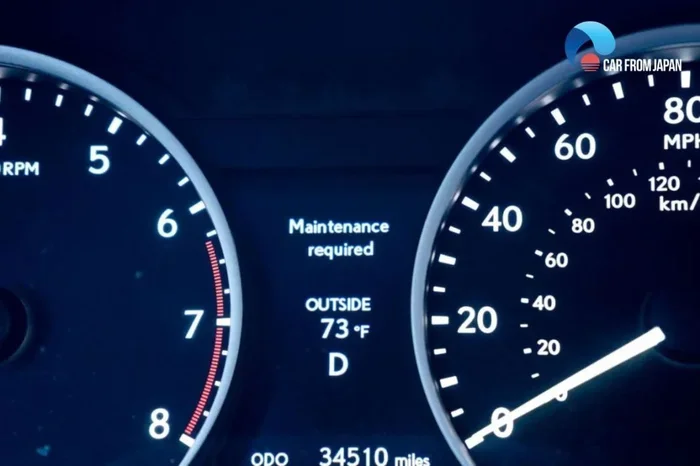
Modern vehicles have sensors that detect transmission problems. If you see a check engine light or a transmission warning symbol on your dashboard, take it seriously. These lights often appear before major damage occurs.
Transmission fluid leaks are another clear warning sign. Fresh transmission fluid is red and smells slightly sweet. If you notice a puddle under your car, check the fluid level and color immediately. Dark or burnt-smelling fluid means the transmission is overheating.
Burning Smell
A burning smell coming from under your hood is never a good sign. This usually means the transmission fluid is overheating and breaking down. Old or contaminated fluid loses its ability to lubricate and cool the internal components. The result is increased friction and accelerated wear.
If you smell something burning while driving, pull over safely and let the car cool down. Continuing to drive in this condition can destroy the transmission completely.
When Should You Replace Your Transmission?
Deciding when to replace a transmission is a big decision. You do not want to replace it too early and waste money. But you also do not want to wait too long and risk a complete breakdown on the road.
Mileage Milestones to Watch
Here is a general timeline for transmission health based on mileage:
- Under 50,000 miles: Your transmission should be in excellent shape. Focus on preventive maintenance and fluid checks.
- 50,000 to 100,000 miles: This is the sweet spot for a transmission fluid change. Fresh fluid keeps everything running smoothly.
- 100,000 to 150,000 miles: Many transmissions start showing minor issues here. Watch for slipping, noise, or delayed shifting.
- 150,000 to 200,000 miles: At this stage, major repairs or a full replacement may become necessary depending on your vehicle.
- Over 200,000 miles: With proper care, some transmissions still work fine. But the risk of failure increases significantly.
Repair Versus Replace: Making the Right Choice
When a transmission starts failing, you usually have three options: repair, rebuild, or full replacement. Each option has different costs and outcomes.
A transmission repair fixes a specific problem, like a faulty solenoid or a leaking seal. This is the cheapest option and works well for minor issues. A transmission rebuild involves disassembling the unit and replacing worn parts. It costs more but addresses multiple problems at once. A full transmission replacement means installing a remanufactured or used unit. This is the most expensive option but offers the longest solution.
The right choice depends on your vehicle’s overall condition, your budget, and the severity of the problem. A trusted mechanic can help you evaluate the options and recommend the best path forward.
Transmission Maintenance Tips
Prevention is always cheaper than repair. Following a solid maintenance routine can add tens of thousands of miles to your transmission’s life. Here are the most effective tips that every driver should follow.
Change Your Transmission Fluid Regularly
Transmission fluid is the lifeblood of your gearbox. It lubricates moving parts, cools the transmission, and helps with smooth shifting. Over time, this fluid breaks down and loses its effectiveness. Most manufacturers recommend changing transmission fluid every 30,000 to 60,000 miles. However, if you drive in harsh conditions like towing or extreme heat, you should change it more frequently.
Do not skip this service. Fresh fluid makes a noticeable difference in how your transmission feels and performs. Many drivers report smoother shifting and better fuel economy after a fluid change.
Check Fluid Levels Monthly
Get in the habit of checking your transmission fluid level once a month. Low fluid means either a leak or excessive consumption. Both problems need attention quickly. Use the dipstick while the engine is warm and running to get an accurate reading. The fluid should be pink or red and smell slightly sweet.
Warm Up Your Car Before Driving
Cold transmission fluid is thick and does not flow well. When you start your car and immediately drive off, the transmission components do not get proper lubrication right away. Let your car idle for 30 to 60 seconds before moving. This simple habit reduces wear on internal parts and extends the overall life of your transmission.
This is especially important in cold climates where temperatures drop significantly during winter months.
Avoid Heavy Towing Beyond Your Vehicle’s Capacity
Towing heavy loads puts enormous stress on your transmission. The extra weight causes the transmission to work harder and generate more heat. Always check your vehicle’s towing capacity before hauling anything. If you regularly tow near your vehicle’s maximum limit, consider installing an auxiliary transmission cooler to manage heat buildup.
Use the Right Fluid
Not all transmission fluids are the same. Using the wrong type can cause poor performance and premature wear. Check your owner’s manual to find the exact fluid specification recommended for your vehicle. When in doubt, ask a trusted mechanic or visit your dealership for guidance.
Common Mistakes That Damage Transmissions
Many drivers unknowingly harm their transmissions through everyday habits. Avoiding these common mistakes can save you from expensive repairs.
- Ignoring dashboard warning lights. These lights exist for a reason. They alert you to problems before they become serious and costly.
- Shifting from drive to reverse while still moving. This habit stresses the transmission bands and can cause premature damage.
- Neglecting fluid changes. Old fluid loses its protective properties. Dirty fluid causes increased friction and heat inside the transmission.
- Riding the clutch in manual vehicles. Keeping your foot on the clutch pedal while driving wears out the clutch plate faster than normal.
- Overlooking small leaks. Even a small transmission fluid leak can lead to low fluid levels, overheating, and eventual failure if left unaddressed.
These mistakes seem minor at first, but they add up over time. The best approach is to be proactive and address small issues before they turn into big problems.
How Mechanics Diagnose Transmission Problems
When you take your car in for a transmission check, the mechanic follows a systematic diagnostic process. Understanding this process helps you know what to expect and ask the right questions.
First, the mechanic connects a diagnostic scanner to read error codes stored in your vehicle’s computer. These codes point to specific transmission issues like solenoid failures or sensor problems. Next, they check the transmission fluid condition and level. Dark, burnt-smelling fluid tells a clear story about internal wear.
The mechanic also performs a road test to observe how the transmission shifts under real driving conditions. They listen for unusual noises, check for slipping, and evaluate shift timing. In some cases, a pressure test is needed to measure hydraulic pressure inside the transmission. Low pressure often indicates worn pumps or internal leaks.
Getting a proper diagnosis before any work is done is essential. It ensures you pay for the right repair and avoid unnecessary expenses. If you are unsure about a diagnosis, getting a second opinion from a different shop is always reasonable.
Transmission Replacement Cost Breakdown
Understanding the cost of transmission work helps you budget and make informed decisions. Costs vary based on the type of transmission, your vehicle, and your location.
| Repair Type | Average Cost Range | Typical Mileage for Need |
|---|---|---|
| Fluid Change | $100 – $250 | Every 30,000-60,000 miles |
| Solenoid Replacement | $300 – $700 | 80,000-120,000 miles |
| Transmission Rebuild | $1,800 – $3,500 | 120,000-180,000 miles |
| Full Replacement | $3,000 – $5,000+ | 150,000+ miles |
These costs can vary significantly depending on your vehicle make and model. Luxury vehicles and trucks generally cost more to repair or replace. It is always a good idea to get multiple quotes from reputable shops before committing to a major repair.
Some drivers wonder if they can save money by learning to do the work themselves. While basic fluid changes are manageable for DIY enthusiasts, complex transmission work requires specialized tools and expertise. Mistakes during a rebuild can lead to even more expensive problems. For most people, trusting a qualified professional is the safest and most cost-effective choice.
Hybrid Vehicles and Transmission Mileage
Hybrid vehicles use a different type of transmission system, often called a eCVT or power-split device. These systems have unique maintenance needs compared to traditional automatic or manual transmissions. Hybrid transmissions generally have a longer lifespan because the electric motor handles much of the low-speed driving load, reducing wear on the gearbox.
However, hybrid transmissions are not immune to problems. The eCVT relies on a planetary gear set and electric motors, and these components can still wear out over time. Most hybrid owners find that their transmissions last between 150,000 and 250,000 miles with proper care. The key is to follow the manufacturer’s maintenance schedule and pay attention to any unusual behavior.
Some drivers wonder about the speed at which their hybrid switches between electric and gas power, as this affects transmission workload. You can read more about this topic in our article on at what speed hybrids switch to gas. Understanding this transition helps you know how your hybrid drivetrain operates under different driving conditions.
Additionally, knowing the exact point when a hybrid transitions from electric to gas mode can help you maintain the right driving habits. Check out our guide on at what point does a hybrid switch to gas for detailed information on this topic.
When it comes time to service your hybrid transmission, it is important to find a qualified technician. The cost of hybrid transmission repair can vary, and you want to make sure you are getting fair pricing. If you are curious about what auto mechanics charge for their services, our article on do auto mechanics make good money provides helpful context about labor rates and industry standards.
When a Car Won’t Start Due to Transmission Issues
Sometimes a bad transmission can cause your car not to start, especially if the problem is severe enough to trigger safety systems. If your car won’t start and there is no noise, it could be a transmission-related issue or something else entirely. Our detailed article on car won’t start and no noise what it means covers this topic in depth and helps you narrow down the cause.
Transmission-related no-start conditions are less common than battery or starter issues, but they do happen. A completely failed transmission can prevent the car from recognizing that the gear selector is in park or neutral, which blocks the start signal. If you experience this situation, do not panic. Check the gear selector position first, then consult a professional if the problem persists.
Conclusion
So, at what mileage do transmissions go bad? The honest answer is that it depends. Most transmissions last between 100,000 and 200,000 miles, but your results will vary based on how you drive and how well you maintain your vehicle. The key takeaway is that proactive care makes all the difference. Regular fluid changes, gentle driving habits, and prompt attention to warning signs can extend your transmission life well beyond the average.
Do not wait for a complete failure to take action. If you notice any of the warning signs we discussed, schedule a diagnostic appointment with a trusted mechanic. Catching a problem early saves money and keeps you safe on the road. Your transmission works hard for you every day, and a little attention goes a long way toward keeping it healthy for the long haul.
Whether you drive a traditional automatic, a manual gearbox, or a hybrid vehicle, the principles of good transmission care remain the same. Stay informed, stay proactive, and your transmission will reward you with years of reliable service.
Frequently Asked Questions
Can a transmission last 300,000 miles?
Yes, some transmissions can last 300,000 miles or more with excellent maintenance. Regular fluid changes, gentle driving, and prompt repairs all contribute to a longer lifespan. However, this is not typical for every vehicle, and results depend heavily on driving conditions and care habits.
Is it worth replacing a transmission at 150,000 miles?
It depends on the overall condition of your vehicle. If your car is otherwise in great shape, a transmission replacement at 150,000 miles can be a worthwhile investment. But if the vehicle has many other issues, you may want to weigh the cost against the value of the car.
How often should I change my transmission fluid?
Most manufacturers recommend changing transmission fluid every 30,000 to 60,000 miles. If you drive in severe conditions like towing, heavy traffic, or extreme heat, you should change it more frequently. Check your owner’s manual for the specific interval recommended for your vehicle.
What causes a transmission to fail early?
Common causes of early transmission failure include neglecting fluid changes, overheating, aggressive driving, and ignoring warning signs like slipping or delayed shifting. Towing beyond your vehicle’s capacity also puts extra strain on the transmission and can accelerate wear.
Can low transmission fluid cause damage?
Yes, low transmission fluid is one of the fastest ways to damage a gearbox. Without proper lubrication, internal components grind against each other and overheat. This leads to increased friction, accelerated wear, and eventually complete transmission failure if the fluid level is not restored.
How do I know if my transmission needs repair or full replacement?
A professional mechanic can diagnose the extent of the damage through a series of tests. Minor issues like solenoid problems or fluid leaks usually require repairs. If the transmission has extensive internal damage, a rebuild or full replacement becomes necessary. Getting a clear diagnosis helps you choose the most cost-effective option.