What Does It Mean When It Says Check AWD System Light
The Check AWD System light means your vehicle has detected a problem with the all-wheel drive system. This warning can appear for many reasons, from low AWD fluid to a faulty wheel speed sensor. Understanding what triggers this light helps you act quickly and avoid costly repairs down the road.
Have you ever been driving down the road, minding your own business, when suddenly a warning light pops up on your dashboard? One of the most confusing lights to see is the Check AWD System indicator. It can leave you wondering what is going on under your car and whether you should pull over right away.
The good news is that a Check AWD System light does not always mean disaster. Sometimes it is a simple fix, like low fluid or a dirty sensor. Other times, it points to a more serious issue that needs a mechanic’s attention. Either way, understanding what this light means puts you in a much better position to handle the situation calmly and wisely.
In this guide, we will break down everything you need to know about the Check AWD System light. We will cover what it looks like, the most common causes, the symptoms you might notice, and how to fix it. By the end, you will feel confident knowing exactly what to do when that light comes on.
Key Takeaways
- The Check AWD System light is a warning indicator that something is wrong with your all-wheel drive drivetrain.
- Common causes include low AWD fluid, faulty sensors, and transfer case problems. These issues can range from minor to serious.
- You may notice symptoms like reduced traction, strange noises, or handling issues when the light is active.
- An OBD-II scanner is the best tool for diagnosing AWD faults and reading error codes accurately.
- Some causes are simple and cheap to fix, while others require professional attention at a repair shop.
- Driving with the light on for a short distance may be safe, but prolonged driving can cause further damage.
- Regular maintenance of your AWD system helps prevent the Check AWD System light from coming on unexpectedly.
📑 Table of Contents
- What Does the Check AWD System Light Look Like?
- Common Causes of the Check AWD System Light
- Symptoms You Might Notice Alongside the Light
- How Mechanics Diagnose AWD System Problems
- Can You Still Drive With the Check AWD System Light On?
- How to Fix and Reset the Check AWD System Light
- How to Prevent the Check AWD System Light From Coming Back
- Conclusion
What Does the Check AWD System Light Look Like?
How the Light Appears on Your Dashboard
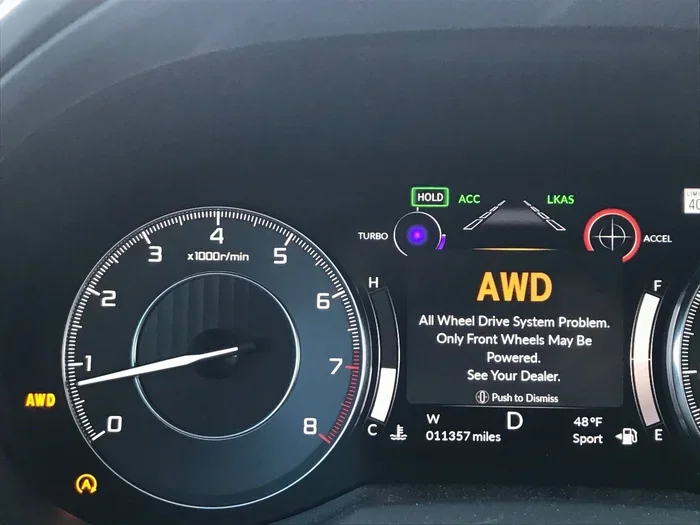
The AWD warning light looks different depending on your car’s make and model. On most vehicles, it shows the words “Check AWD” or “AWD System” in red or yellow. Some cars use a simplified icon that looks like a car with all four wheels marked. The color of the light matters a lot. A yellow or amber light usually means there is a warning but it is not an emergency. A red light means you should stop safely as soon as possible.
You will typically find this light near the other dashboard warnings. It sits alongside the check engine light, the traction control light, and the ABS light. Many drivers confuse the all-wheel drive indicator with the check engine light because they can both come on at the same time. If you see the Check AWD System light alongside the check engine light, it is a strong sign that the drivetrain is involved in the problem.
Different Shapes and Symbols
Car manufacturers use different symbols for the AWD warning. Some show a car silhouette with arrows pointing to all four wheels. Others display the letters “AWD” inside a circle or triangle. Luxury brands like Audi and BMW have their own unique AWD symbols, often featuring the Quattro badge or a similar emblem. No matter what shape it takes, the core message is the same: something in your all-wheel drive system needs attention.
If you are unsure what the light on your dashboard means, grab your owner’s manual. It will have a section dedicated to dashboard warning lights with clear pictures and explanations. This is one of the most underused resources in any vehicle.
Common Causes of the Check AWD System Light
The Check AWD System light can turn on for many different reasons. Some are minor and easy to fix. Others point to deeper mechanical problems. Let us walk through the most common causes so you have a clear picture of what might be going on.
Low AWD Fluid Level
Your AWD system relies on special fluid to lubricate the gears, bearings, and moving parts inside the transfer case and differentials. When the AWD fluid level drops too low, the system cannot operate properly. This triggers the Check AWD System light as a protective measure.
Low fluid usually happens because of a slow leak. You might notice fluid puddles under your car, especially near the middle or rear. Regularly checking your AWD fluid level is a simple maintenance step that can prevent this problem. Most vehicles need an AWD fluid change every 30,000 to 60,000 miles, but check your manual for the exact schedule.
Faulty Wheel Speed Sensors
Wheel speed sensors are small devices that monitor how fast each wheel is spinning. The AWD system uses this data to distribute power evenly between the front and rear wheels. When a sensor fails or gets dirty, it sends wrong information to the AWD module, which then triggers the warning light.
Wheel speed sensors are exposed to road conditions, so they wear out over time. Mud, ice, and road salt can also interfere with their readings. In many cases, cleaning the sensor or replacing it resolves the issue quickly and affordably. This is one of the most common reasons the Check AWD System light comes on.
Transfer Case or Differential Issues
The transfer case is the heart of your all-wheel drive system. It takes power from the transmission and sends it to both the front and rear axles. Over time, the transfer case can wear out, develop leaks, or suffer from internal damage. When this happens, the drivetrain warning light will almost certainly appear.
Differential problems can cause similar symptoms. The front and rear differentials allow the wheels on each axle to spin at different speeds, which is essential for smooth cornering. A damaged differential can cause grinding noises, vibration, and of course, the Check AWD System light to illuminate.
AWD Module or Electrical Problems
Modern vehicles rely heavily on electronic controls for the AWD system. The AWD module acts as the brain, processing sensor data and controlling the clutch packs and torque distribution. Electrical issues like corroded connectors, damaged wiring harnesses, or a failing module can all cause the light to come on.
Water damage is a common culprit for electrical AWD problems. If you have driven through deep water or flooded roads, moisture can get into connectors and short out sensors. Letting the system dry out or repairing the damaged wiring often fixes the issue.
Blown Fuse or Wiring Issues
Sometimes the simplest explanation is the right one. A blown fuse in the AWD circuit can cut power to the system and trigger the Check AWD System light. Wiring issues like loose connections, broken wires, or corroded terminals can create the same problem.
Checking the fuses is something you can do yourself with a basic fuse puller and a visual inspection. If you find a blown fuse, replacing it is cheap and easy. Just make sure to replace it with the correct amperage rating. If the new fuse blows again, that is a sign of a deeper electrical problem that needs professional diagnosis.
Symptoms You Might Notice Alongside the Light
The Check AWD System light rarely comes on alone. There are usually other signs that something is wrong with your all-wheel drive system. Paying attention to these symptoms can help you and your mechanic pinpoint the problem faster.
Strange Noises From the Drivetrain
One of the first things you might notice is unusual sounds coming from under your car. Grinding, whining, or clunking noises, especially during turns or when accelerating, can signal a problem with the center differential or transfer case. These noises often get louder at higher speeds or when the AWD system is actively engaging.
Do not ignore drivetrain noises. What starts as a minor sound can turn into a major mechanical failure if left unchecked. Early attention can save you from expensive repairs later.
Reduced Traction or Handling
When the AWD system is not working correctly, you may feel a loss of traction, especially on wet or icy roads. The car might feel less stable during cornering or braking. In some cases, the vehicle will default to front-wheel drive only, which can feel noticeably different, particularly in vehicles designed for AWD engagement in all conditions.
If you notice your car slipping or feeling less secure than usual, the Check AWD System light is telling you that the system is not functioning as it should. This is especially important for drivers in cold climates or areas with frequent rain.
Dashboard Warnings and Messages
Many modern vehicles display additional warning messages alongside the AWD warning light. You might see messages like “AWD System Malfunction,” “Check Drivetrain,” or “Service AWD System.” These messages provide extra context that can help narrow down the cause.
Some cars also activate the traction control and ABS systems in response to an AWD fault. This is a safety measure that limits wheel spin and helps maintain stability. While these systems stepping in is helpful, it also confirms that the AWD system is not working at full capacity.
How Mechanics Diagnose AWD System Problems
When you take your car to a shop with the Check AWD System light on, the mechanic will follow a systematic process to find the root cause. Understanding this process can help you feel more confident and avoid being upsold on unnecessary repairs.
Using an OBD-II Scanner
The first step in diagnosing any AWD fault is plugging in an OBD-II scanner. This tool reads the fault codes stored in your car’s computer. These codes point directly to the problem area, whether it is a sensor failure, a module error, or a fluid pressure issue.
Common fault codes related to the Check AWD System light include codes for wheel speed sensor circuits, transfer case position sensors, and AWD module communication errors. A good mechanic will not just read the codes but will also interpret them in the context of your specific vehicle and driving conditions.
Physical Inspection Steps
After scanning for codes, the mechanic will perform a physical inspection. This includes checking the AWD fluid level and condition, inspecting the transfer case and differentials for leaks, and examining all wiring and connectors. They will also look at the wheel speed sensors for damage or contamination.
A thorough inspection also involves checking the rear differential and front differential for wear patterns. Metal shavings or discoloration in the differential fluid can indicate internal damage that needs immediate attention.
Test Drives and Road Checks
Many AWD problems only show up while driving. A test drive allows the mechanic to feel for vibrations, listen for unusual noises, and observe how the system engages. They will check for hesitation during acceleration, pulling to one side, or any other abnormal behavior that points to an AWD system check issue.
Test drives are especially important for intermittent problems. Some faults only appear at certain speeds, temperatures, or driving conditions. A good test drive can reveal issues that a stationary inspection might miss.
Can You Still Drive With the Check AWD System Light On?
This is one of the most common questions drivers ask when they see the Check AWD System light illuminate. The answer depends on the severity of the underlying problem and your driving conditions.
Short-Term Driving Risks
In most cases, you can drive a short distance with the Check AWD System light on, especially if you are heading to a nearby repair shop. However, you should drive cautiously and avoid highway speeds or aggressive driving. The AWD system may not be providing full power distribution, which can affect handling and braking in emergency situations.
Driving with the light on for an extended period can cause additional wear to components like the transfer case and differentials. If the issue is related to low fluid, running the system without proper lubrication can cause serious internal damage very quickly.
When It Is Safe to Keep Driving
If the light is yellow and you are not experiencing any other symptoms, it is generally safe to drive to a repair facility. However, if you notice any of the following, you should pull over and call for help:
- Significant loss of power or the vehicle going into limp mode
- Strange grinding or clunking noises coming from the drivetrain
- Vibration or shaking that gets worse with speed
- The red oil pressure light or other critical warnings also appearing
- Fluid leaks that are visible and large
When in doubt, it is always better to be safe than sorry. Call a tow truck if you are unsure whether it is safe to keep driving.
How to Fix and Reset the Check AWD System Light
Fixing the Check AWD System light depends entirely on what caused it. Some repairs are simple and affordable, while others require more work and investment. Here is a breakdown of the most common fixes.
DIY Fixes You Can Try at Home
Some causes of the Check AWD System light are easy to address on your own. Here are a few things you can try before visiting a mechanic:
- Check the AWD fluid level. Locate the fill plug on the transfer case and check the fluid. If it is low, top it off with the manufacturer-recommended fluid.
- Clean the wheel speed sensors. Use a clean cloth to wipe away dirt and debris from the sensor area. Sometimes a simple cleaning is all it takes.
- Check the fuses. Look up the AWD-related fuses in your owner’s manual and inspect them visually. Replace any that are blown.
- Check for recent battery disconnections. If you recently disconnected the battery, the AWD module may need to be reset. Driving the car for a few cycles can sometimes clear the light.
These simple steps resolve the Check AWD System light in a surprising number of cases. Always refer to your owner’s manual for the correct procedures and fluid specifications for your specific vehicle.
Professional Repairs and Costs
For more serious issues, you will need professional help. Here are common professional repairs and their approximate costs:
- Wheel speed sensor replacement: $100 to $300 per sensor
- AWD fluid change: $100 to $250
- Transfer case repair or replacement: $500 to $2,500
- Differential rebuild or replacement: $400 to $2,000
- AWD module replacement: $300 to $1,500
- Wiring harness repair: $150 to $500
Costs vary widely depending on your vehicle, your location, and the severity of the problem. Always get a detailed estimate before approving any major repairs.
Resetting the Light After Repairs
Once the underlying problem is fixed, you will need to reset the Check AWD System light. The simplest way is to disconnect the car battery for 15 to 30 minutes and then reconnect it. This clears the stored fault codes and resets the system.
Alternatively, you can use an OBD-II scanner to clear the codes manually. Many auto parts stores will do this for free. After resetting, take a test drive to confirm the light stays off. If it comes back on, the problem has not been fully resolved and needs further diagnosis.
Keep in mind that some vehicles require a specialized scan tool to reset the AWD system after certain repairs. Always check with your mechanic or dealer if you are unsure about the proper reset procedure for your specific model.
How to Prevent the Check AWD System Light From Coming Back
Prevention is always better than cure, and the same applies to your all-wheel drive system. Regular maintenance is the best way to keep the Check AWD System light from appearing again.
Start by following the manufacturer’s maintenance schedule for AWD fluid changes. Fresh fluid keeps all the internal components lubricated and working smoothly. Most vehicles need an AWD fluid change every 30,000 to 60,000 miles, but always check your owner’s manual for the specific interval.
Also, pay attention to any early warning signs. Unusual noises, slight changes in handling, or intermittent dashboard warnings should not be ignored. Catching small problems early prevents them from turning into expensive repairs later. Regular inspections of the undercarriage, especially after driving through rough conditions, can also help you spot leaks or damage before they trigger the warning light.
Keeping your tires properly inflated and evenly worn also supports the health of your AWD system. Uneven tire sizes or tread depths can put extra strain on the transfer case and differentials, leading to premature wear and potential faults.
Conclusion
The Check AWD System light is your vehicle’s way of telling you that something needs attention in the all-wheel drive system. While it can be unsettling to see, understanding what it means empowers you to take the right action. Whether the cause is as simple as low AWD fluid or as complex as a failing transfer case, early diagnosis and repair are key to protecting your investment.
Do not ignore the Check AWD System light or hope it will go away on its own. In most cases, it will not. Address the problem promptly, and you will keep your all-wheel drive system running smoothly for years to come. If you are ever in doubt, a quick trip to a trusted mechanic can give you peace of mind and save you from bigger headaches down the road.
Stay proactive with your vehicle maintenance, listen to what your car is telling you, and you will be well-equipped to handle any AWD warning that comes your way. Safe driving starts with paying attention to the signals your vehicle gives you.
Frequently Asked Questions
What does the Check AWD System light mean?
The Check AWD System light means your vehicle’s computer has detected a problem with the all-wheel drive system. This could be anything from low fluid to a faulty sensor or a more serious mechanical issue. It is important to get the problem diagnosed as soon as possible to prevent further damage to the drivetrain.
Can I drive my car with the Check AWD System light on?
In most cases, you can drive a short distance carefully, but it is not recommended for long trips. The AWD system may not be functioning correctly, which can affect handling and safety, especially on wet or icy roads. If the light is red or you notice other symptoms like noises or power loss, you should pull over and seek assistance.
How much does it cost to fix the Check AWD System light?
The cost depends entirely on the cause. Simple fixes like topping off AWD fluid or replacing a wheel speed sensor can cost between $100 and $300. More complex repairs like a transfer case or differential replacement can range from $500 to $2,500. Always get a detailed diagnosis and estimate before proceeding with repairs.
What causes the Check AWD System light to come on suddenly?
Sudden illumination of the Check AWD System light is often caused by a sensor failure, a blown fuse, a wiring issue, or a rapid fluid leak. Environmental factors like water intrusion or extreme temperature changes can also trigger the light unexpectedly. An OBD-II scan is the fastest way to identify the exact cause.
Will the Check AWD System light reset itself?
The light may turn off temporarily if the issue was minor, such as a one-time sensor glitch. However, if the underlying problem persists, the light will come back on. To permanently clear the light, the root cause must be fixed first, and then the system can be reset using a scanner or by disconnecting the battery.
How often should I service my AWD system?
Most manufacturers recommend changing the AWD fluid every 30,000 to 60,000 miles. Regular inspections of the transfer case, differentials, and sensors should also be part of your routine maintenance schedule. Following the service intervals in your owner’s manual is the best way to keep your all-wheel drive system healthy and prevent unexpected warning lights.