What Does 0 Tint Look Like on a Car Window Exactly
0% tint means your car windows have no tint film at all, making them completely clear and transparent. When you look at a window with 0 tint, you can see straight through it just like a regular untreated glass. This is the lightest possible option for car window tinting and offers maximum visibility both day and night. Many drivers choose zero tint for a clean, factory-stock look while still enjoying the benefits of window film.
Have you ever wondered what 0 tint actually looks like on a car window? Maybe you are shopping for window tint and keep seeing the term “0% tint” thrown around. Or perhaps you want to keep your car looking stock but still add some protection. Whatever the reason, understanding what zero tint looks like is the first step in making the right choice for your vehicle.
0% tint is the lightest tint option available. It means the window film has no tint darkness at all. The glass stays completely clear, just like the factory windows on your car. But here is the thing many people do not realize: clear tint film still does a lot of work behind the scenes. It blocks UV rays, cuts down on heat, and adds a layer of protection to your glass.
In this guide, we will break down exactly what 0 tint looks like, how it compares to other tint levels, and whether it is the right choice for your car. We will also cover legal tint limits, common myths, and practical tips to help you decide.
Key Takeaways
- 0% tint is completely clear: It has no darkening effect and looks just like untreated factory glass on your car.
- Maximum visibility is the main benefit: You get unobstructed views in all lighting conditions, which is great for night driving.
- Legal everywhere in most states: Since 0 tint adds no darkness, it typically meets all window tint laws without issues.
- UV and heat protection still apply: Even clear window film can block harmful UV rays and reduce some heat buildup inside your car.
- It is not the same as no tint at all: 0% tint film still provides a protective layer, unlike bare factory glass.
- Popular for stock looks: Many car owners prefer zero tint to keep their vehicle looking factory original.
- Check local laws first: Even though 0 tint is generally legal, always verify your state’s legal tint limits before applying any film.
📑 Table of Contents
- What Is 0% Tint and How Does It Work?
- What Does 0 Tint Actually Look Like on a Car Window?
- Benefits of Choosing 0% Tint for Your Car
- Legal Considerations for 0% Tint
- Common Myths About 0% Tint
- Is 0% Tint Right for You?
- How 0 Tint Compares to Factory Tint
- Practical Tips for Applying 0% Tint
- Final Thoughts on 0 Tint for Car Windows
What Is 0% Tint and How Does It Work?
Understanding Visible Light Transmission
Every tint shade has a rating called Visible Light Transmission, or VLT. This is the percentage of light that passes through the film and into your car. When you hear the term VLT percentage, this is what it refers to.
Here is a simple way to think about it. A 5% tint lets in only 5% of light. That is very dark. A 50% tint lets in half the light. And 0% tint? It lets in nearly all the light. That is why it looks completely clear.
The tint darkness of 0% tint is essentially zero. The film is transparent. You cannot see any color shift or darkening when you look through it. This makes 0 tint the closest thing to having no aftermarket tint at all, while still technically having a film applied.
How 0% Tint Compares to Other Tint Levels
To really understand what 0 tint looks like, it helps to compare it with other popular tint shades. Here is a quick breakdown of common tint percentage levels:
- 5% tint (Limousine tint): Very dark. Almost no light passes through. Hard to see through from the outside.
- 20% tint: Dark shade. Popular for privacy. You can see through it up close but it is noticeably tinted.
- 35% tint: Medium shade. A good balance of style and visibility. Common on sedans and SUVs.
- 50% tint: Light shade. Cuts glare but keeps the glass fairly transparent.
- 70% tint: Very light. Barely noticeable. Often used on the windshield or front side windows.
- 0% tint (Clear tint): No visible darkening at all. Looks exactly like factory glass.
As you can see, 0% tint sits at the very top of the transparency scale. It offers the same clarity as bare glass but with the added benefits of a protective film layer.
What Does 0 Tint Actually Look Like on a Car Window?
From the Outside Looking In
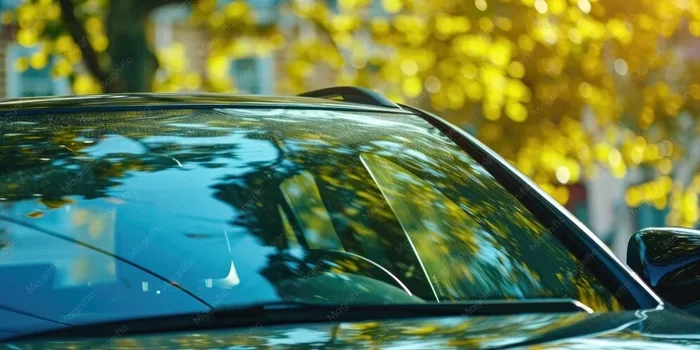
When you stand outside a car with 0 tint on the windows, you cannot tell that any film has been applied. The glass looks completely clear and transparent. There is no darkening, no color tint, and no visible film layer. It looks exactly like a car with factory tint or no tint at all.
This is one of the biggest reasons people choose zero tint. They want the benefits of window tinting without changing the look of their vehicle. If you have ever seen a car and thought “I wonder if that has tint on it,” and the answer is 0% tint, you probably would never have guessed.
The window film transparency at 0% is as high as it gets. Light passes through without any obstruction. Colors on the other side of the glass look natural and true. There is no yellowing, no blue tint, and no greenish hue that you sometimes see with slightly darker films.
From the Inside Looking Out
From the driver’s seat, 0 tint provides the same crystal-clear view as factory glass. You get maximum visibility in every direction. This is especially valuable for night driving or driving in tunnels and garages where light is already low.
Unlike darker tinted windows that can make the interior feel closed off, 0% tint keeps everything feeling open and airy. The cabin stays bright because all the natural light comes through uninterrupted.
One thing to note: even though 0 tint is clear, the film still has a very subtle feel. If you run your fingernail across the glass, you might feel a slight texture difference compared to bare glass. But visually, there is zero difference from the outside.
Benefits of Choosing 0% Tint for Your Car
UV Protection Without the Darkness
One of the biggest advantages of 0% tint is that you still get UV protection. Harmful ultraviolet rays can cause skin damage and fade your car’s interior over time. A clear tint film blocks a significant portion of UV radiation without darkening your windows at all.
This means you can protect yourself and your passengers during long drives without sacrificing any visibility. It is especially helpful for people who spend a lot of time driving with the windows down or those who have children in the back seat.
Heat Rejection and Glare Reduction
Even clear window film offers some level of heat rejection. While it is not as powerful as a dark tint, 0% tint can still reduce the temperature inside your car on hot days. It also helps cut down on glare reduction from the sun and headlights at night.
You will not get the same level of cooling as a 50% tint or 35% tint, but every bit helps. On a hot summer day, that extra layer of protection can make your interior more comfortable.
Added Safety and Glass Protection
0% tint film adds a thin protective layer to your car windows. In the event of a minor impact or a rock chip, the film can help hold the glass together. This reduces the risk of shattered glass flying into the cabin.
It also makes it slightly harder for someone to break into your car through the windows. The film adds a barrier that requires more effort to penetrate compared to bare glass.
Keeping a Factory Stock Look
Many car enthusiasts love the way a vehicle looks with clear windows. 0 tint lets you keep that original factory appearance while still adding a layer of protection. If you plan to sell your car later, zero tint is unlikely to put off potential buyers who prefer a stock look.
Legal Considerations for 0% Tint
Are There Window Tint Laws for Clear Film?
Here is the good news: 0 tint is legal in virtually every state. Since the film adds no tint darkness, it does not violate any legal tint limits. Most states regulate how dark your tint can be, measured by VLT. Since 0% tint has the highest possible VLT, it falls well within the legal range everywhere.
That said, some states have specific rules about the type of film that can be used on certain windows, particularly the windshield tint area. For example, many states only allow aftermarket tint on the top portion of the windshield or on the side windows and rear windows. Always check your local window tint laws before applying any film, even clear ones.
Medical Exemptions and Special Cases
If you or a passenger has a medical condition that requires protection from UV exposure, 0% tint can be a great option. It provides UV protection without the visual restrictions of darker films. Some people with photosensitivity or lupus prefer clear window film because it offers protection without making the car feel dark or enclosed.
Common Myths About 0% Tint
There are a few misconceptions floating around about 0 tint that are worth clearing up. First, some people think that clear tint does nothing at all. That is not true. As we covered, even the lightest film provides UV blocking, heat rejection, and glass protection.
Another myth is that 0% tint will peel or bubble faster than darker tints. In reality, the quality of the film matters far more than the darkness level. A high-quality clear window film from a reputable brand will last just as long as any other tint shade.
Some drivers also worry that zero tint will not look “tinted” enough to justify the cost. But remember, the goal of 0 tint is not to change the appearance of your car. It is to add protection and functionality while keeping the look exactly the same.
Is 0% Tint Right for You?
Choosing the right tint shade comes down to your personal needs and driving habits. If you want maximum visibility, a clean factory look, and basic protection from UV rays and heat, 0% tint is an excellent choice.
It is especially ideal for:
- Drivers who do a lot of night driving and need unobstructed views
- Car owners who want to keep their vehicle looking stock
- People who need UV protection but cannot use darker tints due to legal restrictions
- Those who want the added safety benefits of window film without any visual change
On the other hand, if your main goal is privacy, heat reduction, or a sleek aesthetic look, you may want to consider a slightly darker tint percentage like 20% tint or 35% tint.
Quick Tip: When shopping for 0 tint film, look for products that advertise high UV rejection rates and good heat rejection scores. Not all clear films are created equal. A premium clear window film will outperform a budget option in both protection and durability.
Common Mistake: Do not assume that all clear tint products are the same. Some cheap films may have a slight yellow or blue tint that becomes visible over time. Always ask the installer about the window film transparency and request to see a sample before committing.
Expert Insight: According to professional window tinting installers, 0% tint has become increasingly popular in recent years. More drivers are recognizing that you do not need dark windows to benefit from high-quality car window tint. The demand for clear protective films has grown significantly, especially among luxury car owners who want to preserve the factory appearance of their vehicles.
How 0 Tint Compares to Factory Tint
Many people confuse 0% tint with factory tint. Factory tint is the tint that comes on your car from the manufacturer. It is usually a light shade, often around 70% to 80% VLT. You can see it on the rear and side windows of most new vehicles.
0% tint film is actually clearer than most factory tints. It has a higher VLT and does not add any color or darkness to the glass. So if you apply 0 tint over factory-tinted windows, the result is even clearer than the factory standard.
However, factory tint does provide some level of UV protection and heat rejection on its own. Adding 0% aftermarket tint on top can enhance these benefits slightly, though the improvement is modest compared to what you would get with a darker film.
Practical Tips for Applying 0% Tint
If you have decided that 0 tint is the right choice for your car, here are some practical tips to keep in mind:
- Choose a reputable brand. Not all clear films are equal. Stick with well-known manufacturers that offer strong warranties and proven performance.
- Hire a professional installer. Even though 0% tint is easy to apply in theory, bubbles and wrinkles are more visible on clear film than on darker tints. A skilled installer will ensure a flawless finish.
- Check your state laws. While 0 tint is legal almost everywhere, some states have specific rules about film type or windshield coverage. Do your research first.
- Ask about IR rejection. Some clear window films are engineered with infrared (IR) rejection technology. This can significantly improve heat reduction even without adding any visible tint.
- Maintain the film properly. Use a gentle, ammonia-free cleaner on your tinted windows. Harsh chemicals can degrade the film over time, even if it is clear.
Key Takeaway: 0% tint is the ultimate choice for drivers who want protection without changing the look of their car. It is clear, legal, and effective. Whether you are protecting your interior from UV damage or adding a layer of safety to your glass, zero tint delivers real benefits with zero visual change.
Final Thoughts on 0 Tint for Car Windows
So, what does 0 tint look like on a car window? The answer is simple: it looks like nothing at all. The windows stay completely clear, just like factory glass, but with a thin protective film that does real work behind the scenes.
0% tint offers UV protection, heat rejection, glare reduction, and added safety, all without sacrificing a single bit of visibility. It is the perfect option for drivers who want the benefits of window tinting but prefer to keep their car looking exactly the way it came from the dealership.
Whether you are dealing with strict legal tint limits in your state, you want a stock look for resale value, or you simply prefer maximum clarity, 0 tint is worth seriously considering. It is a smart, practical choice that delivers real protection without any visual compromise.
Before you make your final decision, take the time to compare different clear window film products, talk to a trusted window tinting professional, and check your local laws. With the right film and installation, your car will look factory fresh while enjoying the added benefits that only a quality tint can provide.
Frequently Asked Questions
Can you see through 0% tint at night?
Yes, absolutely. 0% tint is completely clear, so visibility is the same as bare glass. You will have no trouble seeing through your windows at night, in tunnels, or in low-light conditions. This is one of the biggest advantages of choosing zero tint over darker shades.
Is 0% tint the same as having no tint at all?
Not exactly. While 0 tint looks identical to untreated glass, it still has a thin film layer that provides UV protection, heat rejection, and glass reinforcement. Bare factory glass does not offer these benefits. So 0% tint gives you protection without changing the appearance.
Will 0% tint make my car look different?
No. 0% tint has no visible color or darkening effect. Your car will look exactly the same as it did before the film was applied. This is why many car owners and enthusiasts prefer clear tint for a subtle upgrade.
Does 0% tint block heat from the sun?
Yes, but only partially. 0% tint can reject some heat, especially if the film is designed with infrared rejection technology. However, it will not block as much heat as a darker tint percentage like 35% or 50%. Think of it as a light layer of protection rather than a full heat shield.
Is 0% tint legal on all car windows?
In most states, yes. Since 0 tint has the highest possible VLT and adds no darkness, it generally complies with all window tint laws. However, some states have specific rules about which windows can be tinted or what type of film is allowed on the windshield. Always check your local regulations.
How much does 0% tint cost compared to darker tints?
The cost of 0% tint is usually similar to other tint shades. The price depends more on the quality of the film, the brand, and the size of your vehicle. Premium clear window films may cost a bit more, but the difference is typically small. Get quotes from a few local installers to compare prices.