What Do You Do If Your Car Wont Start With Keyless
When your car wont start with a keyless system, the most common culprits are a dead key fob battery, a dead car battery, or an engaged steering wheel lock. This guide walks you through simple troubleshooting steps you can do yourself, from checking the fob to performing a diagnostic scan, plus expert tips to prevent future problems and keep your push button start vehicle running reliably.
There is nothing more frustrating than turning the start button or pressing the push button start and hearing nothing but silence. If you have ever experienced this, you know how quickly a simple morning commute can turn into a stressful situation. What Do You Do If Your Car Wont Start With Keyless is a question that more drivers are asking every day. Modern vehicles use sophisticated keyless ignition systems that rely on electronic signals, batteries, and sensors. When something goes wrong, the problem is not always obvious.
This guide walks you through everything you need to know. You will learn the most common reasons your car won’t start with a keyless system. You will also discover practical steps to fix the issue yourself. Plus, I will share expert tips to help you prevent these problems in the future. Whether your smart key is acting up or your dead battery is the culprit, this article has you covered.
Let us dive right in and get you back on the road. What Do You Do If Your Car Wont Start With Keyless does not have to be a mystery. By the end of this guide, you will have clear, actionable answers that actually work.
Key Takeaways
- Dead Key Fob Battery: The single most common reason for a keyless car not starting. Replace the fob battery every two to three years.
- Steering Wheel Lock: A simple fix that engages automatically when you turn off the engine. Wiggle the wheel while pressing the start button to release it.
- Emergency Start Method: Most keyless vehicles have a backup antenna zone. Place the dead fob against the start button area to get a signal.
- Jump Start Works: A dead car battery prevents keyless ignition entirely. Keep jumper cables in your trunk and know how to use them.
- Diagnostic Scan Saves Time: An OBD-II scanner reads error codes from your onboard diagnostics system, pinpointing the exact problem quickly.
- Prevention Beats Repair: Regular key fob care, battery replacement, and dashboard warning light awareness keep your keyless ignition system running smoothly.
- Call a Pro When Needed: If basic fixes fail, the immobilizer system or start button may need professional diagnosis and repair.
📑 Table of Contents
Why Your Keyless Car Might Not Start
Modern cars use keyless entry systems and push button start technology to make driving easier. These systems are convenient, but they are also more complex than traditional ignition methods. Understanding why your car might not start is the first step toward fixing the problem.
A keyless ignition system uses a smart key or electronic key to communicate with your vehicle. When you press the start button, the car checks for the correct signal from the key fob. If the signal is weak, missing, or interrupted, the engine will not turn over. This is different from an ignition switch problem in older vehicles.
The beauty of keyless entry technology is that it removes the need for a physical metal key. But this convenience comes with electronic dependencies. Your car depends on radio frequency signals, encrypted codes, and multiple sensors working together perfectly. When even one component fails, the whole starting process stops.
Dead Key Fob Battery
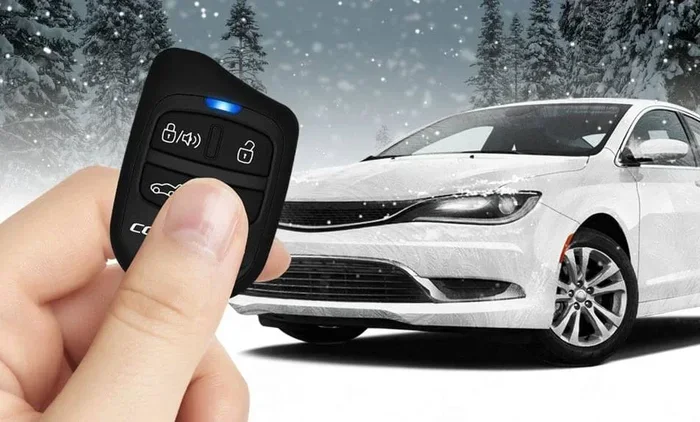
The most common reason for a car won’t start situation is a dead key fob battery. Your smart key relies on a small coin-cell battery to transmit its signal. When that battery dies, your car cannot recognize the key. You might still be able to unlock the doors using the mechanical backup, but starting the engine becomes impossible.
Most key fob batteries last between two and four years. However, cold weather, frequent use, and proximity to other electronic devices can shorten that lifespan. If you notice the key fob battery warning light on your dashboard, it is time for a battery replacement.
Quick Tips
- Keep a spare battery in your glove box at all times.
- Replace the fob battery before it fully dies to avoid being stranded.
- Use the manufacturer-recommended battery type for best results.
- Store the fob away from strong magnets and electronic devices.
- Test the fob signal strength periodically by standing far from the car.
Steering Wheel Lock
Another sneaky cause is a steering wheel lock. When you turn off the engine and remove the key fob, the steering column can lock in place. This is a security feature, but it sometimes engages while you are still sitting in the car. The wheel feels stiff, and the start button will not respond.
The fix is simple. Gently wiggle the steering wheel left and right while pressing the start button. The lock should release, and your car will start normally. This happens more often than you might think, especially after parking on a slope or turning the wheel while shutting off the engine.
What to Do If Your Car Wont Start With Keyless
When your car won’t start with a keyless system, staying calm is important. Panic leads to poor decisions. Instead, follow a systematic approach to diagnose and fix the problem. What Do You Do If Your Car Wont Start With Keyless? Here is a clear, step-by-step guide that works for most vehicles.
Step 1: Check the Key Fob
Start with the most obvious culprit: the key fob itself. Is the battery dead? Has the fob been dropped or damaged? Try pressing the start button while holding the fob directly against the start button area. Many cars have a backup antenna zone built into the console. Placing the fob here can strengthen the signal and get your engine running.
If you have a second key fob, try that one. Sometimes the problem is with the specific fob, not the car. This quick test can save you a lot of time and stress. Also, check for any visible damage to the fob. Cracks, water damage, or loose buttons can all interfere with signal transmission.
Step 2: Try the Emergency Start Method
Most keyless vehicles have an emergency start procedure. This typically involves placing the dead key fob against a specific spot on the steering column or center console. Check your owner’s manual for the exact location. The car has a built-in antenna that can read the fob’s signal even when the battery is completely dead.
This method works because the car switches to a low-power reception mode when it detects a fob with a weak or dead battery. It is a lifesaver when you are stranded in a parking lot. Different car brands place this backup antenna in different spots, so consult your manual to find the right location for your specific model.
Step 3: Inspect the Car Battery
A dead battery in the vehicle itself can also prevent starting. The keyless ignition system needs electrical power to operate. If your headlights are dim or your dashboard lights are faint, the car battery might be the issue.
You can try a jump start using jumper cables and another vehicle. Connect the cables correctly: red to positive, black to negative. Start the working vehicle first, then try starting yours. If the jump start works, your car battery needs replacement soon. Always keep a set of jumper cables in your trunk, especially during cold months when batteries are more vulnerable.
Common Mistakes to Avoid
- Do not keep pressing the start button repeatedly. This drains the battery further.
- Do not assume the key fob is broken when it might just need a new battery.
- Do not ignore dashboard warning lights. They often point directly to the problem.
- Do not try to force the steering wheel if it is locked. Gentle pressure works best.
- Do not attempt electrical repairs you are not comfortable with. Call a professional instead.
Step 4: Perform a Diagnostic Scan
If the basic steps do not work, it is time for a diagnostic scan. Modern cars store error codes in their onboard diagnostics system. You can use an OBD-II scanner to read these codes. Many auto parts stores offer free scanning services. The codes will tell you exactly what is wrong with your keyless ignition system.
Common codes related to starting problems include issues with the immobilizer system, the transponder key recognition module, or the start button sensor. A diagnostic scan takes minutes but can save hours of guesswork. Some OBD-II scanners are affordable enough to keep in your garage for regular use.
Expert Insights
Professional mechanics often say that 80 percent of keyless start problems come down to three things: a dead fob battery, a dead car battery, or a steering wheel lock. Before you spend money on repairs, check these three items first. You might save yourself a costly service call and a lot of unnecessary worry.
Common Reasons Your Car Wont Start With Keyless
Understanding the root causes of starting problems helps you act faster and smarter. Here are the most common reasons your car won’t start when equipped with a keyless entry system. Each cause has distinct symptoms and solutions, so learning to identify them is valuable.
Key Fob Battery Issues
The key fob battery is the single most common cause of keyless starting failures. When the battery dies, the fob cannot send its encrypted signal to the car. You might still be able to open the doors using the mechanical key slot, but the engine will not start.
Signs of a failing fob battery include:
- Reduced range when using the remote lock and unlock buttons.
- The dashboard shows a key fob warning symbol.
- The car sometimes starts and sometimes does not.
- You need to hold the fob very close to the start button.
- The fob feels sluggish or unresponsive when pressing buttons.
A key fob replacement battery is inexpensive and easy to swap. Most fobs use a CR2032 battery, which you can find at any grocery or convenience store. Opening the fob with a small screwdriver and popping in the new battery takes less than a minute.
Immobilizer System Problems
The immobilizer system is a security feature that prevents your car from starting without the correct key. If the system fails to recognize your smart key, it will not allow the engine to turn over. This can happen after a battery change in the fob, if the new battery is not seated correctly or if the contacts are corroded.
Sometimes the immobilizer gets confused after a recent battery replacement in the vehicle. A diagnostic scan can often reset the system and clear the error. In rare cases, the immobilizer module itself needs professional repair or replacement. Keep your fob battery fresh to minimize the risk of immobilizer confusion.
Start Button Malfunction
The start button itself can wear out over time. Since you press it every time you start the car, the internal contacts can become worn or corroded. A faulty start button may feel loose or unresponsive when pressed.
Water damage is another common cause of start button failure. If you spill liquid near the console, it can seep into the button mechanism and cause corrosion. Keeping the area around the start button dry and clean helps prevent this issue. If you notice any stickiness or inconsistency when pressing the button, have it inspected early.
Comparison Table: Keyless Start Problems and Solutions
| Problem | Likely Cause | Fix | Difficulty |
|---|---|---|---|
| No response when pressing start button | Dead key fob battery | Replace fob battery | Easy |
| Dashboard lights on but engine won’t crank | Dead car battery | Jump start or battery replacement | Moderate |
| Steering wheel locked, cannot press start | Steering lock engaged | Wiggle wheel while pressing start | Easy |
| Key fob warning light on dashboard | Fob signal not detected | Place fob against start button area | Easy |
| Car starts then stalls immediately | Immobilizer system error | Diagnostic scan and reset | Hard |
| Start button feels loose or spongy | Worn button mechanism | Button replacement by mechanic | Moderate |
| Intermittent starting failures | Corroded fob contacts | Clean contacts or replace fob | Moderate |
| Engine cranks but does not fire | Fuel system or sensor issue | Professional diagnostic scan | Hard |
How to Prevent Keyless Start Problems
Prevention is always better than cure. A few simple habits can keep your keyless ignition system working reliably for years. Here is how to protect your vehicle from unexpected starting failures and avoid the stress of a car that won’t start when you need it most.
Regular Maintenance Tips
Treat your keyless entry system with the same care you give the rest of your car. Schedule regular check-ups with your mechanic. During routine oil changes or service visits, ask them to inspect the start button and electrical connections. Catching small issues early prevents bigger problems later.
Keep your onboard diagnostics system up to date. Many manufacturers release software updates that improve the keyless ignition system’s reliability. Check with your dealer about available updates for your specific model. A simple software update can sometimes resolve persistent starting issues that would otherwise require expensive repairs.
Also, make it a habit to check your fob battery regularly. Set a reminder on your phone every six months to test the fob’s range and signal strength. This small habit can prevent the surprise of a dead fob battery when you are in a hurry.
Key Fob Care and Protection
Your smart key is the heart of your keyless entry system. Take care of it properly with these simple habits:
- Replace the fob battery every two to three years, even if it still works.
- Avoid dropping the fob or exposing it to extreme heat or moisture.
- Keep the fob away from strong magnetic fields that can interfere with the signal.
- Store a spare fob in a safe place at home or in the office.
- Clean the fob contacts periodically with a dry cloth to prevent corrosion.
- Do not store the fob near electronic devices that emit strong signals.
Also, be mindful of where you place your fob. Keeping it in the same pocket or compartment every day reduces the risk of misplacing it or exposing it to damage. Some drivers keep their fob in a small protective pouch to shield it from electromagnetic interference and physical damage.
Expert Insights
Many drivers do not realize that their daily habits affect the longevity of their keyless ignition system. For example, placing the fob in a back pocket and sitting on it can damage the internal circuitry over time. Similarly, leaving the fob near a microwave or other strong electronic device can weaken the signal. Small changes in how you handle your fob can make a big difference in reliability.
When to Call a Professional Mechanic
Not every starting problem can be fixed with a DIY approach. Knowing when to seek professional help saves time, money, and frustration. What Do You Do If Your Car Wont Start With Keyless and none of the basic fixes work? It is time to call in the experts.
Warning Signs That Need Professional Attention
Watch for these warning signs that indicate a deeper problem with your vehicle:
- The start button flashes but the engine does not turn over at all.
- You hear clicking sounds but the engine never cranks.
- The dashboard displays multiple warning lights at once.
- The car starts intermittently without any clear pattern.
- You recently had electrical work done and now the keyless system fails.
- The key fob works for unlocking doors but not for starting the engine.
- You smell a burning odor near the console or start button area.
These symptoms suggest issues with the immobilizer system, the ignition switch, or the vehicle’s main computer module. A trained mechanic has the tools and expertise to diagnose and repair these complex systems safely. Ignoring these warning signs can lead to more expensive repairs down the road.
What to Expect at the Shop
When you visit a mechanic, they will typically begin with a diagnostic scan to read error codes from the car’s computer. This process is quick and non-invasive. Based on the results, the mechanic will recommend the appropriate repair.
Common professional repairs for keyless starting issues include:
- Key fob reprogramming to restore communication with the car.
- Battery replacement in the vehicle’s main electrical system.
- Start button assembly replacement if the button is physically damaged.
- Immobilizer module repair or replacement for security system faults.
- Antenna replacement if the internal signal receiver is faulty.
Most of these repairs take between one and three hours. The cost varies depending on your vehicle model and the specific issue. Always ask for a clear estimate before authorizing any work. A reputable mechanic will explain the problem in plain language and give you options for repair.
Expert Insights
Many drivers wait too long to address keyless starting problems. What starts as a minor inconvenience, like a weak fob signal, can escalate into a complete system failure if ignored. Regular attention to your keyless ignition system keeps your car reliable and your daily routine stress-free. Do not wait until you are stranded to address the warning signs.
Understanding Keyless Ignition Technology
To truly appreciate how to fix keyless starting problems, it helps to understand how the system works. Modern keyless ignition technology has evolved significantly over the past two decades. Today’s systems are remarkably reliable, but they are also more intricate than traditional keys.
How the System Works
When you press the start button with your foot on the brake pedal, the car sends a radio signal to the key fob. The fob responds with an encrypted authentication code. If the code matches, the immobilizer system releases and the engine starts. This entire process happens in milliseconds, which is why it feels so seamless when everything works correctly.
The system relies on several components working together: the key fob battery, the internal antenna in the car, the transponder key chip, and the vehicle’s main computer. If any one of these components fails, the starting process breaks down. Understanding this interconnected system helps you appreciate why troubleshooting requires a systematic approach.
Smart Key Features and Convenience
Many modern vehicles offer advanced smart key features beyond basic starting. These include remote start, which lets you start the car from a distance using a smartphone app. Some systems also offer keyless entry that unlocks the doors automatically when you approach the vehicle.
These features add convenience but also add complexity. More electronic components mean more potential points of failure. Understanding this trade-off helps you maintain realistic expectations and take better care of your vehicle. The more you know about how your system works, the better equipped you are to handle problems when they arise.
The good news is that most keyless ignition systems are designed to be durable and low-maintenance. With proper care and attention, your push button start vehicle should serve you reliably for many years. And now you have the knowledge to handle problems when they do arise.
What Do You Do If Your Car Wont Start With Keyless? The answer is simpler than you might think. Start with the basics: check the fob battery, try the emergency start method, and inspect the car battery. If those steps do not resolve the issue, a diagnostic scan can reveal the root cause. And remember, prevention through regular maintenance is your best defense against unexpected starting failures.
Keep your smart key in good condition, stay alert to warning signs, and do not hesitate to call a professional when needed. Your keyless ignition system is designed to make your life easier, not harder. With the right knowledge and a proactive approach, you can keep it working smoothly for the long haul.
Take a few minutes today to check your fob battery and review your owner’s manual. These small actions now can save you from a major headache tomorrow. What Do You Do If Your Car Wont Start With Keyless is a question you should never have to struggle with for long. Armed with the right information, you can troubleshoot, fix, and prevent most keyless starting problems on your own.
Frequently Asked Questions
Why does my push button start car not turn on?
The most common reason is a dead key fob battery. Your keyless ignition system cannot recognize the fob without a working battery. Try placing the fob against the start button area and pressing again. If that does not work, check your car battery with a voltmeter or attempt a jump start.
Can a dead car battery cause a keyless start failure?
Yes, absolutely. The keyless entry system and push button start mechanism require electrical power from the car battery to operate. A dead battery means the entire electronic starting system is dead, regardless of whether your fob is working. A jump start or battery replacement will resolve this.
How do I know if my key fob battery needs replacing?
Signs include reduced remote range, a key fob warning symbol on the dashboard, and the car failing to start even when the fob is close to the start button. Most key fob replacement batteries cost under five dollars and take less than a minute to swap yourself.
What is the emergency start method for keyless cars?
The emergency start method involves placing your dead key fob directly against a specific spot on the steering column or center console where the car’s backup antenna is located. This allows the car to read the fob’s signal even with a dead battery. Check your owner’s manual for the exact location in your vehicle.
Can a steering wheel lock prevent my keyless car from starting?
Yes, a steering wheel lock can prevent the start button from working. This security feature engages when you turn the wheel while shutting off the engine. To release it, gently wiggle the steering wheel left and right while pressing the start button. The lock should release and the car will start normally.
When should I take my keyless car to a mechanic for starting problems?
If basic fixes like replacing the fob battery, trying the emergency start method, and checking the car battery do not work, it is time to see a professional. Warning signs like flashing start button lights, multiple dashboard warnings, and intermittent starting failures indicate deeper issues with the immobilizer system or onboard diagnostics that require professional diagnostic scan equipment.