What Causes the VSC Light to Come On and How to Fix It
The VSC light is a dashboard warning that signals a problem with your Vehicle Stability Control system. Common causes include a loose gas cap, faulty wheel speed sensors, or a bad steering angle sensor. Learn how to diagnose and fix the VSC light yourself with these simple steps.
You are driving down the road when a yellow or red warning light pops up on your dashboard. It looks like a car with squiggly lines behind it. That is the VSC light. It stands for Vehicle Stability Control. Many drivers feel a pang of worry when they see it. But you do not need to panic. The VSC light is your car’s way of telling you something is off.
The VSC system helps you keep control during slippery or sudden maneuvers. It works with the ABS and traction control systems. When the VSC light comes on, it means the system has detected a fault. Common triggers range from a loose gas cap to a failed sensor. Understanding what causes the VSC light to come on can save you time and money. In this guide, we will walk you through the top reasons and the best fixes.
You will learn how to diagnose the problem yourself. We will cover simple solutions you can do at home. You will also know when it is time to visit a mechanic. By the end, you will feel confident about handling the VSC light. Let us dive in.
Key Takeaways
- The VSC light means a stability control issue: It tells you the Vehicle Stability Control system has detected a fault.
- A loose gas cap is the simplest fix: Always check it first before assuming a serious problem.
- Faulty wheel speed sensors are the most common cause: They can trigger the VSC light and ABS light together.
- You can reset the light with an OBD-II scanner: But only after fixing the root cause.
- Driving with the VSC light on reduces safety: The system cannot assist you on slippery roads.
- See a mechanic if the light flashes or other warnings appear: This indicates a serious fault that needs immediate attention.
📑 Table of Contents
What Does the VSC Light Mean?
The VSC light is a dashboard warning for the Vehicle Stability Control system. This system helps your car stay on track during sharp turns or slippery conditions. It uses sensors to monitor your steering angle, yaw rate, and wheel speed. If the system detects a loss of traction, it automatically applies brakes to individual wheels. It can also reduce engine power to help you regain control.
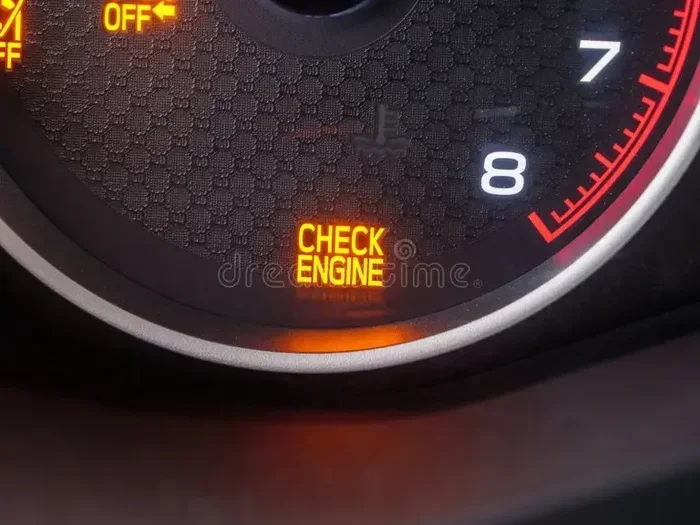
When the VSC light illuminates, the system has been disabled or a sensor is malfunctioning. A steady yellow light usually means a minor issue. A flashing red light often signals a more serious fault. Many drivers confuse the VSC light with the check engine light. They can appear together because both systems share sensors and the ECU. The VSC system is a key part of modern safety. Ignoring it can put you at risk on wet or icy roads.
The Role of Vehicle Stability Control
The Vehicle Stability Control system works behind the scenes every time you drive. It constantly compares your intended path with the actual path. If the car starts to understeer or oversteer, the system steps in. It uses the ABS pump to apply braking force to specific wheels. This helps you steer in the direction you want to go. The system also relies on the traction control system to prevent wheel spin during acceleration.
How the VSC System Works
Several sensors feed data into the VSC system. The yaw rate sensor measures how fast the car is rotating. The steering angle sensor reads how much you turn the wheel. The wheel speed sensors monitor each wheel’s rotation. The throttle position sensor tells the ECU how much gas you are giving. All this data is processed by the powertrain control module. If the system sees a mismatch, it triggers the VSC light. A loose gas cap can also cause a pressure leak that sets off the warning.
Quick Tip: If the VSC light is steady, the system is off but the car is still drivable. If it flashes, there is a more serious issue that needs immediate attention.
Common Mistake: Ignoring a steady VSC light can lead to reduced safety on wet roads. The system will not intervene if you start to slide.
Expert Insight: The VSC system relies on multiple sensors. A single faulty sensor can disable the whole system, even if the other sensors are working perfectly.
Common Causes of the VSC Light
Many different issues can trigger the VSC light. Some are simple and cheap to fix. Others require professional tools and knowledge. Here are the most common reasons the VSC light comes on.
Loose or Faulty Gas Cap
A loose gas cap is the number one simplest cause. The fuel system needs to stay sealed to maintain proper pressure. If the cap is not tight, fuel vapors escape. This can trigger the check engine light and the VSC light at the same time. The VSC system may think there is a pressure problem in the fuel tank. Always check your gas cap first when a warning light appears.
Failing Wheel Speed Sensor
The wheel speed sensor is a small device near each wheel. It tells the ABS and VSC system how fast each wheel is spinning. When one sensor fails, the system loses important data. This often causes the VSC light and the ABS light to come on together. A dirty or damaged sensor can also give false readings. Road grime and brake dust can build up on the sensor tip over time.
Bad Steering Angle Sensor
The steering angle sensor is located in the steering column. It measures how much and how fast you turn the wheel. If this sensor fails, the VSC system cannot know your intended direction. A bad steering angle sensor is a common reason the VSC light stays on. It can also cause the car to feel heavy or unresponsive in the steering. This sensor often needs recalibration after a battery disconnect or wheel alignment.
Yaw Rate Sensor Problems
The yaw rate sensor measures how quickly the car is rotating around its vertical axis. It is usually hidden under the center console or near the rear bumper. If the yaw rate sensor fails, the VSC system cannot detect a skid. This is a serious issue because the system loses its ability to stabilize the car. The VSC light will turn on immediately. Yaw rate sensors are expensive to replace, often costing over $300.
Throttle Position Sensor Issues
The throttle position sensor tells the ECU how far the accelerator pedal is pressed. If it sends incorrect signals, the VSC system may get confused. The engine might surge or hesitate. This can trigger the VSC light and the check engine light. A dirty throttle body can also cause similar symptoms. Cleaning the throttle body often fixes the problem without replacing the sensor.
ABS Module Malfunction
The ABS module controls the anti-lock braking system. It also shares data with the VSC system. If the ABS module has an internal fault, the VSC light will likely come on. You might also hear a grinding noise when braking. Water damage or corroded wiring can cause the ABS module to fail. This is one of the more expensive repairs on this list.
| Cause | Symptoms | Fix Difficulty |
|---|---|---|
| Loose Gas Cap | VSC light and check engine light on | Very Easy |
| Failing Wheel Speed Sensor | VSC light, ABS light on, poor braking | Moderate |
| Bad Steering Angle Sensor | VSC light, steering feels heavy | Moderate |
| Yaw Rate Sensor Failure | VSC light on, no stability assist | Hard |
| Throttle Position Sensor Fault | VSC light, engine surging | Easy to Moderate |
| ABS Module Malfunction | VSC light, ABS light on, grinding noise | Hard |
Quick Tip: A loose gas cap is the easiest and cheapest fix. Always check it first before assuming a serious problem.
Common Mistake: Assuming the VSC light means your brakes are failing. It could just be a sensor glitch or a loose gas cap.
Expert Insight: Mechanics often scan the ECU for trouble codes before replacing parts. This saves money by pinpointing the exact faulty component.
Key Takeaways
- The VSC light is most often caused by a loose gas cap or a failed sensor.
- Wheel speed sensors and steering angle sensors are the usual culprits.
- A table scan with an OBD-II tool can reveal the exact cause quickly.
- Never ignore the VSC light because it affects your safety on slippery roads.
How to Diagnose the VSC Light Problem
Diagnosing the VSC light is easier than you might think. You do not need to be a mechanic. With the right tools and a little patience, you can find the root cause. Here is how to approach the diagnosis step by step.
Using an OBD-II Scanner
An OBD-II scanner is the best tool for diagnosing the VSC light. You can buy a basic scanner for under $30 at any auto parts store. Plug the scanner into the diagnostic port under your dashboard. Turn the ignition to the on position. The scanner will read the trouble codes stored in the ECU. Look for codes that start with the letter C. Codes like C1201 or C0035 are directly related to the VSC system. Write down all the codes and research what they mean. A code reader app on your phone can help decode them.
Visual Inspection of Sensors
Sometimes the problem is visible without any tools. Open your hood and look at the battery terminals. Corrosion here can cause voltage drops that confuse the ECU. Check the wiring harnesses near the wheels. The wheel speed sensors have small wires that can rub against the brake rotor. A damaged wire will cause intermittent VSC light issues. Also look at the steering column for any loose connectors. The steering angle sensor plug can become corroded over time.
Checking the Gas Cap
Start with the simplest check. Remove the gas cap and listen for a click. If it does not click, the seal is worn. Replace the gas cap with a new one. Tighten it until you hear three clicks. Drive the car for a few miles. The VSC light should turn off if the gas cap was the problem. This fix costs less than $20 and takes two minutes.
Quick Tip: Buy a basic OBD-II scanner. It costs under $30 and reads VSC-related codes. It pays for itself the first time you avoid a trip to the shop.
Common Mistake: Clearing the code without fixing the root cause. The VSC light will just return within a few days or miles.
Expert Insight: The OBD-II scanner will show codes like C1201 or C0035. These point directly to the VSC system and help you avoid guesswork.
Step-by-Step Fixes for the VSC Light
Once you know the cause, you can take action. Some fixes are simple DIY jobs. Others need a professional. Here are the most common fixes for the VSC light.
Fix 1: Tighten or Replace the Gas Cap
If the gas cap is loose, simply tighten it. If the seal is cracked, buy a new one. OEM caps are cheap and fit perfectly. After installing the new cap, drive for 50 to 100 miles. The VSC light should reset on its own. If it does not, use the OBD-II scanner to clear the code.
Fix 2: Clean or Replace the Wheel Speed Sensor
Wheel speed sensors can get clogged with road grime. Remove the sensor and clean it with brake cleaner. If the tip is damaged, replace the sensor. This is a moderate repair that takes about 30 minutes per wheel. You will need a jack and basic hand tools. Always replace sensors in pairs if both are old. This ensures the VSC system gets accurate data from all wheels.
Fix 3: Reset the Steering Angle Sensor
After a battery disconnect or wheel alignment, the steering angle sensor needs recalibration. You will need a professional scan tool for this. The tool points the sensors to the center position. This is a quick procedure at most tire shops. It costs between $50 and $100. Do not try to reset it by turning the steering lock to lock. This can damage the sensor.
Fix 4: Repair the ABS Module
An ABS module failure is the most expensive fix. The module itself can cost $400 to $800. Labor adds another $100 to $200. A mechanic will need to reprogram the new module to your car’s VIN. This ensures the VSC system and ABS work together properly. If you see a grinding noise when braking, get the ABS module checked immediately.
| Fix | Estimated Cost | Difficulty | Time Needed |
|---|---|---|---|
| Tighten or Replace Gas Cap | $5 to $20 | Very Easy | 5 minutes |
| Clean Wheel Speed Sensor | $0 (cleaner only) | Easy | 15 minutes |
| Replace Wheel Speed Sensor | $50 to $100 per sensor | Moderate | 30 minutes |
| Reset Steering Angle Sensor | $50 to $100 | Professional | 20 minutes |
| Repair ABS Module | $400 to $1000 | Hard | 2 to 3 hours |
Key Takeaways
- Start with the simplest fix: the gas cap. It solves the problem in many cases.
- Cleaning a dirty wheel speed sensor can restore the VSC system without a replacement.
- Always use a proper scan tool to reset the steering angle sensor. Do not force it manually.
- ABS module repairs are costly. Get a second opinion before committing to this fix.
- After any repair, drive the car for 10 minutes to let the system recalibrate.
Quick Tip: After replacing a sensor, drive for 10 minutes to let the system recalibrate. The VSC light should turn off automatically.
Common Mistake: Trying to reset the VSC light without addressing the underlying problem. The light will return, and you may face a more expensive repair later.
Expert Insight: Some fixes require a professional calibration. Do not force the steering angle sensor without a scan tool. Incorrect calibration can cause the VSC light to stay on permanently.
Preventing the VSC Light from Coming Back
Once you have fixed the VSC light, you want to keep it off. Regular maintenance can prevent most issues. A little care goes a long way in keeping the Vehicle Stability Control system healthy.
Regular Sensor Maintenance
Keep your sensors clean. The wheel speed sensors can collect metal debris from the brakes. Wipe them down during oil changes. Check the wiring harnesses for any frayed edges. Road conditions can damage wires over time. A quick visual inspection every few months can catch small problems before they trigger the VSC light.
Keep Your Gas Cap Tight
Always tighten the gas cap until you hear three clicks. A loose cap is the easiest way to trigger the VSC light and the check engine light. Replace the gas cap every few years. The rubber seal wears out and can no longer maintain a proper seal. A new cap is a small investment that pays off in reliability.
Address Warning Lights Early
Never ignore a dashboard warning. If the VSC light comes on, check it soon. A small sensor issue can turn into a bigger problem if left alone. The VSC system depends on accurate data. Even a slightly faulty sensor can reduce your safety on wet roads. Early action saves you from costly repairs later.
Quick Tip: Inspect your gas cap every time you fill up. It takes two seconds and prevents many false warnings.
Common Mistake: Delaying repairs because the car still runs fine. The VSC light affects safety, not just drivability. A car can run with the VSC light on but be dangerous in a sudden skid.
Expert Insight: A healthy VSC system can improve fuel economy and safety. The system optimizes braking and acceleration, which reduces tire wear and fuel waste.
Key Takeaways
- Regular sensor cleaning keeps the VSC system working reliably.
- A tight gas cap prevents many false VSC warnings.
- Addressing small warning lights early avoids expensive repairs.
- A well-maintained VSC system improves both safety and fuel economy.
When to See a Mechanic
Some VSC light issues are simple enough to handle yourself. But others require professional help. Knowing when to call a mechanic can save you from a dangerous situation or a costly mistake.
The VSC Light Flashes and Stays On
A flashing VSC light that stays on is a serious warning. It often means a major fault in the stability control system. Do not ignore this. Pull over safely and turn off the engine. Check the gas cap first. If that does not help, call for a tow. Driving with a flashing VSC light can be risky, especially on wet or icy roads.
Other Warning Lights Appear
If the VSC light comes on with the check engine light and the ABS light, the problem is likely shared. The ABS and VSC systems share the wheel speed sensors and the ECU. Multiple lights mean multiple systems are affected. This is a clear sign you need a professional diagnosis. A mechanic can scan all the modules at once and find the root cause.
You Notice a Drop in Performance
If you feel a loss of power, rough idling, or braking problems along with the VSC light, do not delay repairs. The VSC system works closely with the engine and brakes. A drop in performance means the fault is affecting more than just the stability system. It could be a failing throttle position sensor or a problem with the mass airflow sensor. These issues can cause long-term damage if ignored.
Quick Tip: If the VSC light flashes and you feel a loss of power, pull over immediately. Turn the engine off and call for roadside assistance.
Common Mistake: Driving long distances with a flashing VSC light can damage the catalytic converter. The unburned fuel from a misfire can ruin this expensive component.
Expert Insight: A flashing VSC light often means a severe fault. Pull over safely and call for help. Continuing to drive can cause further damage to the engine and emissions system.
Key Takeaways
- A flashing VSC light is a serious warning. Treat it as an emergency.
- Multiple warning lights together mean a shared system fault. Get a full diagnostic scan.
- Loss of performance with the VSC light requires immediate professional attention.
- Driving with a flashing VSC light can damage the catalytic converter and other parts.
Conclusion
The VSC light is not something you should ignore. It is your car’s way of telling you the Vehicle Stability Control system needs attention. Whether the cause is a loose gas cap or a failed sensor, early action keeps you safe and saves money. You now know the common causes, how to diagnose the problem, and the best fixes. Most VSC light issues are simple and affordable to resolve. Start with the easiest checks and work your way up. Use an OBD-II scanner to get the right trouble codes. If the fix is beyond your comfort level, visit a trusted mechanic. A properly working VSC system gives you confidence on the road. It helps you stay in control during unexpected situations. Take care of the VSC light today, and your car will reward you with better safety and performance for miles to come.
Frequently Asked Questions
Can I drive with the VSC light on?
Yes, you can usually drive a short distance if the VSC light is steady. However, the stability control system will not assist you. Avoid sudden maneuvers and drive carefully on wet roads. If the light flashes, pull over and seek help immediately.
How much does it cost to fix the VSC light?
The cost depends entirely on the cause. A loose gas cap costs under $20 to fix. Replacing a wheel speed sensor may run $50 to $100. ABS module repairs can cost $400 to $1000. Always get a proper diagnosis before agreeing to a repair.
What does a flashing VSC light mean?
A flashing VSC light indicates a serious fault in the stability control system. It often means the system has completely disabled itself. This can happen due to a failed sensor or a wiring short. You should stop driving and get the car inspected right away.
Will the VSC light reset itself?
Sometimes, yes. If the cause was a loose gas cap, tightening it may turn the light off after a few driving cycles. For sensor faults, the light will stay on until the problem is fixed and the code is cleared with an OBD-II scanner.
How do I reset the VSC light?
First, fix the underlying problem. Then, use an OBD-II scanner to clear the trouble codes. Turn the ignition on and off three times without starting the engine. This can also reset the VSC light on some models. Drive the car for 10 minutes to confirm the light stays off.
Is the VSC light the same as the check engine light?
No, they are different but often related. The check engine light monitors the engine and emissions systems. The VSC light specifically monitors the Vehicle Stability Control system. They can come on together because they share the same sensor network and ECU. A scan tool will show separate codes for each system.