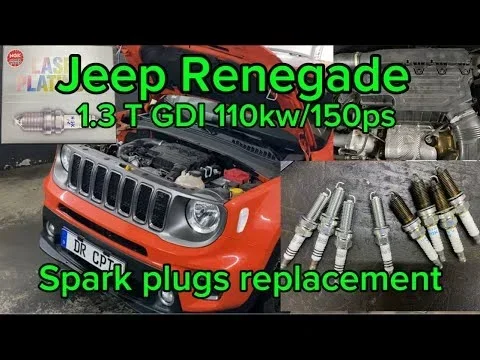
How to Change Spark Plugs on Your 2017 Jeep Renegade
Changing the spark plugs on your 2017 Jeep Renegade is a simple maintenance task you can do at home with basic tools. This guide walks you through every step, from picking the right plugs to final torque specs. You will learn how to boost engine performance, improve fuel economy, and avoid costly mechanic visits. Follow our detailed instructions to keep your Jeep running smoothly for miles to come.
Your 2017 Jeep Renegade is a fun and capable little SUV. But like any vehicle, it needs regular care to keep running its best. One of the simplest yet most important jobs you can do is changing the spark plugs. These small components play a huge role in how your engine starts, runs, and performs. Dirty or worn plugs can cause rough idling, poor fuel economy, and even engine misfires.
If you have been putting off this maintenance task, now is the perfect time. Changing spark plugs on a 2017 Jeep Renegade is easier than most people think. You do not need a garage full of expensive equipment. With a few basic tools and about 30 to 45 minutes, you can have the job done. This guide gives you every detail you need to get it right the first time.
We will cover everything from the tools you need to the step-by-step process. You will also learn how to pick the best plugs for your engine and avoid common mistakes. Whether you are a complete beginner or a weekend DIYer, this article has something valuable for you. Let us dive in and get your Jeep firing on all cylinders.
Key Takeaways
- Regular spark plug changes keep your 2017 Jeep Renegade engine running strong and efficient.
- You only need basic tools like a ratchet, extension, and spark plug socket to complete the job.
- Choosing OEM or recommended spark plugs ensures the best fit and performance for your engine.
- Checking the gap spacing before installation prevents misfires and rough idling.
- Applying anti-seize compound makes future removal much easier and protects the threads.
- Replacing all plugs at once ensures even combustion and consistent engine behavior.
- Knowing when to seek help saves you from damaging sensitive engine components.
📑 Table of Contents
- Why Spark Plugs Matter for Your Jeep Renegade
- Tools and Materials You Will Need
- Step-by-Step Guide to Changing Spark Plugs
- Common Mistakes to Avoid When Changing Spark Plugs
- How Often Should You Change Your Spark Plugs?
- When to Seek Professional Help
- Benefits of DIY Spark Plug Replacement
- Final Thoughts
Why Spark Plugs Matter for Your Jeep Renegade
Spark plugs might be small, but they do big work. Every time your engine fires, the spark plug creates a tiny electrical spark. This spark ignites the air and fuel mixture inside the combustion chamber. Without a properly working plug, your engine simply cannot run efficiently.
Over time, spark plugs wear out. The electrode erodes, and the gap between the center and ground electrode widens. This means the spark becomes weaker or inconsistent. A weak spark leads to incomplete combustion. Your engine has to work harder to produce the same power. The result is a noticeable drop in performance.
For the 2017 Jeep Renegade, the factory recommends replacing spark plugs every 30,000 to 60,000 miles depending on the plug type. NGK spark plugs are the OEM choice for most Renegade models. sticking to this schedule keeps your ignition system in top shape. It also helps maintain the fuel efficiency you expect from your vehicle.
Signs Your Spark Plugs Need Replacement
How do you know it is time to change your plugs? Watch for these warning signs:
- Rough or uneven idling — the engine shakes or feels jittery when stopped.
- Difficulty starting the engine — especially in cold weather or after sitting overnight.
- Poor acceleration — the Jeep feels sluggish when you press the gas pedal.
- Increased fuel consumption — you notice you are visiting the pump more often.
- Engine misfires — a rhythmic stumbling sensation while driving at steady speed.
- Check engine light — the dashboard warning may indicate ignition-related issues.
If you notice any of these symptoms, do not ignore them. Worn spark plugs put extra stress on your ignition coils and other components. Replacing them early saves you from more expensive repairs down the road.
Tools and Materials You Will Need
Before you start, gather everything you need. Having the right tools makes the job faster and prevents frustration. Here is your complete shopping list:
- Ratchet and spark plug socket — a 5/8 inch or 14mm socket fits most Renegade plugs.
- Ratchet extension — you need extra length to reach the plugs deep in the engine bay.
- Spark plug gap tool — this small tool adjusts the electrode gap to factory specifications.
- Torque wrench — essential for tightening plugs to the correct specification without overdoing it.
- Anti-seize compound — a thin coating that prevents plugs from seizing in the cylinder head.
- Dielectric grease — protects the spark plug boot and ensures a clean connection.
- Compressed air or blow gun — clears debris around the plug wells before removal.
- Replacement spark plugs — check your owner manual for the exact part number and quantity.
You might also want a 12V to 230V car inverter if you plan to use any powered tools or work lights in a remote location. A 12V car socket to 3 pin adapter can be handy if you need to plug in additional equipment during the job. These small accessories make your DIY experience much more comfortable.
Choosing the Right Spark Plugs
Not all spark plugs are the same. The 2017 Jeep Renegade uses a specific type of plug designed for its engine. Using the wrong plug can cause poor performance or even engine damage. Always check your owner manual or consult a trusted parts catalog.
The factory spec for the 2017 Renegade typically calls for NGK Iridium or Platinum spark plugs. These plugs offer excellent durability and consistent performance. Here is a quick comparison of common plug types:
- Copper core plugs — affordable but wear faster. Good for high-performance driving.
- Platinum plugs — longer lifespan than copper. Standard choice for most daily drivers.
- Iridium plugs — the longest-lasting option. Offers the best spark quality and efficiency.
For most Renegade owners, iridium plugs are the best investment. They last longer and deliver a more consistent spark. The 000 lbs heavy specification is not a concern here since spark plugs are lightweight components, but always handle them carefully to avoid cracking the ceramic insulator.
Step-by-Step Guide to Changing Spark Plugs
Now let us get into the hands-on part. Follow these steps carefully and you will have your new plugs installed in no time.
Step 1: Prepare the Engine Bay
Start with a cool engine. Working on a hot engine increases the risk of burns and can warp components. Open the hood and locate the engine cover on the 2017 Renegade. Remove any covers or air intake ducts blocking access to the ignition coils.
Use your compressed air to blow out any dirt or debris around the spark plug wells. This prevents contaminants from falling into the cylinder when you remove the old plugs. A clean workspace makes the entire process smoother and safer.
Step 2: Remove the Ignition Coils
Each spark plug sits under an ignition coil. You need to remove these coils to access the plugs. Start by unplugging the electrical connector on top of each coil. Press the tab gently and pull the connector straight off.
Next, remove the bolt that holds each coil in place. The 2017 Renegade uses a simple bolt-on coil design. Once the bolt is out, carefully pull the coil straight up. Do not twist or yank it. If a coil feels stuck, give it a gentle wiggle. Never force it or you risk damaging the boot.
Step 3: Remove the Old Spark Plugs
With the coils off, the spark plugs are now visible. Use your compressed air one more time to clean around each plug well. Any debris that falls into the cylinder can cause damage.
Attach your spark plug socket to the ratchet and extension. Lower it carefully into the plug well. Turn counterclockwise to loosen the old plug. Once it is loose, finish removing it by hand to avoid dropping it into the engine bay.
Inspect the old plug before you discard it. The color and condition of the electrode tell you a lot about your engine health. A light tan or gray color is normal. Black sooty deposits suggest a rich fuel mixture. White deposits may indicate an overheating issue. Take note of what you see.
Step 4: Prepare the New Spark Plugs
Take your new plugs out of the packaging. Before installing them, check the gap spacing. The factory gap for the 2017 Jeep Renegade is typically between 0.020 and 0.028 inches. Use your gap tool to verify and adjust if needed.
Apply a thin coat of anti-seize compound to the threads of each new plug. This is a critical step. The anti-seize compound makes future plug removal much easier. It also protects the threads from corrosion and seizing over time.
Do not apply too much compound. A thin, even layer is all you need. Excess compound can get into the combustion chamber and cause issues. Less is more in this case.
Step 5: Install the New Spark Plugs
Now it is time to thread in the new plugs. Start by hand-turning each plug into its well. This prevents cross-threading, which can damage the cylinder head threads. Turn clockwise gently until you feel the plug seat snugly.
Once the plug is hand-tight, use your torque wrench to finish the job. The recommended torque for the 2017 Jeep Renegade spark plugs is typically between 13 and 16 foot-pounds. Check your owner manual for the exact specification. Over-tightening can strip threads or crack the ceramic insulator. Under-tightening can cause the plug to work loose and create engine damage.
After torquing, apply a small dot of dielectric grease inside the spark plug boot. This ensures a clean connection and makes future removal easier. Push each ignition coil back into place and secure the bolt. Reconnect the electrical connector to each coil.
Step 6: Test Your Work
Start the engine and let it idle for a few minutes. Listen for any unusual sounds. A smooth, steady idle means everything is working correctly. If you hear knocking, misfiring, or rough running, double-check your work. Make sure all connectors are seated properly and all plugs are tightened to spec.
Take your Renegade for a short test drive. Pay attention to acceleration and throttle response. The engine should feel responsive and smooth. If something does not feel right, go back and recheck each plug.
Common Mistakes to Avoid When Changing Spark Plugs
Even a simple job like spark plug replacement can go wrong if you are not careful. Here are the most common mistakes people make:
- Over-tightening the plugs — this is the number one mistake. It can strip threads or break the plug inside the head.
- Skipping the gap check — even new plugs may need gap adjustment. Always verify before installation.
- Dropping a plug into the engine bay — a dropped plug can fall into the cylinder and cause serious damage.
- Using the wrong spark plug type — always match the plug to your engine specifications.
- Forgetting dielectric grease — this small step prevents corrosion and ensures a solid connection.
- Replacing only one plug — always replace all plugs at once for even performance across all cylinders.
Avoiding these mistakes will save you time, money, and headaches. Take your time and do each step carefully. Rushing through the job is how accidents happen.
How Often Should You Change Your Spark Plugs?
The replacement interval depends on the type of spark plugs you use and your driving conditions. Here is a general guideline for the 2017 Jeep Renegade:
- Copper core plugs: Replace every 30,000 miles.
- Platinum plugs: Replace every 60,000 miles.
- Iridium plugs: Replace every 100,000 miles.
Your driving habits also affect plug life. Frequent short trips, stop-and-go traffic, and towing put more stress on the plugs. If you drive in harsh conditions, consider replacing plugs more frequently than the standard interval.
Regular engine maintenance includes checking your plugs at every oil change. A quick visual inspection can catch problems early. Catching a worn plug before it causes a misfire saves you from more serious repairs.
Can You Replace Just One Spark Plug?
Technically yes, but it is not recommended. Mismatched plugs can cause uneven combustion. One new plug may fire differently than older plugs still in the engine. This leads to rough running and poor performance. Replacing all plugs at once ensures consistent ignition across all cylinders.
When to Seek Professional Help
Most people can change spark plugs on a 2017 Jeep Renegade without any issues. However, there are situations where professional help makes sense:
- Stuck or seized spark plugs — if a plug will not budge, a mechanic has specialized tools to remove it safely.
- Damaged threads in the cylinder head — this requires professional repair and thread chasing.
- Persistent engine codes after replacement — if the check engine light stays on, there may be an underlying electrical issue.
- Lack of confidence or tools — there is no shame in letting a professional handle the job.
A qualified mechanic can also inspect your ignition coils and wiring while the plugs are out. This is a great opportunity to catch other potential issues early. If you are unsure about any step, consult a professional rather than risk damaging your engine.
Benefits of DIY Spark Plug Replacement
Doing this job yourself has several advantages. First, you save money on labor charges. A typical mechanic might charge $100 or more just for the work. The spark plugs themselves cost around $30 to $80 depending on the brand and type.
Second, you gain a better understanding of your vehicle. Knowing how your engine works gives you confidence as a car owner. You can spot problems early and communicate more effectively with mechanics when needed.
Third, there is the satisfaction of completing a maintenance task on your own. It is a rewarding feeling to know you kept your Jeep in great shape with your own hands.
Final Thoughts
Changing the spark plugs on your 2017 Jeep Renegade is one of the easiest and most rewarding maintenance tasks you can tackle. It takes less than an hour, requires only basic tools, and makes a noticeable difference in how your engine runs. Regular spark plug replacement improves acceleration, fuel economy, and overall engine longevity.
Follow the steps in this guide carefully. Take your time, use the right tools, and never skip the gap check or torque specification. Your Jeep will thank you with smooth, reliable performance for thousands of miles to come. Grab your tools and get started today — your Renegade deserves it.
Frequently Asked Questions
What spark plugs does a 2017 Jeep Renegade use?
The 2017 Jeep Renegade typically uses NGK Iridium or Platinum spark plugs. The exact part number depends on your engine variant. Check your owner manual or consult a parts catalog for the correct specification and gap setting for your specific model.
How long does it take to change spark plugs on a Jeep Renegade?
For most DIYers, the job takes about 30 to 45 minutes. First-timers might take a little longer while they get comfortable with the process. Having all your tools ready and the workspace clean will help you finish faster.
Can I reuse the ignition coils when changing spark plugs?
Yes, you do not need to replace the ignition coils unless they are damaged or malfunctioning. Simply remove them carefully, install the new plugs, and reinstall the coils. Inspect the coil boots for wear or cracking while they are off.
What happens if I over-tighten my spark plugs?
Over-tightening can strip the threads in the cylinder head or crack the ceramic insulator inside the plug. Both issues lead to expensive repairs. Always use a torque wrench and follow the factory specification, which is typically 13 to 16 foot-pounds for the Renegade.
Is it okay to change spark plugs without a torque wrench?
It is not recommended. A torque wrench ensures you tighten the plugs to the correct specification. Without one, you risk either under-tightening or over-tightening. A simple click-style torque wrench is inexpensive and makes a big difference in the quality of your work.
How do I know if my spark plugs are gapped correctly?
Use a spark plug gap tool to measure the distance between the center electrode and the ground electrode. Compare your measurement to the factory specification listed in your owner manual. Adjust gently if needed — the electrode is delicate and can bend easily.
=== CONCLUSION ===
Changing spark plugs on your 2017 Jeep Renegade is a straightforward job that anyone can do with the right guidance. You have learned what tools to gather, how to remove the old plugs, and the correct way to install new ones. Remember to check the gap, use anti-seize compound, and torque to specification. These small steps make a big difference in engine performance and longevity.
Regular maintenance keeps your Renegade running at its best. Spark plug replacement is one of the simplest ways to invest in your vehicle’s health. Do not wait for symptoms to appear — stay proactive and keep your engine firing strong. Your Jeep will reward you with reliable performance mile after mile.