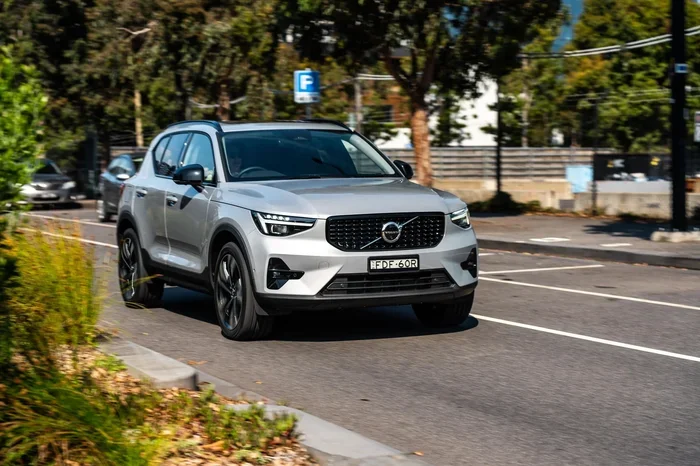
How Much Does a Kia Sorento Weigh Everything Explained
The Kia Sorento weight varies between 3,500 and 4,700 pounds depending on the year, trim, and engine type. Understanding your Sorento’s weight helps with fuel economy, towing, and safety. Knowing the curb weight and gross vehicle weight rating is essential for every Sorento owner.
The Kia Sorento weight varies depending on the model year, trim level, and engine configuration. Most Kia Sorento models weigh between 3,500 and 4,700 pounds, making it a mid-size SUV that balances comfort with capability. Knowing your vehicle’s weight helps you understand fuel economy, towing limits, and overall performance. Whether you own a new Sorento or are shopping for one, understanding these numbers is key. In this guide, we break down everything you need to know about the Kia Sorento weight across all trims and generations.
When you buy an SUV, weight is one of the first numbers you should look at. It affects how the car drives, how much fuel it uses, and what it can tow. The Kia Sorento weight has changed over the years as Kia updated the design and added new features. Each generation brought lighter materials, better engines, and more technology. But the basic idea stays the same: the heavier the vehicle, the more power it needs to move.
If you are wondering how much your Sorento weighs or why it matters, you are in the right place. This guide covers everything from curb weight to towing capacity. We also compare the Sorento to other SUVs in its class. By the end, you will have a clear picture of what the Kia Sorento weight means for your daily driving.
Key Takeaways
- Kia Sorento weight ranges from 3,500 to 4,700 pounds depending on the model year, trim level, and engine configuration.
- Curb weight, GVWR, and payload capacity are the three key weight metrics every owner should understand.
- Engine choice significantly affects weight, with hybrid models being the heaviest and four-cylinder engines the lightest.
- Higher trim levels add weight through additional features like leather seats, sunroofs, and advanced safety tech.
- Managing payload and cargo properly helps maintain fuel economy, handling, and braking performance.
- Regular maintenance is critical for heavier vehicles like the Sorento to ensure long-term reliability.
- The Sorento sits competitively among mid-size SUVs in terms of weight and overall capability.
📑 Table of Contents
Understanding Vehicle Weight Basics
Before we dive into specific numbers, let us talk about what vehicle weight actually means. There are a few terms you will see over and over again. Each one tells you something different about your car.
What Is Curb Weight?
Curb weight is the weight of your vehicle with a full tank of fuel and all standard equipment. It does not include passengers or cargo. Think of it as the weight of the car sitting empty on the curb. For the Kia Sorento, curb weight typically ranges from about 3,500 to 4,200 pounds depending on the year and trim.
Knowing the curb weight Kia Sorento for your specific model helps you plan for towing, payload, and fuel costs. A heavier curb weight means your engine works harder, which can reduce fuel economy. On the other hand, a lighter curb weight can improve acceleration and handling. The kerb weight is another term you may see used interchangeably with curb weight in some markets.
What Is Gross Vehicle Weight Rating?
Gross vehicle weight rating, or GVWR, is the maximum safe weight your vehicle can carry. This includes the curb weight plus passengers, cargo, and any tongue weight from a trailer. The Kia Sorento gross vehicle weight rating usually falls between 6,000 and 6,500 pounds across most model years.
Staying under the GVWR is important for safety and legal reasons. Overloading your vehicle can strain the brakes, suspension, and engine. It can also affect how the car handles on the road. Always check your owner’s manual for the exact GVWR for your specific Sorento model. This number is not just a suggestion, it is a hard limit set by the manufacturer based on extensive testing.
What Is Payload Capacity?
Payload capacity is the maximum weight you can safely add to your vehicle. This includes passengers, luggage, roof cargo, and any trailer tongue weight. You can calculate it by subtracting the curb weight from the GVWR.
For example, if your Sorento has a curb weight of 4,000 pounds and a GVWR of 6,200 pounds, your payload capacity is 2,200 pounds. That is enough for four adults and a decent amount of cargo. But if you start towing, you need to factor in the tongue weight too. Understanding your vehicle capacity helps you avoid overloading and keeps your Sorento running smoothly.
Kia Sorento Weight by Year and Trim Level
The Kia Sorento weight has shifted over the years as Kia released new generations and updated existing ones. Let us look at how the numbers have changed and what drives those changes.
Weight Across Different Generations
The first-generation Sorento (2003-2009) was a smaller SUV with a lighter frame. It weighed around 3,500 to 3,900 pounds. The second generation (2010-2014) added more features and grew slightly heavier, coming in at around 4,000 to 4,300 pounds.
The third generation (2015-2020) brought a bigger, more modern design. Weight climbed to around 4,200 to 4,500 pounds. The fourth generation (2021-present) introduced a hybrid option and more advanced tech, pushing some models above 4,500 pounds. Each new generation added safety features, comfort tech, and stronger engines, all of which add to the vehicle weight. Understanding Sorento model years helps you pick the right vehicle for your needs.
How Engine Choice Affects Weight
The engine you choose has a big impact on the Kia Sorento weight. A standard four-cylinder engine keeps the weight lower. The V6 engine adds more power but also adds weight. The hybrid powertrain in newer models includes a battery pack, which adds even more to the overall weight.
Here is a quick look at how engine choice affects weight:
- 2.5L Four-Cylinder: Lighter weight, better fuel economy, less towing power
- 3.5L V6: Heavier by a few hundred pounds, more towing capacity
- Hybrid Powertrain: Heaviest option due to battery pack, best fuel economy
If you are comparing trims, always check the engine specifications alongside the weight numbers. A heavier engine does not always mean a better vehicle. It just means different trade-offs. The hybrid option is a great example of how modern technology can offset extra weight with improved efficiency.
How Trim Levels Affect Weight
Higher trim levels come with more features, and more features mean more weight. A base LX trim will weigh less than a top-tier SX Prestige trim. Leather seats, upgraded sound systems, sunroofs, and advanced driver-assistance features all add pounds.
Here are some common factors that increase weight across Sorento trim levels:
- All-wheel drive systems add about 100-200 pounds
- Larger wheels and tires add weight to the outer edges
- Panoramic sunroofs add glass and reinforcement
- Advanced safety packages add sensors and cameras
- Third-row seating adds seats and structural support
Understanding these differences helps you choose the right trim for your needs. If you prioritize fuel economy over features, a lower trim with a smaller engine is a smart move. But if you need the extra space and comfort, the added weight is a fair trade-off.
Why Does the Kia Sorento Weight Matter?
The Kia Sorento weight is not just a number on a spec sheet. It affects how your vehicle performs every day. Let us look at the real-world reasons why weight matters for your daily driving experience.
Fuel Economy and Vehicle Weight
Heavier vehicles need more energy to move. This means a heavier Sorento will generally get lower fuel economy than a lighter one. The difference may not be huge, but over thousands of miles, it adds up at the pump.
Here is what you can expect in terms of fuel economy based on weight:
- Lighter trims with 4-cylinder engines: Around 24-26 mpg combined
- Heavier trims with V6 engines: Around 20-22 mpg combined
- Hybrid models: Around 35-38 mpg combined (despite being heavier)
The hybrid Sorento is an interesting case. It weighs more due to the battery, but the electric motor helps offset that extra weight at the pump. This is a great example of how engine specifications and weight work together to deliver strong results.
Towing Capacity and Hauling
Your Sorento’s towing capacity depends directly on its weight and engine power. A heavier vehicle with a stronger engine can typically tow more. The Kia Sorento towing capacity ranges from about 1,500 to 5,000 pounds depending on the configuration.
If you plan to tow a boat, a trailer, or a camper, the weight of your Sorento matters a lot. A lighter Sorento with a 4-cylinder engine may struggle with heavy loads. A heavier Sorento with a V6 or hybrid will handle towing much better. Always stay within the recommended Sorento towing limits. Overloading can damage the engine, transmission, and brakes. It also creates unsafe driving conditions for you and others on the road.
Is Your Sorento Too Heavy?
Some drivers worry that their SUV is too heavy for everyday use. If you have ever wondered about 000 Lbs Heavy For A Car, you know that weight concerns are common among SUV owners. The good news is that modern Kia Sorentos are designed to handle their own weight with ease.
The Kia Sorento weight is distributed across all four wheels in an AWD setup, which helps with stability. The suspension and braking systems are engineered specifically for the vehicle’s weight class. So unless you are consistently overloading the vehicle, the weight should not cause problems.
That said, if you notice any issues with handling, braking, or tire wear, the weight could be a contributing factor. Regular maintenance and proper tire inflation go a long way in managing a heavier SUV. And if you want to explore the broader topic of vehicle weight and its impact on performance, check out our article on 000 Lbs Heavy For A Car for more detailed insights.
Kia Sorento Weight Compared to Other SUVs
How does the Kia Sorento weight stack up against the competition? Let us compare it to some popular mid-size SUVs in the same class.
Weight Comparison Table
Here is a quick comparison of curb weights for popular mid-size SUVs:
- Kia Sorento: 3,500 – 4,700 lbs
- Toyota Highlander: 3,600 – 4,600 lbs
- Honda Pilot: 4,400 – 4,700 lbs
- Ford Explorer: 4,300 – 4,800 lbs
- Chevrolet Traverse: 4,400 – 4,700 lbs
The Sorento sits in a competitive range for SUV weight comparison. It is lighter than some rivals like the Honda Pilot and Ford Explorer, which can translate to better fuel economy and easier handling. The Sorento’s Kia SUV weight advantage comes from its efficient use of high-strength steel and lightweight materials in the body structure.
For buyers who care about the numbers, the Sorento offers a strong balance of size, comfort, and efficiency. It is not the lightest SUV on the market, but it is far from the heaviest. And if you ever want to dive deeper into what makes certain vehicles heavy, check out our article on 000 Lbs Heavy For A Car for more insights.
Tips for Managing Your Sorento’s Weight
Now that you know the Kia Sorento weight details, let us talk about how to manage it in real-world driving. A few smart habits can help you get the most out of your SUV every single day.
Payload and Cargo Tips
Packing your Sorento smartly can improve both safety and performance. Here are some quick tips to keep in mind:
- Distribute weight evenly between the front and rear axles
- Avoid loading heavy items on the roof unless necessary
- Keep your cargo below the maximum payload capacity
- Remove unused items from the trunk to reduce weight
- Check your axle weight when loading heavy cargo
Remember that every pound you add affects fuel economy and handling. A fully loaded Sorento with four passengers and cargo is already near its maximum capacity. Adding a heavy trailer on top of that can push you past safe limits. Always double-check your Sorento gross weight before hitting the road with a full load.
Maintenance Considerations
Heavier vehicles put more stress on certain components. Regular maintenance is even more important for a vehicle like the Sorento. Here are key areas to watch:
- Tires: Keep them properly inflated. Under-inflated tires wear faster and reduce fuel economy
- Brakes: Heavier vehicles need more braking force. Inspect brake pads regularly
- Suspension: Check shocks and struts for wear, especially if you carry heavy loads often
- Transmission: Follow the recommended maintenance schedule to ensure smooth operation
Staying on top of these items will help your Sorento perform at its best for years to come. A well-maintained vehicle handles its weight much more effectively than one that has been neglected. Think of it as an investment in long-term reliability and safety.
If Weight Is a Concern for You
If you have been researching vehicle weight and the numbers seem overwhelming, you are not alone. Many SUV buyers share the same concerns. The Kia Sorento weight is designed with real-world use in mind. Kia engineers spent years balancing performance, comfort, and safety within the vehicle’s weight class.
For those who want to understand more about how vehicle weight impacts daily driving, we recommend reading our piece on 000 Lbs Heavy For A Car. It covers the basics of why certain vehicles feel heavy and what that means for your driving experience. Understanding vehicle weight gives you the confidence to make better decisions every time you load up the car or plan a trip.
Final Thoughts on Kia Sorento Weight
The Kia Sorento weight is a key factor that shapes the driving experience. From curb weight to towing capacity, every number plays a role in how your SUV performs on the road. Whether you drive a base LX or a fully loaded SX Prestige, understanding your vehicle’s weight helps you make smarter choices about loading, towing, and maintenance.
With a range of 3,500 to 4,700 pounds across model years and trims, the Sorento offers a well-balanced package. It is light enough for good fuel economy but heavy enough to feel stable and confident on the highway. The hybrid options add some weight but bring excellent fuel economy and strong towing capacity to the table.
Keep these numbers in mind the next time you load up the Sorento or plan a towing trip. A little knowledge about your vehicle’s weight goes a long way toward safer, more efficient driving. The Kia Sorento weight is not something to worry about, but it is something to understand and respect. When you know your numbers, you drive smarter and safer every day.
Frequently Asked Questions
What is the curb weight of a Kia Sorento?
The curb weight of a Kia Sorento typically ranges from 3,500 to 4,700 pounds depending on the model year, trim level, and engine type. Always check your specific model’s owner manual for the exact number.
Does the Kia Sorento weight affect fuel economy?
Yes, a heavier Sorento will generally get lower fuel economy than a lighter one. However, hybrid models offset some of the extra weight with electric motor assistance, delivering excellent mpg despite being on the heavier side.
What is the towing capacity of a Kia Sorento?
The Kia Sorento towing capacity ranges from about 1,500 to 5,000 pounds depending on the engine and configuration. Always stay within the recommended limits and check your owner’s manual for your specific model.
How does trim level affect the Kia Sorento weight?
Higher trim levels add weight through features like leather seats, sunroofs, advanced safety systems, and larger wheels. A base LX trim weighs less than a fully loaded SX Prestige trim.
Is the Kia Sorento too heavy for everyday driving?
No, the Kia Sorento is designed to handle its own weight with ease. The suspension, brakes, and AWD system are all engineered for the vehicle’s weight class, making it suitable for daily driving.
How does the hybrid Sorento compare in weight to the gas-only models?
The hybrid Sorento is the heaviest option due to its battery pack. However, it offers the best fuel economy and strong towing capacity, making the extra weight well worth it for many buyers.
=== CONCLUSION ===
The Kia Sorento weight is a key factor that shapes the driving experience. From curb weight to towing capacity, every number plays a role in how your SUV performs on the road. Whether you drive a base LX or a fully loaded SX Prestige, understanding your vehicle’s weight helps you make smarter choices about loading, towing, and maintenance.
With a range of 3,500 to 4,700 pounds across model years and trims, the Sorento offers a well-balanced package. It is light enough for good fuel economy but heavy enough to feel stable and confident on the highway. The hybrid options add some weight but bring excellent fuel economy and strong towing capacity to the table.
Keep these numbers in mind the next time you load up the Sorento or plan a towing trip. A little knowledge about your vehicle’s weight goes a long way toward safer, more efficient driving. The Kia Sorento weight is not something to worry about, but it is something to understand and respect. When you know your numbers, you drive smarter and safer every day.