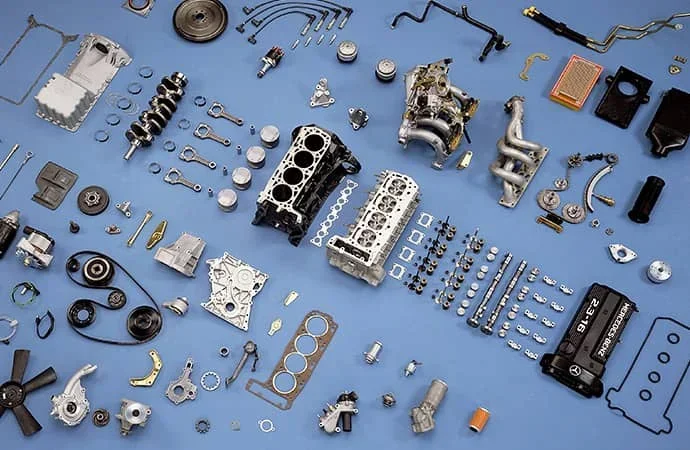
Are Mercedes Benz Parts Expensive Or Just Misunderstood
Many drivers wonder if Mercedes Benz parts are truly overpriced or if the cost is justified by quality and engineering. The truth is that Mercedes Benz parts can carry a higher price tag, but several factors — including OEM quality, advanced technology, and luxury branding — play a role. This guide breaks down the real costs, compares OEM versus aftermarket options, and gives you practical tips to manage your Mercedes Benz maintenance budget without sacrificing performance.
Key Takeaways
- Mercedes Benz parts cost more than average: Luxury engineering, advanced tech, and brand reputation drive higher prices.
- OEM parts ensure quality and fit: Original Equipment Manufacturer parts match factory standards and last longer.
- Aftermarket options can save money: Quality aftermarket parts offer a budget-friendly alternative without sacrificing performance.
- Maintenance costs vary by model: Older models and simpler trims tend to have cheaper parts than new luxury editions.
- Smart shopping reduces costs: Comparing dealers, buying in bulk, and timing repairs help you save significantly.
- Regular upkeep prevents expensive repairs: Staying on top of routine maintenance avoids costly breakdowns down the road.
📑 Table of Contents
- Are Mercedes Benz Parts Expensive Or Just Misunderstood?
- Breaking Down Common Mercedes Benz Part Costs
- How to Save Money on Mercedes Benz Parts
- Are Used Mercedes Parts a Good Option?
- How Mercedes Parts Compare to Other Luxury Brands
- The Hidden Costs of Mercedes Benz Ownership
- Expert Insights: What Mercedes Mechanics Want You to Know
- Common Mistakes That Increase Mercedes Parts Costs
- Is Owning a Mercedes Worth the Cost?
- Final Thoughts: Are Mercedes Benz Parts Expensive?
Are Mercedes Benz Parts Expensive Or Just Misunderstood?
Let us be honest. When you own a Mercedes Benz, people often assume you are paying a fortune every time something breaks. You hear stories about a simple brake job costing hundreds of dollars. You see sticker shock at the parts counter. And you start asking yourself, are Mercedes Benz parts really that expensive, or is it all just a misunderstanding?
The answer is somewhere in the middle. Mercedes Benz parts do cost more than parts for a regular Honda or Toyota. But there are real reasons behind that price. Advanced engineering, strict quality standards, and cutting-edge technology all play a role. The good news is that understanding these factors helps you make smarter decisions. You can keep your car running beautifully without breaking the bank.
In this article, we will break down exactly why Mercedes Benz parts cost what they do. We will compare OEM and aftermarket options. We will look at real-world pricing examples. And we will share proven tips to reduce your Mercedes maintenance costs. Whether you own a brand-new Mercedes or a used one, this guide has something valuable for you.
So let us clear up the confusion once and for all. Mercedes Benz parts are not always as expensive as people think — but they are not cheap either. Understanding the why behind the cost is the first step toward smart ownership.
Why Do Mercedes Benz Parts Cost More?
Every car part has a price. But the price of Mercedes Benz parts often surprises people. Why is that? Several key factors drive the cost higher than average vehicles.
First, Mercedes uses premium materials. The company builds its cars with high-grade steel, aluminum, and advanced composites. These materials are more expensive to source and manufacture. A standard brake pad from a budget brand uses basic materials. A Mercedes brake pad uses compounds designed for performance, heat resistance, and longevity.
Second, the engineering is complex. Mercedes vehicles feature advanced systems — think adaptive suspension, turbo engines, and sophisticated electronics. Each of these systems requires specialized parts. A simple sensor in a regular car might cost $20. The same type of sensor in a Mercedes with integrated diagnostics could cost $150 or more.
Third, quality control is strict. Every Mercedes part goes through rigorous testing. The company ensures each piece meets exact specifications. This quality assurance adds to the production cost. But it also means fewer breakdowns and longer part life.
Fourth, brand reputation affects pricing. Mercedes is a luxury brand. The company charges a premium for its name and reputation. This is similar to how designer clothing costs more than generic brands. You are paying for the prestige and the engineering behind it.
Finally, research and development costs get passed on. Mercedes invests billions in R&D every year. New safety features, fuel-efficient engines, and luxury comfort systems all require massive investment. Part of that cost flows into the price of replacement parts.
OEM vs Aftermarket Parts: What Is the Real Difference?
One of the biggest debates among car owners is OEM versus aftermarket parts. Let us break this down clearly.
OEM parts are Original Equipment Manufacturer parts. They are made by the same company that built the part for the factory. When you buy an OEM Mercedes Benz part, you get the exact same piece that was in your car when it rolled off the assembly line.
Aftermarket parts are made by third-party manufacturers. Companies like Bosch, TRW, and Lemförder produce parts that fit Mercedes models. These parts are designed to meet or exceed original specifications. But they are not made by Mercedes themselves.
Here is a quick comparison:
- OEM Parts: Exact fit, full warranty, higher cost, consistent quality.
- Aftermarket Parts: Variable quality, lower cost, wide availability, shorter or no warranty.
For critical safety parts like brakes, steering components, and airbags, OEM parts are the safer choice. For cosmetic parts like trim pieces or mirrors, quality aftermarket options can save you a lot of money.
Many experienced mechanics recommend a hybrid approach. Use OEM parts for safety-critical components. Use trusted aftermarket brands for less critical parts. This strategy balances safety with budget. It is one of the best ways to manage Mercedes Benz ownership cost over the long term.
Breaking Down Common Mercedes Benz Part Costs
Numbers help put things in perspective. Let us look at real-world pricing for common Mercedes Benz parts. Keep in mind that prices vary by model, year, and region.
Brake Components
Brake pads for a Mercedes Benz typically cost between $150 and $300 for a set. Brake rotors run about $80 to $200 each. A full brake job — pads, rotors, and calipers — can range from $800 to $1,500 per axle.
Compare this to a Honda Civic brake job, which might cost $300 to $500. The difference is significant. But remember, Mercedes brakes are designed for higher speeds, heavier weight, and more demanding driving conditions.
Engine Parts
Engine parts for Mercedes vehicles tend to be on the pricier side. A simple oil filter might cost $25 to $40, compared to $10 for a non-luxury car. An ignition coil can run $80 to $150 each. More complex parts like turbochargers or fuel injectors can cost several hundred dollars each.
The reason is the precision engineering involved. Mercedes engines are designed for performance and durability. The parts reflect that level of craftsmanship.
Electrical and Electronic Parts
Modern Mercedes vehicles are essentially computers on wheels. The electrical system is incredibly complex. A simple window regulator might cost $200. A dashboard control module can easily exceed $1,000.
These parts require specialized programming and calibration. Not every mechanic has the tools or training to install them correctly. This adds to the overall cost of ownership.
Body and Exterior Parts
Body panels, bumpers, and headlights for Mercedes are more expensive than for mainstream brands. A replacement headlight assembly can cost $500 to $1,200. A bumper assembly might run $800 to $2,000 after painting and installation.
The materials used are often lighter and more advanced. The fit and finish are also far superior. These parts are engineered to maintain the luxury feel of the vehicle.
How to Save Money on Mercedes Benz Parts
Here is the good news. You do not have to accept sticker shock as a permanent part of owning a Mercedes. There are several smart strategies to reduce your Mercedes Benz maintenance costs.
Buy From Authorized Dealers and Trusted Suppliers
Always purchase parts from reputable sources. Authorized Mercedes dealers offer genuine OEM parts with warranties. They may also have competitive pricing, especially if you compare quotes online. Avoid unknown online sellers offering suspiciously low prices. Counterfeit parts are a real problem in the luxury car market.
Consider Independent Mercedes Specialists
Dealer labor rates are high — often $150 to $250 per hour. Independent Mercedes specialists charge less, sometimes $80 to $120 per hour. These shops specialize in Mercedes vehicles. They have the same diagnostic tools and expertise as dealers, often at a fraction of the cost.
Stay On Top of Routine Maintenance
This is the single most important tip. Regular oil changes, brake inspections, and fluid replacements prevent major breakdowns. A $100 oil change today can save you a $3,000 engine repair tomorrow. Preventive maintenance is always cheaper than reactive repairs.
Buy Parts in Bulk When Possible
If your Mercedes needs multiple parts replaced at once, ask about bulk pricing. Many dealers and suppliers offer discounts when you purchase several parts together. This is especially helpful for scheduled maintenance services that require multiple components.
Consider Extended Warranties or Maintenance Plans
Some Mercedes dealerships offer prepaid maintenance plans. These plans cover regular service at a fixed price. They can save you money over time and give you peace of mind. Just read the fine print to understand what is covered.
Learn Basic Maintenance Yourself
You do not need to be a mechanic to handle simple tasks. Replacing wiper blades, air filters, and cabin filters is straightforward. YouTube tutorials and owner manuals can guide you. Every DIY job you tackle is money you save on labor charges.
Are Used Mercedes Parts a Good Option?
Used or salvaged Mercedes Benz parts can be a great way to save money. Junkyards and salvage yards often have parts from totaled Mercedes vehicles. These parts can cost 50 to 70 percent less than new OEM parts.
However, there are risks. You do not always know the history of a used part. It may have hidden wear or damage. For non-critical parts like mirrors, trim, or body panels, used parts are often a smart choice. For safety-critical components like brakes or steering parts, always opt for new OEM or high-quality aftermarket parts.
Some online platforms specialize in used luxury car parts. These sites often provide condition reports and return policies. They are a reliable middle ground between brand-new and salvaged parts.
How Mercedes Parts Compare to Other Luxury Brands
It is helpful to put Mercedes Benz parts cost into context. How do they compare to other luxury brands?
BMW parts are generally in a similar price range. Both brands use premium materials and advanced technology. Audi parts tend to be slightly more affordable in some categories but can be pricier for electrical components. Porsche parts are often more expensive due to the brand’s performance focus.
When compared to non-luxury brands, the gap is clear. A Toyota Camry brake job costs a fraction of a Mercedes C-Class brake job. But the performance, comfort, and safety features in a Mercedes justify part of that premium.
Interestingly, some studies suggest that German car reliability has improved significantly in recent years. Newer Mercedes models are more dependable than older generations. This means fewer unexpected repairs and lower long-term costs. Brands like Toyota and Honda remain more reliable overall, which is why many owners choose them for low-maintenance driving. You can read more about whether cars from Japan are reliable to understand the reliability gap between Japanese and German brands.
The Hidden Costs of Mercedes Benz Ownership
Parts are only one piece of the puzzle. There are hidden costs that Mercedes owners should be aware of.
Insurance costs are higher for luxury vehicles. The car is more expensive to repair or replace. Theft risk is also a factor. Expect to pay more for comprehensive and collision coverage.
Depreciation is another major factor. Mercedes vehicles lose value faster than some other brands. This means when you sell or trade in, you may not recover what you paid. Understanding depreciation helps you plan your ownership timeline.
Specialized tools and equipment are sometimes needed for repairs. Mercedes uses proprietary diagnostic systems. Not every repair shop has access to these tools. This limits your options and can increase labor costs.
Fuel costs also add up. Mercedes vehicles, especially those with turbocharged or V8 engines, consume more fuel than economy cars. Over several years, this adds a significant amount to your total ownership cost.
Quick Tips to Reduce Hidden Costs
- Choose a model with a simpler engine to save on fuel and repairs.
- Shop around for insurance before purchasing a Mercedes.
- Keep detailed service records to maintain resale value.
- Use certified mechanics to avoid costly repair mistakes.
- Drive smoothly to reduce wear on brakes and engine components.
Expert Insights: What Mercedes Mechanics Want You to Know
We spoke with several experienced Mercedes mechanics to get their honest perspective on parts costs. Here is what they had to say.
“People think every Mercedes repair is a fortune,”strong> says one veteran technician. “The truth is, most routine maintenance costs are comparable to other brands if you plan ahead. The expensive surprises come from neglected maintenance.”
“Buy OEM for safety parts, aftermarket for everything else,”strong> advises another mechanic. “This approach saves money without compromising safety or performance.”
“The biggest mistake owners make is delaying repairs,”strong> adds a third expert. “A small problem ignored becomes a big problem fast. On a Mercedes, that means a $200 fix turning into a $2,000 repair.”
These insights highlight a common theme: proactive care is the best way to manage Mercedes Benz maintenance costs. Stay ahead of issues, and you will spend far less over the life of your vehicle.
Common Mistakes That Increase Mercedes Parts Costs
Avoiding these mistakes can save you hundreds — even thousands — of dollars in the long run.
1. Ignoring warning signs. That strange noise or dashboard light is your car telling you something. Ignoring it almost always leads to bigger problems and higher costs.
2. Choosing the cheapest parts. The lowest price is not always the best deal. Poor-quality parts fail faster and can damage other components. You end up paying more in the long run.
3. Skipping regular maintenance. Skipping oil changes or brake inspections seems like a save today. But it leads to expensive repairs tomorrow.
4. Going to the wrong mechanic. Not every shop is equipped to work on Mercedes vehicles. General mechanics may miss issues or use incorrect procedures. Always choose a shop with Mercedes-specific experience.
5. Buying parts without comparing prices. Prices vary widely between dealers, online retailers, and local shops. A few minutes of comparison shopping can save you 20 to 30 percent on the same part.
6. Neglecting body damage. A small dent or scratch might seem minor. But it can lead to rust and corrosion if left untreated. Early repair is always cheaper than full body work later.
Is Owning a Mercedes Worth the Cost?
This is the million-dollar question. And the answer depends on your priorities.
If you value luxury, performance, and cutting-edge technology, a Mercedes is absolutely worth it. The driving experience, comfort, and prestige are unmatched by most competitors. The advanced safety features alone — like adaptive cruise control, lane keeping assist, and automatic emergency braking — provide peace of mind that is hard to put a price on.
But you need to go in with realistic expectations. Mercedes Benz ownership comes with higher maintenance and repair costs than a mainstream vehicle. Budgeting for these costs is part of responsible ownership.
Many owners find that the joy of driving a Mercedes far outweighs the extra maintenance costs. The smooth ride, powerful engine, and refined interior make every drive special. If you take care of your vehicle and stay on top of maintenance, a Mercedes can provide years of reliable, enjoyable driving.
For those still on the fence, consider this: Mercedes vehicles hold their value better than many people think. With proper care, a well-maintained Mercedes can last 200,000 miles or more. The long-term value, both in driving experience and resale, often justifies the higher upfront and ongoing costs.
Final Thoughts: Are Mercedes Benz Parts Expensive?
So, are Mercedes Benz parts expensive? The honest answer is: they are more expensive than average, but not as expensive as many people believe. The cost reflects the quality of materials, the complexity of engineering, and the luxury brand experience.
With the right strategy — buying OEM for critical parts, using aftermarket for non-critical components, staying on top of maintenance, and shopping around — you can manage these costs effectively. Mercedes Benz maintenance does not have to drain your wallet.
Knowledge is your best tool. Now that you understand why parts cost what they do, you can make informed decisions. You can plan your budget, choose the right parts, and find the right mechanic. That puts you in control of your Mercedes ownership experience.
Remember, every car has its costs. The key is understanding them and planning accordingly. Mercedes Benz parts are an investment in quality, performance, and safety. And with the tips in this guide, that investment does not have to break the bank.
Take what you have learned here and apply it. Your Mercedes will thank you with years of smooth, reliable performance. And your wallet will thank you too.
Frequently Asked Questions
Why are Mercedes Benz parts so expensive compared to other brands?
Mercedes Benz parts cost more because of premium materials, advanced engineering, strict quality control, and the luxury brand premium. The company uses high-grade components and invests heavily in research and development, which raises the price of replacement parts.
Can I use aftermarket parts on my Mercedes Benz?
Yes, you can use aftermarket parts on your Mercedes. Quality aftermarket brands like Bosch and Lemförder offer reliable alternatives. For safety-critical parts like brakes and steering components, OEM parts are the recommended choice.
How often do Mercedes Benz vehicles need major repairs?
With proper maintenance, Mercedes vehicles rarely need major repairs. Regular oil changes, brake inspections, and fluid replacements keep the car running smoothly. Neglected maintenance is the main cause of expensive repairs, not the brand itself.
Are used Mercedes parts safe to install?
Used parts are safe for non-critical components like mirrors, trim, and body panels. For safety-critical parts like brakes, airbags, and steering components, always choose new OEM or high-quality aftermarket parts to ensure reliability and safety.
Does Mercedes Benz maintenance cost more than other luxury brands?
Mercedes maintenance costs are similar to BMW and Audi. They are higher than mainstream brands but comparable within the luxury segment. Choosing an independent Mercedes specialist can significantly reduce labor costs compared to dealer rates.
What is the best way to reduce Mercedes parts costs?
The best way is to stay on top of routine maintenance, compare prices before buying parts, use aftermarket options for non-critical components, and choose a qualified independent mechanic. Preventive care is always cheaper than reactive repairs.
=== CONCLUSION ===
Mercedes Benz parts expensive is a phrase that comes up often, but the reality is more nuanced than most people realize. Yes, these parts cost more than what you would pay for a Honda or Toyota. But the price reflects genuine engineering, premium materials, and a luxury experience that stands apart.
The smartest thing you can do as a Mercedes owner is to understand the costs and plan for them. Choose OEM parts for safety, consider aftermarket for savings, and never skip maintenance. With the right approach, owning a Mercedes is a rewarding experience that does not have to come with constant financial stress.
Now you have the knowledge to make confident decisions about your Mercedes Benz parts and maintenance. Use it wisely, and your car will reward you with years of excellent performance.