Does the Volvo XC40 Require Premium Gas Here Is Why
The Volvo XC40 does not strictly require premium gas, but Volvo recommends it for the best engine performance. Using regular gas in your XC40 is possible, yet it may affect power and efficiency. This guide explains the fuel type options, the cost differences, and what your owner’s manual actually says. We cover the octane rating, engine knock risks, and expert tips for saving on fuel cost without harming your turbocharged engine.
Owning a Volvo XC40 comes with many questions. One of the most common is about fuel type. Car owners often wonder whether they need to spend extra on premium gasoline or if regular gas will do the job. The answer is not as simple as yes or no. Volvo has specific recommendations, and understanding them helps you make the best choice for your wallet and your engine.
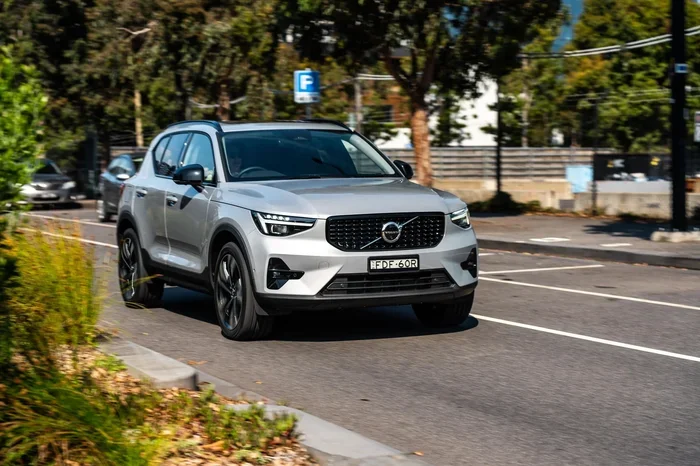
The Volvo XC40 is a compact luxury SUV. It features a turbocharged engine that delivers strong performance. Because of this turbocharged setup, the fuel requirement is a bit different from a standard non-turbo engine. Premium gas is what Volvo recommends. But does that mean it is mandatory? Not exactly. Let us break it all down so you know exactly what to put in your tank.
Many drivers assume all Volvos need premium fuel. That is not always true. Some Volvo models run fine on regular gas. The XC40 falls into a middle ground. It can run on regular gas, but the manufacturer suggests premium for the best results. This guide will help you understand why. We will look at what the owner’s manual says, how gasoline grades work, and what happens when you choose one fuel type over another.
Key Takeaways
- Volvo recommends premium gasoline for optimal engine performance in the XC40.
- Regular gas can be used without causing immediate damage to the vehicle.
- The octane rating matters because the XC40 has a turbocharged engine that benefits from higher octane fuel.
- Premium gas costs more but may improve fuel economy and throttle response.
- Check your owner’s manual for the official Volvo recommendation on fuel type.
- Using regular gas occasionally is fine, but stick with premium for heavy towing or high-speed driving.
- Engine knock is a real risk when using lower octane fuel in a turbocharged engine.
📑 Table of Contents
- What the Volvo XC40 Owner’s Manual Says About Fuel
- Understanding Gasoline Grades and Octane Ratings
- Does the Volvo XC40 Require Premium Gas?
- Premium Gas vs Regular Gas for the Volvo XC40
- How Fuel Type Affects Your Volvo XC40 Performance
- Expert Tips for Saving Money on Fuel Without Sacrificing Performance
- Common Mistakes Drivers Make About Fuel Type
- The Bottom Line: What Fuel Type Should You Choose?
- Conclusion
What the Volvo XC40 Owner’s Manual Says About Fuel
The owner’s manual is your best friend when it comes to fuel questions. Every Volvo XC40 comes with a manual that clearly states the recommended fuel type. Volvo uses the term “recommended” rather than “required” for premium gas in most cases. This wording is important. It means you have a choice, but there is a reason behind the suggestion.
Checking Your Specific Model Year
Fuel recommendations can change between model years. The 2019 XC40 might have slightly different guidance than the 2024 XC40. Always check the manual for your specific year. Look for the section on fuel type or refueling. You will usually find a statement like “premium unleaded gasoline recommended.” Some newer models may have updated guidance based on engine tuning changes. When in doubt, call your local Volvo dealer. They can confirm the exact fuel requirement for your VIN number.
Understanding Gasoline Grades and Octane Ratings
Not all gasoline is the same. At the pump, you typically see three grades. Regular, mid-grade, and premium. Each has a different octane rating. The octane rating measures how well the fuel resists engine knock. Engine knock is a bad thing. It happens when the air-fuel mixture ignites too early in the engine cylinder. This can cause damage over time, especially in a turbocharged engine like the one in the XC40.
What Is Regular Gas?
Regular gasoline usually has an octane rating of 87. It is the cheapest option at the pump. Most everyday cars run perfectly fine on regular gas. These vehicles have naturally aspirated engines that do not need high compression. The Volvo XC40, however, uses a turbocharged 2.0-liter four-cylinder engine. This engine compresses air at higher pressures. That is why the fuel type matters more here than in a standard sedan.
What Is Premium Gas?
Premium gasoline typically has an octane rating of 91 or 93. It costs more per gallon than regular gas. But it burns cleaner and more evenly in high-compression engines. For a turbocharged SUV like the XC40, premium fuel helps the engine run at its best. It reduces the chance of engine knock. It also supports the engine control unit in advancing ignition timing. This leads to better throttle response and smoother acceleration. Many drivers notice a difference in engine performance when they switch to premium.
Does the Volvo XC40 Require Premium Gas?
The short answer is no, the Volvo XC40 does not strictly require premium gas. However, Volvo strongly recommends it. The word “recommended” is key here. Volvo designs the XC40 turbocharged engine to take advantage of higher octane fuel. When you use premium gas, the engine runs exactly as the engineers intended. You get the full benefit of the turbocharger, the power delivery, and the fuel efficiency the car was designed to offer.
The Short Answer
You can put regular gas in a Volvo XC40. The engine will not explode or break down immediately. Modern cars have knock sensors. These sensors detect engine knock and adjust the timing to prevent damage. So even if you use regular gas, your car will protect itself to a degree. But here is the catch. When the knock sensor steps in, it retards the timing. This means the engine loses some power and efficiency. You are not getting the full performance out of your turbocharged engine.
What Happens If You Use Regular Gas?
Using regular gas in your Volvo XC40 is not a disaster. But it does come with trade-offs. The engine may feel slightly less responsive. You might notice a small drop in fuel economy. Over time, consistently using the wrong fuel type can lead to carbon buildup. The turbocharged engine runs hotter than a naturally aspirated one. It needs fuel that burns cleanly. Premium gasoline helps with that. Regular gas burns a bit dirtier in high-compression engines. This can affect long-term engine health if you make a habit of it.
Premium Gas vs Regular Gas for the Volvo XC40
Let us compare the two fuel types side by side. This helps you decide what makes sense for your driving habits and budget.
| Factor | Premium Gas | Regular Gas |
|---|---|---|
| Octane Rating | 91 or 93 | 87 |
| Recommended by Volvo | Yes | No |
| Engine Performance | Optimal | Slightly reduced |
| Fuel Economy | Better | Slightly lower |
| Engine Knock Risk | Very low | Higher under load |
| Cost per Gallon | Higher | Lower |
| Long-Term Engine Health | Better | Potentially more wear |
| Throttle Response | Sharp and smooth | Slightly delayed |
Looking at this comparison table, premium gas wins in almost every performance category. But the cost difference is real. Premium gas costs about 30 to 50 cents more per gallon than regular. Over a year of driving, that adds up. If you drive 12,000 miles a year and get 28 miles per gallon, you will fill up roughly 430 times. The extra cost per fill-up can be $5 to $10 each time. That is $2,150 to $4,300 more per year on fuel cost. That is a significant number to consider.
How Fuel Type Affects Your Volvo XC40 Performance
The fuel type you choose directly impacts how your car drives. The Volvo XC40 has a turbocharged engine that thrives on higher octane fuel. Understanding this connection helps you make smarter decisions at the pump.
Engine Knock and Detonation
Engine knock is the biggest concern with lower octane fuel. In a turbocharged engine, the cylinders experience higher pressure. Regular gas with an octane rating of 87 may not handle that pressure as well. The fuel can ignite prematurely. This creates a knocking or pinging sound. You might hear it under hard acceleration or when climbing a hill. Occasional light knocking is usually harmless. But persistent knock can damage pistons, valves, and spark plugs over time. Premium gasoline resists this premature ignition much better. That is why Volvo recommends it for the XC40.
Fuel Economy Considerations
Fuel economy is another important factor. The Volvo XC40 gets decent gas mileage already. But the fuel type can shift those numbers. Premium gas tends to burn more completely in high-compression engines. This means more energy from each drop of fuel. You may see a 2 to 5 percent improvement in fuel economy when using premium. On paper, that does not sound like much. But over thousands of miles, those small gains add up. They partially offset the higher price per gallon. Keep track of your fuel economy with each fill-up. You might be surprised by the difference.
Expert Tips for Saving Money on Fuel Without Sacrificing Performance
You do not have to choose between saving money and protecting your engine. There are smart ways to manage your fuel cost while keeping your Volvo XC40 happy.
- Use premium gas for hard driving. If you tow, carry heavy loads, or drive aggressively, always use premium. The engine needs the extra octane under stress.
- Use regular gas for light cruising. If you drive at steady speeds on flat roads, regular gas is generally fine for short trips.
- Check for Volvo promotions. Some Volvo dealerships offer fuel cards or rebates. These can offset the cost of premium gas.
- Compare gas station prices. Premium gas prices vary by station. Use apps to find the cheapest premium gas near you.
- Keep your tires properly inflated. Proper tire pressure improves fuel economy regardless of which fuel type you use.
- Follow the maintenance schedule. Fresh spark plugs, clean air filters, and proper engine tuning help the engine run efficiently on any fuel type.
These tips help you balance the fuel requirement with your budget. You do not have to fill up with premium every single time. But for the best long-term results, make premium your go-to fuel type. Think of it as an investment in your engine. The Volvo XC40 is a premium compact SUV. Treating it with the right fuel type keeps it running strong for years.
Common Mistakes Drivers Make About Fuel Type
Many Volvo XC40 owners make avoidable mistakes when it comes to fueling up. Awareness helps you skip these pitfalls.
Mistake 1: Assuming all Volvos need premium gas. Not every Volvo model requires premium. The XC40 recommends it, but some older Volvo models run fine on regular. Always check your specific vehicle.
Mistake 2: Never using premium gas at all. Some drivers switch to regular gas to save money and never look back. Over time, this can lead to carbon deposits and reduced engine performance. The turbocharged engine in the XC40 works harder than a standard engine. It deserves the fuel type that matches its design.
Mistake 3: Mixing fuel types randomly. Switching back and forth between regular and premium without a reason does not help. Pick a fuel type based on your driving needs and stick with it. Consistency is good for the engine.
Mistake 4: Ignoring the owner’s manual. The manual has the most accurate information for your specific car. Do not rely on forum posts or advice from friends. Check the official Volvo recommendation first.
The Bottom Line: What Fuel Type Should You Choose?
So what is the final verdict on the fuel type for your Volvo XC40? The Volvo recommendation is clear. Use premium gasoline for the best results. The turbocharged engine in the XC40 is designed to take full advantage of higher octane fuel. It delivers better performance, smoother acceleration, and improved fuel economy when you use premium.
That said, life happens. Sometimes you are low on fuel and the nearest station only has regular gas. That is okay. Your car will be fine. Just do not make it a habit. Think of premium gas as the fuel type that unlocks the full potential of your compact luxury SUV. It is a small price to pay for the engine protection, performance, and peace of mind it provides.
At the end of the day, the decision is yours. You know your driving habits, your budget, and your priorities. Use this guide to make an informed choice. Whether you choose premium or regular, the most important thing is to keep your Volvo XC40 fueled and on the road. Drive safely and enjoy every mile.
Conclusion
The question of whether the Volvo XC40 requires premium gas comes down to recommendation, not requirement. Volvo recommends premium gasoline for the turbocharged engine in the XC40. Using regular gas is possible, but it comes with trade-offs in performance and fuel economy. The owner’s manual is your best resource for the official guidance. Understanding octane ratings, engine knock, and fuel type differences empowers you to make the right choice. Premium gas costs more upfront, but it protects your engine and delivers the driving experience your XC40 was built for. Choose wisely, drive well, and enjoy your Volvo.
Frequently Asked Questions
Can I use regular gas in my Volvo XC40?
Yes, you can use regular gas in a Volvo XC40. The car will not break down from using 87 octane fuel. However, Volvo recommends premium gas for the best engine performance. Using regular gas may reduce power and fuel economy slightly.
What happens if I accidentally put regular gas in my Volvo XC40?
Accidentally using regular gas once will not harm your engine. Modern Volvos have knock sensors that adjust timing to prevent damage. Just fill up with premium gas at your next fill-up to get back to optimal performance.
Is premium gas really worth the extra cost for the XC40?
For most XC40 drivers, yes. Premium gas supports the turbocharged engine better. It improves throttle response, reduces engine knock risk, and may boost fuel economy. If you drive aggressively or tow heavy loads, premium gas is definitely worth it.
Does using regular gas void my Volvo warranty?
Using regular gas does not automatically void your warranty. But if engine damage occurs and the dealer finds that you consistently used the wrong fuel type, they may deny the claim. Always follow the manufacturer’s recommended fuel type to protect your warranty.
What is the octane rating for premium gas?
Premium gasoline typically has an octane rating of 91 or 93. Regular gas has an octane rating of 87. The higher octane rating in premium fuel helps prevent engine knock in high-compression turbocharged engines like the one in the Volvo XC40.
How can I save money on fuel for my Volvo XC40?
You can save money by using regular gas for light cruising and reserving premium gas for hard driving. Compare gas station prices, keep your tires inflated, and follow the maintenance schedule. These steps improve fuel economy regardless of which fuel type you choose.
=== KEY TAKEAWAYS ===
Key Takeaways
- Volvo recommends premium gasoline for optimal engine performance in the XC40.
- Regular gas can be used without causing immediate damage to the vehicle.
- The octane rating matters because the XC40 has a turbocharged engine that benefits from higher octane fuel.
- Premium gas costs more but may improve fuel economy and throttle response.
- Check your owner’s manual for the official Volvo recommendation on fuel type.
- Using regular gas occasionally is fine, but stick with premium for heavy towing or high-speed driving.
- Engine knock is a real risk when using lower octane fuel in a turbocharged engine.