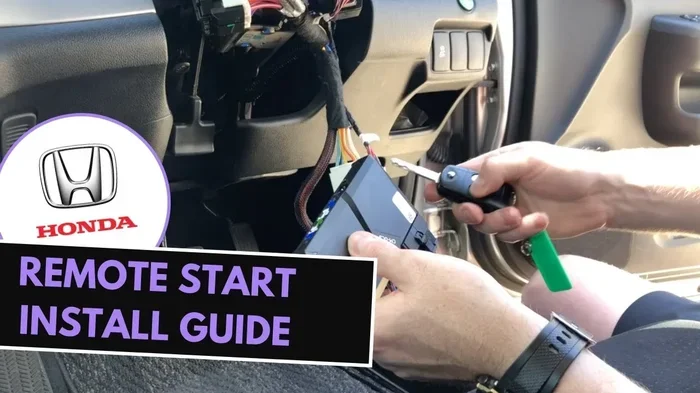
How Much Does It Cost to Install a Remote Start Today
The average remote start installation cost ranges from $150 to $500, depending on your vehicle type and the system you choose. Professional installation typically runs between $200 and $400, while DIY kits start around $50 for basic models. Premium systems with two-way remotes and smartphone integration can push the total above $600. Your vehicle’s make, model, and electrical complexity play a big role in the final price. Understanding these factors helps you budget wisely and avoid hidden costs.
This is a comprehensive guide about How Much Does It Cost to Install a Remote Start?.
Key Takeaways
- Average Cost Range: Most drivers pay between $150 and $500 for remote start installation, including parts and labor.
- System Type Matters: Basic one-way remotes cost less, while two-way and smartphone-enabled systems cost more.
- Vehicle Compatibility Is Key: Luxury and newer vehicles with complex wiring may require extra labor and higher costs.
- DIY vs. Professional: DIY kits save money but carry risks; professional installation ensures reliability and warranty protection.
- Hidden Costs Exist: Wiring harness adapters, bypass modules, and alarm integration can add $50 to $150 to your total.
- Warranty Matters: Always check if the installation shop offers a warranty on both parts and labor.
- Cold Weather Value: A remote start system pays for itself quickly if you live in cold climates and want a warm car.
[FEATURED_IMAGE_PLACEHOLDER]
There is nothing quite like stepping into a warm car on a freezing winter morning. A remote start installation makes that possible, and it is one of the most popular car accessories today. But before you rush to buy a system, the big question is: how much does it actually cost?
The remote start installation cost varies quite a bit. Several factors come into play, from the type of system you pick to the complexity of your vehicle’s wiring. This guide breaks down everything you need to know so you can make a smart decision without surprises.
Whether you drive a compact sedan or a full-size truck, understanding the pricing landscape helps you budget properly. We will walk you through every cost component, from the kit itself to labor charges and add-on features. By the end, you will know exactly what to expect and how to get the best value for your money.
What Is a Remote Start System and Why Install One?
A remote start system lets you start your car from a distance using a key fob or smartphone app. You can warm up the engine, crank the heater, or cool down the AC before you even sit behind the wheel. It is a small convenience that makes a huge difference in daily driving.
Most modern systems also include security features. Your car stays locked while the engine runs, and many units integrate with your existing alarm system. This added layer of protection is a big selling point for car owners everywhere.
Beyond comfort, a remote start can extend the life of your engine. Letting the car warm up properly before driving reduces wear on internal components. In cold climates, this is especially valuable and can save you money on repairs over time.
Average Remote Start Installation Cost Breakdown
The total remote start installation cost depends on three main parts: the kit price, the labor fee, and any extra components needed. Here is a clear look at what each part involves.
Kit Prices by System Type
The remote start kit you choose has the biggest impact on the overall price. Basic kits are affordable, but advanced systems with extra features cost more. Here is a general breakdown:
- Basic One-Way Remote Start Kits: $30 to $80. These include a simple remote and basic start function. They work well for older vehicles with straightforward wiring.
- Mid-Range One-Way Systems: $80 to $150. These offer longer range, better build quality, and sometimes basic security features like lock confirmation.
- Two-Way Remote Start Systems: $150 to $300. These send a signal back to the remote, confirming the car started. They are popular for their reliability and convenience.
- Smartphone-Enabled Systems: $200 to $400+. These let you start your car from your phone using an app. They often include GPS tracking and advanced security features.
Labor Costs for Installation
Professional installation typically costs between $100 and $400. The exact labor fee depends on your vehicle and the complexity of the job. Simple vehicles with easy access to the wiring take less time and cost less. Luxury cars or newer models with complex electrical systems require more work.
Some shops charge a flat rate, while others bill by the hour. Always ask for a detailed quote before committing. A good shop will explain every charge and give you a clear total upfront.
Additional Components and Their Costs
Sometimes your vehicle needs extra parts for a smooth installation. These add-ons can increase the total remote start installation cost by $50 to $150:
- Wiring Harness Adapter: $15 to $40. This plugs into your car’s existing wiring and makes the connection cleaner and safer.
- Bypass Module: $20 to $60. Many newer vehicles require a bypass module to work with a remote start system.
- Alarm Integration Module: $30 to $50. If you want the remote start tied into your car alarm, this module is essential.
- Extra Remote Fobs: $20 to $40 each. Having a backup remote is always a good idea.
Factors That Affect Remote Start Installation Cost
Not every installation costs the same. Several factors can push the price up or bring it down. Understanding these helps you budget accurately and avoid unexpected expenses.
Vehicle Make and Model
The type of car you drive matters a lot. A simple older vehicle with easy-to-access wiring is quick and cheap to install. Newer cars with push button start and complex computer systems take more time and expertise.
Luxury brands often have more intricate wiring setups. This means more labor hours and sometimes specialized tools. If you drive a high-end vehicle, expect to pay closer to the higher end of the price range.
System Features and Brand
Not all remote start systems are created equal. Premium brands like Compustar, DroneMobile, and Viper offer better range, reliability, and features. They also tend to cost more for both the kit and the installation.
Basic brands work fine for simple needs, but they may lack advanced features. Think about what you actually need. If you just want to warm up your car on cold mornings, a mid-range system is often enough. You do not always need the most expensive option.
Geographic Location
Where you live affects labor costs. Shops in big cities often charge more than those in smaller towns. The cost of living in your area plays a role in how much the shop charges for installation.
It is always a good idea to get quotes from at least two or three shops near you. This gives you a sense of the going rate in your area and helps you find a fair price.
Seasonal Demand
Remote start installation is very popular in fall and winter. Shops may charge slightly more during peak seasons due to high demand. If you can schedule the installation in spring or summer, you might save a bit of money.
DIY vs. Professional Installation: Which Saves More?
Some car owners consider installing a remote start system themselves. DIY kits are cheaper upfront, but there are important things to consider before you grab your tools.
The DIY Route
A DIY kit can cost as low as $30 for a basic system. If you have experience with car electronics and wiring, this can be a great money-saver. You also get the satisfaction of doing the job yourself.
However, DIY installation comes with risks. Wrong wiring can damage your vehicle’s electrical system. It can also void your car’s factory warranty. If something goes wrong, you may end up paying more in repairs than you saved on labor.
The Professional Route
Professional installation costs more upfront, but it gives you peace of mind. A trained technician knows how to wire the system correctly and safely. Most shops also offer a warranty on their work, which protects you if anything goes wrong.
For most drivers, the professional route is the smarter choice. The extra cost is worth the reliability and the protection of your vehicle’s warranty. Plus, a properly installed system lasts longer and performs better.
If you are curious about other car electrical accessories, check out how a 12V to 230V car inverter works and what it costs, since it uses similar vehicle electrical principles.
Is a Remote Start Worth the Cost?
This is a question many drivers ask, and the answer depends on your situation. Let us look at the real-world value of owning a remote start system.
Comfort and Convenience
A remote start adds real comfort to your daily routine. You never have to sit in a freezing car waiting for the windows to defrost. In summer, you can cool down the interior before you get in. These small comforts add up to a much better driving experience every single day.
Resale Value
Adding a quality remote start system can increase your car’s resale value. Many buyers look for this feature, especially in colder regions. It is one of those upgrades that pays for itself when you sell the vehicle.
Engine Health
Letting your car warm up properly before driving reduces engine wear. Cold starts are tough on an engine, and a remote start gives the oil time to circulate. Over the years, this can translate to fewer repairs and lower maintenance costs.
Safety Benefits
Remote start systems often come with security features. Your car stays locked while running, and many systems send alerts if someone tries to tamper with the vehicle. This added layer of security is especially valuable if you park on the street or in less safe areas.
If you are also interested in other car electrical upgrades, a 12V car socket to 3 pin adapter is another affordable accessory that expands your vehicle’s power options.
How to Choose the Right Remote Start System for Your Budget
Finding the right system within your budget takes a bit of research. Here are practical steps to help you make the best choice.
Step 1: Assess Your Vehicle
Start by checking your vehicle’s compatibility. Most modern cars work with standard remote start kits, but some require specific modules. Check your owner’s manual or ask a professional installer for guidance. Knowing your vehicle’s needs upfront prevents surprises later.
Step 2: Define Your Needs
Ask yourself what features matter most to you. Do you need a long-range remote? Would a smartphone app be useful? Do you want integration with your car alarm? Write down your priorities and use them to narrow your options.
Step 3: Set a Realistic Budget
Once you know what you need, set a budget that includes the kit, labor, and any add-on components. A good rule of thumb is to budget $250 to $500 for a quality system with professional installation. This gives you a reliable setup without overspending.
Step 4: Compare Quotes
Always get multiple quotes from reputable shops. Look beyond the price tag and consider the installer’s experience, warranty offerings, and customer reviews. The cheapest option is not always the best value.
Step 5: Check for Promotions
Many shops run seasonal promotions or bundle deals. You might save money by purchasing the kit and installation together. Some brands also offer rebates or discounts during certain times of the year. A little research can lead to real savings.
Common Mistakes to Avoid When Budgeting for Remote Start Installation
Avoiding common mistakes saves you money and headaches. Here are the pitfalls to watch out for:
- Choosing the Cheapest Kit: Ultra-budget kits often lack reliability and features. They may also void your vehicle warranty if they cause electrical issues.
- Ignoring Compatibility: Not every kit works with every vehicle. Buying the wrong system leads to returns and extra costs.
- Skipping the Bypass Module: Many newer vehicles need a bypass module. Skipping this can result in a system that does not work properly.
- Not Asking About Warranty: A good installation shop stands behind their work. Always ask what the warranty covers before you pay.
- Underestimating Total Cost: The kit price is only part of the equation. Labor, adapters, and modules all add up. Budget for the full package.
For those concerned about vehicle weight and specifications, understanding your car’s details is important when adding accessories. You can learn more about vehicle weight considerations at this resource on vehicle weight.
Expert Tips to Reduce Remote Start Installation Cost
Want to save money without sacrificing quality? These expert tips can help you trim the cost while still getting a great setup.
Buy the Kit and Installation as a Bundle
Many shops offer package deals when you buy the kit from them and pay for installation together. Bundling often saves you $30 to $80 compared to buying separately. It also ensures the shop stands behind both the product and the work.
Choose a Basic System If You Do Not Need Advanced Features
If you just want to start your car from 500 feet away, you do not need a smartphone-enabled system with GPS tracking. A basic one-way remote start kit handles most needs perfectly. Save the extra features for another upgrade.
Schedule Installation During Off-Peak Months
Spring and summer are slower seasons for remote start installation. Shops may offer lower labor rates to keep their schedules full. Scheduling during these months can save you $50 or more on labor alone.
Ask About Loyalty Discounts
If you already use a shop for other services, ask about loyalty discounts. Many installers offer a percentage off for returning customers. It never hurts to ask, and you might be surprised at the savings.
Keep Your Vehicle’s Manual Handy
Having your vehicle’s manual ready saves time during the installation process. The installer can quickly find wiring diagrams and compatibility information. Less time in the bay means lower labor charges for you.
What to Expect During the Installation Process
Knowing what happens during installation helps you feel prepared and confident. Here is a quick overview of the typical process.
- Vehicle Assessment: The technician checks your car’s wiring and compatibility. They identify any special modules or adapters needed.
- Kit Preparation: The remote start kit is tested and prepared for your specific vehicle. This includes programming the remote and checking all connections.
- Wiring: The technician connects the kit to your vehicle’s electrical system. This is the most time-consuming part and requires careful attention to detail.
- Testing: Once the wiring is complete, the system is tested thoroughly. The technician verifies the remote start, lock/unlock features, and any security integrations.
- Final Review: You get a walkthrough of how the system works. The technician shows you how to use all features and answers any questions.
The entire process typically takes two to four hours. Simple installations may take less time, while complex vehicles with advanced electrical systems can take longer. A good shop keeps you informed throughout the process and never rushes through the job.
How Long Does a Remote Start System Last?
A quality remote start system lasts between five and ten years with proper care. The remote fob batteries need replacement every one to two years, which costs just a few dollars. The main unit is built to last and should function reliably for many years.
Regular maintenance keeps the system running smoothly. If you notice any issues, have them checked promptly. Small problems left unaddressed can lead to bigger repairs down the road.
Final Thoughts on Remote Start Installation Cost
The remote start installation cost is a worthwhile investment for most car owners. For a few hundred dollars, you gain comfort, convenience, and added security every single day. Whether you choose a basic kit or a premium smartphone-enabled system, the benefits far outweigh the upfront cost.
Take the time to research your options, compare quotes, and choose a reputable installer. A quality installation done right will serve you well for years to come. The cold morning comfort of a warm car waiting for you is worth every penny.
Start by assessing your vehicle, defining your needs, and setting a realistic budget. With the right approach, you can enjoy all the benefits of a remote start system without breaking the bank.
Frequently Asked Questions
Can I install a remote start system myself to save money?
Yes, you can install a DIY kit to save on labor costs, but it requires solid knowledge of car wiring. Mistakes can damage your vehicle’s electrical system or void the factory warranty. For most drivers, professional installation is the safer and smarter choice.
Does a remote start system void my car’s warranty?
Not necessarily. Many modern remote start systems are designed to be non-invasive and do not interfere with factory electronics. However, improper installation can cause issues. Always have the system installed by a certified professional to protect your warranty.
How far can I start my car with a remote start system?
Basic one-way remotes typically work from 500 to 1,500 feet away. Two-way systems and smartphone-enabled units can work from even farther distances, sometimes up to a mile or more. The range depends on the specific system and any obstructions between you and the vehicle.
Is a remote start system safe to use?
Yes, remote start systems are safe when properly installed. Your car stays locked while running, and most systems shut off automatically if the car is moved without the key in the ignition. Modern systems include multiple safety features to protect your vehicle.
What is the best brand for a remote start system?
Popular and reliable brands include Compustar, DroneMobile, Viper, and Avital. Each offers different features and price points. The best brand for you depends on your budget, vehicle type, and the features you need most.
Can a remote start system work with a push-button start vehicle?
Yes, but it usually requires a bypass module. Push-button start vehicles have additional security measures that need to be addressed during installation. A professional installer will know exactly what your vehicle needs for a seamless setup.
=== CONCLUSION ===
The remote start installation cost is a small price to pay for the comfort, convenience, and security it brings to your daily driving. Whether you live in a freezing cold climate or simply want to step into a cool car on a hot day, this upgrade delivers real value. By understanding the factors that affect pricing and following the tips in this guide, you can make a confident decision that fits your budget and your needs.