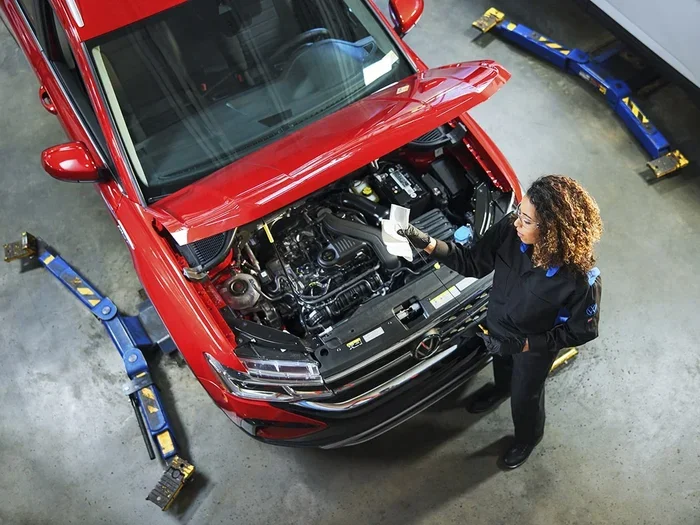
How Much Is an Oil Change at Volkswagen Dealership
An oil change at a Volkswagen dealership typically costs between $99 and $159, depending on your model and the type of oil used. This price usually includes a multi-point inspection, OEM-grade parts, and service by certified Volkswagen technicians. Knowing what to expect helps you budget wisely and keep your car running smoothly.
Keeping your Volkswagen in top shape starts with simple routine maintenance. One of the most important tasks is getting your oil changed on time. But many VW owners wonder about the Volkswagen dealership oil change cost and what they actually get for their money. The answer isn’t always straightforward. Pricing varies by model, oil type, and location. In this guide, we break down everything you need to know.
Whether you drive a Jetta, Tiguan, Passat, or Taos, understanding oil change pricing helps you plan your budget. It also keeps your engine healthy for the long haul. We will walk you through average costs, what’s included, and how to save money. By the end, you will feel confident about your next service visit.
Key Takeaways
- Average Cost: Expect to pay $99 to $159 for a standard oil change at a Volkswagen dealership.
- What’s Included: Most dealership oil changes cover oil, filter replacement, fluid top-offs, and a multi-point inspection.
- Oil Type Matters: Synthetic oil costs more but offers better engine protection for modern VW models.
- Dealership vs. Independent: Dealerships charge more but use OEM parts and maintain your warranty.
- Save Money: Look for service coupons, loyalty programs, and bundled maintenance deals.
- Interval Matters: Most Volkswagen models need an oil change every 10,000 miles or once a year.
- Avoid Common Mistakes: Skipping inspections or using non-recommended oil can lead to costly repairs.
📑 Table of Contents
- Understanding Oil Change Costs at Volkswagen Dealerships
- What’s Included in a Volkswagen Dealership Oil Change
- Volkswagen Oil Change Interval and Maintenance Schedule
- Volkswagen Dealership vs. Independent Mechanic: Which Saves More?
- Tips to Reduce Your Volkswagen Oil Change Cost
- Common Mistakes to Avoid When Getting a Volkswagen Oil Change
- Frequently Asked Questions
- Conclusion
Understanding Oil Change Costs at Volkswagen Dealerships
The Volkswagen dealership oil change cost depends on several factors. Most owners pay between $99 and $159 for a standard service. But the price can go higher for certain models or when using premium synthetic oil. Let us look at the details.
Average Cost Breakdown
Here is a general idea of what you might pay:
- Conventional Oil Change: $79 to $119
- Synthetic Oil Change: $99 to $159
- High-Performance Models (e.g., Golf GTI): $129 to $189
- Diesel Models (e.g., Jetta TDI): $119 to $169
These prices reflect typical dealership rates across the United States. They include the oil, a new oil filter, and basic labor charges. Some dealerships also bundle in a multi-point inspection at no extra charge. This inspection checks your brakes, tires, fluids, and other key components.
Factors That Affect Pricing
Several things influence how much you will pay. Understanding these helps you make informed decisions.
- Model and Engine Type: Larger engines or turbocharged motors may need more oil. This raises the overall cost.
- Oil Type: Full synthetic oil costs more than conventional blends. However, it offers superior protection for modern VW engines.
- Location: Dealerships in major cities often charge more than those in suburban or rural areas.
- Current Promotions: Many dealerships run seasonal service specials. These can lower your bill significantly.
- Additional Services: If your car needs extra work, like a transmission fluid flush, the total goes up.
Expert Insight
Volkswagen recommends using VW-approved synthetic oil for most newer models. Using the right oil type protects your engine and keeps your warranty intact. Always check your owner’s manual or ask the service advisor for guidance.
What’s Included in a Volkswagen Dealership Oil Change
When you visit a VW dealership for an oil change, you get more than just fresh oil. Dealerships follow a detailed service checklist. This ensures every aspect of your vehicle gets attention.
Standard Services Performed
A typical dealership oil change includes these steps:
- Draining the old engine oil completely
- Replacing the oil filter with an OEM part
- Filling with the correct type and amount of new oil
- Checking and topping off other fluids (coolant, brake fluid, windshield washer)
- Inspecting tire pressure and tread depth
- Checking brake pads and rotors for wear
- Reviewing lights, wipers, and belts
- Resetting the maintenance reminder system
This thorough process is one reason dealership service costs more than a quick lube shop. But the attention to detail is worth it. Every check helps catch small problems before they become big expenses.
OEM Parts and Genuine Volkswagen Fluids
Dealerships use OEM (Original Equipment Manufacturer) parts. This means the oil filter, gaskets, and seals match your vehicle’s exact specifications. The oil itself is usually VW-approved synthetic or synthetic blend. These fluids are engineered specifically for Volkswagen engines.
Using genuine parts matters. Aftermarket filters or generic oils may not meet the same quality standards. Over time, this can affect engine performance and longevity. Sticking with OEM parts also helps protect your Volkswagen warranty coverage.
Quick Tips
- Always ask if the dealership uses VW-approved oil and filters.
- Keep your service records. They prove proper maintenance if you ever file a warranty claim.
- Request a printed invoice that lists every part and fluid used.
Volkswagen Oil Change Interval and Maintenance Schedule
Knowing when to change your oil is just as important as knowing the cost. Volkswagen has specific guidelines for every model. Following them keeps your engine running strong.
When to Change Your Oil
Most modern Volkswagen models use an oil change interval of 10,000 miles or once a year, whichever comes first. This is longer than the old standard of 3,000 miles. The switch to synthetic oil allows for extended intervals.
However, some driving conditions are considered “severe.” If you frequently do any of the following, you may need more frequent changes:
- Drive in heavy stop-and-go traffic
- Tow a trailer or carry heavy loads
- Drive in extreme heat or cold
- Take short trips under five miles
- Drive on dusty or gravel roads
In these cases, consider shortening your interval to 7,500 miles or six months. Your VW service advisor can give personalized recommendations based on your driving habits.
Maintenance Reminder Systems
Volkswagen vehicles come equipped with smart maintenance reminder systems. These systems track your driving patterns and alert you when service is due. The dashboard display shows a wrench icon or a service message.
Do not ignore these warnings. The system uses algorithms based on engine temperature, driving style, and mileage. It gives you a personalized service schedule. However, it is still a good idea to stick to a regular calendar-based schedule as a backup.
Volkswagen Dealership vs. Independent Mechanic: Which Saves More?
This is one of the most common questions VW owners ask. The answer depends on your priorities. Let us compare both options.
Pros and Cons Compared
Volkswagen Dealership
- Uses OEM parts and manufacturer-approved fluids
- Technicians are Volkswagen certified and trained
- Service is recorded in your official VW maintenance history
- Warranty coverage stays intact
- Access to the latest technical updates and recall information
- Higher cost compared to independent shops
- Possible wait times for appointments
Independent Mechanic
- Usually lower labor rates
- More flexible scheduling
- May offer faster service
- Can use aftermarket parts, which are cheaper
- May not have VW-specific diagnostic tools
- Service records may not be tracked by VW
- Using non-OEM parts could void certain warranty claims
Cost Comparison Table
| Service | Volkswagen Dealership | Independent Mechanic |
|---|---|---|
| Standard Synthetic Oil Change | $99 – $159 | $59 – $99 |
| Conventional Oil Change | $79 – $119 | $39 – $79 |
| Oil Change + Multi-Point Inspection | Usually included | May charge extra |
| OEM Parts Used | Yes | Not always |
| Warranty Impact | No effect | Potential risk |
As you can see, independent shops often cost 30 to 50 percent less. But the savings come with trade-offs. If your car is still under warranty, the dealership is the safer choice. For older models outside the warranty period, an independent mechanic can be a great budget-friendly option.
Key Takeaways
- Under Warranty: Always go to the dealership to protect your coverage.
- Out of Warranty: An independent mechanic can save you real money.
- Hybrid Approach: Some owners do basic oil changes at an independent shop and leave complex work to the dealership.
Tips to Reduce Your Volkswagen Oil Change Cost
Nobody wants to overspend on car maintenance. The good news is there are several ways to lower your Volkswagen oil change price without sacrificing quality.
Money-Saving Strategies
- Look for Service Coupons: Most dealerships post monthly coupons on their website. Check for oil change specials before booking.
- Join the Loyalty Program: Many VW dealerships offer loyalty rewards for repeat customers. These can include discounted service rates.
- Bundle Services: If your car needs multiple services, schedule them together. Bundling often unlocks package discounts.
- Ask About Certified Pre-Owned Perks: If you bought a certified pre-owned VW, you may get complimentary or discounted maintenance.
- Check for Manufacturer Rebates: Volkswagen occasionally runs national service rebates. These are especially common during holiday weekends.
Loyalty Programs and Coupons
Volkswagen dealerships value repeat customers. They often reward loyalty with exclusive perks. These can include:
- 10 to 20 percent off oil changes
- Free multi-point inspections
- Complimentary tire rotations
- Priority scheduling for service appointments
- Discounts on parts and accessories
Ask your service advisor about the current loyalty program at your local dealership. Signing up is usually free and takes just a few minutes. Over time, these savings add up significantly.
Expert Insight
One of the best ways to save is to stay on top of your maintenance schedule. Catching oil changes early prevents buildup and reduces the risk of engine damage. A small investment now can prevent a massive repair bill later.
Common Mistakes to Avoid When Getting a Volkswagen Oil Change
Even with the best intentions, car owners sometimes make mistakes. Avoiding these common errors keeps your VW running well and your wallet happy.
Skipping the Multi-Point Inspection
Some owners ask the technician to just change the oil and nothing else. While this saves a few minutes, it skips important checks. A multi-point inspection catches low fluid levels, worn brake pads, and tire issues early. These small findings can prevent breakdowns on the road.
Using the Wrong Oil
Not all oil is the same. Volkswagen engines are designed for specific oil viscosities and formulations. Using the wrong grade can reduce engine efficiency. It may even void your warranty. Always confirm the correct oil specification with your service advisor.
Ignoring the Oil Filter
A cheap or low-quality oil filter fails to trap contaminants properly. Dirty oil circulates through the engine and causes wear over time. Always insist on an OEM oil filter when getting your VW oil change. It is a small part with a big impact.
Forgetting to Reset the Maintenance Timer
After an oil change, the service reminder system needs to be reset. If this is not done, you may get unnecessary alerts or miss your next service window. Most dealerships handle this automatically. But it never hurts to double-check before you leave.
Not Keeping Records
Paperwork might seem tedious, but service records are valuable. They prove you followed the recommended maintenance schedule. This is essential if you ever need to make a warranty claim or sell your car later. Keep digital copies of every service invoice.
Frequently Asked Questions
Here are answers to the most common questions Volkswagen owners ask about oil changes.
How often should I get an oil change at a Volkswagen dealership?
Most Volkswagen models need an oil change every 10,000 miles or once a year. However, if you drive in severe conditions, you may need it more often. Check your owner’s manual for the exact recommendation for your specific model. When in doubt, ask your VW service advisor for a personalized schedule.
Can I use aftermarket oil instead of Volkswagen-approved oil?
You can use aftermarket oil, but it must meet VW specifications. Look for oils that carry the VW 502.00 or 504.00 certification. Using non-approved oil may not protect your engine as well. It could also affect your warranty coverage. Always check with your dealership if you are unsure.
Does the Volkswagen dealership oil change cost include the oil filter?
Yes, almost all Volkswagen dealerships include a new OEM oil filter in the oil change price. This is standard practice. The filter is replaced every time to ensure clean oil circulates through your engine. If you are ever uncertain, confirm this with the service advisor before the work begins.
Is it cheaper to get an oil change at a Volkswagen dealership or an independent shop?
Independent shops usually charge 30 to 50 percent less than dealerships. However, dealerships use genuine Volkswagen parts and employ certified technicians. If your car is under warranty, the dealership is the better choice. For older vehicles, an independent mechanic can be a cost-effective alternative.
What happens if I skip or delay my Volkswagen oil change?
Skipping oil changes allows old oil to break down. This reduces lubrication and causes increased engine wear. Over time, sludge can build up and clog oil passages. In severe cases, this leads to expensive engine repairs. Staying on schedule is one of the easiest ways to protect your investment.
Do Volkswagen dealerships offer any free oil change promotions?
Some dealerships offer complimentary oil changes as part of a welcome package for new car buyers. Certified pre-owned programs may also include free or discounted maintenance. Additionally, many dealerships run seasonal promotions and coupon events. Check your local dealership website or ask the service department about current offers.
Conclusion
The Volkswagen dealership oil change cost typically ranges from $99 to $159 for most models. This price covers professional service, OEM parts, and a thorough inspection. While it may cost more than a quick lube shop, the quality and peace of mind are well worth it.
Regular oil changes are the foundation of Volkswagen routine maintenance. They keep your engine clean, efficient, and protected for years to come. Whether you choose the dealership or an independent shop, the most important thing is to stay consistent with your service schedule.
Use the tips in this article to save money and make informed decisions. Check for coupons, ask questions, and never skip your inspections. Your Volkswagen is a precision-engineered machine. Give it the care it deserves, and it will reward you with reliable performance mile after mile.
Now that you know what to expect, schedule your next VW oil change with confidence. Your car and your wallet will thank you.