How Do You Clear a Car Dashboard and Warning Lights
Clearing your car dashboard and understanding warning lights is easier than you think. This guide covers everything from basic dashboard cleaning to resetting warning lights safely. You will learn practical methods, common mistakes to avoid, and expert tips that keep your car dashboard looking and working great.
Your car dashboard is the control center of your vehicle. It tells you everything from fuel levels to engine health. But when lights start flashing and symbols appear out of nowhere, it can feel overwhelming. Many car owners search for simple ways to clear a car dashboard and understand what all those blinking lights mean.
Whether you are dealing with a stubborn warning light or just want to clean up the display, this guide has you covered. We will walk you through every step in plain language. No confusing jargon. No expensive mechanic visits unless you really need one. By the end, you will know exactly how to handle your dashboard warning lights and keep your car dashboard looking clean and working properly.
The good news? Most dashboard issues are fixable at home. You do not need to be a car expert. A few basic tools and some simple know-how go a long way. Let us dive in and take the mystery out of your vehicle dashboard.
Key Takeaways
- Dashboard Cleaning: Regular cleaning prevents dust buildup and keeps warning lights visible.
- Warning Light Types: Knowing the difference between red, yellow, and green lights helps you respond correctly.
- Reset Methods: You can reset most dashboard lights using simple steps like disconnecting the battery or using the OBD2 scanner.
- Safety First: Always address red warning lights immediately and never ignore them.
- Prevention: Routine car maintenance and using quality products like 3M Car Glass Cleaner and 3M Cloth For Car keeps your dashboard in top shape.
📑 Table of Contents
- Understanding Your Car Dashboard
- Why Dashboard Lights Stay On After Fixing the Problem
- How to Clear a Car Dashboard Step by Step
- Cleaning Your Car Dashboard Properly
- When to See a Professional Mechanic
- Preventing Dashboard Problems in the Future
- Quick Tips for Everyday Dashboard Care
- Expert Insights on Dashboard Maintenance
- Common Mistakes People Make with Dashboard Lights
- Conclusion
Understanding Your Car Dashboard
Before you learn how to clear anything, you need to understand what your dashboard is actually telling you. The dashboard is a mix of gauges, lights, and symbols. Each one serves a specific purpose. Some give you routine info like speed and fuel. Others warn you about serious problems.
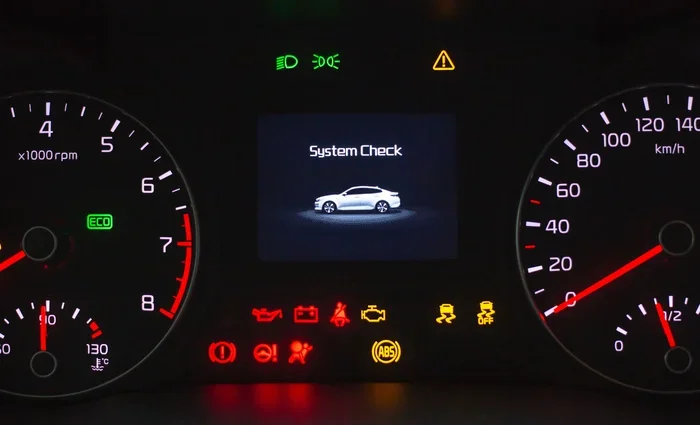
Most cars have three types of dashboard lights. Red lights mean stop and check immediately. Yellow or amber lights mean something needs attention soon. Green or blue lights just tell you a system is active, like your headlights or cruise control.
Common Dashboard Warning Lights
Here are the most common dashboard warning lights you will see:
- Check Engine Light: This is the most famous one. It can mean anything from a loose gas cap to engine trouble.
- Battery Light: This means your charging system has a problem.
- Oil Pressure Light: This is a red flag. Stop safely and check your oil level.
- Brake System Light: This could mean your parking brake is on or your brake fluid is low.
- ABS Light: This means your anti-lock braking system has an issue.
- Temperature Warning: This tells you your engine is overheating.
Understanding these lights helps you know when to act fast and when you can wait. Ignoring red lights can lead to serious car dashboard damage or even unsafe driving conditions.
Why Dashboard Lights Stay On After Fixing the Problem
Here is a frustrating situation. You fix the problem, but the light stays on. This happens more often than you might think. The dashboard indicator lights are designed to stay on until the issue is fully resolved and the system resets itself.
Sometimes the problem fixes itself but the computer does not know it yet. Other times, a loose wire or a glitch keeps the light active. Either way, you need to reset the system. This is the first step in learning how to clear a car dashboard properly.
Common Reasons Lights Stay On
- Pending Codes: The car computer stores error codes even after the problem is fixed.
- Loose Connections: A loose battery terminal can keep lights active.
- Sensor Issues: A faulty sensor may keep sending wrong signals.
- Incomplete Repair: The fix may not be complete, or a related part still needs attention.
- Software Glitch: Sometimes the car computer just needs a reboot.
Knowing these reasons helps you troubleshoot smarter. Instead of panicking, you can take the right steps to reset your dashboard warning lights and get back on the road with confidence.
How to Clear a Car Dashboard Step by Step
Now let us get to the main part. How do you actually clear your car dashboard? There are several methods you can try. Some are super simple. Others need a bit more effort. Let us go through them one by one.
Method 1: Disconnect the Battery
This is the most popular method and it works for most cars. When you disconnect the battery, you reset the car computer. This clears stored error codes and turns off stubborn warning lights.
- Turn off your engine and remove the keys.
- Open the hood and locate the battery.
- Use a wrench to loosen the negative terminal first.
- Disconnect the cable and wait for 15 to 30 minutes.
- Reconnect the negative terminal and tighten it.
- Start your car and check if the lights are gone.
Important safety tip: Always disconnect the negative terminal first. This prevents short circuits. If you are unsure, ask someone who knows cars for help. Also, know that disconnecting the battery may reset your radio presets and clock.
Method 2: Use an OBD2 Scanner
An OBD2 scanner is a small device that plugs into your car diagnostic port. This port is usually under the steering wheel. The scanner reads error codes and lets you clear them directly.
Here is how it works:
- Plug the scanner into the diagnostic port.
- Turn the ignition to the “on” position (do not start the engine).
- Follow the scanner menu to read stored codes.
- Note down the codes so you can look them up later.
- Use the scanner to clear the codes.
- Start the engine and check if the light is gone.
OBD2 scanners are affordable and very useful. They give you real-time dashboard troubleshooting data. You can buy one at any auto parts store or online. This tool is a must-have if you want to take charge of your car dashboard health.
Method 3: Turn the Ignition On and Off Three Times
This is a simple trick that works on many car models. It forces the car computer to reset without any tools.
- Turn the ignition key to the “on” position.
- Wait for 5 seconds.
- Turn it back to “off”.
- Repeat this cycle three times.
- On the third cycle, leave it in the “on” position for 10 seconds.
- Turn the key off and start the engine normally.
This method clears minor glitches and resets some dashboard indicator lights. It is not as powerful as a battery disconnect or scanner, but it works for simple issues.
Method 4: Press and Hold the Trip Button
Many cars let you reset warning lights using the trip odometer button. This method varies by car model, but here is the general idea:
- Turn the ignition to the “on” position.
- Press and hold the trip reset button.
- Keep holding it for about 10 seconds.
- The dashboard lights should flicker and reset.
- Release the button and start the engine.
Check your car manual for the exact steps. This method is especially useful for resetting maintenance reminder lights like oil change alerts.
Cleaning Your Car Dashboard Properly
Clearing warning lights is one part of the equation. Keeping your dashboard physically clean is another. A dirty dashboard looks bad and can even interfere with sensors and displays. Regular cleaning is one of the best things you can do for car dashboard care.
You do not need expensive products to clean your dashboard. A few basic supplies do the job. Start with a soft microfiber cloth. Avoid rough towels or paper towels. They can scratch the surface.
Step-by-Step Dashboard Cleaning
- Dust First: Use a dry microfiber cloth to wipe away loose dust. Pay attention to vents and buttons.
- Use a Cleaner: Spray a small amount of 3M Car Glass Cleaner onto the cloth, not directly on the dashboard. This prevents liquid from dripping into cracks.
- Wipe Gently: Clean in circular motions. Be gentle around screens and displays.
- Dry It Off: Use a second clean cloth to dry any remaining moisture.
- Protect the Surface: Apply a dashboard protectant to prevent fading and cracking.
Using quality products like 3M Cloth For Car makes a big difference. These cloths are designed to be gentle on surfaces while removing stubborn grime. They are soft, lint-free, and perfect for cleaning your car dashboard without scratching it.
What to Avoid When Cleaning
- Harsh Chemicals: Avoid household cleaners. They can damage the dashboard finish.
- Excess Liquid: Too much liquid can seep into electronics and cause damage.
- Abrasive Cloths: Rough materials scratch and dull the surface.
- Direct Spraying: Never spray cleaner directly onto the dashboard.
Clean your dashboard once a week for best results. This simple habit keeps your car dashboard looking new and helps all the displays and lights work properly.
When to See a Professional Mechanic
Not every dashboard issue can be fixed at home. Some problems need expert attention. Knowing when to call a mechanic saves you time and money. It also keeps you safe on the road.
Here are clear signs that you need professional help:
- Red Warning Lights Stay On: If a red light stays on after you try to reset it, get your car checked immediately.
- Multiple Lights Flash at Once: This could indicate a serious electrical or engine problem.
- Unusual Noises with Warning Lights: Grinding, clicking, or humming sounds paired with dashboard warnings need urgent attention.
- Car Stalls or Refuses to Start: Dashboard lights combined with starting problems point to deeper issues.
- Burning Smell: This is an emergency. Pull over safely and call for help.
Sometimes the problem is deeper than a simple reset. Your car computer may need a software update or a sensor may need replacement. A trusted mechanic at a place like 3M Car Care Delhi or any certified service center can diagnose these issues properly. They have the right tools and the expertise to fix what you cannot fix alone.
Do not let fear of cost stop you from visiting a mechanic. Many shops offer affordable diagnostics. And fixing a small problem early always costs less than ignoring it and dealing with a bigger repair later.
Preventing Dashboard Problems in the Future
The best way to deal with dashboard issues is to prevent them in the first place. A little regular care goes a long way toward keeping your car dashboard in great shape. Here are some simple habits that make a big difference.
Routine Maintenance Tips
- Check Your Oil Regularly: Low oil triggers the oil pressure light. Check it every month.
- Keep an Eye on Fluid Levels: Coolant, brake fluid, and transmission fluid all affect dashboard warnings.
- Tighten Your Gas Cap: A loose gas cap triggers the check engine light more often than you think.
- Replace Filters on Schedule: Dirty air and oil filters can cause engine problems that show up on your dashboard.
- Keep the Battery Clean: Corroded battery terminals cause electrical issues and dashboard lights.
Best Products for Dashboard Care
Having the right products on hand makes dashboard maintenance easy. Here are a few essentials every car owner should have:
- Microfiber Cloths: For gentle, scratch-free cleaning.
- 3M Car Glass Cleaner: Safe for all dashboard surfaces and displays.
- Dashboard Protectant: Prevents UV damage and keeps the surface from cracking.
- OBD2 Scanner: For reading and clearing codes at home.
- 1 Kg Car Fire Extinguisher: Always keep one in your car for emergencies that could affect your electrical system.
These simple products and habits keep your dashboard clean, your lights accurate, and your car running smoothly. Prevention is always better than cure, especially when it comes to your car dashboard and dashboard warning lights.
Quick Tips for Everyday Dashboard Care
Here are some quick, easy tips you can follow every day to keep your dashboard in top shape:
- Wipe down your dashboard every time you fill up gas.
- Do not place phones or heavy objects on the dashboard. They can scratch or damage it.
- Use sun shades when parked in direct sunlight to prevent fading.
- Keep a small cleaning kit in your trunk for quick touch-ups.
- Address warning lights the moment they appear. Do not wait.
- Update your car software if your dealer offers free updates.
- Keep your owner manual handy for model-specific dashboard information.
These small actions add up over time. They keep your car dashboard clean, your dashboard lights accurate, and your car safer to drive.
Expert Insights on Dashboard Maintenance
We spoke with experienced auto technicians to get their top tips for dashboard care. Here is what the experts had to say:
“Most dashboard lights are not something to panic about,” says one senior mechanic. “But they are not something to ignore either. The key is to understand what each light means and act accordingly.”
“Regular cleaning makes a huge difference,” adds another expert. “Dust and grime build up over time and can interfere with sensors and display screens. A simple weekly wipe-down keeps everything working properly.”
These insights reinforce what we have covered in this guide. Dashboard care is simple, affordable, and essential for every car owner. Whether you are cleaning the surface or resetting a warning light, staying proactive keeps your vehicle running at its best.
Common Mistakes People Make with Dashboard Lights
Learning what not to do is just as important as learning what to do. Here are common mistakes car owners make with their car dashboard:
- Ignoring Red Lights: Red lights mean stop and check. Ignoring them can lead to serious damage.
- Using Harsh Cleaners: Household cleaners strip the dashboard finish and cause cracks.
- Spraying Liquid Directly: Liquid can seep into electronics and cause short circuits.
- Resetting Without Diagnosing: Clearing a light without fixing the underlying problem is pointless. The light will come back.
- Delaying Repairs: Small problems become big expensive ones when you wait too long.
Avoid these mistakes and your dashboard will serve you well for years to come.
Conclusion
Knowing how to clear a car dashboard and understand warning lights gives you confidence as a car owner. You do not need to be a mechanic to handle most dashboard issues. With the right knowledge and a few basic tools, you can reset lights, clean your display, and keep your car running smoothly.
Remember the key steps: identify the light color, try simple resets first, use quality cleaning products, and know when to call a professional. Regular maintenance and cleaning prevent most problems before they start. Your car dashboard works hard for you every day. A little care and attention goes a long way in keeping it in great shape.
Start today. Clean your dashboard, check your lights, and keep your car in top condition. Your future self will thank you every time you get behind the wheel.
Frequently Asked Questions
How do I reset my car dashboard lights?
You can reset dashboard lights by disconnecting the battery for 15 to 30 minutes, using an OBD2 scanner, or by turning the ignition on and off three times. The method you choose depends on your car model and the type of light you are trying to clear.
Why is my dashboard light staying on even after I fixed the problem?
Dashboard lights often stay on because the car computer has stored error codes. You need to clear these codes using a scanner or by resetting the system. Sometimes the fix is complete but the computer needs a manual reset to recognize it.
What does a red dashboard warning light mean?
A red dashboard warning light means you need to stop and check your car immediately. Red lights indicate serious issues like low oil pressure, overheating, or brake system problems. Do not keep driving if a red light is on.
Can I clean my dashboard with household cleaners?
No, household cleaners can damage your dashboard surface and cause cracking or fading. Use products specifically designed for car interiors like 3M Car Glass Cleaner and a soft microfiber cloth for safe, effective cleaning.
How often should I clean my car dashboard?
You should clean your dashboard at least once a week. Regular dusting and wiping prevent buildup that can interfere with sensors and displays. If you park outside, clean it more often to protect against sun damage and dust.
Is it safe to drive with a dashboard warning light on?
It depends on the light color. Green and blue lights are usually informational and safe to drive with. Yellow lights mean get your car checked soon. Red lights mean stop driving and get help immediately. Always check your owner manual for specific guidance.
=== META TITLE ===
Clear Car Dashboard & Warning Lights Fast and Easy
=== URL SLUG ===
clear-car-dashboard-warning-lights
=== SEO TITLE ===
How Do You Clear a Car Dashboard and Warning Lights