How Do I Open My Key Fob The Complete Guide for Beginners
Opening your key fob doesn’t have to be confusing or stressful. This complete guide walks you through every method, from basic button covers to hidden screw compartments. You will learn how to safely pry open your key fob, replace the battery, and avoid common mistakes that damage the casing.
Have you ever stood in your driveway, fumbling with your key fob, trying to figure out how to open it? You are not alone. Thousands of car owners face the same confusion every time they need to swap a battery or access the internal components of their remote.
The good news is that opening a key fob is much simpler than most people think. Once you know the method for your specific model, it takes just seconds. This guide covers every common type of key fob, the tools you need, and the exact steps to open yours without causing any damage.
Whether your key fob has a dead battery, a stuck button, or you just want to peek inside, you are in the right place. We will walk you through each method with clear instructions and helpful tips. By the end, you will feel confident opening and working on your key fob like a pro.
Some people collect small car-related items, like miniature models or custom keychains. If you enjoy things like 10 Lines On My Favourite Toy Car, you probably appreciate the little details that make car accessories fun and personal. Your key fob is no different, it is a small but essential part of your daily driving life.
Key Takeaways
- Know Your Fob Type: Different key fobs open in different ways, so identifying your model is the first step.
- Use the Right Tools: A small flathead screwdriver or plastic pry tool prevents scratches and damage.
- Check the Battery First: A dead battery is the most common reason a key fob stops working.
- Avoid Force: Never use excessive pressure, as it can crack the casing or damage internal springs.
- Reset After Battery Replacement: Some fobs need a reset after you swap the battery.
- Seek Help When Needed: If the fob remains stuck or broken, a locksmith or dealer can help safely.
📑 Table of Contents
- What Is a Key Fob and Why Does It Matter?
- Common Types of Key Fobs and How They Open
- Step-by-Step Guide to Opening Your Key Fob
- Troubleshooting Common Key Fob Problems
- How to Replace Your Key Fob Battery
- When to Seek Professional Help
- Prevention Tips to Keep Your Key Fob in Great Shape
- Common Mistakes to Avoid When Opening Your Key Fob
- Expert Insights on Key Fob Maintenance
- Key Takeaways
What Is a Key Fob and Why Does It Matter?
A key fob is a small remote device that lets you lock, unlock, and sometimes start your car without using a traditional metal key. Most modern vehicles come with one, and it is one of the most used accessories in your daily routine.
Inside every key fob, you will find a circuit board, a battery, buttons, and sometimes a mechanical key blade. Understanding these basic parts helps you handle the fob more carefully when you need to open it.
Why People Need to Open Their Key Fob
There are several reasons you might need to open your key fob:
- Battery Replacement: The most common reason. A weak battery causes the remote to work intermittently or stop working altogether.
- Button Repair: Sticky or unresponsive buttons may need cleaning or replacement.
- Spring or Mechanism Fix: Internal springs can pop out or weaken over time.
- Customization: Some owners want to add a personal touch or replace the cover.
- Water Damage: If the fob falls in water, opening it quickly helps dry the internal components.
No matter the reason, knowing how to open your key fob safely is the first step toward fixing any issue. It saves time, money, and the frustration of visiting a dealer for something you can handle yourself.
Common Types of Key Fobs and How They Open
Not all key fobs are built the same way. Different car brands use different designs, and each type has its own opening method. Let us look at the most common types you will encounter.
Standard Sliding Key Fob
This is the most common type. It has a smooth metal or plastic shell that slides apart along a seam. You will usually find a small gap near the top or bottom where you can insert a prying tool.
Screw-Hold Key Fob
Some key fobs use tiny screws to hold the two halves together. These are common in older models or certain luxury brands. You will need a small Phillips or flathead screwdriver to remove the screws before the case opens.
Push-Button Release Key Fob
Many newer vehicles feature a key fob with a small release button or slider on the back. Pressing or sliding this mechanism pops the back cover off, giving you access to the battery compartment.
Flip-Out Key Fob
These fobs have a retractable metal key blade that flips out when you press a button. Opening them usually involves pressing a release latch on the side while sliding the casing apart.
Rounded Compact Key Fob
Sleek and compact, these fobs are common in luxury vehicles. They often have no visible seams, which makes opening them a bit trickier. A thin plastic pry tool works best for these models.
Step-by-Step Guide to Opening Your Key Fob
Now that you know the type of key fob you have, let us walk through the actual opening process. Follow these steps carefully for the best results.
Step 1: Gather Your Tools
Before you start, make sure you have the right tools on hand. You do not need anything fancy, but having the correct items makes the process smooth and safe.
- A small flathead screwdriver or plastic pry tool
- A soft cloth or microfiber towel
- A replacement battery (if needed)
- A well-lit workspace
- A small tray or container to hold tiny screws
Avoid using metal knives or sharp objects. They can scratch the casing or damage the circuit board inside. A plastic pry tool is always the safest choice.
Step 2: Identify the Opening Point
Turn your key fob over and look for a seam. This is the line where the two halves of the casing meet. On sliding fobs, the seam runs along the long edge. On screw-hold fobs, you may see one or two tiny screw heads on the back.
For push-button release fobs, look for a small slider or button on the back panel. This is your opening mechanism.
Step 3: Carefully Pry or Slide the Casing
If your fob has a seam, insert the plastic pry tool gently into the gap. Work your way around the edge, applying even pressure. Do not force it open in one spot. Let the tool do the work.
For screw-hold fobs, use the appropriate screwdriver to remove the screws. Keep the screws in a safe place. Once all screws are out, the back cover should lift off easily.
For push-button release fobs, slide the button or press it while pulling the back cover away from the front. It should pop open with minimal effort.
Step 4: Handle the Internal Components Gently
Once the casing is open, you will see the circuit board, buttons, and battery. The circuit board is the most sensitive part. Avoid touching it with your bare fingers, as oils from your skin can cause corrosion over time.
If you are replacing the battery, note how the old battery sits in its compartment. The orientation matters, so make sure the new battery goes in the same way.
Step 5: Close the Key Fob Properly
After completing your task, align the two halves of the casing carefully. Press them together evenly until you hear a click or feel the snap. For screw-hold fobs, replace the screws and tighten them gently. Do not overtighten, as this can strip the threads.
Test the key fob before you put it back in your pocket or bag. Press each button to make sure everything works correctly.
Troubleshooting Common Key Fob Problems
Sometimes opening the key fob reveals issues beyond a dead battery. Here are the most common problems and how to fix them.
The Fob Stops Working After Opening
If your key fob does not work after you put it back together, the circuit board may have shifted. Open it again and make sure all components are seated properly. The battery should be snug in its slot, and the buttons should click firmly when pressed.
Buttons Feel Sticky or Unresponsive
Sticky buttons are often caused by dirt, moisture, or worn-out rubber contacts. Use a cotton swab dipped in a small amount of rubbing alcohol to clean the contacts gently. Let the fob dry completely before closing it up.
The Battery Keeps Dying Quickly
If you replace the battery frequently, the issue might not be the battery itself. A short circuit or a faulty component inside the key fob can drain power fast. Inspect the circuit board for any visible damage or corrosion.
The Fob Won’t Open at All
If your key fob casing refuses to budge, do not use excessive force. Go back and check if there are hidden screws you missed. Some fobs have a secondary seam that is not immediately visible. A flashlight can help you spot it.
How to Replace Your Key Fob Battery
Replacing the battery is the most common reason people open their key fob. The process is quick and easy once you know what to do.
What Battery Does Your Key Fob Use?
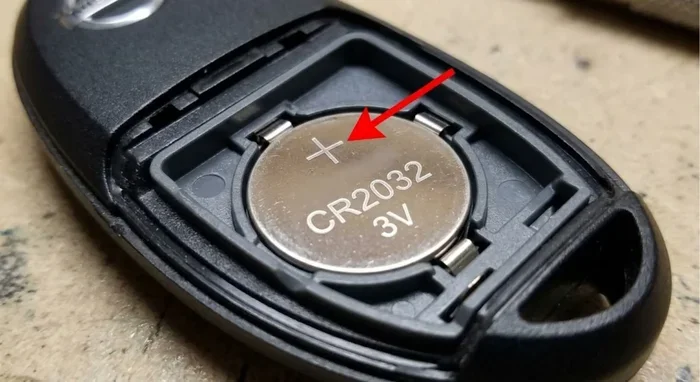
Most key fobs use a CR2032 battery, which is a small, round, silver coin cell battery. However, some models use CR2025 or CR2016 batteries. Check your vehicle’s owner manual or the label on the old battery to confirm the correct type.
Step-by-Step Battery Replacement
- Open the key fob using the method described above.
- Remove the old battery by gently prying it out with a plastic tool or your fingernail.
- Note the positive and negative side orientation.
- Insert the new battery with the correct side facing up.
- Press the battery firmly into place to ensure a snug fit.
- Close the casing and test all buttons.
If the key fob still does not work after replacing the battery, the issue may be with the circuit board or the buttons themselves. In that case, you may need professional assistance.
When to Seek Professional Help
There are times when opening your key fob is not the right move. Knowing when to call in an expert can save you from costly mistakes.
If the internal circuit board is visibly damaged, if the key fob has been submerged in water for a long time, or if you cannot get the casing open without breaking it, it is best to visit a professional. A locksmith or car dealer has the tools and expertise to handle complex repairs.
Also, if your vehicle has a push button start system or a smart key fob, the internal components may be more sensitive. Attempting to open these fobs without proper guidance could void your warranty.
For most simple issues like battery replacement and basic cleaning, you can handle everything yourself with this guide. But when in doubt, always seek professional help to protect your investment.
Prevention Tips to Keep Your Key Fob in Great Shape
Taking care of your key fob can extend its lifespan and reduce the need to open it frequently. Here are some simple habits that make a big difference.
- Keep it away from water: Moisture is the enemy of electronics. Avoid leaving your fob in places where it can get wet.
- Replace the battery every 2 to 3 years: Even if the fob still works, a fresh battery prevents unexpected failures.
- Store it in a safe spot: Avoid dropping it or placing heavy objects on top of it.
- Clean the buttons regularly: A quick wipe with a damp cloth keeps the surface free of grime.
- Use a protective cover: A silicone or leather key fob cover adds a layer of protection against drops and scratches.
These small habits keep your key fob working smoothly for years. They also reduce the chances of you needing to open the casing for repairs.
Common Mistakes to Avoid When Opening Your Key Fob
Even with the best intentions, mistakes happen. Here are the most common errors people make when trying to open their key fob and how to avoid them.
- Using metal tools: Metal screwdrivers or knives can scratch the casing and short-circuit the board. Always use plastic tools.
- Forcing the casing open: If the fob does not open easily, stop and reassess. There may be a hidden screw or a different opening method you are missing.
- Losing tiny screws: Place screws in a small container or a magnetic tray. Losing them means extra trips to the hardware store.
- Mixing up battery orientations: Putting the battery in backwards can damage the circuit board. Always double-check the orientation before closing the fob.
- Skipping the reset: Some key fobs need to be reset after battery replacement. Check your owner manual for the reset procedure.
Avoiding these mistakes keeps your key fob in perfect condition and ensures a smooth opening and closing experience every time.
Expert Insights on Key Fob Maintenance
Automotive experts agree that regular maintenance of your key fob goes a long way in preventing issues. Here are some professional tips that most guides skip.
Clean the contacts every six months. Over time, dust and grime build up on the battery contacts, which can cause intermittent power loss. A quick wipe with a dry cloth keeps the connection strong.
Store the fob separately from your phone. Phones emit electromagnetic signals that can interfere with the key fob frequency. Keeping them apart reduces signal confusion and extends battery life.
Know your fob’s lifespan. Most key fobs last between 3 to 5 years before the internal components start to wear out. If your fob is older than 5 years and giving you trouble, it may be time for a replacement rather than repeated repairs.
Keep a spare battery in your car. A dead key fob battery at the worst possible moment is never fun. Storing a spare CR2032 battery in your glove box saves you from being stranded.
Key Takeaways
- Identify Your Fob Type First: Knowing whether you have a sliding, screw-hold, push-button, or flip-out fob determines the right opening method.
- Use Plastic Tools Only: Protect the casing and internal circuit board by avoiding metal prying tools.
- Replace the Battery Correctly: Match the battery type and orientation to avoid damage and ensure proper function.
- Reset After Maintenance: Some fobs require a reset after battery replacement or casing reassembly.
- Know When to Call a Pro: Complex issues, water damage, or smart fobs with sensitive electronics are best handled by a professional.
- Preventive Care Saves Time: Regular cleaning, battery replacement, and protective storage keep your fob reliable for years.
Frequently Asked Questions
How do I know what type of key fob I have?
Look at the shape, seam lines, and any visible screws or release buttons on the back of your key fob. Most modern vehicles use sliding or push-button release fobs. Check your car’s owner manual for the exact model and type if you are unsure.
What battery does most key fobs use?
The majority of key fobs use a CR2032 battery, which is a small, round, silver coin cell battery. Some models use CR2025 or CR2016. Always check the old battery or your vehicle manual to confirm the correct type before purchasing a replacement.
Can I open my key fob without any tools?
Yes, for some push-button release fobs, you can use your fingernail to pop open the back cover. However, for sliding or screw-hold fobs, a small plastic pry tool or screwdriver makes the process much easier and safer. Avoid using sharp metal objects.
Why does my key fob stop working after I open it?
This usually happens when the circuit board shifts during reassembly or the battery is not seated correctly. Open the fob again, make sure all components are in place, and confirm the battery orientation. If the issue persists, the circuit board may need replacement.
How often should I replace my key fob battery?
Most key fob batteries last between 2 to 3 years. If you notice the remote working intermittently or needing to press buttons harder, it is time for a replacement. Keeping a spare battery on hand is a smart habit.
Is it safe to open a smart key fob myself?
For basic battery replacement, it is generally safe. However, smart key fobs contain sensitive electronics and proximity sensors. If you are unsure about the opening process, consult your vehicle’s manual or visit a dealer or locksmith to avoid damaging the fob or voiding your warranty.
=== CONCLUSION ===
Opening your key fob is a simple skill that every car owner should have. It saves money, time, and the hassle of waiting at a dealer or locksmith. With the right tools and a little patience, you can handle most key fob issues on your own.
Remember to identify your fob type first, use plastic tools, and handle the internal components gently. Replace the battery when needed, clean the contacts regularly, and store the fob in a safe place. These small habits keep everything running smoothly.
If you ever feel stuck or unsure, do not hesitate to seek professional help. Your key fob is a vital part of your daily driving experience, and taking care of it properly ensures it works reliably for years to come. Now that you have this complete guide, you are ready to open your key fob with confidence and handle any issue that comes your way.