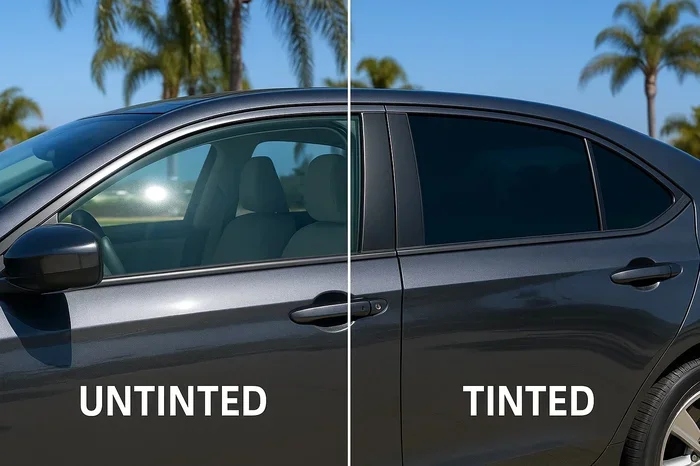
Car Glass Tint Film Benefits and Top Picks for 2024
Car glass tint film is one of the best upgrades you can make for your vehicle. It blocks harmful UV rays, reduces heat inside your car, and adds a layer of privacy and security. This guide covers the top benefits, the different types of tint films available, and our best picks for 2024. Whether you want to protect your interior or stay cooler on hot days, car glass tint film delivers real results.
Every car owner wants a vehicle that looks great, feels comfortable, and stays protected from the elements. One simple upgrade that delivers on all three fronts is car glass tint film. Whether you drive a compact sedan or a full-size SUV, applying a quality tint to your windows can transform your driving experience in ways you might not expect.
Car glass tint film is a thin, multi-layered laminate that adheres to the interior surface of your car windows. It does far more than just darken your glass. Modern tint films offer serious UV protection, reduce cabin heat, cut down on glare, and even help hold shattered glass in place during accidents. The best part? You can customize the level of tint to match your needs and preferences.
If you have been sitting on the fence about tinting your car, now is the perfect time to learn more. This guide breaks down every benefit of car glass tint film, explains the different types available, and shares our top picks for 2024. By the end, you will know exactly what to look for and how to make the best choice for your ride.
Key Takeaways
- UV and Heat Protection: Car glass tint film blocks up to 99% of UV rays and significantly reduces solar heat inside your vehicle.
- Multiple Film Types: Ceramic, carbon, dyed, and metallized films each offer different levels of performance and price points.
- Privacy and Safety: Tinted windows make it harder for thieves to see inside, adding a layer of security to your car.
- Interior Longevity: Tint film helps prevent fading of your dashboard, seats, and trim caused by sun exposure.
- Know Your Local Laws: Tint laws vary by state and country, so always check legal limits before purchasing.
- Professional vs. DIY: While DIY kits are budget-friendly, professional installation ensures a bubble-free, long-lasting finish.
- 2024 Top Picks: Ceramic and carbon-based films lead the market for durability and performance this year.
📑 Table of Contents
Why Car Glass Tint Film Matters
You might think window tinting is just about aesthetics. Sure, a sleek dark finish looks amazing on any car. But the functional benefits of car glass tint film go way deeper than looks. Let us break down why this upgrade matters so much.
First, your car windows are essentially giant magnifying glasses for solar energy. The glass traps heat inside your cabin, making your AC work harder and burning more fuel. Second, the sun emits powerful ultraviolet rays that degrade your interior surfaces over time. Your dashboard, seats, and steering wheel can all fade and crack without proper protection. Third, driving with too much sunlight or glare can seriously affect your visibility and safety on the road.
Car glass tint film addresses all of these problems at once. It acts as a shield that blocks a large portion of solar energy before it enters your car. The result is a cooler, safer, and more comfortable driving environment every single day.
Who Benefits Most from Car Glass Tint Film?
Almost every driver can benefit from tinting their windows. However, certain groups see especially noticeable improvements:
- Daily commuters: If you spend hours in your car each day, tint film keeps your cabin cooler and reduces eye strain from glare.
- Families with kids: Children are more sensitive to UV exposure, so car glass tint film adds an extra layer of protection for your little ones.
- People who park outdoors: If your car sits in direct sunlight all day, tint film prevents your interior from becoming an oven and protects your materials from sun damage.
- Anyone concerned about privacy: Tinted windows make it much harder for strangers to see inside your vehicle, which adds a sense of security.
Key Benefits of Car Glass Tint Film
The advantages of applying car glass tint film go far beyond what most people realize. Here is a detailed look at each major benefit.
1. Blocks Harmful UV Rays
One of the most important benefits of car glass tint film is its ability to block ultraviolet radiation. Quality tint films can block up to 99 percent of UVA and UVB rays. These rays are not just a skin cancer risk. They also cause significant damage to your car’s interior over time.
Think about how often the sun hits your dashboard and seats while you drive. Over months and years, this exposure causes fading, cracking, and premature aging of your upholstery and plastic trim. Car glass tint film acts as a barrier that stops most of this damage before it starts.
For people who spend a lot of time driving, this UV protection is a real health benefit too. Your hands, face, and arms are directly exposed to sunlight through the windows. A good tint film significantly reduces your cumulative UV exposure during every drive.
2. Reduces Cabin Heat and Improves Fuel Efficiency
Have you ever gotten into a car that has been sitting in the sun all day? The interior temperature can soar to well over 150 degrees Fahrenheit. Car glass tint film dramatically reduces this heat buildup by rejecting a large portion of solar energy before it enters your vehicle.
High-quality films can reject anywhere from 50 to 70 percent of total solar energy. This means your cabin stays much cooler, and your air conditioning does not have to work as hard. When your AC system runs less, your engine uses less fuel. Over time, this can lead to a small but meaningful improvement in fuel efficiency.
During hot summer months, the difference is night and day. You can get into your car and start driving comfortably within seconds instead of waiting for the AC to cool down a scorching cabin.
3. Reduces Glare for Safer Driving
Glare from the sun and headlights from other vehicles is a major safety hazard. It strains your eyes, causes headaches, and can temporarily blind you during critical driving moments. Car glass tint film significantly cuts down on glare, making your driving experience safer and more comfortable.
This is especially helpful during sunrise and sunset when the sun sits low on the horizon. It also helps at night when oncoming headlights can be blinding, particularly on dark roads without streetlights. A good tint film softens these harsh light sources without reducing your overall visibility.
4. Enhances Privacy and Security
Let us be honest. One of the main reasons many people tint their windows is for privacy. Car glass tint film makes it much harder for people outside your vehicle to see what is inside. This is valuable whether you are parked at the mall, the airport, or on a busy street.
Beyond privacy, tint film also adds a layer of security to your car. In the event of an accident or break-in, the film helps hold shattered glass together. Instead of dangerous shards flying everywhere, the tint film keeps the pieces adhered to the film. This reduces the risk of cuts and injuries to you and your passengers.
5. Protects Your Car’s Interior
Your car’s interior is a significant investment. Your leather seats, dashboard, and center console all degrade when exposed to prolonged sunlight. Car glass tint film helps preserve the look and condition of your interior by blocking the rays that cause fading and cracking.
Over time, this protection translates into a higher resale value for your vehicle. Cars with well-maintained interiors always fetch more money than those with sun-damaged upholstery and faded dashboards. Think of tint film as a form of insurance for your car’s interior.
Types of Car Glass Tint Film Available
Not all tint films are created equal. There are several different types on the market, and each one has its own strengths and weaknesses. Understanding these differences is key to choosing the right car glass tint film for your needs.
Comparison of Tint Film Types
| Type | UV Protection | Heat Rejection | Durability | Price Range | Best For |
|---|---|---|---|---|---|
| Ceramic Tint | 99% | High (50-70%) | Excellent | $$$$ | Maximum performance and clarity |
| Carbon Tint | 99% | Moderate-High (40-60%) | Very Good | $$$ | Great balance of performance and cost |
| Dyed Tint | Good (80-90%) | Low-Moderate (20-40%) | Fair | $ | Budget-friendly basic tinting |
| Metallized Tint | Good (85-95%) | Moderate-High (40-55%) | Good | $$ | Good heat rejection at mid-range price |
Ceramic Tint Film
Ceramic car glass tint film is the gold standard in the industry. It uses nano-ceramic particles that block heat and UV rays without interfering with electronic signals. This means your GPS, phone connectivity, and radio signals work perfectly through ceramic-tinted windows.
Ceramic films offer the highest level of heat rejection and the best clarity. They do not fade or change color over time. The downside is the price. Ceramic tint is the most expensive option, but it is also the most durable and effective. If you want the best of the best, ceramic is the way to go.
Carbon Tint Film
Carbon car glass tint film is a popular mid-range option that offers excellent performance at a more affordable price. Carbon films have a matte finish that looks sleek and modern. They block a very high percentage of UV rays and provide solid heat rejection.
One of the best things about carbon tint is that it does not fade over time like some cheaper options. It maintains its dark, rich appearance for years. Carbon film also does not interfere with electronic signals, making it a great choice for modern cars packed with technology.
Dyed Tint Film
Dyed tint film is the most budget-friendly option available. It uses a layer of dye between the adhesive and a protective coating to darken the glass. Dyed films provide basic UV protection and some heat reduction.
The main drawback of dyed tint is durability. Over time, the dye layer can bubble, fade, or peel, especially in hot climates. It also provides less heat rejection than ceramic or carbon options. However, if you are on a tight budget and want basic privacy and sun protection, dyed tint gets the job done.
Metallized Tint Film
Metallized car glass tint film contains tiny metal particles that reflect heat away from your car. It offers good heat rejection and adds a shiny, reflective appearance to your windows. Metallized films are also quite durable and scratch-resistant.
The downside is that metallized films can interfere with electronic signals. If you rely heavily on GPS navigation, phone connectivity, or keyless entry systems, metallized tint may cause issues. It also tends to have a more reflective look, which some people find too flashy.
How to Choose the Right Tint Film for Your Car
With so many options available, choosing the right car glass tint film can feel overwhelming. Here are the key factors to consider before making your decision.
Consider Your Climate
If you live in a hot, sunny climate, you want a film with high heat rejection. Ceramic and carbon films are your best choices. They will keep your cabin significantly cooler and reduce your AC workload. In cooler climates, you might prioritize UV protection and privacy over extreme heat rejection.
Think About Your Tint Percentage
The tint percentage refers to how much visible light the film allows through your windows. A lower percentage means a darker tint. Common options include 5%, 20%, 35%, and 50%. Darker tints offer more privacy and heat rejection, while lighter tints provide some benefits without dramatically darkening your windows.
Keep in mind that tint laws vary by location. Most states and countries have legal limits on how dark you can tint your front side windows and windshield. Always check your local regulations before choosing a tint percentage.
Set a Budget
Your budget will play a big role in which car glass tint film you choose. Ceramic films offer the best performance but come at a premium price. Carbon films strike a great balance between cost and quality. Dyed films are the most affordable but offer the least durability.
Remember that tinting is a long-term investment. A higher-quality film may cost more upfront but will last longer, perform better, and save you money over time through reduced AC usage and interior protection.
Quick Tips for Choosing the Right Tint
- Always ask about the film’s visible light transmission (VLT) rating before purchasing.
- Request a sample of the film to see the color and shade in person.
- Check the warranty offered by the manufacturer. Premium films often come with lifetime warranties.
- Consider your car’s factory tint. Some vehicles already have some tinting on the rear windows.
- Ask the installer about their experience and read reviews before booking.
Common Mistakes to Avoid
Many people make avoidable mistakes when tinting their car. Here are the most common ones to watch out for:
- Choosing based on price alone: The cheapest option is not always the best value. Low-quality films fade, bubble, and peel quickly.
- Ignoring local tint laws: Getting pulled over for illegal tint is expensive and inconvenient. Always verify the legal limits in your area.
- Skipping professional installation: DIY tint kits are tempting, but bubbles, creases, and peeling are common without professional training.
- Not considering signal interference: If your car relies heavily on electronic systems, avoid metallized films that can block signals.
- Forgetting about the rear windshield: Many people only tint the side windows but neglect the rear windshield, which gets just as much sun exposure.
Top Car Glass Tint Film Picks for 2024
After researching the latest products and reading countless reviews, here are our top recommendations for car glass tint film in 2024. Each of these options delivers excellent performance, durability, and value.
1. 3M Crystalline Series
The 3M Crystalline series is widely regarded as one of the best car glass tint film options available. It uses a multi-layer optical film technology that provides outstanding UV protection and heat rejection without making your car look dark or overly tinted. The film is virtually clear, which makes it a great choice if you want protection without changing the look of your car.
3M is a trusted brand with decades of experience in automotive films. Their Crystalline series comes with a strong warranty and is installed by certified professionals across the country.
2. Llumar IRX Ceramic Film
Llumar’s IRX ceramic film is a premium choice for those who want top-tier heat rejection and signal clarity. It uses advanced ceramic particles that block infrared heat very effectively. The film is non-metallic, so it will not interfere with your GPS, phone, or radio signals.
Llumar is one of the most recognized names in the tint industry. Their IRX line offers excellent durability and a rich, uniform appearance that ages beautifully over time.
3. SunTek Carbon Ultra Film
For a great balance of performance and price, the SunTek Carbon Ultra film is a standout choice. It offers strong UV protection, good heat rejection, and a sleek matte black finish. The carbon construction ensures the film does not fade or change color over the years.
SunTek is known for producing high-quality films at accessible price points. The Carbon Ultra series is a favorite among car enthusiasts who want premium results without the ceramic-level price tag.
4. Avery Dennison Supreme Automotive Film
Avery Dennison is another industry leader, and their Supreme Automotive Film line delivers excellent performance across the board. The film provides strong UV protection, good heat rejection, and a clean, professional finish. It is available in several tint levels to suit different preferences.
Avery Dennison films are known for their ease of installation and long-lasting adhesion. The brand offers solid warranties and is widely available through professional installers.
5. Cyber Glas Tint Pro Series
The Cyber Glas Tint Pro series is a newer entry that has quickly gained a loyal following. It offers excellent ceramic-based performance at a competitive price point. The film blocks a high percentage of infrared heat and UV rays while maintaining excellent optical clarity.
Cyber Glas has been making waves in the tint community for offering premium-quality films without the premium price tag. It is an excellent choice for budget-conscious buyers who still want top-tier performance.
Installation Tips and Tint Laws to Know
Getting your car glass tint film installed correctly is just as important as choosing the right film. A poor installation can lead to bubbles, peeling, and reduced performance. Here is what you need to know.
Professional vs. DIY Installation
Professional installation is always the recommended choice for car glass tint film. Trained technicians have the tools, experience, and clean environments needed to apply tint film perfectly. They can also help you choose the right film and tint level for your specific vehicle and local laws.
That said, DIY tint kits are available and can save you money. If you choose the DIY route, make sure you follow the instructions carefully. You will need a clean, dust-free environment, a heat gun, a squeegee, and plenty of patience. The application process requires precision, and even small mistakes can be visible and difficult to fix.
Tint Laws and Regulations
Tint laws vary widely from state to state and country to country. In the United States, for example, most states allow darker tint on the rear windows but have stricter limits on the front side windows and windshield. Some states allow very dark tints, while others limit tint to 70% or higher visible light transmission on the front windows.
Before you get your car glass tint film installed, check your local regulations. Some states require a sticker or certificate proving the tint meets legal standards. Getting caught with illegal tint can result in fines and even a requirement to remove the film.
Expert Insight
Many professional installers offer a free tint compliance check before starting the job. Take advantage of this service. It ensures your tint is legal and saves you from potential headaches down the road. Also, keep your tint receipt and any certification stickers in your glove box. If you are ever pulled over, having documentation of legal tint can save you time and money.
How Long Does Installation Take?
A professional car glass tint film installation typically takes one to three hours, depending on the number of windows and the complexity of the job. After installation, you should avoid rolling down your windows for at least three to four days. This allows the film to cure and bond properly to the glass.
In hot or humid weather, the curing process may take a bit longer. You might notice some water spots or haziness right after installation. This is completely normal and usually clears up within a week or two as the film dries.
How Long Does Tint Film Last?
The lifespan of car glass tint film depends on the quality of the film and the installation. Premium ceramic and carbon films can last 10 to 15 years or even longer with proper care. Budget dyed films may only last 3 to 5 years before showing signs of fading or bubbling.
To maximize the life of your tint film, avoid using harsh chemicals or abrasive materials when cleaning your windows. Stick to mild, ammonia-free cleaners and soft microfiber cloths. This simple care routine keeps your tint looking great for years.
Common Myths About Car Window Tinting
There are several myths floating around about window tinting that can confuse car owners. Let us clear up a few of the most common ones:
- Myth: Tinting blocks your view at night. Fact: Most quality films are designed to maintain excellent visibility, even at night. Choose the right tint percentage for your needs.
- Myth: All tint films bubble and peel. Fact: Only low-quality films have this problem. Premium ceramic and carbon films are engineered to last without bubbling or peeling.
- Myth: Tinting makes your car too hot in winter. Fact: While tint does reduce some solar heat gain, it also helps retain heat inside your car during cold weather. The trade-off is worth it for most drivers.
- Myth: You cannot tint laminated or treated glass. Fact: Most modern cars have laminated windshields and treated glass that can still accept tint film. Your installer can advise you on compatibility.
Conclusion
Car glass tint film is one of the smartest upgrades you can make for your vehicle in 2024. The benefits are clear and significant. You get powerful UV protection, a cooler cabin, reduced glare, enhanced privacy, and better interior preservation. These are not small perks. They add up to a more comfortable, safer, and more enjoyable driving experience every single day.
With so many types of tint films available, there is an option for every budget and every need. Whether you choose premium ceramic, reliable carbon, or budget-friendly dyed film, you are making a smart investment in your car and your well-being.
Take the time to research your options, understand your local tint laws, and choose a reputable installer. The right car glass tint film will pay for itself many times over through comfort, protection, and long-term savings. Your car and your future self will thank you every time you get behind the wheel.
Frequently Asked Questions
What is the best tint percentage for car windows?
The best tint percentage depends on your priorities and local laws. A 35% tint is popular because it offers good heat rejection and privacy while still allowing plenty of light through. For maximum privacy, a 20% or 5% tint works well, but check your local tint laws first since many places restrict how dark front windows can be.
Does car window tinting really reduce heat inside the car?
Yes, high-quality car glass tint film can reduce cabin heat by 50 to 70 percent. Ceramic and carbon films are especially effective at rejecting solar energy. This means your car stays much cooler in direct sunlight, and your air conditioning system does not have to work as hard to cool down the cabin.
Can I tint my car windows myself?
You can, but professional installation is highly recommended. DIY tint kits are cheaper, but they require a dust-free environment, patience, and skill to apply correctly. Bubbles, creases, and peeling are common with DIY installations. Professional installers have the experience and tools to ensure a flawless, long-lasting finish.
How long does car window tint take to fully cure?
Most tint films take about three to four days to cure under normal conditions. In humid or cold weather, curing can take up to two weeks. During this time, avoid rolling down your windows and keep your car out of direct sunlight as much as possible. You may notice some water spots or haziness initially, but this clears up as the film fully bonds to the glass.
Is car window tinting legal everywhere?
No, tint laws vary by location. Most states and countries have specific regulations about how dark your tint can be and which windows can be tinted. Some areas have very strict limits on front side windows and windshields. Always check your local regulations before getting your car glass tint film installed, and keep documentation of your tint’s compliance in your vehicle.
Does tint film interfere with electronic devices in my car?
It depends on the type of film. Ceramic and carbon films do not interfere with GPS, phone signals, or radio systems. However, metallized films contain metal particles that can disrupt electronic signals. If your car relies heavily on wireless connectivity, choose a non-metallic car glass tint film like ceramic or carbon to avoid any interference issues.