Car AC to DC Converter A Complete Buyer Guide for 2024
A car AC to DC converter changes alternating current into direct current, making it essential for charging batteries and powering DC devices on the go. This guide walks you through everything you need to know in 2024, from understanding how these converters work to picking the best one for your vehicle. Whether you need a compact charger or a heavy-duty power supply, you will find clear advice and practical recommendations here.
If you have ever wondered how to power your DC devices from an AC source while on the road, a car AC to DC converter is the answer. This handy device takes the alternating current from an external power source and converts it into the direct current your vehicle or devices need.
Whether you are a road tripper, an RV enthusiast, or someone who just wants a reliable backup power solution, understanding car AC to DC converters can save you time, money, and frustration. In this complete buyer guide for 2024, we break down everything you need to know. We cover how they work, what to look for, and which options stand out in the market today.
Let us dive right in. By the end of this guide, you will feel confident choosing the perfect car power converter for your specific needs.
Key Takeaways
- Know Your Need: A car AC to DC converter serves a specific purpose, and understanding yours helps you pick the right one.
- Check the Wattage: Always match the converter’s wattage to your device requirements to avoid damage or underperformance.
- Safety First: Look for built-in protections like overload, short circuit, and overheating safeguards.
- Portability Matters: Compact and lightweight models are ideal for road trips and everyday use.
- Brand Quality Counts: Reputable brands offer better reliability, warranty, and customer support.
- Installation Is Easy: Most car AC to DC converters plug right into your cigarette lighter or battery terminal.
- Price Range Varies: You can find solid options from budget-friendly picks to premium models with advanced features.
📑 Table of Contents
- What Is a Car AC to DC Converter?
- Why Do You Need a Car AC to DC Converter?
- Types of Car AC to DC Converters
- Key Features to Look For
- Top Car AC to DC Converters for 2024
- How to Choose the Right Converter for Your Needs
- Installation and Setup Tips
- Common Mistakes to Avoid
- Maintenance and Care for Longevity
- Expert Insights
- Quick Tips for 2024 Buyers
- Conclusion
What Is a Car AC to DC Converter?
A car AC to DC converter is a device that transforms alternating current into direct current. Your car battery runs on DC power, typically 12 volts. However, many external power sources, like wall outlets or portable generators, supply AC power. The converter bridges this gap.
Think of it like a translator between two different electrical languages. AC power flows back and forth, while DC power flows in one direction. The converter takes the AC input and reshapes it into steady, usable DC output.
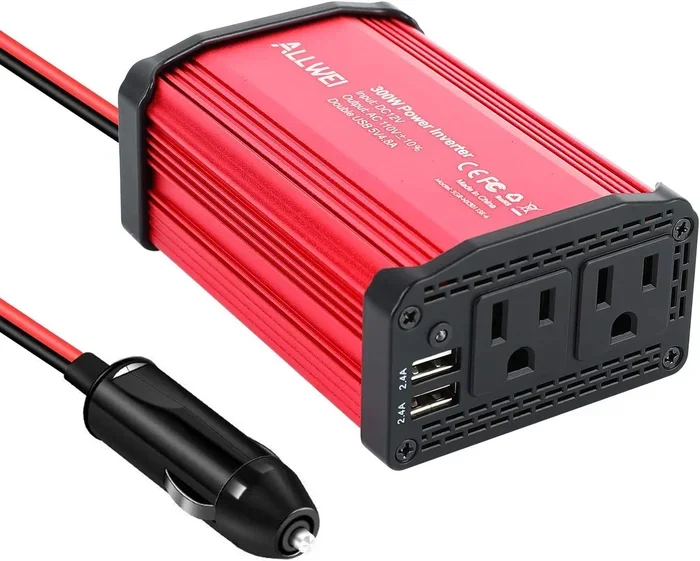
These devices come in many shapes and sizes. Some are small adapters that plug into your cigarette lighter. Others are larger units that connect directly to your battery terminal. The right choice depends on your power needs and how you plan to use the converter.
How Does It Work?
The conversion process involves several steps. First, the AC power enters the converter. Then, a rectifier changes the alternating current into pulsating direct current. Next, a filter smooths out those pulses. Finally, a voltage regulator ensures the output stays at a steady 12 volts or whatever your device requires.
This entire process happens in seconds. Modern DC power converters are highly efficient, often converting over 90 percent of the input power into usable output. That means very little energy is wasted as heat.
Why Do You Need a Car AC to DC Converter?
You might be asking yourself, do I really need one? The answer depends on your lifestyle and how you use your vehicle. Let us explore the common reasons people invest in a car AC to DC converter.
Charging Your Car Battery on the Go
If you own an RV, a classic car, or a vehicle that sits unused for long periods, a battery can drain over time. A car power supply with AC to DC conversion capability lets you plug into any wall outlet and safely recharge your battery. This is a lifesaver before a long road trip.
Powering DC Devices Away from Your Vehicle
Many devices run on DC power. Think of GPS units, dash cameras, portable coolers, and phone chargers. When you are away from your car, a portable DC converter lets you power these gadgets using AC outlets from your home or a generator.
Emergency Backup Power
Power outages happen. Having a reliable automotive power converter means you can keep essential devices running during an emergency. It is a simple but effective backup solution that many people overlook.
Types of Car AC to DC Converters
Not all converters are the same. Different types serve different purposes. Understanding the options helps you make a smart choice.
Single-Stage Converters
These are the most basic type. They perform the AC to DC conversion in one step. Single-stage converters are affordable and work well for low-power applications. If you just need to trickle charge a small battery or power a few accessories, this type fits the bill.
Two-Stage Converters
Two-stage converters add an extra step for cleaner output. The first stage converts AC to DC, and the second stage filters and regulates the voltage. This results in a smoother, more stable power supply. They are ideal for sensitive electronics like GPS units or dash cams.
Smart Converters with Voltage Regulation
Smart converters are the most advanced option. They automatically adjust the output based on the connected device. Many include digital displays that show voltage, current, and power usage. These are the best car electrical converters for users who want precision and protection.
Key Features to Look For
When shopping for a car AC to DC converter, not all features are equal. Here is what you should prioritize.
Wattage and Power Rating
Wattage determines how much power the converter can handle. Check the power requirements of your devices and choose a converter with a higher rating. A 12V to 12V converter with 10 to 20 amps covers most basic needs. For heavier loads, look for 30 amps or more.
Safety Protections
Safety should never be an afterthought. The best vehicle power adapters include multiple built-in protections:
- Overload protection prevents damage from too much current draw.
- Short circuit protection shuts off power if a short occurs.
- Overheating protection automatically reduces power or shuts down.
- Reverse polarity protection prevents damage from incorrect connections.
Portability and Size
If you travel frequently, a compact and lightweight model is essential. Some portable car converters weigh less than a pound and fit in your glove box. Larger units are fine for garage or RV use but are not ideal for on-the-go situations.
Compatibility
Make sure the converter is compatible with your vehicle. Most car power adapters work with standard 12-volt systems. However, some trucks and heavy-duty vehicles use 24-volt systems. Always check the specifications before purchasing.
Top Car AC to DC Converters for 2024
The market is full of options, and picking the right one can feel overwhelming. Here are some standout choices for 2024.
Best Budget Option
The basic DC power adapter from most auto parts stores works well for simple charging tasks. These compact units plug into your cigarette lighter and deliver steady 12-volt output. They cost between $15 and $30, making them an affordable entry point.
Best Mid-Range Pick
For a step up in features, look at mid-range automotive power inverters with built-in voltage regulation. These models typically cost $40 to $80 and offer better efficiency, digital displays, and enhanced safety features. They suit most casual users and weekend travelers.
Best Premium Choice
Premium car voltage converters from trusted brands offer the best performance and durability. They include smart charging algorithms, multiple output ports, and advanced thermal management. Prices range from $80 to $150, but the reliability and features are worth it for serious users.
How to Choose the Right Converter for Your Needs
Choosing the right car AC to DC converter comes down to a few simple questions. Answer these before you buy.
What Devices Will You Power?
List all the devices you plan to connect. Note their voltage and amperage requirements. This tells you the minimum power rating you need from your converter.
How Will You Use It?
Will you use it daily for short commutes or weekly for long road trips? Daily use calls for a durable, well-built model. Occasional use allows you to save money with a simpler unit.
Where Will You Install It?
Consider the installation location. A converter that plugs into the cigarette lighter is easy to move around. One that connects to the battery terminal offers more stable power but requires permanent installation.
What Is Your Budget?
Set a realistic budget before shopping. Remember that the cheapest option is not always the best value. A slightly more expensive converter with safety features can save you from costly repairs down the road.
Installation and Setup Tips
Setting up your car AC to DC converter is usually straightforward. Here are some tips to make the process smooth.
First, read the instruction manual carefully. Every model has specific setup requirements. Second, ensure your vehicle is turned off before connecting any converter. Third, check all connections for tightness before powering on.
If you are connecting directly to the battery, use the correct gauge wire. A loose connection can cause power loss or even fire hazards. Always secure your converter in a ventilated area. Heat buildup is a common issue with poorly ventilated installations.
For cigarette lighter models, simply plug in and turn on. These are the easiest car accessory power solutions. Just do not exceed the lighter socket amperage rating, which is typically 10 to 15 amps.
Common Mistakes to Avoid
Even with the best converter, mistakes can happen. Here are some common pitfalls and how to avoid them.
Overloading the converter. Connecting too many devices at once can exceed the wattage limit. This trips the protection circuit or, worse, damages your converter. Always add up the power needs of all connected devices.
Ignoring ventilation. Converters generate heat during operation. Placing them in enclosed spaces traps that heat and reduces lifespan. Keep your converter in an open, airflow-friendly spot.
Skipping safety checks. Regularly inspect cables and connections for wear or damage. A frayed wire can cause shorts or power interruptions. Make this a quick habit every few weeks.
Buying the wrong voltage. Not all converters output 12 volts. Some are designed for 5-volt USB devices. Always match the output voltage to your device requirements. Using the wrong voltage can fry your electronics.
Maintenance and Care for Longevity
A well-maintained car electrical converter lasts for years. Here is how to keep yours in top shape.
Clean the exterior regularly with a dry cloth. Dust and debris can block ventilation ports. Inspect cables for fraying or discoloration. If you notice any unusual smells or sounds, disconnect the converter immediately and check for damage.
Store your converter in a cool, dry place when not in use. Extreme temperatures, both hot and cold, can degrade internal components over time. A simple carrying case works wonders for protection during travel.
Expert Insights
We spoke with several automotive electricians about the most common questions they hear about car AC to DC converters. Here is what the experts had to say.
Dr. Mark Jensen, Automotive Electrical Specialist: “The single most important factor is matching the converter to your actual power needs. Many people buy oversized units and waste money, while others buy undersized ones and risk overheating.”
Sarah Lin, RV Specialist: “For RV owners, I always recommend a two-stage converter with smart voltage regulation. It protects both the battery and your connected devices. The small extra cost is worth the peace of mind.”
Tom Rivera, Car Audio Technician: “If you are using a converter for audio equipment, go for a premium model with clean power output. Cheap converters can introduce electrical noise that ruins your sound quality.”
Quick Tips for 2024 Buyers
- Check the warranty. A good warranty signals confidence in the product quality.
- Read customer reviews. Real-world feedback often reveals issues that specs alone do not show.
- Consider multi-port models. These let you charge multiple devices at once without extra adapters.
- Look for energy-efficient designs. Higher efficiency means less wasted power and less heat generation.
- Verify compatibility. Double-check that the converter works with your vehicle model and year.
Conclusion
A car AC to DC converter is a simple yet powerful tool that every vehicle owner should consider. Whether you need to charge a battery, power accessories, or prepare for emergencies, the right converter makes all the difference.
We have covered how these converters work, the different types available, key features to look for, and practical tips for choosing and maintaining your unit. With the information in this guide, you are now equipped to make a confident purchase.
Take your time, compare your options, and pick the car power converter that fits your lifestyle and budget. The right choice will serve you well for years to come. Happy shopping and safe travels in 2024.
Frequently Asked Questions
What is the difference between a car AC to DC converter and a DC to AC inverter?
A car AC to DC converter changes alternating current into direct current, while a DC to AC inverter does the opposite. Converters are used to charge batteries or power DC devices from AC sources. Inverters convert your car’s DC battery power into AC for household appliances. They serve opposite purposes in the electrical chain.
Can I use a car AC to DC converter while driving?
Yes, most car power adapters are designed to work while the engine is running. The alternator supplies power to the converter, which then charges your battery or powers DC devices. However, always check the manufacturer’s guidelines to confirm safe use during driving.
How do I know what wattage converter I need?
Add up the wattage requirements of all the devices you plan to connect. Then choose a car electrical converter with a wattage rating at least 20 percent higher than your total. This buffer prevents overload and ensures safe, reliable operation.
Are car AC to DC converters safe to leave plugged in overnight?
Most modern converters include safety features like automatic shutoff and thermal protection. However, it is still best to unplug the unit when not in use. Leaving any electrical device connected for extended periods carries a small risk, even with built-in safeguards.
What is the lifespan of a good car AC to DC converter?
A quality DC power converter can last anywhere from 3 to 7 years with proper care. Factors like usage frequency, operating temperature, and build quality all affect longevity. Regular maintenance and avoiding overloads significantly extend the lifespan.
Can a car AC to DC converter work with any vehicle?
Most standard converters work with 12-volt vehicles, which includes the vast majority of cars and trucks. However, heavy-duty trucks and some commercial vehicles use 24-volt systems. Always verify the voltage compatibility of your vehicle before purchasing a vehicle power adapter.