When Should Drivers Avoid Using Cruise Control on Roads
Knowing when should drivers avoid using cruise control on roads can save lives and prevent accidents. Many drivers rely on cruise control without realizing it becomes risky in rain, ice, heavy traffic, and winding terrain. This guide covers the most dangerous situations, expert-backed tips, and practical steps to keep you safe behind the wheel.
You are cruising down the highway. Your foot rests easy on the floor. The car maintains your speed without any effort. It feels relaxing, right? But here is the thing. That same convenience can turn into a serious danger faster than you think. Knowing when should drivers avoid using cruise control on roads is one of the most important skills every driver should master.
Cruise control is a fantastic feature. It reduces fatigue on long trips. It helps maintain a steady speed. It even improves fuel economy in many cases. But it is not a replacement for active driving. There are specific moments when keeping your foot on the pedal and your hands on the wheel is the smartest choice you can make. This article breaks down those moments in detail. You will learn about dangerous weather, tricky road types, traffic scenarios, and vehicle factors that all demand your full attention.
By the end of this guide, you will have a clear understanding of when cruise control becomes a risk and how to make safer decisions every time you get behind the wheel. Let us dive in.
Key Takeaways
- Avoid cruise control in wet or icy conditions: it reduces your ability to react quickly and can cause hydroplaning.
- Turn it off in heavy traffic: speed variance and frequent stops make manual control safer.
- Mountain roads and steep grades demand driver attention: cruise control can cause loss of control on sharp curves.
- Night driving and low visibility are prime times to disable cruise control.
- Driver fatigue is a hidden risk: cruise control may create a false sense of alertness.
- Older vehicles without adaptive cruise control pose more risks in unpredictable conditions.
- Always stay in control and use cruise control only in safe, predictable driving environments.
📑 Table of Contents
- Understanding Cruise Control and Why It Matters
- Weather Conditions That Make Cruise Control Dangerous
- Road Types and Terrain Where Cruise Control Fails
- Traffic Situations Where Cruise Control Becomes a Risk
- Vehicle and Driver Factors That Demand Manual Control
- Expert Tips for Smart Cruise Control Use
- Common Mistakes Drivers Make With Cruise Control
- When Should Drivers Avoid Using Cruise Control on Roads? Final Thoughts
Understanding Cruise Control and Why It Matters
Before we talk about when to avoid cruise control, let us understand what it actually does. Traditional cruise control is a system that maintains your vehicle’s speed without you needing to press the accelerator. You set a speed, and the car holds it. Simple as that.
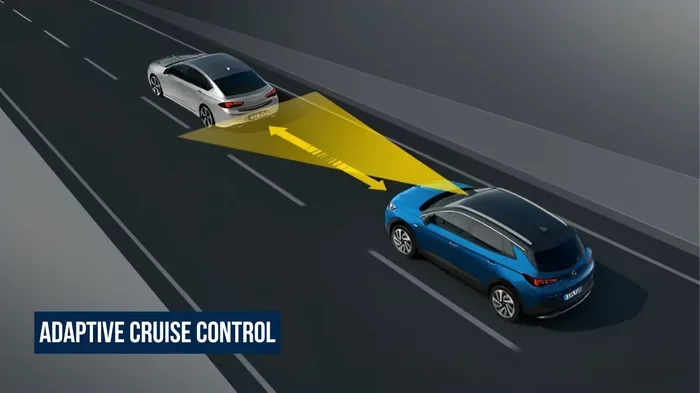
Modern vehicles often come with adaptive cruise control. This version uses sensors and cameras to keep a safe distance from the car ahead. It adjusts your speed automatically. This is a big step forward. But even adaptive systems have limits. They are not perfect. They cannot read every situation the way a human driver can.
The core idea of cruise control is convenience and consistency. It works best on long, straight, open roads where conditions stay predictable. The moment conditions change, the system may not respond fast enough. That gap between system response and human reaction can be the difference between a safe drive and a serious accident.
How Cruise Control Works Under the Hood
When you engage cruise control, the system uses your vehicle’s throttle to maintain speed. It does not brake for you unless you have a specific adaptive system. Traditional cruise control only controls acceleration. It does nothing for braking. This is a critical point many drivers overlook. You still need to stay alert and ready to hit the brakes at any moment.
Adaptive cruise control adds radar or camera-based sensors. These detect vehicles ahead and adjust your speed accordingly. But even these systems rely on clear conditions and proper maintenance. A dirty sensor or a sudden obstacle can confuse the system. Understanding how your specific system works is the first step toward using it safely.
Weather Conditions That Make Cruise Control Dangerous
Weather is the number one reason drivers should turn off cruise control. Many accidents happen because drivers trust the system too much when road conditions worsen. Let us look at the most common weather scenarios where cruise control becomes a hazard.
Rain and Wet Roads
Driving on wet roads is already risky. Your tires have less grip. Your braking distance increases. Now add cruise control into the mix. When you use cruise control on a wet road, the system may ask for sudden acceleration if you start to skid. This can make a bad situation much worse.
Hydroplaning is a real danger in the rain. When your tires lose contact with the road and ride on a thin layer of water, you lose all control. If cruise control is engaged during a hydroplane event, the car will keep trying to maintain speed. This delays your ability to react. The best practice is simple: turn off cruise control the moment rain starts, even if it is a light drizzle.
Snow and Ice
Snow and ice are even more dangerous than rain. On icy roads, any unexpected acceleration can cause your wheels to spin. Cruise control systems do not understand ice. They only know speed. If you hit a patch of black ice with cruise control on, the system may try to maintain speed by sending more power to the wheels. This can lead to a complete loss of control.
Winter driving requires constant adjustments. You need to ease off the accelerator. You need to pump the brakes gently. You need to steer with precision. Cruise control takes away your ability to make these micro-adjustments in real time. Always disable cruise control when temperatures are near or below freezing, especially on any road surface that looks slick.
Fog and Low Visibility
Fog reduces visibility dramatically. In heavy fog, you may not see brake lights ahead until it is too late. Cruise control, especially traditional systems, does not react to stopped vehicles in your path the way a focused driver would. Low visibility is a clear signal to take manual control and drive at a speed you can safely stop for.
Road Types and Terrain Where Cruise Control Fails
Not all roads are created equal. Some road types simply do not suit cruise control use. Understanding these differences helps you make better decisions on the road.
Curvy Mountain Roads
Mountain roads with sharp curves are a prime example of where cruise control should stay off. On winding roads, you need to constantly adjust your speed based on the curve radius. Cruise control does not read the road ahead. It will keep your car at the same speed through a sharp turn that demands slowing down.
This can cause you to enter a curve at too high a speed. The result can be terrifying and dangerous. On any road with frequent curves or elevation changes, manual control is always the safer choice. You want your foot ready to modulate speed as the road demands.
Steep Hills and Downgrades
Driving downhill presents its own set of challenges. Gravity pulls your vehicle faster. Traditional cruise control may not slow your car adequately on steep downgrades. You might find yourself exceeding the safe speed before you can react.
Some modern systems use engine braking on descents, but they are not foolproof. On steep hills, keep your foot near the brake pedal and manage your speed manually. This gives you immediate control if something unexpected happens on the downgrade.
Urban Streets and Residential Areas
City driving is unpredictable. Pedestrians cross suddenly. Cars pull out of driveways. Speed limits change frequently. Cruise control is designed for steady-state driving, not the stop-and-go nature of urban streets. Using cruise control in residential areas or city centers is almost always a bad idea. The speed variance and frequent interruptions make manual driving far safer.
Traffic Situations Where Cruise Control Becomes a Risk
Traffic conditions change constantly. Even on highways, traffic flow can shift quickly. Cruise control works best when traffic moves at a consistent pace. But real-world driving rarely stays that predictable.
Heavy Traffic and Stop-and-Go Conditions
In congested traffic, you are constantly adjusting your speed. You brake for the car ahead. You accelerate when space opens up. Cruise control, even adaptive versions, can struggle in heavy stop-and-go traffic. The system may not respond fast enough to sudden stops.
Turn off cruise control the moment traffic slows down significantly. You want your foot on the brake pedal and your attention fully on the cars around you. A delayed reaction in heavy traffic can mean a rear-end collision.
Merging Zones and Construction Areas
Construction zones are chaotic. Lanes narrow. Speeds drop suddenly. Workers and equipment appear close to the road. These conditions demand your full attention and quick responses. Cruise control can distract you from the constant changes in a work zone.
Always slow down and take manual control in construction zones. Follow the posted speed limits. Watch for flaggers and barriers. Keep your hands ready to steer and brake at a moment’s notice.
Night Driving and Fatigue
Driving at night brings its own challenges. Visibility drops. Your reaction time naturally slows. Fatigue sets in more easily during late hours. Cruise control can create a false sense of alertness. You might feel like you are in control, but your attention drifts.
If you are driving at night and feeling tired, cruise control is not your friend. It removes the natural engagement of foot pedal control, which helps keep drivers alert. Pull over if you are drowsy. Take a break. Do not rely on cruise control to keep you safe when your body needs rest.
Vehicle and Driver Factors That Demand Manual Control
Sometimes the problem is not the road or the weather. It is the vehicle or the driver. Several factors related to both can make cruise control a risky choice.
Older Vehicles Without Advanced Systems
Older cars may have basic cruise control with no adaptive features. These systems are even less capable of handling sudden changes. They do not brake for you. They do not adjust for traffic. If you are driving an older vehicle, you should be even more cautious about when you engage cruise control.
Know your vehicle’s limitations. If your car only has traditional cruise control, treat it with more caution than a modern adaptive system. Keep your hands on the wheel and your eyes scanning the road constantly.
Driver Fatigue and Distraction
Cruise control can make drivers feel too relaxed. This relaxation can lead to distraction. You might start looking away from the road, adjusting the radio, or reaching for something in the back seat. All of these behaviors become dangerous when cruise control is engaged.
Use cruise control only when you are fully alert and focused. If you feel even slightly drowsy, turn it off immediately. Your feet on the pedals help keep your body engaged in the driving task.
Tire Condition and Maintenance
Your tires are the only connection between your car and the road. Worn tires, low tread depth, or improper inflation reduce your grip significantly. In poor conditions, this lack of grip makes cruise control even more dangerous. The system may not be able to maintain traction the way you would with manual control.
Check your tires regularly. Ensure proper inflation and adequate tread depth. If your tires are worn, be extra cautious about using cruise control, especially in any less-than-ideal conditions.
Driver Experience and Confidence Level
New drivers or those unfamiliar with cruise control should use extra caution. Understanding how the system responds and how to disengage it quickly is essential. Practice using cruise control in safe, open conditions before relying on it in more challenging situations.
Build your confidence gradually. Start with short trips on familiar roads. Learn how your specific system works. Once you understand its behavior, you can use it more confidently in appropriate settings.
Expert Tips for Smart Cruise Control Use
Cruise control is not the enemy. Used correctly, it is a helpful tool that makes driving more comfortable. The key is knowing when to use it and when to turn it off. Here are some expert-backed tips to help you get the most out of this feature safely.
- Use cruise control only on open highways with steady traffic and good weather conditions.
- Keep your hands on the wheel at all times, even when cruise control is engaged.
- Stay aware of your speed. Cruise control does not know the speed limit. You still need to monitor your speed and adjust if needed.
- Disengage cruise control before any curve or turn. Slow down manually and then re-engage if appropriate.
- Keep your foot near the brake pedal. This habit ensures you can react instantly if something unexpected happens.
- Do not use cruise control in school zones, construction areas, or residential neighborhoods.
- Update your vehicle’s software regularly. Adaptive cruise control systems receive improvements that enhance safety and responsiveness.
These simple habits can make a huge difference. They keep you in control while still allowing you to enjoy the comfort cruise control provides. The goal is not to avoid cruise control entirely. The goal is to use it smartly and safely.
Common Mistakes Drivers Make With Cruise Control
Even experienced drivers make mistakes when using cruise control. Being aware of these common errors helps you avoid them.
- Leaving cruise control on in all conditions. This is the most common mistake. Drivers set cruise control and forget to turn it off when conditions change.
- Relying too heavily on adaptive systems. Adaptive cruise control is helpful but not infallible. It can misread situations or fail in certain conditions.
- Setting the speed too high. Just because the system allows a certain speed does not mean it is safe for current conditions.
- Not knowing how to disengage quickly. Every driver should know exactly how to cancel cruise control in their vehicle. Practice this until it becomes second nature.
- Ignoring weather warnings. If the forecast calls for rain or ice, plan to drive manually from the start.
Avoiding these mistakes keeps you safer and helps you get the most benefit from your vehicle’s cruise control system.
When Should Drivers Avoid Using Cruise Control on Roads? Final Thoughts
The answer to when should drivers avoid using cruise control on roads comes down to one simple principle: always stay in control. Cruise control is a tool. It is not a substitute for active, attentive driving. The moments when you need to be most alert are exactly the moments when cruise control can work against you.
Bad weather demands your full attention. Complex road terrain requires constant speed adjustments. Heavy traffic needs quick reactions. Night driving and fatigue call for extra caution. And every driver has a responsibility to understand their vehicle’s systems and their own limits.
Use cruise control when conditions are safe and predictable. Turn it off when they are not. This simple habit can protect you, your passengers, and everyone else on the road. Drive smart, stay alert, and always remember that no technology can replace a focused, engaged driver.
Next time you hit the road, take a moment to assess the conditions before you press that cruise control button. Your future self will thank you for it. Safe travels.
Frequently Asked Questions
Can I use cruise control in the rain?
No. You should avoid using cruise control in the rain. Wet roads reduce tire grip, and cruise control can delay your ability to react during a skid or hydroplaning event. Turn it off and drive manually whenever road surfaces are wet.
Is adaptive cruise control safe in all conditions?
No. Even adaptive cruise control has limits. It may not respond properly in heavy fog, icy roads, or sudden traffic stops. Always stay alert and be ready to take manual control regardless of how advanced your system is.
What happens if I fall asleep with cruise control on?
This is extremely dangerous. Cruise control does not steer the car. If you fall asleep, the vehicle will continue at the set speed in its current direction. This can lead to drifting off the road or into other vehicles. Never use cruise control if you are tired or drowsy.
Should I use cruise control on mountain roads?
No. Mountain roads with sharp curves and steep grades are not suitable for cruise control. You need to constantly adjust your speed for curves, elevation changes, and unpredictable road conditions. Manual control is always safer on these roads.
Does cruise control save fuel?
Yes, cruise control can improve fuel economy on long, flat highways by maintaining a steady speed. However, this benefit only applies in safe, predictable driving conditions. Fuel savings should never come at the cost of safety.
How do I quickly disengage cruise control?
Most vehicles allow you to cancel cruise control by pressing the brake pedal, hitting the cancel button on the steering wheel, or turning the system off. Know your specific vehicle’s method and practice disengaging quickly so it becomes automatic.
=== CONCLUSION ===
Understanding when should drivers avoid using cruise control on roads is essential for every driver. Weather, road type, traffic conditions, and personal factors all play a role in deciding when to use or avoid this feature. The key is to stay aware, stay alert, and always prioritize safety over convenience. Cruise control is a helpful tool when used correctly, but it should never replace your attention and judgment on the road. Make smart choices, drive defensively, and enjoy every journey with confidence.