Why Does the Traction Control Light Stay On in Your Car
The traction control light staying on signals a problem with your car’s stability system. Common causes include faulty wheel speed sensors, a bad traction control module, or a blown fuse. This guide explains every reason, shows you how to diagnose it yourself, and tells you when to see a mechanic.
You start your car one morning and notice a little yellow or red light on the dashboard shaped like a car sliding sideways. That is your traction control light, and it is telling you something is wrong. If the traction control light stays on, you are not alone. Thousands of drivers face this exact issue every year, and the good news is that most causes are easy and affordable to fix.
This article will walk you through every reason your traction control light stays on, what the light actually means, and exactly what you should do next. Whether you are a car enthusiast or someone who just wants to get to work safely, this guide has you covered. Let us break it down in simple, clear terms so you never have to wonder about that blinking symbol on your dash again.
Key Takeaways
- Sensor Issues: A dirty or damaged wheel speed sensor is the #1 reason the traction control light stays on.
- System Interconnection: The traction control system works closely with the ABS and stability control systems.
- Driving Safety: You can still drive with the light on, but your car may slip on wet or icy roads.
- DIY Diagnosis: You can check sensors, fuses, and switches at home with basic tools.
- Repair Costs: Fixing the traction control light costs anywhere from $50 to $400+ depending on the cause.
- Prevention: Regular maintenance keeps the system working and prevents warning lights.
📑 Table of Contents
- What Does the Traction Control Light Mean?
- Common Reasons Why the Traction Control Light Stays On
- How to Diagnose the Problem Yourself
- Can You Still Drive Safely With the Traction Control Light On?
- Traction Control Light Repair Costs
- How to Prevent the Traction Control Light from Coming On
- Expert Insights on the Traction Control System
- Key Takeaways
- Frequently Asked Questions
- Conclusion
What Does the Traction Control Light Mean?
Before you panic, it helps to understand what the traction control system actually does. Every modern car comes with a traction control warning light on the dashboard. This system helps your tires grip the road when conditions are slippery. It works by monitoring each wheel’s speed and adjusting power to the wheels that are spinning too fast.
Think of it this way. When you hit a patch of ice and your right front wheel starts spinning, the traction control system kicks in. It slows that wheel down or reduces engine power so you can keep steering. That is a huge safety feature, especially in rain, snow, or on gravel roads.
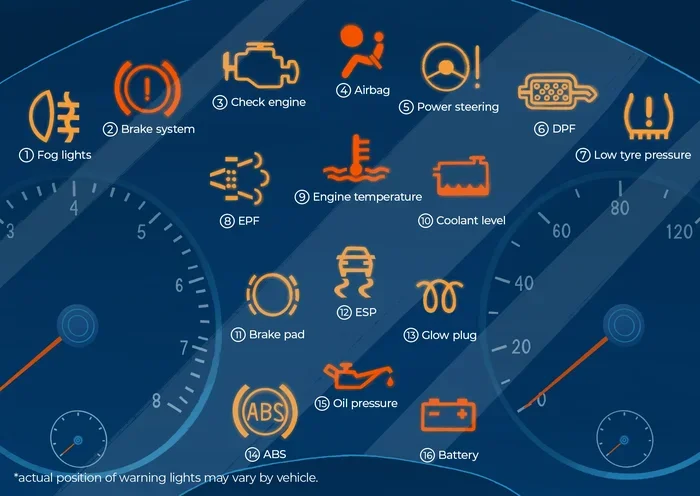
The traction control light usually looks like a car with wavy lines behind it or the letters TRAC. When it flashes briefly while you start the car, that is normal. It means the system is doing a self-check. But if the light stays on or never goes off, something needs attention.
How the Traction Control System Works
The traction control system relies on several parts working together. Each wheel has a wheel speed sensor that sends data to the car’s computer. The computer compares the speed of all four wheels. If one wheel spins faster than the others, the system intervenes. It may reduce engine power or apply the brakes to that specific wheel.
This system shares components with the anti-lock braking system, also known as ABS. Both systems use the same sensors and sometimes the same module. That is why you might see the ABS light and the traction control light come on at the same time. It does not always mean both systems are broken, but it does mean there is a shared component that needs checking.
When the Light Comes On and Stays On
A steady traction control warning light means the system has detected a fault. The system may have shut itself off to protect you, or it may still be working at reduced capacity. Either way, you should not ignore it. Even if your car feels fine on dry roads, you may lose that extra grip when you need it most, like on a wet highway or a steep hill.
Common Reasons Why the Traction Control Light Stays On
Now let us get into the meat of the issue. Why does the traction control light stay on? There are several possible reasons, and some are much more common than others. Here is a detailed look at each one.
Faulty Wheel Speed Sensors
The most common reason the traction control light stays on is a bad wheel speed sensor. These small sensors sit near each wheel and measure how fast they are spinning. Over time, they can get dirty, damaged, or simply wear out.
Dirt, mud, and road grime can build up on the sensor. When that happens, the sensor cannot read the wheel speed accurately. The car’s computer sees inconsistent data and triggers the warning light. A cracked sensor housing or a broken wire connecting the sensor can cause the same problem.
One easy way to spot this issue is if the light comes and goes randomly. You might notice it flickers when driving through puddles or on bumpy roads. That is a classic sign of a failing wheel speed sensor.
Damaged or Worn Wheel Speed Rings
Each wheel has a toothed ring, also called a reluctor ring, attached to the hub or axle. The wheel speed sensor reads these teeth as the wheel turns. If the ring gets chipped, cracked, or covered in metal debris, the sensor cannot read it properly.
This causes the same result as a bad sensor: the traction control system loses data and the warning light comes on. Wheel speed rings do not fail often, but they can get damaged in accidents or from hitting potholes and curbs hard.
Bad Traction Control Module
The traction control module is the brain of the system. It processes all the data from the sensors and decides when to intervene. Like any computer, these modules can fail over time. Water damage, electrical surges, or general wear and tear can cause the module to malfunction.
A bad module is less common than a bad sensor, but it is more expensive to fix. If the module fails completely, the entire traction control system shuts down. You will see the light stay on constantly, and you may also notice the ABS light comes on too.
Blown Fuse or Wiring Issues
Sometimes the problem is simple. A traction control fuse can blow just like any other fuse in your car. If the fuse that powers the traction control system blows, the light will come on and stay on.
Wiring problems are another common culprit. Corroded connectors, frayed wires, or a loose plug can interrupt the signal between the sensors and the module. Older cars are especially prone to this because wires can become brittle over time. A short circuit or water getting into a connector can also cause the light to stay on.
Faulty Traction Control Switch
Many cars have a button or switch that lets you turn the traction control system on or off. This is useful when you are stuck in snow or sand and need the wheels to spin freely. But if the switch itself goes bad, it can trigger the traction control warning light even when the system is working fine.
The switch can wear out from repeated use or get stuck in the off position. Some drivers accidentally hit the switch and forget about it, then wonder why the light is on. It sounds simple, but it happens more often than you might think.
Low Brake Fluid Level
Since the traction control system shares components with the braking system, low brake fluid can trigger the light. The ABS module and traction control module both rely on hydraulic pressure to apply the brakes individually to specific wheels.
If your brake fluid is low, the system may not have enough pressure to operate correctly. The car’s computer will flag this as a fault and turn on the warning light. Always check your brake fluid level if you see the traction control light come on, especially if the brake pedal feels different than usual.
ABS System Failure
Because the traction control system and the ABS work together, a failure in the ABS can cause the traction control light to stay on. The anti-lock braking system uses the same sensors and often shares the same control module. If the ABS has a problem, the traction control light usually follows.
Common ABS issues include a failing ABS pump, contaminated brake fluid, or internal wear on the ABS unit. These problems need professional diagnosis and repair.
Aftermarket Modifications
Did you recently install new wheels, tires, or a lift kit? Changes to your car’s wheel size or tire diameter can confuse the traction control system. The sensors expect the wheels to spin at a certain rate based on the original tire size. If you change that, the readings become inaccurate and the light may come on.
Similarly, aftermarket brake kits or suspension upgrades can sometimes interfere with the sensors or wiring. If you have made any modifications to your car, consider whether they might be affecting the traction control system.
How to Diagnose the Problem Yourself
You do not need to be a mechanic to check a few things at home. Many causes of the traction control light stays on issue can be identified with simple steps. Here is how to start diagnosing the problem yourself.
Step 1: Check for Other Warning Lights
Look at your dashboard carefully. Is the traction control warning light the only one on, or are other lights glowing too? If the ABS light is also on, the issue is likely shared between both systems. If you see the check engine light too, that gives you more clues about what might be wrong.
Step 2: Inspect the Wheel Speed Sensors
Pop open the hood and locate the wheel speed sensors. They are usually near the wheels, attached to the suspension or hub. Look for dirt, grease, or damage. You can clean them with a soft cloth and some brake cleaner. Make sure the wiring connectors are plugged in snugly and not corroded.
Step 3: Check the Traction Control Fuse
Open your fuse box and look for the fuse labeled traction control or ABS. Use a fuse tester or visual inspection to check if it is blown. Replace it with a fuse of the same amperage if it is blown. If the new fuse blows again quickly, you have a deeper electrical issue that needs professional attention.
Step 4: Try a Diagnostic Scanner
A car diagnostic scanner is one of the best tools for figuring out why the light is on. You can buy a basic OBD2 scanner for under $30 or borrow one from an auto parts store. Plug it into the diagnostic port under your steering column and read the trouble codes.
The codes will tell you exactly which sensor or system has a problem. For example, a code starting with C0034 might point to a specific wheel speed sensor issue. These codes are your best friend when troubleshooting the traction control light stays on problem.
Step 5: Check the Traction Control Switch
Find the traction control on/off switch in your car. It is usually on the steering column or center console. Press it a few times and see if the light changes. If the switch feels loose or sticks, it might be the problem. Try turning it on and off a few times to see if the light resets.
Can You Still Drive Safely With the Traction Control Light On?
This is one of the most common questions drivers ask when they see the traction control warning light on their dash. The short answer is: yes, you can usually still drive, but with caution.
If the light is steady and not flashing, your car is likely safe to drive on dry roads. The traction control system may be completely disabled, which means your wheels can spin more freely on slippery surfaces. On a sunny day with dry pavement, this does not affect your driving much.
However, you should be very careful in rain, snow, or on icy roads. Without traction control, your car is more likely to slide or lose grip. If the light is flashing, that usually means the system is actively trying to help you maintain control. A flashing light often means the system is working, not that it is broken.
Here are some quick tips for driving safely when the light is on:
- Reduce your speed on wet or icy roads.
- Increase your following distance from the car ahead.
- Avoid sudden acceleration or hard braking.
- Steer smoothly and avoid sharp turns.
- Get the system checked as soon as possible.
If the traction control light stays on and you also notice the brake warning light or the ABS light, take extra care. These combined warnings suggest a more serious issue with your braking system. In that case, have the car towed if possible or drive very slowly to the nearest mechanic.
Traction Control Light Repair Costs
One of the biggest worries drivers have is how much it will cost to fix the traction control light stays on issue. The good news is that costs vary widely depending on the cause. Some fixes are very affordable, while others require a bigger investment.
Here is a rough breakdown of common repair costs:
- Wheel speed sensor replacement: $100 to $250 per sensor, including parts and labor.
- Fuse replacement: $5 to $20. Very affordable and easy.
- Wiring repair: $50 to $200 depending on the extent of the damage.
- Traction control switch replacement: $80 to $150.
- Wheel speed ring replacement: $150 to $350.
- Traction control module replacement: $300 to $800+ depending on the car model.
- ABS module repair: $400 to $1,200 for more complex ABS issues.
Keep in mind these are average costs and can vary based on your car’s make and model. Luxury cars and European brands like BMW, Mercedes, and Audi tend to have higher repair costs. Always get a quote from a trusted mechanic before committing to a repair.
Some auto parts stores will read your diagnostic codes for free. This can save you time and money by helping you pinpoint the issue before visiting a shop. The more information you have, the better equipped you are to make smart decisions about repairs.
How to Prevent the Traction Control Light from Coming On
Prevention is always better than repair, and keeping your traction control system healthy is no different. Here are some simple habits that can help prevent the traction control light stays on problem from happening in the first place.
Keep Your Sensors Clean
Take a moment during routine car washes to wipe down the area around your wheel speed sensors. Dirt and grime buildup is the enemy of these small components. A clean sensor reads accurately and lasts longer.
Check Your Brake Fluid Regularly
Low brake fluid affects more than just your brakes. It can impact the entire anti-lock braking system and traction control system. Make it a habit to check your brake fluid level once a month. Top it off with the correct type of fluid specified in your owner’s manual.
Address Warning Lights Promptly
Do not ignore dashboard lights, even if your car seems to drive fine. A small issue today can become a big problem tomorrow. The earlier you catch and fix a fault, the cheaper and easier the repair will be.
Maintain Your Tires
Worn tires or mismatched tire sizes can confuse the traction control system. Keep your tires properly inflated and replace them when the tread gets low. Uniform tire size and condition help all the sensors and systems work as they should.
Follow Your Car’s Maintenance Schedule
Your owner’s manual has a recommended maintenance schedule for a reason. Regular inspections and servicing catch small issues before they turn into warning lights on your dash. Stick to the schedule and your traction control system will thank you.
Expert Insights on the Traction Control System
Automotive technicians see the traction control light stays on issue every single day. Here is what the pros want you to know.
Most mechanics agree that a faulty wheel speed sensor is the culprit about 70% of the time. The good news is that replacing a sensor is a straightforward job that most shops can do in under an hour. The second most common cause is a wiring or connector issue, especially on older cars that have been exposed to road salt and moisture over the years.
One thing many drivers do not realize is that the traction control system is deeply connected to the overall safety of the car. When this system is disabled, you lose an important layer of protection. The electronic stability control system, which builds on traction control, helps prevent skids and loss of control. Keeping the traction control system in good working order is part of keeping your whole car safe.
Another expert tip is to always use genuine or high-quality aftermarket parts when replacing components. Cheap sensors may seem like a savings, but they often fail again within a few months. Investing in quality parts means fewer trips to the shop and more peace of mind on the road.
Key Takeaways
- Sensor Issues: A dirty or damaged wheel speed sensor is the number one reason the traction control light stays on.
- System Interconnection: The traction control system works closely with the ABS and stability control systems, so one problem can affect both.
- Driving Safety: You can still drive with the light on, but your car may slip on wet or icy roads without traction control assistance.
- DIY Diagnosis: You can check sensors, fuses, and switches at home with basic tools and an OBD2 scanner.
- Repair Costs: Fixing the traction control light costs anywhere from $50 for a fuse to $800+ for a module replacement.
- Prevention: Regular maintenance, clean sensors, and proper tire care keep the system working and prevent warning lights.
- Professional Help: When in doubt, always consult a qualified mechanic for proper diagnosis and repair.
Frequently Asked Questions
Can low tire pressure cause the traction control light to come on?
Yes, it can. Low tire pressure changes the wheel speed and can confuse the traction control sensors. If your tires are underinflated, the system may detect uneven wheel speeds and trigger the warning light. Always keep your tires at the recommended pressure listed in your owner’s manual.
How do I reset the traction control light after fixing the problem?
After you repair the issue, the light may not turn off right away. You can try disconnecting the car battery for 15 minutes and reconnecting it. This resets the car’s computer. You can also use an OBD2 scanner to clear the trouble codes. If the light stays on after these steps, there may be another issue the scanner did not catch.
Is it safe to drive with the traction control light on during winter weather?
It is not recommended. Without a working traction control system, your car is much more likely to slide on ice or snow. If you must drive in winter conditions with the light on, reduce your speed, avoid sudden movements, and drive very carefully. Ideally, get the system repaired before winter weather arrives.
Does the traction control light mean my brakes are bad?
Not necessarily. The traction control system shares some components with the braking system, but the light does not always mean your brakes are failing. It could be a sensor issue, a wiring problem, or a fuse. However, if the brake warning light is also on, you should have your brakes checked immediately.
Can a dead car battery cause the traction control light to come on?
Yes, it can. A weak or dead battery can cause voltage fluctuations that confuse the car’s computer. When the electrical system is unstable, sensors and modules may not communicate properly, triggering warning lights including the traction control light. If your battery is old or weak, have it tested and replaced if needed.
How much does it cost to fix the traction control light?
The cost depends entirely on the cause. A simple fuse replacement costs under $20. Replacing a wheel speed sensor typically runs $100 to $250. More complex repairs like a traction control module can cost $300 to $800 or more. Always get a diagnostic code read first so you know exactly what needs fixing before spending money on repairs.
Conclusion
Seeing the traction control light stays on can be stressful, but it does not have to be a mystery. Most of the time, the cause is something simple and affordable, like a dirty wheel speed sensor or a blown fuse. By understanding what the light means and following the diagnostic steps in this guide, you can take control of the situation and get your car back to full safety.
Remember that the traction control system is one of the most important safety features in your car. It works quietly in the background to keep you stable and in control, especially when road conditions are less than perfect. Taking care of it means taking care of yourself and your passengers.
Do not ignore the warning. Whether you fix the issue yourself or visit a mechanic, getting the traction control light stays on problem resolved quickly is the smartest thing you can do for your car and your safety. Drive smart, stay informed, and keep that system working the way it was designed to work.