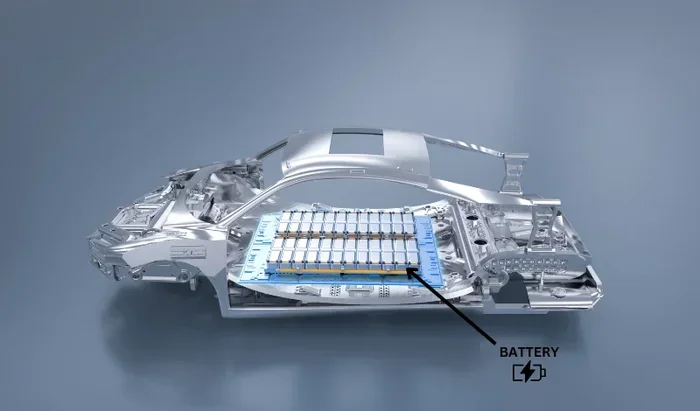
What Is the Life Expectancy of a Hybrid Car Battery
The life expectancy of a hybrid car battery typically ranges from 8 to 15 years or 100,000 to 200,000 miles. Most manufacturers warranty their hybrid car battery for 8 years or 100,000 miles, but many batteries last well beyond that. With proper care and smart driving habits, you can significantly extend your hybrid battery lifespan and save money on replacements.
You bought a hybrid car for better fuel economy and a smaller environmental footprint. That makes sense. But one question keeps popping up: how long will that hybrid car battery actually last?
The short answer? Most hybrid vehicle batteries last between 8 and 15 years. But the full picture is more interesting than that. Your driving habits, climate, and maintenance routine all play a role. Let us walk through everything you need to know about hybrid battery life expectancy in plain, simple terms.
Whether you own a Toyota Prius or are shopping for a new Ford Escape Hybrid, understanding battery longevity helps you make smarter decisions. You will learn what affects battery health, when to expect replacement, and how to get the most miles out of your hybrid powertrain.
Key Takeaways
- Average Lifespan: Most hybrid car batteries last between 8 and 15 years under normal driving conditions.
- Warranty Coverage: Federal regulations require a minimum 8-year/100,000-mile warranty on high-voltage batteries in the U.S.
- Battery Type Matters: Nickel-metal hydride and lithium-ion batteries have different longevity profiles.
- Maintenance Helps: Regular battery health checks and smart driving habits can add years to battery life.
- Replacement Cost: Replacing a hybrid battery can cost $1,000 to $6,000, but refurbished options offer savings.
- Warning Signs: Reduced fuel economy and dashboard warnings are early signals of battery degradation.
📑 Table of Contents
- What Is the Average Life Expectancy of a Hybrid Car Battery?
- What Affects Hybrid Battery Life Expectancy?
- Types of Hybrid Car Batteries and Their Lifespan
- How to Extend the Life of Your Hybrid Car Battery
- How Much Does It Cost to Replace a Hybrid Car Battery?
- Hybrid Car Battery Warranty: What You Need to Know
- Signs Your Hybrid Car Battery Is Failing
- The Bottom Line on Hybrid Car Battery Life Expectancy
What Is the Average Life Expectancy of a Hybrid Car Battery?
Most hybrid car batteries are designed to last the lifetime of the vehicle. But “lifetime” means different things to different people. In real-world terms, expect your hybrid battery lifespan to fall somewhere between 8 and 15 years.
Here is what the data tells us:
- Typical Range: 8 to 15 years or 100,000 to 200,000 miles.
- Best-Case Scenario: Some drivers report hybrid battery longevity beyond 200,000 miles.
- Worst-Case Scenario: Extreme conditions can shorten battery life to 6 years or less.
The battery management system in your car works hard to keep things balanced. It monitors cell health, temperature, and charge levels. This built-in intelligence is one reason modern hybrid vehicles last so long.
How Manufacturers Define “End of Life”
Manufacturers do not wait for a battery to completely die. They define battery degradation as the point when capacity drops below 80%. At that stage, you might notice reduced fuel economy or warning lights on your dashboard.
But here is the good news. A battery at 80% capacity still works fine for daily driving. It just will not hold as much charge as it once did. Many owners continue driving for years at this level without any major issues.
What Affects Hybrid Battery Life Expectancy?
Not all hybrid car batteries age the same way. Several factors determine how long your battery will actually last. Let us break them down.
Driving Habits
How you drive has a big impact on battery health. Aggressive acceleration and hard braking put extra stress on the hybrid powertrain. Smooth, steady driving helps the regenerative braking system work efficiently and reduces wear.
Try to avoid these habits:
- Racing the engine from a stoplight.
- Braking hard at every intersection.
- Carrying heavy loads constantly.
- Using electrical accessories at maximum power all the time.
On the flip side, gentle acceleration and gradual braking help your electric motor and battery work in harmony. Think of it like treating your car with care.
Climate and Temperature
Extreme heat is the number one enemy of hybrid car batteries. High temperatures speed up chemical reactions inside the battery cells. This accelerates battery capacity fade over time.
Cold weather is less damaging but still affects performance. In freezing temperatures, your battery may not charge as efficiently. The battery management system compensates, but it adds extra strain.
Quick Tip: If you live in a hot climate, park in the shade or a garage whenever possible. This simple habit can add years to your hybrid battery lifespan.
Maintenance and Care
Like any car part, your hybrid battery benefits from regular attention. You do not need to service it every month, but staying on top of basic maintenance goes a long way.
Key maintenance steps include:
- Keeping the cooling system in good shape.
- Checking the battery management system during routine visits.
- Replacing engine air filters on schedule.
- Using the recommended motor oil.
Types of Hybrid Car Batteries and Their Lifespan
Not all hybrid car batteries are created equal. The type of battery your car uses affects how long it will last. Let us look at the two most common types.
Nickel-Metal Hydride (NiMH) Batteries
NiMH batteries have been the standard in hybrid vehicles for decades. Toyota has used them in the Prius and other models since the late 1990s.
Here is what you should know about NiMH battery life expectancy:
- They are durable and proven.
- Typical lifespan: 10 to 15 years.
- They handle heat better than early lithium-ion designs.
- They are heavier than newer alternatives.
Many Toyota hybrid batteries with over 200,000 miles are still running strong. That is a testament to NiMH reliability.
Lithium-Ion (Li-ion) Batteries
Newer hybrid cars and plug-in hybrids use lithium-ion batteries. These are lighter, more energy-dense, and more efficient than NiMH options.
Key facts about lithium-ion hybrid batteries:
- They offer better fuel efficiency.
- Typical lifespan: 10 to 15 years, similar to NiMH.
- They are more sensitive to extreme heat.
- They degrade more slowly over time.
Brands like Ford, Honda, and Hyundai now use lithium-ion in their hybrid powertrains. The technology continues to improve with each model year.
Comparison Table: NiMH vs. Lithium-Ion
| Feature | Nickel-Metal Hydride | Lithium-Ion |
|---|---|---|
| Typical Lifespan | 10-15 years | 10-15 years |
| Weight | Heavier | Lighter |
| Heat Tolerance | Better | Good (with cooling) |
| Energy Density | Lower | Higher |
| Cost to Replace | $1,500-$3,000 | $2,000-$6,000 |
| Common In | Toyota Prius, older models | Ford, Honda, Hyundai hybrids |
How to Extend the Life of Your Hybrid Car Battery
Want your hybrid car battery to outlast the warranty? Good news. There are real, practical steps you can take. Most of them cost nothing and take almost no extra time.
1. Drive Smoothly
Gentle driving is the single best thing you can do for battery health. Accelerate gradually and coast to stops when possible. Your regenerative braking system will recharge the battery more efficiently.
2. Monitor Battery Health Regularly
Ask your mechanic to check the battery management system during oil changes or scheduled services. Many shops can run a diagnostic scan that shows battery cell balance and overall health.
Quick Tip: Some hybrid vehicles let you check battery status through the dashboard display. Learn where to find this on your specific model.
3. Keep the Cooling System in Shape
The high-voltage battery needs proper cooling to perform well. Make sure your coolant levels are correct and the cooling fans work properly. Overheating is one of the fastest ways to damage any hybrid battery.
4. Avoid Deep Discharges
Try not to let your battery drain completely before recharging. Deep discharges stress the cells and speed up battery degradation. Keep your charge level between 20% and 80% for optimal health.
5. Use the Right Charging Practices
If you drive a plug-in hybrid, use the manufacturer-recommended charger. Avoid cheap aftermarket chargers that may deliver inconsistent power. Consistent, clean charging helps maintain battery capacity fade at a minimum.
Common Mistakes That Shorten Battery Life
Here are things that hurt your hybrid battery more than you might think:
- Ignoring warning lights. If your dashboard shows a battery warning, get it checked immediately.
- Skipping regular maintenance. Neglecting oil changes and coolant flushes affects battery cooling.
- Driving in extreme heat without breaks. Long road trips in hot weather without rest stops can overheat the pack.
- Using aftermarket electronics without proper installation. Improper wiring can drain the high-voltage battery unexpectedly.
How Much Does It Cost to Replace a Hybrid Car Battery?
Nobody wants to hear this, but hybrid battery replacement is one of the bigger expenses you might face. The cost varies widely depending on your car model, battery type, and whether you go new or refurbished.
New Battery Costs
A brand-new hybrid car battery typically costs between $2,000 and $6,000. Labor adds another $500 to $1,000 in most cases. That brings the total to roughly $2,500 to $7,000.
Here are some examples:
- Toyota Prius: $2,200-$3,500 for the battery pack.
- Ford Escape Hybrid: $3,000-$5,000 for the battery pack.
- Honda Civic Hybrid: $2,000-$3,000 for the battery pack.
Refurbished and Remanufactured Options
A refurbished hybrid battery can cost 40% to 60% less than a new one. Many reputable shops offer refurbished packs with warranties of 1 to 3 years.
Expert Insight: “A remanufactured hybrid battery is often just as reliable as a new one,” says automotive engineer Mark Stevenson. “The cells are tested, weak ones are replaced, and the pack is reassembled to factory standards.”
Is Replacement Worth It?
In most cases, yes. If your car is otherwise in good shape, replacing the hybrid battery can add 5 to 10 more years of reliable service. The fuel efficiency gains of a hybrid vehicle often outweigh the replacement cost over time.
Hybrid Car Battery Warranty: What You Need to Know
One of the best protections you have is the battery warranty. Federal law in the United States requires manufacturers to cover hybrid vehicle batteries for at least 8 years or 100,000 miles, whichever comes first.
But many brands go beyond the minimum:
- Toyota: 10-year/150,000-mile warranty on hybrid batteries in some states.
- Honda: 8-year/100,000-mile warranty nationwide.
- Ford: 8-year/100,000-mile warranty on hybrid powertrain components.
Read the fine print. Some warranties cover the entire battery pack, while others only cover specific components. And keep your service records. You will need proof of regular maintenance if you ever file a claim.
Signs Your Hybrid Car Battery Is Failing
Knowing the warning signs of battery degradation can save you from getting stranded. Watch for these red flags:
- Reduced Fuel Economy. If your miles per gallon drop noticeably, the battery may not be holding charge properly.
- Dashboard Warning Lights. A triangle or battery icon on the dash means something is wrong with the hybrid system.
- Rough Idle or Stalling. A failing battery can cause the engine to run unevenly or shut off unexpectedly.
- Charging Issues. If the battery does not hold a charge after driving, the cells may be damaged.
- Unusual Noises. Hissing or clicking sounds near the battery pack can indicate internal problems.
Do not ignore these signs. Catching battery degradation early gives you time to plan for repair or replacement without getting stuck.
The Bottom Line on Hybrid Car Battery Life Expectancy
The life expectancy of a hybrid car battery is impressive. Most hybrid car batteries last 8 to 15 years or more with proper care. That is longer than many people expect.
Your driving style, climate, and maintenance routine all shape how long your battery will last. Drive smoothly, keep up with service, and watch for warning signs. These simple habits pay off in the long run.
If you do need a replacement, know that costs have come down over the years. Refurbished options offer real savings, and the battery warranty covers most early failures.
Bottom line: a hybrid vehicle is a smart long-term investment. The hybrid powertrain is built to last, and the hybrid battery is the heart of that system. Treat it well, and it will serve you for many miles to come.
So the next time someone asks how long a hybrid car battery lasts, you have the answer. It is not just about the numbers on paper. It is about how you drive, how you maintain, and how well you take care of your hybrid car over time.
Frequently Asked Questions
How long do hybrid car batteries really last?
Most hybrid car batteries last between 8 and 15 years, or 100,000 to 200,000 miles. With proper care, some batteries exceed 200,000 miles. Your driving habits and climate play a big role in determining actual hybrid battery lifespan.
How much does it cost to replace a hybrid car battery?
Replacement costs range from $2,000 to $6,000 for a new battery pack, plus $500 to $1,000 for labor. Refurbished options can cut that cost by 40% to 60%. The final price depends on your car model and battery type.
Can you drive a hybrid car with a bad battery?
You can drive short distances, but performance drops significantly. A failing hybrid battery reduces fuel economy and may cause stalling. It is best to address battery degradation early before it leaves you stranded.
Does hot weather kill hybrid car batteries faster?
Yes, extreme heat is one of the biggest enemies of hybrid battery life expectancy. High temperatures accelerate chemical breakdown inside the cells. Parking in shade or a garage helps protect your high-voltage battery from heat damage.
Are hybrid car batteries covered under warranty?
Federal law requires at least an 8-year or 100,000-mile warranty on hybrid vehicle batteries in the U.S. Many manufacturers, like Toyota, offer longer coverage. Always check your specific warranty details and keep service records.
How can I make my hybrid battery last longer?
Drive smoothly, avoid extreme temperatures when possible, keep up with regular maintenance, and monitor battery health during service visits. These simple steps can add several years to your hybrid car battery life.
=== CONCLUSION ===
The life expectancy of a hybrid car battery is a topic worth understanding. Whether you already own a hybrid car or are thinking about buying one, knowing what to expect helps you plan ahead.
Most hybrid batteries last 8 to 15 years, and many go well beyond that with proper care. The key is simple: drive gently, stay on top of maintenance, and watch for early warning signs of battery degradation.
Your hybrid battery is a durable, well-engineered component. It is designed to serve you for the long haul. Treat it right, and it will reward you with years of reliable, efficient driving. Take action today, and your future self will thank you every time you turn the key.