What Is the Code E-32 on a Forklift You Need to Know
Code E-32 on a forklift is a diagnostic trouble code that signals a problem with the hydraulic system or a related component. This forklift error code can appear on the control panel display and should never be ignored. Understanding what triggers this code and how to address it quickly can save you from costly repairs and keep your lift truck running safely in the warehouse or worksite.
Every day, thousands of forklifts hum through warehouses, distribution centers, and construction sites. They lift heavy loads with precision and power. But when a warning light flashes on the control panel display, it can throw even experienced operators into a panic. One code that shows up often is Code E-32 on a forklift. If you have seen this diagnostic code on your machine, you are not alone. And more importantly, you do not need to guess what it means anymore.
This guide breaks down everything you need to know about Code E-32. We will walk through what it means, why it happens, and exactly how to fix it. Whether you are a warehouse manager, a forklift operator, or a maintenance technician, this article gives you the answers you need. Let us dive in and take the mystery out of this common forklift error code.
Code E-32 on a forklift is not just a random number. It is your machine talking to you. Modern lift trucks come equipped with sophisticated forklift sensors and onboard computers that monitor every system. When something goes wrong, the forklift dashboard lights up with a code. E-32 is one of the most frequently encountered codes in the industry. Understanding it is the first step toward keeping your equipment running smoothly and your workplace safe.
Key Takeaways
- Code E-32 is a hydraulic-related error: It typically points to issues with hydraulic pressure, fluid levels, or sensor malfunctions in your forklift.
- Early detection prevents major repairs: Addressing the E-32 code quickly can save you thousands of dollars in repair costs and downtime.
- Basic troubleshooting is doable: Many causes of E-32 can be checked and fixed by trained operators without calling a specialist.
- Regular maintenance is the best prevention: A solid forklift maintenance schedule keeps error codes like E-32 from returning.
- Know when to call a pro: Some E-32 triggers require professional forklift repair expertise, especially internal hydraulic failures.
- OSHA compliance matters: Ignoring error codes can violate safety standards and put operators at risk.
📑 Table of Contents
Understanding Forklift Error Codes
What Are Diagnostic Trouble Codes?
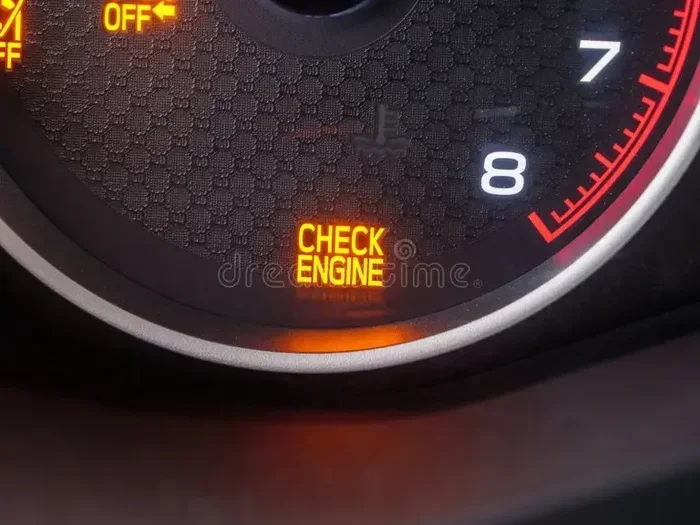
Every modern forklift has an onboard diagnostic system. Think of it like the check engine light in a car. When a sensor detects something outside normal range, it triggers a diagnostic code. These codes help technicians and operators pinpoint problems fast. Each code corresponds to a specific system or component. Code E-32 on a forklift falls into the hydraulic category, which covers everything from fluid levels to pump performance.
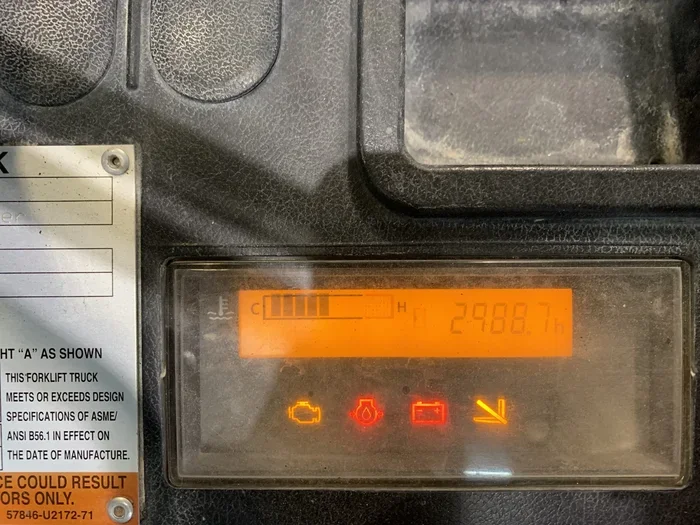
The control panel display on your forklift shows these codes in an easy-to-read format. Some older models use blinking lights. Newer units have full digital screens. Either way, the message is the same: something needs attention. Ignoring these forklift warning lights is the fastest way to turn a small problem into a big one.
Why Forklifts Display Error Codes
Forklifts work in tough environments. Dust, moisture, temperature changes, and heavy loads all put stress on the machine. The diagnostic system constantly monitors key parameters like hydraulic pressure, fluid temperature, and sensor feedback. When any of these fall outside safe operating limits, the system flags it with a code. This built-in protection helps prevent equipment damage and keeps operators safe.
There are hundreds of possible forklift error codes. Each letter prefix tells you which system is affected. The “E” in E-32 stands for electrical or electronic, and the number narrows it down to a specific fault. Understanding this system takes the guesswork out of troubleshooting.
What Does Code E-32 Mean on a Forklift?
The Technical Definition of E-32
Code E-32 on a forklift is a signal that the hydraulic system has detected an abnormality. This could mean low hydraulic pressure, a failing hydraulic pump, or a problem with the hydraulic cylinder. In most cases, the code points to a loss of pressure or flow that affects the forklift’s lifting and tilting functions.
The exact meaning can vary slightly depending on the manufacturer. Brands like Toyota, Crown, Hyster, Yale, and Komatsu all use E-32 codes, but each may interpret it a little differently. Always check your owner’s manual for the specific definition. However, the core issue is almost always hydraulic in nature.
How Different Manufacturers Interpret E-32
Here is a quick look at how some major forklift brands interpret Code E-32:
- Toyota: E-32 typically indicates a hydraulic pressure switch malfunction or low system pressure.
- Crown: On Crown units, E-32 often relates to a hydraulic valve position sensor error.
- Hyster: Hyster forklifts use E-32 to flag hydraulic oil temperature exceeding safe limits.
- Yale: Yale models may show E-32 when the hydraulic pump motor draws too much current.
- Komatsu: Komatsu interprets E-32 as a general hydraulic system fault requiring immediate inspection.
No matter the brand, the takeaway is the same: Code E-32 on a forklift means the hydraulic system needs attention. Do not keep operating the machine until the issue is resolved.
Common Causes of the E-32 Error
Hydraulic System Issues
The most common reason for Code E-32 is a problem within the hydraulic system itself. This includes worn seals, damaged hoses, or a failing hydraulic pump. When any of these components break down, the system loses pressure. The sensors detect this drop and trigger the error code immediately.
Another frequent culprit is air trapped in the hydraulic lines. Air pockets disrupt the smooth flow of fluid and cause pressure fluctuations. This is especially common after a hydraulic line has been opened for repair or maintenance. Bleeding the system properly after any service work can prevent this issue.
Sensor and Electrical Problems
Sometimes the problem is not the hydraulic system itself but the sensors that monitor it. A faulty pressure sensor, a damaged wiring harness, or a loose connector can all trigger Code E-32 even when the hydraulic system is working fine. This is called a false positive, and it happens more often than you might think.
Corrosion on electrical connections is another hidden cause. Forklifts work in environments with moisture, chemicals, and debris. Over time, this can corrode sensor connectors and cause intermittent fault codes. A simple cleaning or reconnection often solves the problem.
Fluid Level and Temperature Concerns
Forklift hydraulic fluid plays a critical role in system performance. If the fluid level drops too low, the pump cannot maintain proper pressure. This directly triggers Code E-32. Low fluid levels usually point to a leak somewhere in the system. Check all hoses, fittings, and seals for signs of dripping or pooling.
Fluid temperature is another factor. Overheated hydraulic fluid loses its viscosity and cannot lubricate the system properly. This is common during heavy, continuous use in hot environments. Some forklift models are programmed to trigger E-32 when the fluid temperature exceeds a set threshold. Letting the machine cool down and checking the fluid condition often resolves this.
Expert Insight: Experienced forklift technicians always check the hydraulic fluid first when E-32 appears. It is the simplest fix and the most commonly overlooked one. A quick dipstick check can save hours of diagnostic work.
Step-by-Step Troubleshooting for E-32
Initial Checks You Can Do
Before you call for help, there are several basic checks you can perform. These steps take only a few minutes and can identify the cause in many cases.
- Check the hydraulic fluid level. Locate the reservoir and use the dipstick or sight glass. If the level is low, top it off with the manufacturer-recommended fluid.
- Inspect for visible leaks. Look under the forklift and around hoses and fittings. Any sign of dripping or wet spots needs attention.
- Check the fluid condition. Dark, burnt-smelling fluid means it needs to be changed. Contaminated fluid can cause sensor malfunctions.
- Listen for unusual noises. A whining or groaning sound from the hydraulic pump often indicates low pressure or air in the system.
- Check all electrical connections. Look for loose wires, corroded connectors, or damaged harnesses near the hydraulic sensors.
Using the Forklift Diagnostics Panel
Most modern forklifts have a diagnostics mode built into the control panel display. This mode lets you read live sensor data and see which values are out of range. Accessing diagnostics varies by brand, but it usually involves holding a combination of buttons on the display panel.
Once in diagnostics mode, look for the hydraulic pressure reading. Compare it to the normal range listed in your operator manual. If the pressure is significantly below normal, the issue is likely mechanical. If the reading looks normal, the problem is probably a sensor or wiring issue. This distinction is crucial for guiding your next steps.
When to Reset the Error Code
After fixing the root cause, you may want to reset Code E-32 on the forklift dashboard. Some forklifts allow you to clear the code through the diagnostics menu. Others require a service tool connected to the diagnostic port.
Here is an important rule: never reset the code without fixing the underlying problem first. Resetting a code just to clear the warning light is a common mistake. The code will return, and you will have wasted time. Always verify the fix by running the forklift through its full range of motions before clearing the code.
Quick Tips:
- Keep a log of every error code and how you resolved it. This maintenance history is invaluable for future troubleshooting.
- Use only the hydraulic fluid recommended by your forklift manufacturer. Wrong fluid can cause sensor errors and system damage.
- Train your operators to report forklift warning lights immediately. Early reporting prevents small issues from becoming big repairs.
Preventing Code E-32 from Returning
Regular Maintenance Schedule
The best way to deal with Code E-32 on a forklift is to prevent it from happening in the first place. A consistent forklift maintenance schedule is the foundation of prevention. Here is what a solid routine looks like:
- Daily: Check hydraulic fluid level before each shift. Inspect for visible leaks. Listen for unusual sounds during operation.
- Weekly: Inspect all hydraulic hoses and fittings for wear, cracks, or bulging. Check sensor connections for corrosion or looseness.
- Monthly: Replace hydraulic fluid and filters according to the manufacturer’s schedule. Bleed the system if any lines were opened.
- Quarterly: Have a technician test hydraulic pressure across all functions. Calibrate sensors to ensure accurate readings.
- Annually: Perform a full hydraulic system inspection. Replace any worn seals, hoses, or components showing signs of fatigue.
Operator Best Practices
Operators play a huge role in preventing error code E-32 and other issues. Simple habits make a big difference. Always let the forklift warm up for a few seconds before lifting heavy loads. Avoid overloading the mast beyond rated capacity, as this puts extreme stress on the hydraulic cylinder and pump. Never let the fluid level run low between service intervals.
Proper forklift operator training also helps. Trained operators know what normal performance feels and sounds like. They can spot problems early and report them before the error code even appears. This proactive approach reduces downtime and extends the life of the equipment.
When to Call a Professional Mechanic
Red Flags That Require Expert Help
Not every Code E-32 situation is a DIY fix. Some problems require the skills of a qualified forklift repair specialist. You should call a professional if you notice any of the following:
- The hydraulic fluid is leaking from internal components that are not easily accessible.
- The hydraulic pump makes grinding or clunking noises, indicating internal damage.
- The error code returns immediately after you reset it, even after topping off fluid and checking for leaks.
- The forklift lifts unevenly or drifts while carrying a load, suggesting a hydraulic cylinder failure.
- Multiple error codes appear alongside E-32, which could indicate a deeper electrical or control system issue.
Finding the Right Forklift Technician
When you need professional help, choose a technician who specializes in your forklift brand. Factory-trained technicians have access to the latest diagnostic tools and OEM parts. They also understand the specific quirks of different models. Ask your local dealer for recommendations or check reviews from other warehouse managers in your area.
Keep in mind that timely forklift repair saves money in the long run. A small hydraulic issue left unaddressed can damage the pump, the motor, and other expensive components. The cost of a quick repair is always less than the cost of a major breakdown.
Common Mistakes to Avoid:
- Ignoring the code: Some operators clear the light and keep working. This is dangerous and can lead to complete hydraulic failure.
- Using the wrong fluid: Not all hydraulic fluids are the same. Using the wrong one can damage seals and trigger sensor errors.
- Skipping fluid changes: Old, contaminated fluid loses its effectiveness and can cause pressure problems that lead to E-32.
- Over-tightening fittings: This can crack fittings and create new leaks. Always follow torque specifications.
Key Takeaways
- Code E-32 on a forklift is a hydraulic system alert that should never be ignored. It signals low pressure, fluid issues, or sensor problems.
- Forklift error codes like E-32 are your machine’s way of communicating. Learning to read them is a valuable skill for any operator or manager.
- Basic troubleshooting starts with checking fluid levels, looking for leaks, and inspecting electrical connections. Many E-32 issues can be resolved this way.
- Regular maintenance is the single best way to prevent Code E-32 from appearing. Stick to a consistent service schedule.
- OSHA safety standards require that all equipment warnings be taken seriously. Ignoring error codes can create workplace hazards and compliance issues.
- Know your limits. Some hydraulic problems need professional forklift repair. Do not hesitate to call a technician when the situation calls for it.
Conclusion
Code E-32 on a forklift is one of those things that can seem intimidating at first glance. But as we have covered in this guide, it is manageable once you understand what is happening. The code is simply your lift truck telling you that the hydraulic system needs attention. Whether it is a low fluid level, a faulty sensor, or a worn pump, the root cause is almost always something you can identify and fix.
The key is to act quickly. Every hour you ignore a forklift error code, you risk turning a minor repair into a major one. Keep your maintenance schedule tight, train your operators well, and always take warning lights seriously. Your equipment, your team, and your bottom line will all benefit.
Remember, Code E-32 on a forklift is not a reason to panic. It is a reason to check, diagnose, and fix. With the knowledge you now have, you are better equipped to handle it confidently. Stay proactive, keep your warehouse equipment in top shape, and your forklifts will keep running reliably for years to come.
Frequently Asked Questions
What does Code E-32 mean on a forklift?
Code E-32 on a forklift is a diagnostic trouble code that indicates a problem with the hydraulic system. It usually signals low hydraulic pressure, a failing pump, low fluid levels, or a sensor malfunction. The exact meaning can vary slightly by manufacturer, but the core issue is always related to hydraulics.
Can I keep operating my forklift if Code E-32 appears?
No, you should not continue operating the forklift when Code E-32 is active. Continuing to use the machine can cause further damage to the hydraulic system and create safety hazards. Stop operations, check the fluid level and for visible leaks, and address the issue before resuming use.
How do I fix Code E-32 on my forklift?
Start by checking the hydraulic fluid level and topping it off if needed. Inspect hoses and fittings for leaks. Check electrical connections to the hydraulic sensors. If the fluid is contaminated or the pump is making unusual noises, you may need professional forklift repair. Always fix the root cause before resetting the code.
Is Code E-32 covered under forklift warranty?
It depends on your warranty terms and the cause of the error. If Code E-32 is caused by a manufacturing defect or a component failure, it is typically covered. However, damage from neglect, misuse, or lack of regular forklift maintenance is usually not covered. Check with your dealer or warranty provider for specific details.
How can I prevent Code E-32 from appearing again?
The best prevention is a consistent forklift maintenance schedule. Check hydraulic fluid levels daily, replace fluid and filters on schedule, inspect hoses and fittings regularly, and train operators to report warning signs early. Proper forklift operator training and adherence to OSHA safety standards also play a big role in prevention.
What is the difference between Code E-32 and other forklift error codes?
The letter prefix in a forklift error code tells you which system is affected. The “E” prefix in E-32 relates to electrical or electronic faults, while the number 32 specifically points to a hydraulic system abnormality. Other codes may relate to the engine, transmission, or steering systems. Always refer to your forklift’s manual for the full code list and definitions.