How to Turn Traction Control Back On the Right Way
Knowing how to turn traction control back on is essential for every driver. This guide walks you through the exact steps to reset and reactivate your traction control system safely. You will learn why the system shuts off, how to fix common issues, and what to do if the warning light stays on.
You are driving down a wet road. Suddenly, your traction control light pops up on the dashboard. Your heart skips a beat. You wonder if your car is broken. But here is the good news. Learning how to turn traction control back on is easier than you think.
Traction control is one of the most important safety features in modern vehicles. It helps your car grip the road when conditions get slippery. It prevents wheel spin during acceleration. And it keeps you stable when the road surface is uneven. But sometimes, this system turns off by accident. Maybe you hit a button without realizing it. Maybe a sensor fails. Or maybe a fuse blows out. Whatever the reason, you need to know how to fix it. This guide will show you exactly how to do that. We will cover every method, every common problem, and every tip you need. By the end, you will feel confident about handling your traction control system like a pro.
So let us dive right in. No fluff. No confusing jargon. Just clear, simple steps that actually work. Whether you drive a sedan, SUV, or truck, this guide has you covered.
Key Takeaways
- Easy Reset Process: Most vehicles let you turn traction control back on with a simple button press or ignition cycle.
- Common Causes: A faulty sensor, blown fuse, or manual switch often causes the system to shut off.
- Safety First: Always reactivate traction control before driving on normal roads for optimal stability.
- DIY Fixes Work: Many traction control issues can be resolved at home without a mechanic.
- Know Your Vehicle: The process varies slightly by make and model, so check your owner manual.
- Warning Lights Matter: A persistent traction control light signals a deeper problem that needs attention.
📑 Table of Contents
- What Is Traction Control and Why Does It Matter?
- Why Does Traction Control Turn Off?
- How to Turn Traction Control Back On: Step-by-Step Guide
- When the Traction Control Light Stays On
- Driving Safely with Traction Control Off
- Common Mistakes People Make with Traction Control
- Expert Tips for Keeping Your Traction Control System Healthy
- Key Takeaways
- Frequently Asked Questions
- Final Thoughts
What Is Traction Control and Why Does It Matter?
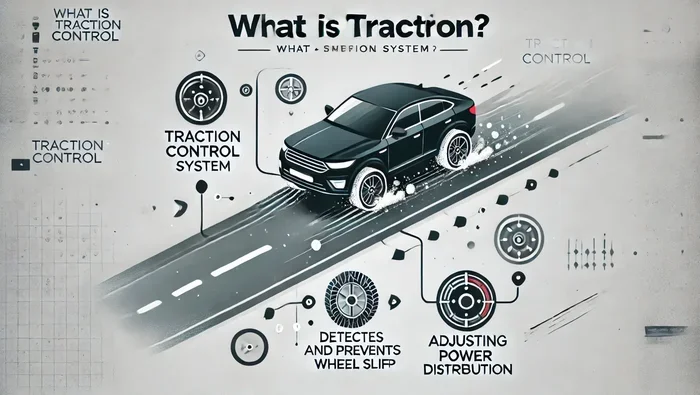
Before we get into the how-to, let us quickly talk about what traction control actually does. Understanding the basics makes everything easier. Traction control is a safety system that limits wheel spin when you accelerate. It works closely with your car’s anti-lock braking system, or ABS. Together, these systems keep your vehicle stable on slippery surfaces. When one or more wheels start to slip, the system reduces engine power or applies the brakes to that wheel. This helps you maintain grip.
You rely on traction control every day, even when you do not notice it. Driving on rain-soaked roads? Traction control helps. Accelerating on gravel or ice? Traction control steps in. It is always working behind the scenes to keep you safe. That is why knowing how to turn traction control back on matters so much. If the system is off, you lose that extra layer of protection. Your wheels can spin freely. Your car can slide. And your stopping distance can increase dramatically.
How the System Works
Your traction control system uses sensors on each wheel. These sensors monitor wheel speed. When the computer detects that one wheel is spinning faster than the others, it takes action. It may reduce fuel delivery to the engine. It may apply the brake to the spinning wheel. Or it may do both. All of this happens in a fraction of a second. The system is designed to be automatic and seamless. You should never have to think about it while driving on a normal road.
Why Does Traction Control Turn Off?
There are several reasons why your traction control might deactivate. Understanding these reasons helps you prevent the problem from happening again. Let us look at the most common causes.
You Accidentally Pressed the Button
This is the number one reason. Many vehicles have a traction control button on the center console or steering wheel. You might bump it while adjusting your radio or reaching for something. When you do, the system shuts off. The dashboard light comes on to let you know. It is a simple mistake, but it happens all the time. The good news is that turning it back on is usually just as simple.
A Faulty Wheel Speed Sensor
Your traction control depends on wheel speed sensors. These small devices sit near each wheel and monitor rotation speed. If one sensor gets dirty, damaged, or fails, the system shuts down as a safety measure. The car does this to prevent incorrect data from causing problems. A faulty sensor is one of the most common reasons the traction control light stays on even after you try to reset it.
Blown Fuse or Electrical Issue
Every electronic system in your car relies on fuses. If a fuse blows, the circuit breaks. The traction control module loses power. When this happens, the system goes offline. You will see the warning light on your dashboard. Checking your fuse box is a quick and easy step. Often, replacing a cheap fuse brings the entire system back to life.
Low Battery Voltage
Your car’s electrical systems need steady power to work correctly. If your battery is weak or dying, the traction control system may shut off. This often happens alongside other electrical warnings. If your headlights dim or your battery light comes on, get the battery checked soon.
ABS System Malfunction
Since traction control and ABS share many components, a problem with one affects the other. If your ABS module has an issue, traction control will likely deactivate too. This is a more serious problem that may require professional diagnosis.
How to Turn Traction Control Back On: Step-by-Step Guide
Now for the part you came here for. Here is exactly how to reactivate your traction control system. Follow these steps in order. Most of the time, the first method will work just fine.
Method 1: Press the Traction Control Button
This is the simplest and most common way to turn traction control back on. Here is what to do:
- Start your engine and let it idle for a few seconds.
- Look for the traction control button. It is usually on the center console, steering column, or dashboard area. Check your owner manual if you are not sure where it is.
- Press the button once. You should see the traction control light on the dashboard turn off.
- Drive the car slowly for a few feet. The system should now be fully active again.
That is it. In most cases, this one simple step solves the problem entirely. The system light goes off, and you are back to full safety protection.
Method 2: Turn the Ignition Off and On
Sometimes the system needs a full reset. This method works like restarting your computer. It clears temporary glitches and refreshes the electronic control unit. Here is how to do it:
- Pull over to a safe spot and stop the car completely.
- Turn the ignition key to the off position. Wait at least 30 seconds.
- Turn the ignition back on. Do not start the engine yet. Just let the dashboard lights come on.
- Wait another 10 seconds, then start the engine.
- Check the dashboard. The traction control light should be off now.
This method works wonders for minor electrical glitches. It resets the connection between the traction control module and the car’s main computer.
Method 3: Check and Replace the Fuse
If the button press and ignition reset do not work, a blown fuse might be the culprit. Here is how to check it:
- Turn off the engine and remove the key from the ignition.
- Locate your fuse box. It is usually under the dashboard on the driver side or in the engine bay. Your owner manual will show you the exact location.
- Find the fuse labeled for traction control or ABS. Again, your manual will help you identify it.
- Remove the fuse and inspect it. Look for a broken metal strip inside the fuse.
- If the fuse is blown, replace it with one of the same amperage rating.
- Start the engine and check if the traction control light is off.
This fix costs almost nothing. A pack of replacement fuses runs just a few dollars at any auto parts store. It is one of the easiest and cheapest repairs you can do yourself.
Method 4: Disconnect the Battery
If none of the above methods work, try disconnecting the battery. This fully resets the car’s computer system. Here is what to do:
- Park the car on a flat surface and turn off the engine.
- Open the hood and locate the battery.
- Use a wrench to loosen the negative battery cable first. Always disconnect the negative terminal first for safety.
- Wait at least five minutes. This lets the computer fully reset.
- Reconnect the negative cable and tighten it securely.
- Start the engine and check the dashboard lights.
How to turn traction control back on often comes down to a simple computer reset. Disconnecting the battery forces the car to reboot its electronic systems. Many stubborn warning lights disappear after this step.
When the Traction Control Light Stays On
You have tried all the steps. You pressed the button, reset the ignition, checked the fuse, and even disconnected the battery. But the light is still on. What now? A persistent traction control warning light means something deeper is going on. Let us look at what could be causing it and what you should do next.
Check the Wheel Speed Sensors
Dirty or damaged wheel speed sensors are the most common reason for a persistent light. These sensors sit close to the wheels and can get covered in road grime, mud, or rust. Cleaning them with a soft cloth and some brake cleaner often fixes the problem. If the sensor is physically damaged, you will need to replace it. Replacement sensors are affordable and easy to install in most vehicles.
Inspect the Wiring
Over time, wires can corrode, fray, or become loose. Check the wiring harness that connects to the traction control module. Look for any visible damage or disconnected plugs. A loose connection can cause the entire system to malfunction. Tightening or repairing the wiring often resolves the issue.
Visit a Mechanic
If you have tried everything and the light still won’t go away, it is time to see a professional. A mechanic can run a diagnostic scan on your car’s computer. This scan reads error codes that point to the exact problem. It could be a failing traction control module, a bad ABS pump, or an issue with the steering angle sensor. A professional diagnosis saves you time and prevents you from replacing parts you do not need.
Driving Safely with Traction Control Off
There are times when you actually want traction control off. Driving on deep snow or mud, for example. In these situations, you want the wheels to spin freely so the car can gain momentum. But driving with the system off on normal roads is risky. Here are some important safety tips to keep in mind.
When It Is Okay to Drive with Traction Control Off
- You are stuck in deep snow or mud and need wheel spin to get unstuck.
- You are driving on a very icy road and need to rock the car back and forth.
- You are on a racetrack or closed course and need full wheel control.
When You Must Turn It Back On
- You are driving on wet pavement or rain-soaked roads.
- You are on a highway or interstate with normal traffic.
- Road conditions are dry but the surface is uneven or gravelly.
- You are driving in the city or through residential areas.
Turning traction control back on should always be your first priority once you are out of a tricky situation. The system exists to protect you. Driving without it on regular roads increases your risk of losing control. It also increases your stopping distance significantly. Never leave it off longer than necessary.
Common Mistakes People Make with Traction Control
Even experienced drivers make mistakes with their traction control system. Here are the most common ones and how to avoid them.
Ignoring the Warning Light
Many drivers see the traction control light and simply ignore it. They assume it will go away on its own. It might, but it might not. Ignoring the light means you could be driving without a critical safety system. Always investigate the cause and resolve it promptly.
Confusing Traction Control with Stability Control
Some cars have separate switches for traction control and electronic stability control. Others combine them into one button. Read your owner manual carefully so you know exactly what each switch controls. Turning off the wrong system can leave you unprotected in a dangerous situation.
Trying to Drive on Icy Roads with the System Off
Some drivers turn off traction control on ice because they think it helps them move forward. But this is a dangerous gamble. Without traction control, your wheels can spin uncontrollably. You can easily slide into a ditch or collide with another vehicle. Always turn the system back on as soon as road conditions improve.
Skpping Regular Maintenance
Traction control depends on sensors, fuses, and wiring. Like any other part of your car, these components need regular attention. Keeping your car maintained reduces the chances of traction control failures. Simple habits like cleaning your wheel sensors and checking your fuses go a long way.
Expert Tips for Keeping Your Traction Control System Healthy
Prevention is always better than repair. Here are some expert tips to keep your traction control working perfectly year after year.
- Clean your wheel sensors regularly. Road grime builds up fast. A quick wipe every few weeks keeps the sensors reading accurately.
- Check your fuses during routine maintenance. A blown fuse is cheap and easy to fix. Catching it early prevents bigger problems.
- Keep your battery in good condition. A weak battery causes all kinds of electronic issues. Test your battery at least twice a year.
- Read your owner manual. It contains specific information about your car’s traction control system. Knowing your vehicle makes troubleshooting much easier.
- Do not ignore dashboard warning lights. Every light on your dashboard is trying to tell you something. Pay attention and act quickly.
Key Takeaways
- Simple Button Press: In most cases, pressing the traction control button turns the system back on instantly.
- Reset the Ignition: Turning the car off and back on clears temporary glitches that deactivate the system.
- Check the Fuse: A blown fuse is a common and inexpensive cause of traction control failure.
- Disconnect the Battery: A full battery disconnect resets the car’s computer and often fixes stubborn warning lights.
- Address Persistent Lights: A light that stays on signals a deeper issue that needs professional diagnosis.
- Drive Safely: Always reactivate traction control before driving on normal roads for maximum stability and safety.
Frequently Asked Questions
Can I drive without traction control on?
You can drive without traction control, but it is not recommended for normal road conditions. The system helps prevent wheel spin and keeps your car stable. Driving without it on wet or icy roads significantly increases your risk of losing control. Always turn it back on as soon as you are through a tricky driving situation.
Why does my traction control light keep coming back on?
A recurring traction control light usually points to an underlying issue. It could be a dirty wheel speed sensor, a failing ABS module, or a wiring problem. The light coming back after you turn it off means the system is detecting a persistent fault. Have a mechanic run a diagnostic scan to identify the exact cause and fix it properly.
Is it safe to drive with the traction control light on?
Driving with the light on is not ideal. Your traction control system is not functioning, which means you have less stability on slippery surfaces. Short drives to a repair shop are generally okay, but avoid long trips or highway driving until the problem is resolved. Stay cautious and reduce your speed.
How much does it cost to fix a traction control problem?
The cost depends on the cause. Replacing a fuse costs just a few dollars. Cleaning a dirty sensor is free if you do it yourself. A wheel speed sensor replacement typically runs between 100 and 300 dollars. More serious repairs like an ABS module or traction control computer can cost several hundred dollars or more. Always get a quote before committing to any repair.
Does turning off traction control save fuel?
No, turning off traction control does not meaningfully improve fuel economy. The system only activates when it detects wheel slip. In normal driving, it uses very little energy. Some drivers mistakenly believe that disabling it helps, but the safety benefits far outweigh any negligible fuel difference. Keep it on for the best overall performance.
Can a dead battery cause the traction control light to come on?
Yes, a weak or dead battery can trigger the traction control light. The system needs stable electrical power to operate correctly. When voltage drops, the car’s computer may deactivate traction control as a protective measure. If your battery is old or struggling, get it tested and replaced if needed. This simple fix often resolves multiple electronic warning lights at once.
Final Thoughts
Knowing how to turn traction control back on is one of the most useful skills every driver should have. It takes just a few minutes to learn, and it can save you from a lot of stress on the road. Whether you need to press a simple button, reset your ignition, check a fuse, or disconnect your battery, you now have all the tools to handle the job yourself.
Remember that your traction control system is there to protect you. It works hard every time you drive, especially in challenging conditions. Taking care of it with regular maintenance and quick attention to warning lights keeps it running strong for years. Do not ignore the traction control light. Do not leave the system off longer than necessary. And always, always turn it back on before you hit the road.
Share this guide with a friend who might need it. You never know when someone will find themselves staring at a traction control light with no idea what to do. A little knowledge goes a long way. Stay safe, stay informed, and keep driving with confidence.