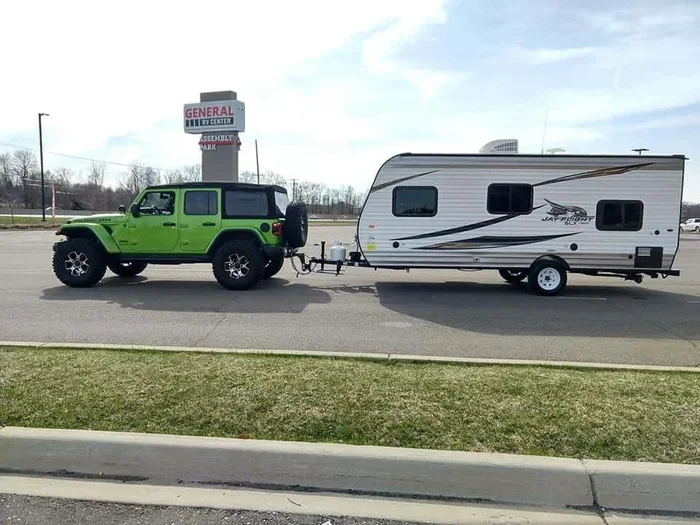
How to Increase Towing Capacity on Your Jeep Wrangler
Want to know how to increase towing capacity on your Jeep Wrangler? This guide covers everything from suspension upgrades and hitch improvements to engine enhancements and essential towing accessories. You will learn practical, step-by-step methods to safely tow more weight with your Wrangler.
Your Jeep Wrangler is one of the most capable off-road vehicles on the planet. But when it comes to towing, the stock setup may leave you wanting more. Whether you are hauling a boat, a trailer, or camping gear, increasing towing capacity on your Jeep Wrangler is both possible and practical. This guide walks you through every upgrade, modification, and best practice you need to know. We will keep things simple, actionable, and easy to follow.
Let us be real for a second. The factory towing numbers on a Jeep Wrangler are decent, but they are not always enough. If you have ever tried to tow a heavy load and felt your Wrangler struggling, you are not alone. The good news is that with the right upgrades, you can push past those limits safely. How to increase towing capacity on your Jeep Wrangler is a question we hear often, and we have got the answers right here.
Key Takeaways
- Know Your Limits: Understanding your Jeep Wrangler’s stock towing capacity is the first step before making any upgrades.
- Upgrade the Suspension: A quality suspension lift and heavy-duty springs can significantly improve towing stability and load handling.
- Enhance Engine Performance: Cold air intakes, exhaust upgrades, and ECU tuning can unlock additional towing power.
- Invest in the Right Hitch: A weight distribution hitch and proper wiring harness make a huge difference in safe towing.
- Maintain Regularly: Towing puts extra stress on your Jeep, so consistent maintenance is essential for longevity and safety.
📑 Table of Contents
- Understanding Your Jeep Wrangler’s Stock Towing Capacity
- Upgrading the Suspension System for More Towing Power
- Enhancing Engine and Transmission Performance
- Essential Towing Accessories and Add-Ons
- Weight Distribution and Hitch Upgrades
- Maintenance Tips for Safe and Long-Lasting Towing
- Common Mistakes to Avoid When Increasing Towing Capacity
- Final Thoughts on Increasing Your Jeep Wrangler’s Towing Capacity
Understanding Your Jeep Wrangler’s Stock Towing Capacity
Before you start buying parts, you need to know what your Jeep can currently handle. Every Wrangler model has a factory-rated towing capacity. This number tells you the maximum weight your vehicle can safely pull. Going beyond this limit can damage your engine, transmission, and frame.
Here is a quick look at typical stock towing figures for popular Jeep Wrangler models:
| Model Year | Engine Type | Stock Towing Capacity |
|---|---|---|
| 2018-2024 | 3.6L V6 | 3,500 lbs |
| 2018-2024 | 2.0L Turbo I4 | 3,500 lbs |
| 2012-2017 | 3.6L V6 | 3,500 lbs |
| 2007-2011 | 3.8L V6 | 2,000 lbs |
As you can see, the numbers vary quite a bit depending on the year and engine. For example, older models from 2007 to 2011 have a much lower towing limit. If you own one of those, upgrading becomes even more important. You can also check how 500 lbs towing capacity differences affect real-world performance when hauling lighter loads.
Why Stock Capacity Is Not Always Enough
Manufacturers set towing limits with a safety margin. They account for average driving conditions, stock tires, and factory-rated components. But when you add aftermarket bumpers, roof racks, or heavier tires, your actual payload drops. This means your effective towing capacity goes down, even if the number on paper stays the same.
Quick Tip: Always subtract the weight of any aftermarket accessories from your available towing capacity. This gives you a more accurate picture of what your Wrangler can really handle.
Upgrading the Suspension System for More Towing Power
The suspension system is the backbone of your Jeep Wrangler’s towing ability. A stock suspension is designed for comfort and off-road performance, not necessarily for heavy towing. Upgrading your suspension is one of the most effective ways to increase towing capacity and improve overall stability.
Install a Suspension Lift Kit
A suspension lift kit raises the ground clearance and gives your Jeep better geometry when loaded down. When your Wrangler sits higher, it can handle weight transfer more smoothly. Look for lift kits that are specifically designed for towing. These kits usually include heavier-duty shocks and springs.
Here are the main types of lift kits to consider:
- Body Lift Kits: These raise the body off the frame without changing the suspension geometry. They are affordable and easy to install. Great for adding slightly more clearance.
- Suspension Lift Kits: These replace or modify the springs and shocks. They offer better ride quality under load and improved towing performance.
- Full Suspension Lift Kits: These are the most comprehensive option. They upgrade every component of the suspension for maximum towing capability.
Heavy-Duty Leaf Springs
Upgrading to heavy-duty leaf springs is another excellent move. Stock leaf springs can sag when you add a trailer load. Heavy-duty springs are rated for higher loads and help keep your Jeep level. This reduces wear on other components and improves braking performance.
Expert Insight: Many Wrangler owners notice a big difference after just upgrading the rear leaf springs. It is one of the most cost-effective towing upgrades available. The rear end often sags first when towing, so focusing on the rear springs gives you the biggest bang for your buck.
Upgraded Shock Absorbers
Do not overlook your shocks. Stock shocks are not built to handle the constant bouncing and vibration of towing. Heavy-duty shocks absorb impact better and keep your trailer stable. Look for shocks that are specifically rated for towing applications. Brands like Bilstein and Fox make excellent options for Jeep Wranglers.
Enhancing Engine and Transmission Performance
Your Jeep Wrangler’s engine and transmission do the heavy lifting when you tow. Upgrading these components can unlock more torque and pulling power. This is where you truly start to see gains in towing capacity.
Cold Air Intake Upgrade
A cold air intake lets your engine breathe easier. Stock airboxes can restrict airflow, especially under heavy load. A cold air intake pulls in cooler, denser air, which helps your engine burn fuel more efficiently. The result is a noticeable boost in torque, which is the key to strong towing performance.
Installing a cold air intake is one of the simplest upgrades you can do. Most kits come with everything you need and can be installed in under an hour. Expect to pay between $150 and $350 for a quality kit.
Performance Exhaust System
A performance exhaust helps your engine expel gases more efficiently. This reduces back pressure and allows your engine to produce more power. A free-flowing exhaust system works hand in hand with a cold air intake to maximize performance gains.
When choosing an exhaust system, look for one that is designed for your specific Wrangler model year. A 12v to 230v car inverter can also be a useful addition if you plan to power electrical equipment from your trailer while on the road. This is especially helpful for people who tow camper trailers or boats with onboard electronics.
ECU Tuning and Programming
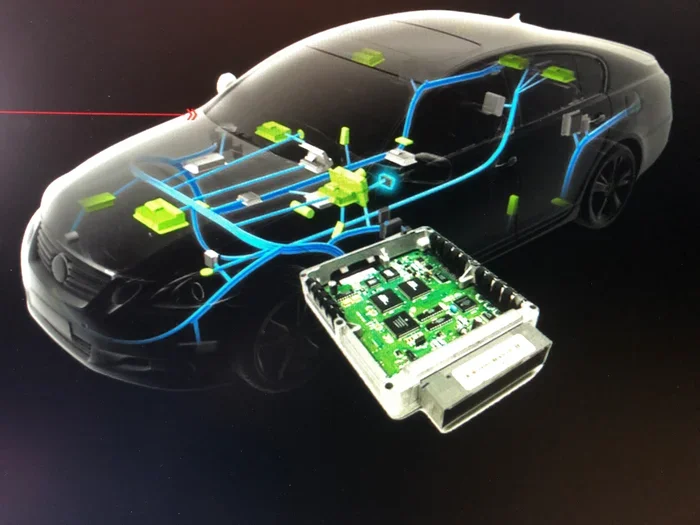
An ECU tune adjusts your engine’s computer settings to optimize performance. This is one of the most powerful upgrades you can make. A professional ECU tune can increase horsepower and torque output, giving your Wrangler more pulling strength. Some tuners also adjust shift points for the transmission, which improves towing efficiency.
However, you should always have ECU tuning done by a certified professional. A bad tune can cause serious engine damage. Make sure the tuner has experience with Jeep Wranglers specifically.
Transmission Cooling System
Towing puts a lot of heat on your transmission. Stock cooling systems may not be enough for heavy loads. Adding an auxiliary transmission cooler helps keep temperatures in check. This prevents overheating and extends the life of your transmission. Think of it as an insurance policy for your drivetrain.
Common Mistake: Many Wrangler owners forget about transmission cooling. They focus on engine upgrades but ignore the transmission. This can lead to premature wear and expensive repairs. Always address both when planning a towing upgrade.
Essential Towing Accessories and Add-Ons
Upgrading the mechanical components is only half the battle. You also need the right accessories to tow safely and effectively. These add-ons make a real difference in how your Jeep handles a trailer.
Weight Distribution Hitch
A weight distribution hitch is a game changer. It spreads the trailer weight evenly across all four wheels of your Jeep. This improves steering control and prevents the rear end from sagging. If you are towing anything over 2,000 lbs, a weight distribution hitch is a must-have.
Here is why a weight distribution hitch matters so much:
- It keeps your Jeep level when towing a heavy load.
- It improves brake performance by ensuring even weight distribution.
- It reduces sway and makes highway driving much safer.
- It protects your frame from uneven stress and damage.
Proper Wiring and Electrical Harness
Your trailer needs proper lighting and electrical connections to be road legal and safe. A quality wiring harness connects your Jeep’s electrical system to the trailer lights and brakes. Make sure the harness is compatible with your specific Wrangler model year. A 12v car socket to 3 pin adapter can also be handy for powering small accessories on your trailer, like fridges or charging stations.
Always test all trailer lights before hitting the road. A burned-out brake light or turn signal can cause a dangerous situation. It is a quick five-minute check that can save your life.
Heavy-Duty Trailer Brake Controller
If your trailer has its own brakes, you need a brake controller. This device lets you apply the trailer brakes from your Jeep’s cabin. It is essential for safe stopping, especially when carrying heavy loads. A good brake controller adjusts braking force based on the weight of your trailer.
Sway Control System
Trailer sway is one of the most dangerous situations you can face while driving. Wind, passing trucks, or uneven road surfaces can cause your trailer to sway side to side. A sway control system helps prevent this by applying braking force to individual wheels. Some advanced systems integrate with your weight distribution hitch for even better results.
Weight Distribution and Hitch Upgrades
How you distribute weight in and on your Jeep Wrangler directly affects towing performance. Getting this right can make your Wrangler feel like a completely different vehicle when pulling a load.
Gooseneck vs. Bumper Hitch
There are two main types of hitches for the Jeep Wrangler: bumper hitches and gooseneck hitches. A bumper hitch mounts to the rear bumper and is the most common option. It works well for light to medium towing. A gooseneck hitch mounts to the frame and offers a higher towing capacity. However, it requires a more involved installation process.
For most Wrangler owners, a heavy-duty bumper hitch is the best choice. It is easier to install, more affordable, and works well for typical towing needs. If you plan to tow extremely heavy loads, consider a gooseneck setup.
Proper Load Distribution
Where you place your cargo matters just as much as how much you carry. Always place heavier items over the axle and lighter items toward the front of the trailer. This keeps the tongue weight balanced and prevents the trailer from fishtailing.
Quick Tip: Aim for a tongue weight that is about 10-15% of your total trailer weight. This is the sweet spot for safe and stable towing. Too much tongue weight pushes the rear end down, while too little causes the trailer to sway.
Upgraded Rear Axle and Differential
For serious towing upgrades, consider upgrading your rear axle and differential. A stronger differential can handle more torque and transfer power more efficiently to the wheels. This is especially important when towing on steep inclines or rough terrain. This is a more advanced and costly upgrade, but it pays off in durability and performance.
Maintenance Tips for Safe and Long-Lasting Towing
Upgrading your Jeep is exciting, but maintenance is what keeps everything running safely. Towing puts extra stress on every system in your vehicle. Staying on top of maintenance is not optional, it is essential.
Regular Oil Changes
Towing causes your engine oil to break down faster. Change your oil more frequently than the manufacturer recommends. For Wranglers that tow regularly, consider changing the oil every 3,000 to 5,000 miles instead of the standard 7,500-mile interval. Use a high-quality synthetic oil that is rated for towing applications.
Check Your Transmission Fluid
Transmission fluid takes a beating when you tow. Check it regularly and change it according to the manufacturer’s guidelines. Dirty transmission fluid leads to slipping gears, overheating, and eventually transmission failure. This is an expensive repair that is easily avoided with simple maintenance.
Inspect Tires and Brakes
Your tires are the only part of your Jeep that touches the road. Make sure they are properly inflated and have sufficient tread depth. Towing increases the wear on your brakes as well. Have your brake pads and rotors inspected more frequently when you tow regularly.
Expert Insight: Many experienced Wrangler owners recommend getting a professional alignment after any major towing upgrade. This ensures your tires wear evenly and your Jeep tracks straight on the highway. It is a small cost that makes a big difference in safety and tire longevity.
Monitor Your Engine Temperature
Keep an eye on your temperature gauge while towing. If your engine starts running hot, pull over and let it cool down. Towing in extreme heat or on steep mountain roads increases the risk of overheating. Planning your route and taking regular breaks can help prevent this.
Common Mistakes to Avoid When Increasing Towing Capacity
Even with the best upgrades, there are mistakes that can undermine your efforts. Here are some common pitfalls to watch out for.
- Ignoring Tongue Weight: Too much or too little tongue weight causes instability. Always measure and adjust before hitting the road.
- Overloading Beyond Rated Capacity: No upgrade can make your Jeep tow beyond its engineered limits. Respect the maximum capacity of your vehicle.
- Skipping Brake Maintenance: Towing wears brakes faster. Neglecting brake maintenance is a serious safety risk.
- Using the Wrong Hitch Class: Make sure your hitch matches your towing needs. A Class III hitch is different from a Class IV, and using the wrong one can be dangerous.
- Neglecting Electrical Connections: A loose or corroded wiring harness can cause trailer lights to fail. Inspect connections before every trip.
Final Thoughts on Increasing Your Jeep Wrangler’s Towing Capacity
Increasing towing capacity on your Jeep Wrangler is a rewarding project that opens up new possibilities for adventure. From suspension upgrades and engine enhancements to the right hitch and accessories, each improvement adds to your overall towing capability. The key is to approach upgrades systematically and prioritize safety at every step.
Start with the basics like a cold air intake and a quality hitch. Then move on to suspension upgrades and transmission cooling as your towing needs grow. Always stay within your vehicle’s rated limits and maintain your Jeep regularly. With the right approach, your Wrangler will handle towing duties with confidence and reliability.
Remember, towing is not just about pulling weight. It is about doing it safely, efficiently, and with peace of mind. Take your time, do the research, and enjoy the journey of building a more capable Jeep Wrangler.
Frequently Asked Questions
What is the stock towing capacity of a Jeep Wrangler?
Most modern Jeep Wranglers from 2012 onward have a stock towing capacity of around 3,500 lbs. Older models from 2007 to 2011 may have a lower capacity of around 2,000 lbs. Always check your owner’s manual for the exact figure for your specific model year and engine type.
Can I increase my Jeep Wrangler’s towing capacity with just a hitch?
A hitch alone will not significantly increase towing capacity. It is an essential component, but real gains come from upgrading the suspension, engine, and transmission systems. The hitch provides the connection point, but your vehicle’s overall strength determines how much weight it can safely pull.
Is it safe to tow at maximum capacity with a Jeep Wrangler?
Towing at maximum capacity is possible but requires careful preparation. You need proper suspension upgrades, a weight distribution hitch, and trailer brakes. Always stay within your vehicle’s rated limits and never exceed the maximum towing capacity specified by the manufacturer.
What is the best hitch for a Jeep Wrangler?
A weight distribution hitch is the best option for most Wrangler owners. It distributes trailer weight evenly across all four wheels, improving stability and control. For lighter loads, a standard bumper hitch works well and is easier to install.
How often should I maintain my Jeep Wrangler if I tow regularly?
If you tow regularly, you should change your oil every 3,000 to 5,000 miles and check your transmission fluid frequently. Brake inspections should happen more often than the standard maintenance schedule. Regular maintenance keeps your Jeep running safely and extends its lifespan.
Do I need a brake controller for my trailer?
Yes, if your trailer has its own brakes, you need a brake controller. This device allows you to apply the trailer brakes from your Jeep’s cabin, which is essential for safe stopping. Most states also require trailer brakes for loads over a certain weight, so check your local regulations.