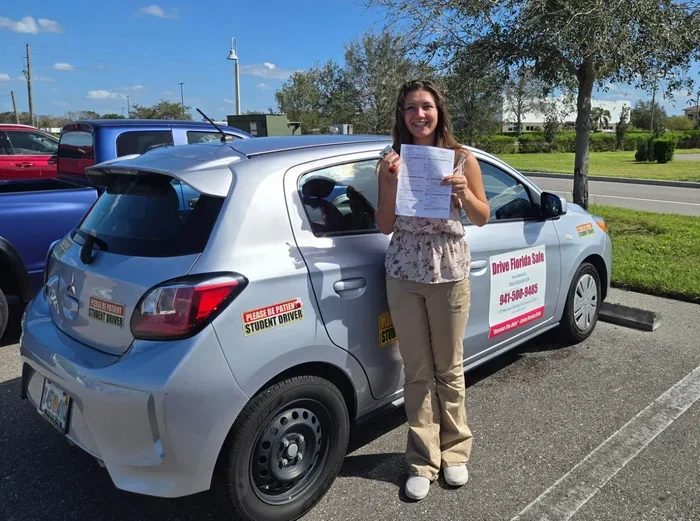
How Much Is Car Insurance in Florida for New Drivers
Car insurance in Florida for new drivers typically costs between $2,000 and $4,500 per year. Rates depend heavily on your age, driving record, and the type of coverage you choose. Florida requires minimum liability insurance but full coverage is strongly recommended for new drivers.
This is a comprehensive guide about How Much Is Car Insurance in Florida?.
Key Takeaways
- Average Cost: New drivers in Florida pay $150 to $375 per month on average for car insurance.
- Florida Requirements: The state mandates $10,000 PIP and $10,000 PDL coverage as minimums.
- Age Matters: Drivers under 25 face significantly higher premiums due to lack of experience.
- Discounts Help: Defensive driving courses, good student discounts, and bundling can lower costs.
- Comparison Shopping: Getting quotes from at least three insurers saves an average of $400 per year.
- Credit Score Impact: Your credit history can affect your premium in Florida.
- Full Coverage Recommended: Minimum coverage leaves you exposed to significant out-of-pocket costs.
[FEATURED_IMAGE_PLACEHOLDER]
If you just got your driver’s license in Florida, you probably have one big question on your mind: how much is car insurance in Florida? The answer might surprise you. Insurance costs for new drivers in the Sunshine State can vary wildly based on your age, where you live, and what kind of car you drive. Some new drivers pay as little as $1,800 a year, while others shell out over $5,000. Understanding the factors that go into your premium is the first step toward finding a policy that fits your budget and keeps you legal on Florida roads.
Florida is one of the most expensive states for auto insurance. The combination of high traffic volumes, frequent hurricanes, and a large number of uninsured drivers drives prices up. For a brand-new driver, this can feel overwhelming. But here is the good news: there are real, actionable steps you can take to bring your rates down. This guide breaks down everything you need to know about car insurance costs for new drivers in Florida, from state requirements to money-saving tips.
Whether you are a teenager just turning 16 or a young adult in your early twenties, this article will give you a clear picture of what to expect. We will cover average rates, Florida insurance laws, coverage options, and practical strategies to keep more money in your pocket. Let us dive in.
What Affects Car Insurance Rates for New Drivers in Florida
Insurance companies use a complex set of factors to calculate your premium. For new drivers, some of these factors carry more weight than they do for experienced motorists. Understanding what goes into the calculation helps you make smarter choices.
Your Age and Driving Experience
Age is one of the biggest factors in determining your Florida auto insurance rates. Younger drivers, especially those under 25, are statistically more likely to be involved in accidents. This means insurers charge them higher premiums. A 16-year-old driver might pay nearly double what a 25-year-old pays for the same coverage. As you gain driving experience and get older, your rates will gradually come down.
Insurance companies also look at your driving record. Even one speeding ticket or at-fault accident can cause your premium to spike. This is why safe driving habits matter so much, especially in the early years behind the wheel.
Your Location in Florida
Where you live in Florida matters a lot for your insurance costs. Drivers in Miami, Fort Lauderdale, and Tampa typically pay more than those in smaller cities or rural areas. Urban areas have more traffic, more accidents, and higher rates of theft and vandalism. If you live near the coast, your premium may also be higher due to hurricane risk and flood exposure.
Your zip code can change your rate by hundreds of dollars per year. Before you commit to a policy, it is worth checking quotes for your specific area. This gives you the most accurate picture of what you will actually pay.
Type of Vehicle You Drive
The car you drive plays a big role in your premium. A brand-new sports car will cost much more to insure than a reliable sedan. Insurers look at the vehicle’s safety ratings, repair costs, and likelihood of theft. If you are a new driver shopping for your first car, choosing a vehicle with good safety features and a low theft rate can save you significant money on auto insurance Florida premiums.
Your Credit Score
In Florida, insurance companies are allowed to use your credit score as a factor in setting your premium. This practice is called a credit-based insurance score. A higher credit score generally leads to lower insurance rates. While this might seem unfair, it is a common industry practice across most states. Building good credit over time can help you qualify for better car insurance rates in the future.
Coverage Levels and Deductibles
The amount of coverage you choose and your deductible directly impact your premium. A higher deductible means you pay more out of pocket if you file a claim, but it also lowers your monthly payment. Choosing the right balance between coverage and cost is key to managing your Florida car insurance budget effectively.
Average Car Insurance Costs for New Drivers in Florida
So, what does the data actually show? Let us look at the numbers. The average cost of car insurance for new drivers in Florida ranges widely, but here are some general benchmarks based on age and coverage type.
| Driver Profile | Average Annual Cost | Average Monthly Cost |
|---|---|---|
| 16-year-old, minimum coverage | $3,500 – $5,000 | $290 – $415 |
| 16-year-old, full coverage | $5,000 – $7,500 | $415 – $625 |
| 18-year-old, minimum coverage | $2,500 – $3,500 | $208 – $290 |
| 18-year-old, full coverage | $3,500 – $5,000 | $290 – $415 |
| 21-year-old, minimum coverage | $1,800 – $2,800 | $150 – $235 |
| 21-year-old, full coverage | $2,500 – $3,800 | $208 – $315 |
| 25-year-old, minimum coverage | $1,500 – $2,200 | $125 – $185 |
| 25-year-old, full coverage | $2,000 – $3,200 | $165 – $265 |
These numbers are estimates based on industry data and can vary based on the factors discussed above. The key takeaway is that being a new driver in Florida comes with a higher price tag. But the good news is that rates drop significantly as you age and gain experience.
For example, a 16-year-old driver in Miami might pay close to $5,000 per year for full coverage. The same driver, five years later at age 21 and with a clean record, might pay around $2,800. That is a huge difference. This is why patience and safe driving pay off in the long run.
Also, keep in mind that these averages include both male and female drivers. Statistically, young male drivers tend to pay slightly more than young female drivers for auto insurance in Florida. However, the gap narrows as drivers get older.
Florida Car Insurance Requirements for New Drivers
Florida has specific laws about the minimum insurance coverage every driver must carry. Understanding these requirements is essential before you get behind the wheel.
Florida’s No-Fault Insurance System
Florida operates under a no-fault insurance system. This means that after an accident, each driver’s own insurance company pays for their medical expenses, regardless of who caused the crash. This system is designed to reduce lawsuits and speed up the claims process. However, it also means that car insurance in Florida works a bit differently than in some other states.
Minimum Coverage Requirements
Florida law requires all drivers to carry the following minimum coverage:
- Personal Injury Protection (PIP): $10,000 minimum. This covers medical expenses for you and your passengers after an accident, regardless of fault.
- Property Damage Liability (PDL): $10,000 minimum. This covers damage you cause to another person’s property, such as their vehicle or fence.
Notably, Florida does not require bodily injury liability coverage. This is unusual and a major reason why Florida has so many uninsured drivers on the road. Without bodily injury liability coverage, if you cause an accident that injures someone, your insurance will not pay for their medical bills.
Why Minimum Coverage Is Not Enough for New Drivers
While Florida’s minimum requirements are the legal baseline, they do not provide much protection. A single accident can easily result in costs that far exceed $10,000. For new drivers, full coverage car insurance is highly recommended. Full coverage typically includes collision, comprehensive, and bodily injury liability coverage in addition to the state minimums.
Think of it this way: minimum coverage keeps you legal, but full coverage keeps you protected. As a new driver, you are still building your skills on the road. Having robust coverage gives you peace of mind and financial security.
Tips to Lower Your Car Insurance Premium in Florida
Paying high insurance premiums as a new driver is frustrating, but there are many ways to bring your costs down. Here are some of the most effective strategies.
Take a Defensive Driving Course
Completing a state-approved defensive driving course can earn you a discount on your auto insurance Florida policy. Many insurers offer a 5% to 15% discount for drivers who complete these courses. The course is usually affordable and can be taken online in just a few hours. This is one of the easiest ways to save money on your premium.
Maintain Good Grades
If you are a student, maintaining good grades can lead to a good student discount. Most insurance companies offer this discount to drivers who maintain a B average or higher. This discount can last until you turn 25, which is a huge benefit for young drivers just starting out.
Bundle Your Insurance Policies
If you have renters insurance, homeowners insurance, or life insurance, consider bundling them with your auto policy. Many insurers offer a multi-policy discount that can save you 10% to 25% on your total premiums. This is a simple way to reduce your Florida car insurance costs without sacrificing coverage.
Choose a Higher Deductible
Raising your deductible from $500 to $1,000 can lower your monthly premium by 10% to 20%. Just make sure you have enough savings to cover the deductible if you ever need to file a claim. This strategy works best for drivers who have a clean driving record and do not expect to make frequent claims.
Ask About All Available Discounts
Insurance companies offer many discounts that most people do not know about. Some common discounts include:
- Safe driver discount
- Low-mileage discount
- Military discount
- Student away at school discount
- Paperless billing discount
- Pay-in-full discount
Always ask your insurer about every available discount. You might be leaving money on the table without even knowing it.
Compare Quotes from Multiple Insurers
One of the best ways to find affordable car insurance in Florida is to compare quotes from multiple companies. Rates can vary by hundreds or even thousands of dollars per year between insurers. Use online comparison tools or work with an independent insurance agent who can shop your profile across several companies. Spending just 30 minutes comparing quotes can save you hundreds of dollars annually.
Full Coverage vs. Minimum Coverage in Florida
Choosing between full coverage and minimum coverage is one of the most important decisions you will make as a new driver. Let us break down the differences.
What Does Full Coverage Include?
Full coverage is not a single type of insurance. It is a combination of several coverage types:
- Liability Coverage: Pays for injuries and property damage you cause to others.
- Collision Coverage: Pays for damage to your vehicle from a crash, regardless of fault.
- Comprehensive Coverage: Pays for damage from non-collision events like theft, vandalism, flooding, and hail.
- Personal Injury Protection (PIP): Florida’s required no-fault coverage.
For new drivers in Florida, full coverage provides much better protection than minimum coverage alone. The cost is higher, but the financial security it offers is well worth it, especially if you have a newer vehicle or a car loan to pay off.
When Minimum Coverage Makes Sense
There are situations where minimum coverage might be acceptable. If you drive an older vehicle that is worth less than the cost of comprehensive and collision premiums, minimum coverage could save you money in the short term. However, you still need to consider the risk. If you are at fault in an accident, bodily injury liability is not covered by Florida’s minimum requirements. You could be personally responsible for medical bills and legal costs.
Most insurance experts recommend that new drivers in Florida carry at least $25,000 in bodily injury liability per person and $50,000 per accident, in addition to the state minimums. This provides a much safer financial cushion.
How to Find the Best Car Insurance Deal in Florida
Finding the right auto insurance policy in Florida takes a little effort, but the savings are well worth it. Here is a step-by-step approach to finding the best deal.
- Gather Your Information: Before you start shopping, have your driver’s license, vehicle information, and driving record ready. Insurers will need this data to provide accurate quotes.
- Get at Least Three Quotes: Never settle for the first quote you receive. Get quotes from at least three different insurers to compare rates and coverage options.
- Check for Discounts: Ask each insurer about every discount they offer. You might qualify for discounts you did not even know existed.
- Read the Policy Carefully: Make sure you understand what is covered and what is not. Pay attention to deductibles, coverage limits, and exclusions.
- Consider Customer Service: The cheapest policy is not always the best. Look for insurers with strong customer service ratings and a smooth claims process.
- Review Your Policy Annually: Insurance needs change over time. Review your policy every year to make sure you are still getting the best value.
Also, keep in mind that your insurance premium is not set in stone. If your rates go up after an accident or traffic violation, you can always shop around for a better deal. Many drivers save money by switching insurers every few years.
If you are under 25 and need to rent a car occasionally, keep in mind that rental companies require their own insurance or a credit card hold. Understanding your own policy’s rental car coverage can save you from buying expensive rental insurance at the counter. You can learn more about this in our guide on Can You Rent A Car At 24.
Additionally, your financial habits can indirectly affect your insurance costs. For instance, leasing or financing a vehicle ties into your overall financial profile, which insurers evaluate when setting premiums. To understand how leasing impacts your credit and, by extension, your insurance rates, check out our article on Does Leasing A Car Affect Your Credit.
Common Mistakes New Drivers Make with Car Insurance in Florida
Avoiding these common pitfalls can save you money and headaches.
- Not shopping around: Many new drivers just go with their parents’ insurer or the first company they find. This often means overpaying.
- Choosing only minimum coverage: It keeps costs low but leaves you vulnerable to significant financial risk.
- Not asking about discounts: Most drivers qualify for at least one discount they do not use.
- Lying on the application: Misrepresenting your driving history or vehicle use can void your policy when you need it most.
- Letting coverage lapse: A gap in coverage can lead to higher premiums and even legal penalties in Florida.
Conclusion
Car insurance in Florida for new drivers is a significant expense, but it is also one of the most important investments you can make. The right policy protects you financially, keeps you legal on the road, and gives you peace of mind as you build your driving experience. While Florida’s rates are among the highest in the nation, there are real strategies you can use to lower your premium and find affordable coverage.
Remember to compare quotes, take advantage of every discount available, and choose coverage levels that match your needs and budget. Safe driving habits over time will naturally bring your rates down. Start with the basics, stay informed, and do not be afraid to switch insurers if you find a better deal. Your future self will thank you for making smart insurance decisions today.
Frequently Asked Questions
What is the cheapest car insurance for new drivers in Florida?
The cheapest option for new drivers in Florida is usually a policy with minimum state-required coverage from a budget-friendly insurer. However, minimum coverage does not provide much protection. Most experts recommend at least basic full coverage, which typically costs between $1,500 and $3,000 per year for a driver over 21 with a clean record.
Do I need car insurance if I just got my license in Florida?
Yes, Florida law requires all drivers to carry at least the state minimum insurance before you can legally drive. You must show proof of insurance when you register your vehicle and carry it with you at all times while driving. Driving without insurance in Florida can result in fines, license suspension, and vehicle impoundment.
How can a new driver lower their car insurance rates in Florida?
New drivers can lower their rates by taking a defensive driving course, maintaining good grades, bundling policies, choosing a higher deductible, and comparing quotes from multiple insurers. Keeping a clean driving record over time is also one of the most effective ways to reduce premiums.
Does being a student affect car insurance rates in Florida?
Yes, being a student can positively affect your rates. Many insurers offer a good student discount for drivers who maintain a B average or higher. This discount can reduce your premium by 10% to 25%. Some companies also offer discounts for students who attend school more than 100 miles away from their home.
How often should I shop for new car insurance in Florida?
You should review your car insurance policy at least once a year and compare quotes from other insurers. Major life changes like moving, getting a new car, or adding a teen driver are also good times to shop around. Insurance rates change frequently, and you might find a better deal without much effort.
Can I stay on my parents’ car insurance in Florida?
Yes, if you live with your parents and drive one of their vehicles, you can typically stay on their policy. This is often the most affordable option for new drivers. However, if you buy your own car, you will need your own policy. Some insurers allow young drivers to remain on a parent’s policy until age 25.