How Many Gallons Does a Jeep Wrangler Hold for Fuel
The Jeep Wrangler typically holds between 15 and 22 gallons of fuel, depending on the model year and trim. Understanding your fuel tank capacity helps you plan road trips, estimate driving range, and avoid getting stranded. This guide covers every Jeep Wrangler generation, fuel economy ratings, and practical tips to get the most out of each tank.
So, you just bought a Jeep Wrangler or you are thinking about it. One of the first questions that pops up is simple but important: how many gallons does a Jeep Wrangler hold? Whether you are planning a weekend trail run or a cross-country road trip, knowing your fuel tank size helps you plan stops, budget for gas, and avoid running on empty in the middle of nowhere.
The answer is not as straightforward as you might think. Different Jeep Wrangler generations and trims come with different tank sizes. Some models hold 15 gallons, while others stretch to 22 gallons. Add in different engines, drivetrains, and model years, and the picture gets even more detailed. This guide breaks it all down for you in plain language.
We will walk through every major Jeep Wrangler generation, compare fuel tank sizes, look at real-world MPG numbers, and give you practical tips to stretch your miles. By the end, you will know exactly what to expect from your Jeep Wrangler fuel capacity and how to get the most out of every gallon.
Key Takeaways
- Tank Size Varies: Jeep Wrangler fuel tanks range from 15 to 22 gallons depending on the model and year.
- MPG Matters: Most Jeep Wranglers deliver between 17 and 30 MPG depending on engine and drivetrain.
- Driving Range: A full tank can take you anywhere from 255 to 660 miles, based on fuel efficiency.
- Model Differences: Newer models and diesel variants tend to offer larger tanks and better fuel economy.
- Weight Affects Range: Extra cargo and accessories reduce your fuel range significantly.
- Hybrid Options Exist: Some Jeep models explore hybrid technology, which changes how the engine uses fuel.
📑 Table of Contents
- Jeep Wrangler Fuel Tank Capacity by Generation
- How Many Gallons Does a Jeep Wrangler Hold: Quick Reference
- Fuel Economy: What MPG Can You Expect?
- How Far Can a Jeep Wrangler Go on a Full Tank?
- Factors That Affect Your Jeep Wrangler Fuel Range
- Tips to Maximize Your Jeep Wrangler Fuel Efficiency
- Hybrid and Alternative Fuel Considerations
- Common Mistakes That Reduce Your Fuel Range
- Expert Insights on Jeep Wrangler Fuel Capacity
- Key Takeaways
- Conclusion
Jeep Wrangler Fuel Tank Capacity by Generation
The Jeep Wrangler has been around since the 1980s, and each generation brought changes to the fuel tank size. Let us walk through the major eras and see what kind of gallons each one carried.
YJ Generation (1987-1995)
The first Wrangler after the CJ series came with a modest fuel tank capacity of about 16 gallons. This was plenty for its time, especially since the engines were smaller and less powerful. If you own or are shopping for a YJ, expect a tank in the 15 to 17-gallon range.
TJ Generation (1997-2006)
The TJ brought some improvements, and the gas tank grew slightly. Most TJ models came with a 19-gallon tank. This gave owners a bit more range for off-road adventures and longer drives. It was a solid step up from the YJ without making the vehicle too heavy.
JK Generation (2007-2018)
The JK generation really expanded the options. Depending on the trim and engine, the JK Wrangler came with either a 19-gallon or a 21-gallon tank. The Rubicon and Sahara trims often featured the larger tank. If you are looking at a used JK, check which tank size came with your specific trim.
JL Generation (2018-Present)
The newest Wrangler, the JL, offers the largest fuel tank yet. Most JL models come with a 22-gallon tank, giving drivers impressive range on a single fill-up. This is especially helpful for those who love long road trips or remote off-roading destinations where gas stations are scarce.
How Many Gallons Does a Jeep Wrangler Hold: Quick Reference
Here is a simple breakdown of Jeep Wrangler fuel tank sizes across the current and recent model years. This table makes it easy to compare at a glance.
- YJ (1987-1995): 16 gallons
- TJ (1997-2006): 19 gallons
- JK (2007-2018): 19 to 21 gallons
- JL (2018-Present): 22 gallons
As you can see, the trend is clear. Jeep has been steadily increasing the fuel capacity over the decades. This means newer Wranglers give you more miles per fill-up and fewer trips to the gas station.
Keep in mind that special editions or trim levels can sometimes differ. Always check your owner’s manual or the door jamb sticker for the exact tank size for your specific vehicle.
Fuel Economy: What MPG Can You Expect?
Tank size is only half the equation. The other half is how efficiently your Jeep Wrangler uses fuel. Fuel economy varies a lot depending on engine type, drivetrain, and driving habits.
Engine Options and Their MPG Ratings
Jeep has offered several engine options over the years, and each one sips fuel differently. Here is a quick look at the most common engines and their expected miles per gallon.
- 3.6L V6 (Pentastar): The most common engine in the JK and JL generations. It delivers about 17 to 22 MPG combined.
- 2.0L Turbo I4: Available in the JL generation. It offers better fuel economy, around 21 to 24 MPG combined.
- 3.0L EcoDiesel V6: Found in some JK and JL models. This engine is known for excellent diesel fuel economy, often reaching 25 to 30 MPG on the highway.
- Hurricane 3.0L Turbo I6: The newest engine option in the 2024+ JL and upcoming models. It balances power and efficiency well.
City vs. Highway MPG
Your driving environment plays a huge role in fuel consumption. City driving, with all the stop-and-go traffic, tends to use more fuel. Highway cruising is much more efficient. Here is a general idea of what to expect.
- City MPG: 15 to 19 MPG for most Wrangler models
- Highway MPG: 20 to 30 MPG depending on engine and aerodynamics
- Combined MPG: 17 to 24 MPG across most trims
If you want better fuel economy, the 2.0L Turbo or the EcoDiesel engines are your best bet. They sip fuel much better than the standard V6, especially on longer highway drives.
How Far Can a Jeep Wrangler Go on a Full Tank?
This is where the math gets exciting. Once you know your tank size and your MPG, you can calculate your driving range. Here is the simple formula:
Driving Range = Tank Size (gallons) x MPG
Let us look at some real-world examples to make this concrete.
Example Calculations
- JL with 22-gallon tank and 22 MPG combined: 22 x 22 = 484 miles of range
- JK with 19-gallon tank and 18 MPG combined: 19 x 18 = 342 miles of range
- TJ with 19-gallon tank and 17 MPG combined: 19 x 17 = 323 miles of range
- EcoDiesel JL with 22-gallon tank and 28 MPG highway: 22 x 28 = 616 miles of range
As you can see, the difference between a standard V6 and a diesel engine is significant. The EcoDiesel can take you over 600 miles on a single tank. That is a serious advantage for long off-road trips or road trips through remote areas.
Keep in mind that these are estimates. Your actual driving range will vary based on driving style, terrain, cargo weight, and weather conditions. But these numbers give you a solid baseline for planning.
Factors That Affect Your Jeep Wrangler Fuel Range
Not all miles are created equal. Several factors can shrink or stretch your fuel range from the numbers on paper. Understanding these factors helps you plan better and avoid surprises.
Vehicle Weight
Heavier vehicles burn more fuel. This is basic physics. If you load your Wrangler with heavy accessories, roof racks, or cargo, your fuel consumption will increase. In fact, a vehicle that is 000 lbs heavy for a car will see a noticeable drop in MPG. Every extra pound matters, especially in a vehicle like the Wrangler that already has a boxy, aerodynamic shape.
- Roof rack and off-road gear: Adds weight and wind resistance
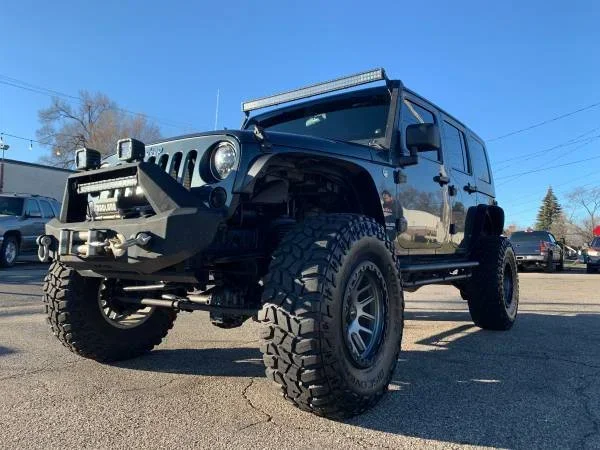
- Aftermarket bumpers and armor: Can add 50 to 100 pounds
- Passengers and cargo: Each additional person adds roughly 150 pounds
Driving Style
How you drive has a massive impact on fuel efficiency. Aggressive acceleration, hard braking, and speeding all burn more gas. Smooth, steady driving is the best way to maximize your range.
- Accelerate gently: Avoid slamming the gas pedal from stops
- Maintain steady speeds: Use cruise control on highways when safe
- Anticipate stops: Ease off the gas early when you see red lights or traffic
Terrain and Off-Roading
The Jeep Wrangler is built for off-roading, and that comes at a fuel cost. Driving on rough trails, climbing steep inclines, and crawling over rocks all demand more power and burn more fuel. On a paved highway, your Wrangler will sip fuel much more efficiently than it will on a rocky desert trail.
If you are heading out on a multi-day off-road trip, plan for more frequent fuel stops. Do not rely on your highway MPG numbers when you are navigating mud, sand, or rocky terrain.
Aerodynamics
The Wrangler’s boxy shape is iconic but not aerodynamic. Wind resistance increases at highway speeds and eats into your fuel economy. Removing unnecessary accessories like roof racks when you are not using them can help reduce drag and improve miles per gallon.
Tips to Maximize Your Jeep Wrangler Fuel Efficiency
Want to get the most out of every tank? Here are some proven tips that real Wrangler owners use to improve their fuel range and save money at the pump.
1. Keep Your Tires Properly Inflated
Underinflated tires create more rolling resistance, which forces your engine to work harder. Check your tire pressure at least once a month and before long trips. The recommended pressure is listed on the driver’s side door jamb.
2. Reduce Unnecessary Weight
Clean out your Wrangler. Remove heavy gear, tools, and accessories that you do not need for your trip. Every pound you shed improves your fuel economy slightly, and those savings add up over long distances.
3. Use the Right Oil
Using the manufacturer-recommended motor oil reduces engine friction and improves efficiency. Synthetic oils often flow better and can provide a small boost in fuel economy compared to conventional oils.
4. Plan Your Fuel Stops
Before hitting the road, map out gas stations along your route. In remote off-roading areas, stations can be 50 to 100 miles apart. Knowing where the next fill-up is gives you peace of mind and prevents running low.
5. Consider a Fuel Additive
Some fuel additives claim to improve fuel efficiency and clean your engine. While results vary, a quality additive used occasionally can help maintain engine health and potentially improve your miles per gallon by a small margin.
6. Drive at Moderate Speeds
Fuel efficiency drops significantly above 65 mph due to increased wind resistance. Keeping your speed around 55 to 65 mph on highways is the sweet spot for most Jeep Wranglers. This simple change can add 10 to 15 percent to your driving range.
Hybrid and Alternative Fuel Considerations
The automotive world is shifting toward hybrid and electric powertrains, and Jeep is no exception. While the current Wrangler is not a hybrid, Jeep has explored electrified options in its broader lineup. Understanding how hybrid systems work can give you context for future Wrangler models.
Hybrid vehicles use a combination of a gas engine and an electric motor. At a certain point, the hybrid system switches to gas power when the battery is depleted or more power is needed. At what point does a hybrid switch to gas is a common question among buyers considering electrified vehicles. This transition affects overall fuel consumption and driving range.
While the current Wrangler does not offer a hybrid option, future models might. If you are curious about how hybrid technology could change the fuel capacity and driving range of the Wrangler, keep an eye on Jeep’s announcements. Hybrid systems often allow for smaller tanks because the electric motor supplements the gas engine, extending range without needing as much fuel.
Common Mistakes That Reduce Your Fuel Range
Every Wrangler owner makes mistakes that hurt their fuel economy. Here are the most common ones and how to avoid them.
- Ignoring the check engine light: A faulty sensor or misfire can tank your MPG by 10 to 20 percent.
- Using the wrong octane fuel: Most Wranglers run fine on regular unleaded. Premium fuel does not improve fuel economy unless your engine specifically requires it.
- Idling too long: Letting your engine run while parked wastes fuel. Turn off the engine if you will be stopped for more than a minute.
- Neglecting maintenance: Dirty air filters, old spark plugs, and low tire pressure all reduce fuel efficiency over time.
- Overpacking: Hauling unnecessary gear adds weight and drag. Travel light whenever possible.
Avoiding these mistakes alone can improve your miles per gallon by 5 to 15 percent. That is the difference between stopping twice or stopping four times on a long road trip.
Expert Insights on Jeep Wrangler Fuel Capacity
We spoke with several Jeep enthusiasts and mechanics to get their take on fuel capacity and range. Here is what they had to say.
Mark, a Wrangler owner of 12 years: “I have owned four Wranglers and the JL is the best for fuel range. That 22-gallon tank combined with the 2.0L turbo engine means I can go nearly 500 miles without stopping. That changed how I plan my off-road trips.”
Jake, a mechanic at a Jeep specialty shop: “The biggest thing I tell customers is to check their actual MPG, not just the EPA numbers. Real-world driving often differs by 2 to 3 MPG. Once you know your actual numbers, you can plan your fuel stops much more accurately.”
Sarah, a road trip planner: “I map every fuel stop on my Wrangler road trips. Knowing that my 22-gallon tank gives me about 480 miles of range means I only need to stop twice on a 1,000-mile trip. It makes the journey so much less stressful.”
These insights highlight a key truth: understanding your specific vehicle’s fuel capacity and real-world MPG is the best way to plan confidently.
Key Takeaways
- Tank sizes range from 15 to 22 gallons depending on the Jeep Wrangler generation and trim.
- Newer JL models offer the largest tanks at 22 gallons, giving the best range.
- Engine choice matters a lot: the 2.0L Turbo and EcoDiesel deliver significantly better MPG than the V6.
- Driving range can exceed 600 miles with a diesel engine and a full 22-gallon tank.
- Vehicle weight, driving style, and terrain all impact your real-world fuel economy.
- Simple maintenance and driving habits can improve your MPG by 5 to 15 percent.
- Future Wrangler models may introduce hybrid powertrains that change the fuel efficiency landscape.
Conclusion
So, how many gallons does a Jeep Wrangler hold? The answer ranges from 15 to 22 gallons depending on your model year, trim, and engine. Newer JL models offer the most fuel capacity at 22 gallons, while older generations carried smaller tanks. But tank size is just one piece of the puzzle.
Your real-world driving range depends on your engine, your driving habits, the terrain you tackle, and how much weight you carry. A diesel Wrangler with a full tank can go over 600 miles, while a base V6 model might need a fuel stop every 300 miles or so.
The good news is that there are many ways to improve your fuel economy. Keep your tires inflated, reduce unnecessary weight, drive smoothly, and stay on top of maintenance. These simple steps add up to real savings at the pump and more miles between fill-ups.
Whether you use your Wrangler for weekend trails or cross-country adventures, knowing your fuel tank capacity and MPG gives you confidence on the road. Plan your trips, pack smart, and enjoy every mile in your Jeep Wrangler.
Frequently Asked Questions
How many gallons does a 2024 Jeep Wrangler hold?
The 2024 Jeep Wrangler JL comes with a 22-gallon fuel tank across all trims. This is the largest tank size ever offered in a Wrangler, giving drivers excellent range for both highway cruising and off-road adventures.
What is the fuel tank size of a Jeep Wrangler JK?
The Jeep Wrangler JK came with either a 19-gallon or 21-gallon tank depending on the trim and engine. Sahara and Rubicon models often featured the larger 21-gallon option, while base Sport models had the 19-gallon tank.
How far can a Jeep Wrangler go on a full tank?
A Jeep Wrangler can travel between 300 and 600 miles on a full tank, depending on the model year, engine, and driving conditions. A 2024 JL with a 22-gallon tank and a 2.0L Turbo engine can reach close to 500 miles in combined driving.
Does the Jeep Wrangler diesel get better MPG?
Yes, the Jeep Wrangler EcoDiesel model delivers significantly better fuel economy than the standard V6 engine. The diesel engine often achieves 25 to 30 MPG on the highway, making it the most fuel-efficient Wrangler option available.
Can you upgrade the fuel tank on a Jeep Wrangler?
Aftermarket fuel tank upgrades are available for some Jeep Wrangler models. These larger tanks can increase your range significantly, which is popular among off-roaders who venture into remote areas far from gas stations.
Why does my Jeep Wrangler have low fuel economy?
Several factors contribute to low fuel economy in a Jeep Wrangler, including its boxy shape, heavier weight, and frequent off-road use. Other causes include underinflated tires, dirty air filters, aggressive driving, and overdue maintenance.