How Long Is a Car Under Warranty and What to Expect
How long is a car under warranty? Most new cars come with a basic bumper-to-bumper warranty of 3 years or 36,000 miles, and a powertrain warranty lasting 5 years or 60,000 miles. Understanding your warranty terms helps you avoid unexpected repair costs and makes smart car ownership easier.
Buying a new car is exciting. But one question many buyers overlook is this: how long is a car under warranty? The answer matters more than most people think. A warranty protects you from costly repairs during the early years of ownership. Without understanding your coverage, you could end up paying thousands out of pocket. Let’s break it all down in simple terms.
Whether you just bought a car or are planning to, knowing your warranty details gives you peace of mind. This guide covers everything you need to know about car warranty length, what’s included, and how to get the most from your protection. We’ll walk through every type of coverage, common mistakes to avoid, and tips to keep your warranty working for you.
Key Takeaways
- Standard warranty coverage: Most new vehicles include 3 years of bumper-to-bumper and 5 years of powertrain protection.
- Know what’s covered: Warranty terms vary widely, so always read the fine print and understand exclusions.
- Maintenance matters: Following the recommended service schedule keeps your warranty valid and your car running strong.
- Extended options exist: You can purchase additional coverage through dealers or third-party providers.
- Used cars may still be covered: Certified pre-owned vehicles often carry remaining factory warranty or certified warranties.
- Act before expiration: Track your warranty end date and address issues before coverage lapses.
📑 Table of Contents
- What Does It Mean When a Car Is Under Warranty?
- Types of Car Warranties and Their Duration
- What’s Typically Covered Under a Car Warranty?
- How to Know When Your Warranty Expires
- Can You Extend Your Car Warranty?
- Common Warranty Claims and What to Do
- Common Mistakes Car Owners Make With Warranties
- Warranty Coverage for Used and Certified Pre-Owned Vehicles
- How to Compare Warranty Lengths Across Brands
- Final Thoughts on Car Warranty Coverage
What Does It Mean When a Car Is Under Warranty?
A car warranty is a promise from the manufacturer or dealer. It covers the cost of certain repairs and replacements for a set period. Think of it as a safety net for your vehicle. When something breaks due to a defect or normal wear, the warranty picks up the tab. But not everything is covered, and the length of coverage depends on the type of warranty you have.
The factory warranty comes with every new car. It starts on your purchase date and runs for a specific timeframe. Each automaker sets its own terms. Some brands offer longer coverage than others. This is why it pays to compare warranty details before you buy. A longer warranty can save you real money over time.
How the Warranty Clock Starts
Your warranty begins on the in-service date. This is usually the date you take delivery of the vehicle. In some cases, it starts from the original manufacture date. Either way, the clock is always ticking once you become the owner. Keep your purchase paperwork handy. You’ll need the exact date if you ever file a claim.
Mileage also plays a big role. Most warranties are measured in both time and distance. Whichever limit comes first ends your coverage. So if your warranty lasts 3 years or 36,000 miles, and you hit 36,000 miles in year two, your coverage ends then. Tracking both numbers helps you stay protected longer.
Types of Car Warranties and Their Duration
Not all warranties are the same. Automakers offer several types of coverage, each with different timeframes. Understanding these differences is key to knowing how long is a car under warranty. Let’s look at the most common types you’ll encounter.
Bumper-to-Bumper Warranty
The bumper-to-bumper warranty is the most comprehensive coverage. It covers almost all parts and systems on your vehicle. This includes electronics, air conditioning, infotainment, and major components like the engine and transmission. Most bumper-to-bumper warranties last 3 years or 36,000 miles. Some brands extend this to 4 years or 50,000 miles.
However, bumper-to-bumper warranties have exclusions. Wear items like brake pads, wiper blades, and tires are usually not covered. Regular maintenance like oil changes also falls outside the scope. Always check the list of excluded items before assuming something is covered.
Powertrain Warranty
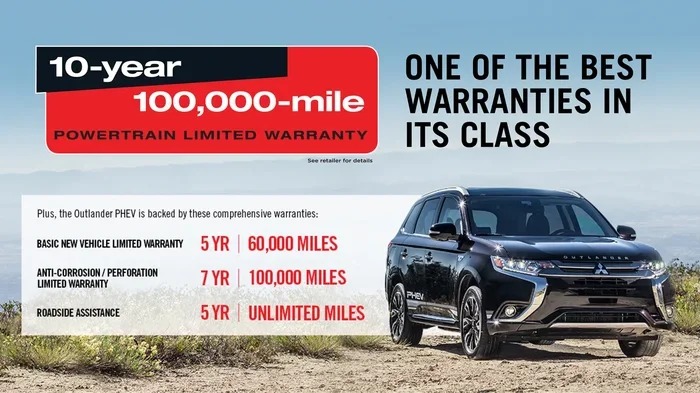
The powertrain warranty focuses on the parts that make your car move. This covers the engine, transmission, driveshaft, and differential. Powertrain warranties typically last longer than bumper-to-bumper coverage. The standard is 5 years or 60,000 miles. Some manufacturers push this to 10 years or 100,000 miles.
Because the powertrain is one of the most expensive systems to repair, this coverage is incredibly valuable. A new engine or transmission can cost thousands of dollars. A strong powertrain warranty protects you from those big-ticket surprises. Always confirm the exact powertrain terms before signing any paperwork.
Corrosion and Rust Warranty
Rust can eat away at your car over time. A corrosion warranty covers damage from rust and oxidation. This type of coverage often lasts longer than other warranties. Many automakers offer 5 to 7 years of rust protection. Some even cover it for the entire life of the vehicle.
Corrosion warranties usually have conditions. They typically cover perforation only. This means the metal must have rusted completely through. Surface rust or cosmetic damage usually isn’t included. Keeping your car clean, especially the undercarriage, helps prevent rust from forming in the first place.
Roadside Assistance Warranty
Many new cars come with roadside assistance coverage. This covers towing, flat tire changes, lockout service, and jump-starts. Roadside assistance typically lasts 3 years or 36,000 miles. Some brands extend this benefit to 5 years or more.
This coverage is especially useful for new car owners. You never know when a flat tire or dead battery will strike. Roadside assistance gives you a safety net on the road. Just remember that this coverage is separate from your repair warranty.
Hybrid and Electric Vehicle Warranty
Hybrid and electric vehicles often come with unique warranty coverage. The high-voltage battery in a hybrid or EV usually has its own warranty. Many automakers cover the battery for 8 years or 100,000 miles. This is longer than the standard powertrain warranty.
If you’re considering a hybrid car, the battery warranty is a major selling point. These batteries are expensive to replace. Having extended coverage gives you real confidence. You can also charge a hybrid car at home, which adds to the ownership experience and reduces fuel costs.
What’s Typically Covered Under a Car Warranty?
Understanding what your warranty covers helps you use it wisely. Not every repair qualifies for a free fix. Here’s a breakdown of what you can typically expect under a standard factory warranty.
Covered Items
- Engine components like pistons, crankshaft, and camshaft
- Transmission parts including gears and torque converters
- Electrical systems such as the alternator and starter motor
- Climate control systems including the AC compressor and condenser
- Infotainment and audio systems
- Fuel system components
- Suspension and steering parts
- Seats and safety systems like airbags and seatbelts
Items Typically Not Covered
- Brake pads and rotors (wear items)
- Windshield wipers
- Tires and tread wear
- Oil, coolant, and other fluids
- Spark plugs and filters
- Battery damage from misuse or neglect
- Cosmetic damage like dents or scratches
- Damage from accidents, misuse, or racing
Always ask your dealer for a complete list of covered and excluded items. This prevents surprises when you file a claim. And if you ever drive a car with a blown head gasket, check whether your warranty covers that specific repair before assuming it will.
How to Know When Your Warranty Expires
Tracking your warranty expiration is easier than you think. Most manufacturers provide a warranty booklet with your purchase. This booklet includes the exact start and end dates. It also lists the mileage limits for each type of coverage.
Tools to Track Your Warranty
Many automakers now offer online warranty portals. You can log in with your VIN number and see your exact coverage details. Some brands send email or text reminders before your warranty expires. These alerts help you stay on top of your coverage.
You can also check your warranty status through your dealer’s service department. They have access to your vehicle’s records and can tell you exactly when coverage ends. Keeping track of this date is important for planning future repairs.
What Happens When Warranty Coverage Ends
Once your warranty expires, you’re responsible for all repair costs. This is why many owners plan ahead. Some choose to purchase an extended warranty before the factory coverage ends. Others build a repair fund to cover unexpected issues.
If you’re buying a used car, check whether it still has remaining warranty coverage. A certified pre-owned vehicle often carries a remaining factory warranty or a certified warranty from the automaker. This can give you years of continued protection at a lower price point.
Can You Extend Your Car Warranty?
Yes, you can extend your car warranty in several ways. An extended warranty acts like insurance for your vehicle after the factory coverage ends. It’s especially useful for older cars or vehicles with higher mileage.
Dealer Extended Warranties
Many dealerships offer extended warranty plans. These are backed by the manufacturer or the dealership itself. Dealer warranties can be expensive, but they often come with added benefits. You might get access to loaner vehicles or roadside assistance as part of the package.
Third-Party Extended Warranties
Independent companies also sell vehicle service contracts. These are often more affordable than dealer-backed plans. However, the quality and coverage can vary widely. Always read the contract carefully and check reviews before purchasing. Look for plans with clear terms and minimal exclusions.
Tips for Choosing an Extended Warranty
- Compare coverage levels from multiple providers
- Check the deductible amount and what it covers
- Read the fine print for exclusions and limitations
- Verify the claims process and customer service reputation
- Consider your vehicle’s reliability history and common issues
An extended warranty can be a smart investment if your car is prone to expensive repairs. But for reliable vehicles, self-insuring through a repair fund might be the better choice. Weigh your options carefully based on your budget and driving habits.
Common Warranty Claims and What to Do
Filing a warranty claim is straightforward when you know the process. Most claims start with a visit to your authorized dealer or service center. They’ll inspect your vehicle and determine if the issue falls under your coverage.
Step-by-Step Claims Process
- Read your warranty booklet to confirm the issue is covered
- Schedule a service appointment at an authorized dealer
- Bring your warranty documents and vehicle registration
- Let the technician diagnose the problem
- Review the repair estimate and approve the work
- The dealer bills the manufacturer directly for covered repairs
If your claim is denied, don’t panic. Ask for a written explanation of the denial. You can appeal the decision or seek a second opinion from another dealer. In some cases, consulting a car mechanic outside the dealership can help clarify whether the issue qualifies for coverage.
Tips to Keep Your Warranty Valid
- Follow the manufacturer’s recommended maintenance schedule
- Keep all service records and receipts
- Use genuine OEM parts for repairs
- Address warning lights and unusual noises promptly
- Avoid modifications that could void your coverage
Taking care of your car goes a long way in keeping your warranty intact. Regular car maintenance like oil changes and tire rotations not only protects your warranty but also keeps your vehicle running smoothly for years to come.
Common Mistakes Car Owners Make With Warranties
Many car owners unknowingly make mistakes that hurt their warranty coverage. Avoiding these pitfalls saves you time, money, and headaches.
Skipping Scheduled Maintenance
Some owners skip oil changes or tire rotations to save money. But failing to follow the maintenance schedule can void your warranty. Dealers track service history, and missed appointments raise red flags. Always keep up with your recommended service intervals.
Ignoring Warning Signs
Dashboard warning lights are there for a reason. Ignoring them can turn a small repair into a big problem. If your check engine light comes on, get it checked right away. Early detection often means simpler and cheaper fixes. And if you notice anything unusual, don’t wait for it to get worse.
Not Reading the Fine Print
Warranty documents are full of details that many people skip. But the exclusions and limitations are critical. You might assume a repair is covered, only to find out it’s explicitly excluded. Take 30 minutes to read through your warranty booklet carefully. It could save you hundreds or even thousands of dollars.
Using Aftermarket Parts Without Permission
Installing aftermarket parts can sometimes void your warranty. If a part fails and causes damage, the manufacturer may deny the claim. Always check with your dealer before making modifications. Using OEM parts is the safest approach for maintaining your warranty.
Warranty Coverage for Used and Certified Pre-Owned Vehicles
Buying a used car doesn’t mean you lose all warranty protection. Many manufacturers offer certified pre-owned programs with their own warranty coverage. These programs often include a thorough inspection and extended powertrain protection.
A certified pre-owned vehicle typically comes with a remaining factory warranty or a new limited warranty from the manufacturer. The coverage length varies by brand and program. Some offer 1 year or 12,000 miles of additional coverage. Others extend protection up to 7 years or 100,000 miles from the original in-service date.
If you’re shopping for a used car, always ask about the remaining warranty. Check the vehicle history report for any prior warranty claims. A well-documented service history adds value and confidence to your purchase.
How to Compare Warranty Lengths Across Brands
Different automakers offer different warranty terms. Comparing these before you buy can help you choose the best value. Here’s a quick look at how some major brands stack up.
| Brand | Bumper-to-Bumper | Powertrain | Rust/Corrosion |
|---|---|---|---|
| Toyota | 3 years / 36,000 miles | 5 years / 60,000 miles | 5 years / unlimited miles |
| Honda | 3 years / 36,000 miles | 5 years / 60,000 miles | 5 years / unlimited miles |
| Ford | 3 years / 36,000 miles | 5 years / 60,000 miles | 5 years / unlimited miles |
| Chevrolet | 3 years / 36,000 miles | 5 years / 60,000 miles | 6 years / 100,000 miles |
| BMW | 4 years / 50,000 miles | 4 years / 50,000 miles | 12 years / unlimited miles |
This table shows that warranty lengths vary significantly across brands. Premium brands like BMW tend to offer longer corrosion coverage. Japanese brands like Toyota and Honda are known for reliability and solid standard terms. Always check the specific warranty for the model you’re considering.
Final Thoughts on Car Warranty Coverage
Understanding how long is a car under warranty empowers you as a car owner. You’ll know exactly when you’re protected and when you need to plan for repairs. Take the time to read your warranty documents and ask questions before you buy. A little knowledge goes a long way toward avoiding costly surprises.
Whether you drive a new vehicle or a certified pre-owned model, your warranty is one of the most valuable parts of car ownership. Use it wisely. Keep up with maintenance, track your coverage dates, and address issues early. Your car will reward you with reliable performance for years to come.
If you’re ever unsure about a repair or your coverage status, don’t hesitate to contact your dealer. They can pull up your warranty details and guide you through the process. Staying informed is the best way to protect your investment and enjoy your car with confidence.
And remember, even after your warranty ends, proper care keeps your vehicle in great shape. Simple habits like regular oil changes, tire rotations, and prompt attention to warning lights extend the life of your car. A well-maintained vehicle is a reliable vehicle, warranty or not.
Frequently Asked Questions
Does a car warranty cover accidental damage?
Standard factory warranties do not cover accidental damage. They only cover defects in materials or workmanship. If you cause damage through an accident, you’ll need collision insurance or a separate coverage plan to pay for repairs.
Can I transfer my car warranty to a new owner?
Some factory warranties are transferable to subsequent owners. This is especially common with certified pre-owned vehicles. Check your warranty booklet for transfer terms. A transferable warranty can increase the resale value of your car.
What should I do if my warranty claim is denied?
First, ask the dealer for a written explanation of the denial. Review the warranty terms to understand why the claim was rejected. If you believe the denial is incorrect, you can appeal the decision or contact the manufacturer directly for assistance.
Is an extended warranty worth the cost?
It depends on your vehicle and driving habits. If you plan to keep your car long-term or drive a model with known reliability issues, an extended warranty can be valuable. For reliable vehicles with low mileage, self-insuring might be a better financial choice.
Can I still drive my car if the warranty has expired?
Yes, absolutely. An expired warranty simply means you’re responsible for repair costs. Your car remains fully drivable. Just be sure to budget for maintenance and unexpected repairs once coverage ends.
How can I find out my exact warranty expiration date?
You can check your warranty booklet, log into your manufacturer’s online portal using your VIN, or contact your local dealer’s service department. They can pull up your exact coverage dates and mileage limits in minutes.