How Do I Tell If I Need a New Transmission Right Here
Knowing how do I tell if I need a new transmission can save you thousands of dollars and keep your car safe on the road. Watch for signs like grinding gears, burning smells, and warning lights on your dashboard. This guide walks you through every symptom, cause, and solution in plain language.
Your car’s transmission is one of the most important parts under the hood. It controls how power flows from the engine to the wheels. When it starts failing, your entire driving experience changes. So how do I tell if I need a new transmission? The answer is closer than you think. You just need to know what warning signs to look for.
Ignoring transmission problems is a mistake many car owners make. They hope the issue goes away on its own. But transmission issues almost always get worse over time. A small leak today can become a full breakdown tomorrow. The good news is that most vehicles give you plenty of warning before a complete failure.
This guide breaks down every sign that your transmission might need replacement. We’ll cover everything from strange noises to dashboard lights. You’ll learn what to check yourself and when to call a mechanic. By the end, you’ll feel confident knowing exactly what your car is trying to tell you.
Key Takeaways
- Early detection matters: Catching transmission problems early can prevent costly full replacements.
- Fluid checks are essential: Dirty or low transmission fluid is one of the first red flags to watch for.
- Don’t ignore warning lights: Your check engine light and transmission warning light are not something to brush off.
- DIY vs. professional: Some basic checks you can do yourself, but a mechanic should handle serious diagnostics.
- Cost awareness helps: Understanding transmission replacement costs helps you make informed decisions about repair vs. replace.
- Regular maintenance prevents problems: Routine transmission fluid changes extend the life of your drivetrain significantly.
📑 Table of Contents
- What Does Your Transmission Do?
- Top Warning Signs You Need a New Transmission
- How to Check Your Transmission Fluid
- Common Causes of Transmission Failure
- Transmission Repair vs. Replacement: What’s the Difference?
- How Much Does a New Transmission Cost?
- Can You Prevent Transmission Problems?
- When to See a Professional
- Final Thoughts on Transmission Health
What Does Your Transmission Do?
Before we dive into the warning signs, let’s quickly cover what the transmission actually does. Think of it as the bridge between your engine and your wheels. It takes the power your engine creates and delivers it at the right speed. Without a working transmission, your car simply cannot move properly.
There are two main types of transmissions in most vehicles today. Manual transmissions require you to shift gears yourself. Automatic transmissions handle the shifting for you. Both types use transmission fluid to keep everything lubricated and cool. When that fluid breaks down or the internal parts wear out, problems start.
Top Warning Signs You Need a New Transmission
Your car will tell you when something is wrong with the transmission. The key is paying attention to the signals early. Here are the most common warning signs that point to serious transmission trouble.
1. Grinding or Shaking Gears
One of the clearest signs of transmission trouble is grinding or shaking when you shift gears. In a manual transmission, this feels like a harsh jolt between gears. In an automatic, you might feel a delay or a shudder when the car shifts.
Healthy gears should shift smoothly and quietly. If you notice roughness, that’s a red flag. This often means the gears inside the transmission are worn down. It could also point to low transmission fluid levels.
2. Burning Smell Coming From Under the Hood
A burning smell should never be ignored. If you catch a whiff of something burning while driving, pull over safely. This smell often comes from overheated transmission fluid. Old or dirty fluid loses its ability to cool the transmission properly.
When transmission fluid burns, it creates a distinct acrid smell. You might also notice the fluid looks dark brown or black instead of its normal reddish color. Burning fluid means the transmission is running too hot, which causes internal damage over time.
3. Strange Noises in Neutral
Do you hear whining, clunking, or humming noises when your car is in neutral? That’s a common sign of transmission problems. These sounds often come from worn bearings or gears inside the transmission housing.
Some people dismiss these noises as normal engine sounds. Don’t make that mistake. Any new or unusual noise deserves attention. A quick check of your transmission fluid level might reveal the cause. Low fluid often creates these kinds of sounds because parts are grinding without proper lubrication.
4. Dashboard Warning Lights
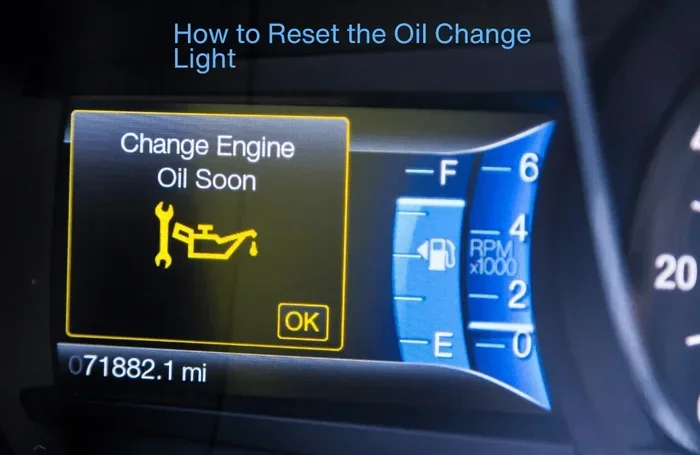
Your dashboard is full of sensors designed to catch problems early. The check engine light is the most well-known, but many cars also have a specific transmission warning light. If either one comes on, don’t ignore it.
The check engine light can trigger for many reasons, but transmission issues are a common cause. A mechanic can plug in a diagnostic scanner to read the error codes. These codes tell you exactly what part of the transmission is struggling. Ignoring these lights can lead to much bigger problems down the road.
5. Transmission Fluid Leaks
Transmission fluid leaks are one of the easiest problems to spot. Look for reddish-brown puddles under your parked car. Transmission fluid has a distinct color and consistency compared to engine oil or coolant.
Common leak points include the transmission pan gasket and the seals around the driveshaft. Even a small leak can cause serious damage if left unchecked. Low fluid means the internal parts aren’t getting proper lubrication. This leads to increased friction, heat, and eventually gear failure.
6. Delayed or Hesitant Shifting
Does your car hesitate before shifting into gear? A delay of one to two seconds is normal in some vehicles. But if the delay stretches longer, that’s a problem. Hesitant shifting often points to worn clutch packs or failing solenoids.
In automatic transmissions, you might notice the car stays in one gear too long before upshifting. Or the transmission might drop into a lower gear unexpectedly. Both of these behaviors signal that the transmission is struggling to do its job properly.
7. Gear Slipping
Gear slipping is one of the most dangerous transmission symptoms. It happens when the transmission unexpectedly pops out of gear or fails to hold gear under load. You might feel the RPMs spike without the car accelerating.
This is a serious safety concern. A slipping transmission can cause sudden power loss while driving. It often happens because the transmission bands or clutch plates are worn. In some cases, low fluid pressure caused by a failing pump is the culprit.
How to Check Your Transmission Fluid
Checking your transmission fluid is one of the simplest things you can do at home. It takes just a few minutes and gives you valuable insight into your transmission’s health. Here’s how to do it the right way.
First, make sure your car is parked on a level surface. Start the engine and let it warm up for a few minutes. Most vehicles require the engine to be running when you check the transmission fluid. Locate the transmission dipstick, which is usually labeled and found near the back of the engine bay.
Pull the dipstick out, wipe it clean, and reinsert it fully. Then pull it out again and read the level. The fluid should fall between the two marks on the dipstick. Check the color too. Healthy transmission fluid is reddish and translucent. Dark brown or black fluid means it’s time for a change.
Also pay attention to the smell. Fresh transmission fluid has a slightly sweet smell. If it smells burned or has a burnt toast odor, the fluid has broken down and needs immediate replacement.
Common Causes of Transmission Failure
Understanding what causes transmission problems helps you prevent them. Some causes are within your control, while others come from normal wear and tear. Let’s look at the most common reasons transmissions fail.
Low or Dirty Transmission Fluid
Transmission fluid is the lifeblood of your transmission. It lubricates all the moving parts and keeps the transmission cool. When fluid levels drop or the fluid becomes contaminated, everything suffers. Metal shavings from worn gears float in dirty fluid, causing even more damage.
Most manufacturers recommend changing transmission fluid every 30,000 to 60,000 miles. Check your owner’s manual for the exact interval. Skipping fluid changes is one of the leading causes of premature transmission failure.
Overheating
Transmissions generate a lot of heat, especially when towing heavy loads or driving in stop-and-go traffic. Overheating breaks down the fluid quickly and warps internal components. If you frequently drive in hot climates or haul heavy trailers, your transmission works harder than normal.
Installing an auxiliary transmission cooler can help prevent overheating. This is a smart upgrade if you regularly push your vehicle to its limits. Keeping your radiator in good shape also helps maintain proper transmission temperatures.
Ignoring Small Problems
Many transmission failures start with small, manageable issues. A minor leak today becomes a major repair next month. A slight delay in shifting today becomes complete gear failure next year. The biggest mistake car owners make is ignoring early symptoms.
Addressing small problems quickly saves you from expensive transmission replacement. A simple fluid change or seal repair costs a fraction of what a full rebuild or replacement runs. Listen to your car and act on the early warning signs.
Transmission Repair vs. Replacement: What’s the Difference?
When a transmission goes bad, you have several options. Understanding the difference between repair, rebuild, and full replacement helps you make the right decision for your budget and vehicle.
Transmission Repair
A repair typically targets one specific component. For example, a mechanic might replace a faulty solenoid or a damaged seal. Repairs are the least expensive option and work well when the damage is isolated to one part.
Repairs usually take less time too. You might be back on the road within a day or two. This option makes sense when the transmission core is still in good condition but a single part has failed.
Transmission Rebuild
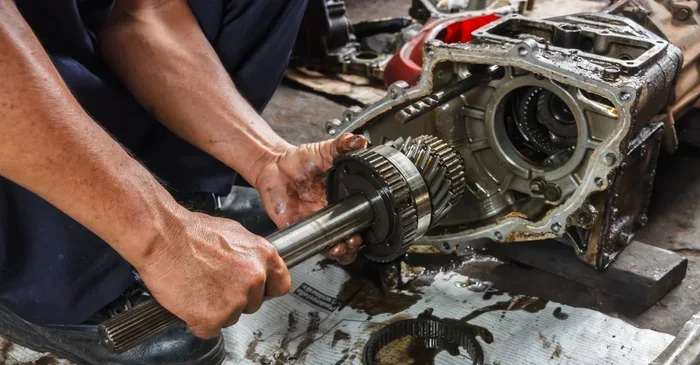
A rebuild involves disassembling the entire transmission and replacing worn parts. The mechanic inspects every component and replaces what’s damaged. The remaining good parts are cleaned and reinstalled. A rebuild is more expensive than a simple repair but less costly than a full replacement.
Rebuilds typically take three to five days at a shop. They’re a great middle-ground option when multiple parts have failed but the transmission housing is still solid.
Full Transmission Replacement
A full replacement means swapping out the old transmission for a new or remanufactured unit. This is the most expensive option, but sometimes it’s the only solution. Severe internal damage, a cracked case, or catastrophic failure often requires a complete replacement.
New transmissions can cost anywhere from $1,800 to $3,500 for parts alone. Add labor costs, and the total can range from $4,000 to $8,000 or more depending on your vehicle. This is why catching problems early is so important.
How Much Does a New Transmission Cost?
The cost of a new transmission varies widely based on your vehicle, the type of transmission, and where you live. Understanding the price breakdown helps you budget and avoid surprises.
For most passenger cars, you’re looking at $1,800 to $3,500 for the transmission unit itself. Labor charges typically add another $500 to $2,000 depending on the complexity of the job. Vehicles with rear-wheel drive or heavy-duty transmissions tend to cost more to replace.
Keep in mind that these are average figures. Luxury vehicles and trucks with large engines often require specialized transmissions that cost significantly more. Always get a detailed quote from a trusted mechanic before committing to any work.
Some vehicles are notorious for transmission problems. If you own one of these models, setting aside money for potential repairs is a smart move. Regular maintenance is your best defense against these costly repairs.
Can You Prevent Transmission Problems?
The short answer is yes, you can significantly reduce the risk of transmission failure with proper care. Prevention is always cheaper than repair, and the steps are simple. Here’s what you can do to keep your transmission healthy for years.
First, stick to the recommended transmission fluid change schedule. This is the single most important thing you can do. Fresh fluid keeps everything lubricated and cool. Second, avoid aggressive driving habits. Rapid acceleration and hard shifting put extra stress on transmission components.
Third, warm up your car gently in cold weather. Letting the engine idle for 30 to 60 seconds before driving gives the fluid time to circulate. Fourth, don’t overload your vehicle beyond its rated capacity. Extra weight puts additional strain on the transmission.
Finally, address any small issues immediately. A leak, a strange noise, or a slight delay in shifting should never be ignored. Quick action today prevents major expenses tomorrow.
When to See a Professional
While some basic checks like fluid level and color can be done at home, many transmission problems require professional diagnosis. A qualified mechanic has the tools and expertise to pinpoint issues accurately. They can perform a road test, read diagnostic codes, and inspect the transmission from underneath the vehicle.
If you notice any of the warning signs we’ve covered, don’t wait to get help. A professional inspection can reveal problems that aren’t visible from the outside. Early intervention is the key to keeping repair costs manageable and avoiding a complete transmission failure.
Some shops offer free or low-cost diagnostic services. This is a great way to get a professional opinion without a big upfront cost. Always ask for a written estimate before any major work is done on your vehicle.
Final Thoughts on Transmission Health
Your transmission works hard every time you drive. It deserves regular attention and care. Now you know how do I tell if I need a new transmission, and you have the tools to catch problems early. The warning signs are there, and they’re not subtle if you know what to look for.
Stay proactive with your vehicle maintenance. Check your fluid regularly. Listen to your car when it makes unusual sounds. And never ignore dashboard warning lights. These simple habits can add years of reliable service to your transmission and save you from expensive repairs.
Remember, a healthy transmission means a safe and smooth ride every time you hit the road. Take care of it, and it will take care of you.
Frequently Asked Questions
How do I know if my transmission is going bad?
Look for signs like grinding gears, burning smells, dashboard warning lights, and delayed shifting. These are the most common indicators that your transmission is failing. A professional diagnostic test can confirm the exact issue.
Can I drive my car if the transmission is slipping?
You should avoid driving a car with a slipping transmission. It can become dangerous if the transmission fails completely while you’re on the road. Get it inspected by a mechanic as soon as possible.
How often should I change my transmission fluid?
Most manufacturers recommend changing transmission fluid every 30,000 to 60,000 miles. Check your owner’s manual for the specific interval for your vehicle. Driving in harsh conditions may require more frequent changes.
Is it cheaper to rebuild or replace a transmission?
A transmission rebuild is typically cheaper than a full replacement. A rebuild costs around $2,500 to $4,000, while a full replacement can run $4,000 to $8,000 or more. The best option depends on the extent of the damage.
Can low transmission fluid cause shifting problems?
Yes, low transmission fluid is one of the most common causes of shifting problems. Without enough fluid, the transmission can’t build proper pressure to shift gears smoothly. Always check your fluid level if you notice shifting issues.
How long does a new transmission last?
A properly maintained new transmission can last 150,000 to 200,000 miles or more. Regular fluid changes and gentle driving habits play a big role in extending its lifespan. Some vehicles even reach 300,000 miles with excellent care.