How Do I Program a Key Fob for Myself at Home Step by Step
Programming a key fob at home is easier than most people think. With the right tools and a little patience, you can program a key fob yourself and skip the expensive dealer visit. This guide walks you through every step, from gathering your tools to testing the final setup. You will learn tips, tricks, and common mistakes to avoid. By the end, you will feel confident handling your own key fob programming.
Have you ever stood in front of your car, remote in hand, wondering how to program a key fob all by yourself? You are not alone. Many car owners face this exact situation. Maybe you bought a new replacement remote, lost your only working fob, or simply want to avoid the dealer bill. Whatever the reason, key fob programming at home is a skill that can save you time and money. In this guide, we will walk you through the entire process. You will learn what tools you need, the exact steps for most popular car brands, and how to troubleshoot common problems. By the time you finish reading, you will have everything you need to program a key fob yourself with confidence.
The process might seem intimidating at first. But here is the truth. Most modern vehicles use a simple pairing method that takes just a few minutes. You do not need to be a mechanic. You do not need expensive equipment. All you need is a little know-how and the right guidance. That is exactly what this article provides. We have broken down every step into simple, easy-to-follow instructions. So grab your remote, sit down, and let us get your key fob programming done right from your living room.
Key Takeaways
- You can save hundreds of dollars by programming a key fob at home instead of visiting a dealer.
- Basic tools like a 3M cloth for car cleaning and a fresh battery are all you need to get started.
- Every car brand has a slightly different process, so always check your vehicle owner’s manual first.
- Common mistakes include dead batteries and skipped steps, which can cause key fob programming to fail.
- An aftermarket key fob works just as well as an OEM one if you follow the correct programming method.
- Test your key fob immediately after programming to catch any issues before you need it on the road.
📑 Table of Contents
- What Is a Key Fob and Why Do You Need to Program It?
- Tools and Things You Will Need Before You Start
- Step-by-Step Guide to Program a Key Fob at Home
- Common Problems When You Try to Program a Key Fob
- Tips to Keep Your Key Fob Working Great
- When Should You Call a Professional Instead?
- Frequently Asked Questions About Key Fob Programming
- Conclusion
What Is a Key Fob and Why Do You Need to Program It?
A key fob is a small handheld device that lets you lock, unlock, and sometimes start your car without using a traditional metal key. Most modern vehicles come with push button start systems that rely on a smart key or remote fob. These little gadgets communicate with your car through a radio signal. When you press a button, the fob sends a coded message to your vehicle security system. The car receives the signal and responds accordingly.
But here is the catch. A new key fob does not work right out of the box. It needs to be paired with your specific vehicle. This process is called programming. Without proper key fob programming, your remote will just sit there doing nothing. The car will not recognize the signal. This is why many people end up paying a dealer hundreds of dollars to do the job. But you can do it yourself at home. Understanding how your transponder key and fob work together is the first step toward independence from dealer services.
How Does Key Fob Programming Work?
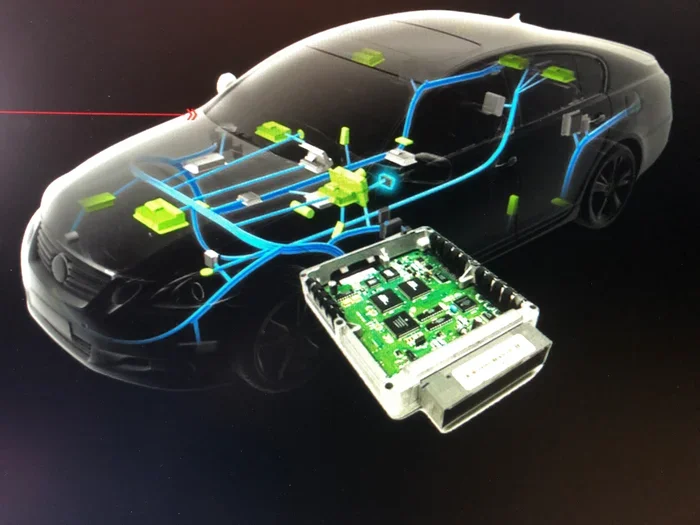
Every car has an immobilizer system built into its car ignition and car lock system. This system is designed to prevent theft. When you insert a key or bring a fob close, the immobilizer checks the code. If the code matches, the car starts. If it does not match, the engine stays locked out. Programming a new fob simply means teaching your car to recognize a new code. This happens through a specific sequence of button presses and ignition turns. Each car brand has its own sequence, which we will cover in detail later.
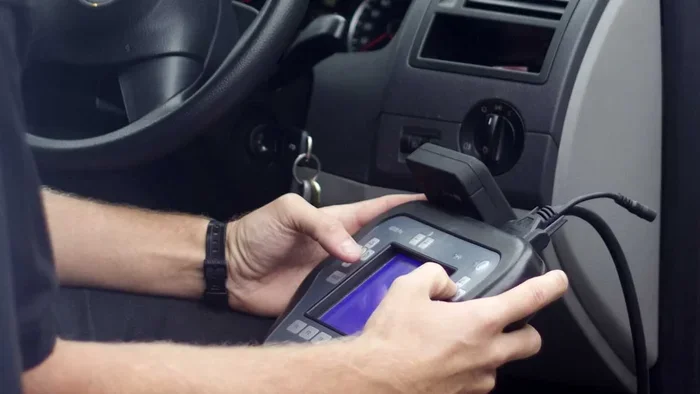
The good news is that the basic principle is the same across most vehicles. You put the car in a certain mode, press buttons on the fob, and the car learns the new signal. Some cars require a key fob programming tool or an OBD scanner, while others need nothing more than the physical key and the remote. The complexity depends on your vehicle model and year. Newer cars with advanced smart key systems may need a bit more effort, but it is still very doable at home.
Tools and Things You Will Need Before You Start
Before you dive into key fob programming, you need to gather a few things. Having everything ready will make the process smooth and frustration-free. Here is a simple checklist of what you should have on hand.
- A replacement key fob or remote — Make sure it is compatible with your car model. You can buy an aftermarket key fob or an OEM one from the dealer.
- A fresh battery for the fob — Most remotes use a CR2025 or CR2032 coin cell battery. A key fob battery replacement is often the first thing to check if your fob is not working.
- Your vehicle owner’s manual — This is your most important resource. It contains the exact programming steps for your specific car.
- A clean cloth — Grab a 3M cloth for car to wipe down your key fob and the areas around the car ignition before you start. Clean contacts help with signal strength.
- A fully charged phone or laptop — In case you need to look up extra instructions online for your specific model.
- A helper — Sometimes having a second person makes the process easier, especially for newer models with complex sequences.
One thing many people overlook is checking the key fob battery before they begin. If the battery in your new fob is dead, you will waste time trying to program something that does not work. Also, make sure your car battery is fully charged. A weak car battery can interrupt the programming process and cause errors. If your car has been sitting for a while, consider jumping it first. Taking these small precautions will save you a lot of headaches later.
Why Preparation Matters for Key Fob Programming
Think of key fob programming like baking a cake. If you do not prep your ingredients first, things get messy fast. The same goes for programming a remote. When you rush into the process without the right tools or a dead battery, you are setting yourself up for frustration. Taking ten minutes to gather everything can save you an hour of troubleshooting later. It is a small investment that pays off big time.
Step-by-Step Guide to Program a Key Fob at Home
Now comes the fun part. This is where you actually program a key fob yourself. Since every car brand has a slightly different process, we will cover the most common methods below. Start by finding your car brand in the list and follow the steps carefully.
Step 1: Enter the Programming Mode
The first step for almost all cars is to enter the programming or learning mode. This tells your vehicle that you want to teach it a new fob. The method varies by brand:
- Ford vehicles: Insert the key into the ignition and turn it from OFF to RUN eight times within ten seconds. The doors should lock and unlock to confirm you are in programming mode.
- Chevrolet vehicles: Press and hold the UNLOCK button on the driver door panel, then turn the ignition to ON and release. The doors will cycle to confirm the mode.
- Toyota vehicles: Insert the key into the ignition, turn it to ACC and then to ON three times within five seconds. The doors will lock and unlock.
- Honda vehicles: Turn the ignition to ON (do not start the engine), then within five seconds press the lock or unlock button on the fob.
Always double-check your vehicle owner’s manual for the exact sequence. Getting this step wrong means you will have to start over. Take your time and be precise with the timing.
Step 2: Press the Buttons on the New Fob
Once your car is in programming mode, pick up your new remote key fob. Press any button on it — usually the LOCK or UNLOCK button. You should see the doors lock and unlock again, or hear a confirmation sound. This means the car has accepted the new fob signal.
Some cars require you to press multiple buttons in sequence. Others need you to hold the button for a few seconds. Read the instructions carefully and do not rush. If your car accepts the fob, you will get a clear confirmation signal. This is the most satisfying moment in the whole process.
Step 3: Program Additional Fobs (If Needed)
If you are programming more than one fob, do it right after the first one while the car is still in programming mode. Most vehicles allow you to program multiple remotes in a single session. Simply repeat Step 2 for each additional fob. Once you are done, turn the ignition off and exit programming mode. Test all the fobs to make sure they work.
Step 4: Exit Programming Mode and Test
After programming all your fobs, turn the ignition off and step away from the car. Walk to a reasonable distance — about 10 to 20 feet — and test the key fob range by pressing the LOCK and UNLOCK buttons. The doors should respond immediately. Try starting the car with the fob if your vehicle has push button start. If everything works, congratulations. You just programmed a key fob at home successfully.
If you drive a Suzuki Swift, many owners in the community also use 7D car mats for Swift and share programming tips specific to that model. Checking forums for your exact car model can provide extra insights and shortcuts.
Common Problems When You Try to Program a Key Fob
Even with careful preparation, things can go wrong. Do not worry. Most issues are easy to fix. Here are the most common problems people run into when they try to program a key fob at home.
The Car Does Not Enter Programming Mode
This is the number one issue. If your car does not respond to the ignition sequence, you might be timing it wrong. The steps usually require very precise timing — within a few seconds. Try again and count slowly. Make sure you are using the correct key in the ignition. Some cars will not enter programming mode with a non-programmed key. Also, check that your car battery is strong enough to support the process.
The Fob Does Not Get Recognized
If the car enters programming mode but does not recognize the new fob, the battery in the remote might be dead or installed incorrectly. Remove the battery, check the orientation, and put a fresh one in. Also, make sure you are pressing the right buttons. Some fobs require you to hold a button for three to five seconds. Another possibility is that the fob itself is defective. Try a different replacement fob if you have one available.
The Key Fob Works but Has a Short Range
Sometimes the fob programs successfully but only works when you are standing right next to the car. This usually means the key fob signal is weak. Check the battery quality — cheap batteries can cause range issues. Also, make sure nothing is blocking the fob antenna area. If you recently cleaned your car with a 3M cloth for car, residue from the cleaner might be interfering with the signal. Wipe the fob clean and try again.
Multiple Fobs Stop Working After Programming
This happens when the programming sequence erases previously programmed fobs. Some car models reset all remotes when you enter programming mode. If this happens, you will need to reprogram all of your fobs again. This is why it is important to have all your remotes ready before you start the process. Having everything at hand saves you from this frustrating situation.
Interference from Other Electronics
Believe it or not, other electronics near your car can interfere with key fob programming. Parking near a cell tower, a radio tower, or even another vehicle with a similar frequency can cause problems. Try moving your car to a different location — ideally a quiet, open area away from other vehicles — and try programming again.
Tips to Keep Your Key Fob Working Great
Once you have successfully programmed a key fob, you want it to keep working reliably for years. Here are some practical tips to extend the life of your remote and maintain strong performance.
- Replace the battery every one to two years. A fading battery is the most common cause of a key fob not working. Watch for signs like reduced range or needing to press buttons multiple times.
- Keep the fob clean. Dirt and grime can build up on the buttons and internal contacts. Use a soft 3M cloth for car to gently wipe the fob down regularly.
- Store the fob away from extreme heat. Leaving your remote on the dashboard in direct sunlight can damage the electronics inside. Keep it in a cool, dry place.
- Avoid dropping the fob. Physical impacts can damage the internal circuit board. A protective case helps absorb shocks.
- Test the range regularly. Stand a few feet away from your car and test all buttons. Catching a weak signal early gives you time to replace the battery before you get locked out.
- Keep a spare fob programmed. Having a backup remote saves you from a lot of stress. If one fob fails, you are never stuck without access to your vehicle.
If you enjoy tinkering with electronics and understand how circuits work, you might appreciate how the 12V DC motor for toy car technology shares some basic principles with the electronics inside your key fob. Both rely on small batteries and radio signals to function. Understanding this connection can give you a deeper appreciation for how your remote communicates with your car.
When Should You Call a Professional Instead?
There is no shame in calling a professional. Some situations are simply better left to the experts. If you have tried the steps above and your key fob programming keeps failing, it might be time to seek help. Here are some signs that you should call a locksmith or dealer:
- Your car will not enter programming mode no matter what you try.
- You have a transponder key that requires specialized cloning equipment.
- Multiple fobs have stopped working and you cannot get any of them to pair.
- The immobilizer system is throwing an error that you cannot clear.
- You are not comfortable working with your car’s ignition and electrical system.
A professional locksmith who specializes in car key replacement can often program a fob for less than the dealer charges. Many locksmiths carry universal key fob programmers that work with multiple car brands. This can save you both time and money. The key is knowing when to ask for help. Trying too hard on your own can sometimes make the problem worse.
For road trips and longer journeys, having a properly functioning fob is essential. If you frequently travel with a large group in a 10 seater car for travelling, a reliable key fob ensures everyone can access the vehicle quickly and easily. Do not let a faulty remote ruin your travel plans.
Comparison: DIY Programming vs. Professional Programming
| Factor | DIY Programming | Professional Programming |
|---|---|---|
| Cost | Free (just the fob cost) | $50 to $200 for service |
| Time Required | 10 to 30 minutes | 30 minutes to 1 hour |
| Difficulty Level | Easy to moderate | Easy (they handle it) |
| Risk of Errors | Low if you follow steps | Very low |
| Tools Needed | Basic household items | Specialized equipment |
| Best For | Simple fob replacements | Complex transponder or smart key systems |
As you can see, DIY programming works great for most standard remotes. If your car uses a basic remote key fob without advanced security features, you can almost certainly handle it yourself. For high-end vehicles with complex smart key systems, a professional might be the safer choice.
Frequently Asked Questions About Key Fob Programming
You probably still have some questions. That is completely normal. Programming a key fob is not something most people do every day. Here are the answers to the most common questions we get.
Can I program a key fob without the original remote?
Yes, in most cases you can program a new fob without the original. However, the process varies by car brand. Some vehicles require at least one working key or fob to enter programming mode. Check your vehicle owner’s manual or search online for your specific model. If you have no working remotes at all, you may need a locksmith to help you get started.
How much does it cost to program a key fob yourself?
Programming a key fob yourself costs nothing except the price of the replacement fob. A new aftermarket remote typically costs between $15 and $50, depending on the brand and features. Compare that to the $100 to $300 a dealer or locksmith might charge for the same service. The savings are significant when you do it at home.
How long does key fob programming take?
For most vehicles, the entire process takes between 10 and 30 minutes. Simple remotes can be programmed in under five minutes. More advanced systems with multiple fobs or smart key technology might take a little longer. The key is to follow the steps carefully and not rush through the process.
Why does my newly programmed key fob not work?
The most common reason is a dead or incorrectly installed battery in the new fob. Remove the battery, check the orientation, and replace it with a fresh one. Also, make sure you followed the programming sequence exactly. Timing matters. If the problem persists, the fob itself may be defective or incompatible with your vehicle.
Can I use a universal key fob with my car?
Yes, universal key fobs work with many car brands. You simply need to program them using your vehicle’s specific method. Universal remotes are available at most auto parts stores and online. They are a great budget-friendly option if you need a replacement remote quickly. Just make sure the universal fob is compatible with your car’s frequency and system before purchasing.
Do I need any special equipment for key fob programming?
For most basic remotes, you need nothing more than a fresh battery and your vehicle owner’s manual. Some advanced vehicles require an OBD scanner or a key fob programming tool. These devices are relatively affordable and can be found online. However, for the majority of car owners, the built-in programming method in the vehicle is all you need.
Conclusion
Learning how to program a key fob for yourself at home is one of the most useful skills a car owner can develop. It saves you money, gives you independence, and takes only a small amount of your time. With the steps outlined in this guide, you now have everything you need to tackle the job with confidence. Remember to gather your tools first, follow your car’s specific programming sequence carefully, and always test your fob afterward.
Do not let a dead remote or a lost key fob throw your day off track. With a little preparation and the right approach, you can handle this task yourself. Whether you are replacing a worn-out remote, adding a backup fob, or simply trying to avoid the dealer bill, home programming is the way to go. Take your time, stay patient, and trust the process. Your newly programmed key fob will be ready to go in no time, and you will have the satisfaction of knowing you did it yourself.