How Do I Clear My Service Engine Soon Light
How Do I Clear My Service Engine Soon Light is an essential topic that provides valuable insights and practical knowledge for anyone interested in learning more about this subject.
Key Takeaways
- Understanding How Do I Clear My Service Engine Soon Light: Provides essential knowledge for making informed decisions
- Practical applications: Can be applied in various real-world scenarios
- Key benefits: Offers significant advantages when properly implemented
- Important considerations: Requires attention to specific details and best practices
- Future implications: Continues to evolve and impact related fields
📑 Table of Contents
- What Does the Service Engine Soon Light Actually Mean?
- Common Reasons Your Service Engine Soon Light Comes On
- How Do I Clear My Service Engine Soon Light: Step-by-Step Guide
- DIY vs Professional: Which Approach Is Right?
- Common Mistakes When Clearing the Service Engine Soon Light
- Preventing Future Service Engine Soon Light Issues
- Key Takeaways
What Does the Service Engine Soon Light Actually Mean?
So your service engine soon light just popped up on your dashboard, and now you’re probably staring at it like a deer in headlights. Trust me, you’re not alone. Millions of drivers see this warning every single day, and it can mean everything from a loose gas cap to a serious engine problem. The key is not to panic but to understand what your car is actually telling you.
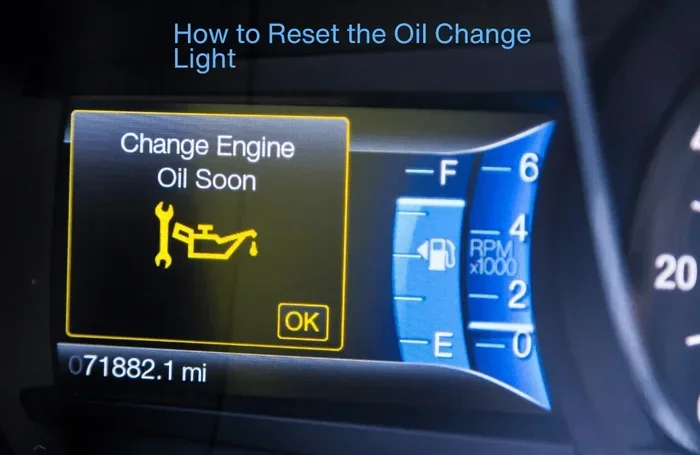
The service engine soon light is part of your vehicle’s onboard diagnostics system. When your car’s computer — the ECU or Engine Control Unit — detects something wrong with the engine or emission control system, it triggers this warning indicator. Think of it as your car saying, “Hey, something’s off here. Let’s take a look.”
Understanding this dashboard alert is the first step toward solving the problem. Sometimes it’s a tiny fix. Other times, it signals a bigger issue that needs professional attention. Either way, knowing what this light means puts you ahead of the game.
Steady Light vs. Flashing Light
Here’s something most people don’t realize: the way the light behaves matters a lot.
- Steady light: This usually means a non-emergency issue. Your car can still drive, but you should get it checked soon. A loose fuel cap is a common culprit here.
- Flashing light: This is serious. It often indicates an engine misfire that could damage your catalytic converter. Pull over safely and turn off your engine if you see this.
If you’re ever unsure, it’s always better to play it safe. You can also check related topics like Can I Drive My Car After It Overheats for more guidance on handling car warnings safely.
Common Reasons Your Service Engine Soon Light Comes On
Now that you know what this light means let’s talk about why it shows up in the first place. There are dozens of possible reasons, but most service engine soon alerts come down to a handful of common causes. Let’s break them down.
Loose or Damaged Fuel Cap
This is the simplest and most common reason. Your fuel cap seals your gas tank and keeps pressure at the right level. If it’s loose, cracked, or missing, your car’s computer detects a leak in the emission system and lights up your dashboard alert. The good news? Tightening or replacing the cap often clears the light within a few drives.
Faulty Oxygen Sensor
Your oxygen sensor measures how much oxygen is in your exhaust gases. When it fails, your engine burns fuel inefficiently. A bad oxygen sensor can hurt your gas mileage and increase emission control problems. Replacing it is usually affordable, but ignoring it can lead to bigger issues down the road.
Issues with the Catalytic Converter
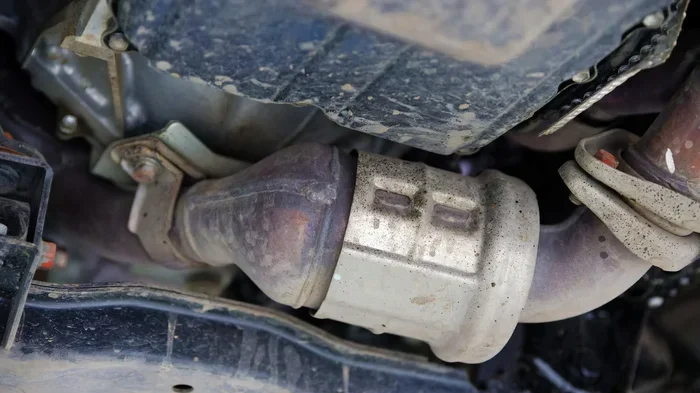
The catalytic converter reduces harmful emissions from your exhaust. When it gets clogged or fails, your engine performance drops, and the service engine soon light activates. This is a more expensive fix, but it’s critical for your car to pass vehicle maintenance inspections and run cleanly.
Ignition Coil or Spark Plug Problems
Worn-out spark plugs or failing ignition coils cause misfires. Your engine runs rough, and your car’s onboard diagnostics system catches it immediately. Swapping out old spark plugs is one of the easiest and cheapest fault code fixes you can do at home.
Air Filter and Throttle Body Buildup
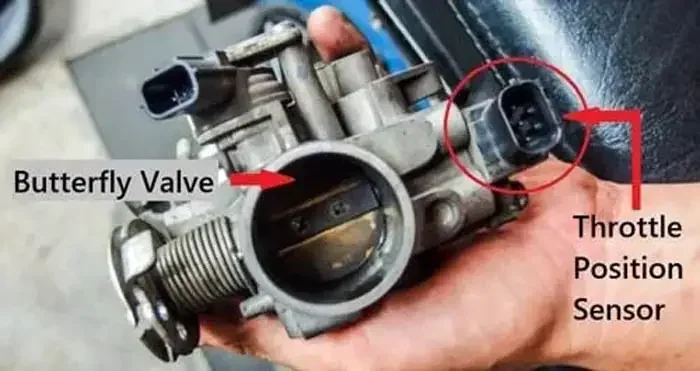
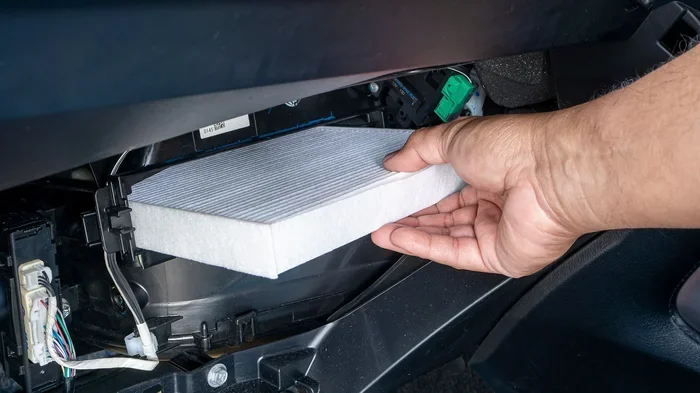
A dirty air filter restricts airflow to your engine. Similarly, a grimy throttle body can cause idle issues and poor acceleration. Both problems trigger the service engine soon light and affect daily driving. Regular cleaning keeps these issues at bay.
How Do I Clear My Service Engine Soon Light: Step-by-Step Guide
This is the big question, right? How do I clear my service engine soon light? The answer depends on the underlying cause, but here’s a complete walkthrough of the most common methods. Whether you’re a DIY fan or prefer professional help, you’ll find a path that works for you.
Step 1: Check the Obvious Things First
Before grabbing any tools, do a quick visual check.
- Tighten your fuel cap until it clicks. Drive a few miles and see if the light goes off.
- Look for any visible damage under the hood — loose wires, cracked hoses, or disconnected connectors.
- Check your spark plugs and air filter condition if you can.
Sometimes the fix is embarrassingly simple. Don’t skip this step.
Step 2: Use an OBD-II Scanner
An OBD-II scanner is your best friend here. This device plugs into a port under your steering column and reads the diagnostic trouble codes stored in your car’s computer. Here’s how it works:
- Find your OBD-II port. It’s usually under the dashboard on the driver’s side.
- Plug in the OBD-II scanner and turn your ignition to “on” without starting the engine.
- Read the fault codes the scanner displays. These codes tell you exactly what’s wrong.
- Look up the code online or in your vehicle’s manual to understand the issue.
- Fix the problem, then use the scanner to clear the codes and reset the ECU.
You can buy a basic OBD-II scanner for under $30 at any auto parts store. If you want more advanced features, Bluetooth scanners that work with smartphone apps are great too.
Step 3: Disconnect the Battery (ECU Reset)
A battery disconnect is a more heavy-handed approach to ECU reset. This method works when you’ve already fixed the underlying issue and just need to reset the warning indicator. Here’s how:
- Turn off your car and disconnect the negative battery terminal.
- Wait at least 15 minutes. Some people wait up to an hour to be safe.
- Reconnect the terminal and start your car.
- The service engine soon light should be off. Drive around and see if it comes back.
Quick Tip: Be aware that disconnecting your battery may reset radio presets, clock settings, and other memory functions. Write down any codes before you do this.
Step 4: Fix the Root Cause
Here’s the most important step. Clearing the light without fixing the real problem is pointless. The light will come right back — sometimes within a few miles. Always address the diagnostic trouble codes first, then clear them. This is where a tool like an OBD-II scanner really shines because it tells you exactly what to repair.
Think of it this way: if your car has a fever, clearing the service engine soon light is like taking the thermometer away. It doesn’t cure the illness. You need to treat the actual cause.
Quick Tips for a Successful Reset
- Always read and save your fault codes before clearing anything.
- Drive your car for 50-100 miles after a reset so the onboard diagnostics system can run its full monitoring cycle.
- If the light returns within a few drives, the problem isn’t fully fixed yet.
- Keep a basic OBD-II scanner in your trunk for future issues.
DIY vs Professional: Which Approach Is Right?
One of the biggest decisions you’ll face is whether to handle the service engine soon light issue yourself or take your car to a mechanic. There’s no one-size-fits-all answer. It depends on the problem, your skill level, and your comfort under the hood.
When DIY Makes Sense
Some issues are perfect for home fixes. If your OBD-II scanner reveals a simple fault code like a loose fuel cap, worn spark plugs, or a bad oxygen sensor, you can absolutely handle it yourself. These repairs typically require basic tools and a little patience.
You can also explore DIY options for related tasks. For instance, if you’re handy, you might even try to reprogram your ECM yourself in some cases, though it requires some technical knowledge.
When to Call a Professional
Some situations demand expert hands. If the diagnostic trouble codes point to a failing catalytic converter, transmission issues, or internal engine problems, you need a trained mechanic. Attempting complex repairs without proper skills can cause more harm than good.
If you’re worried about costs, it helps to know what you’re getting into. Check out our article on Do Auto Mechanics Make Good Money to understand labor costs better and feel more confident about professional repair quotes.
Comparison Table: DIY vs Professional Repair
| Factor | DIY Repair | Professional Repair |
|---|---|---|
| Cost | Lower — parts only | Higher — parts + labor |
| Time | Flexible, slower | Faster, same-day often |
| Skill Needed | Basic mechanical knowledge | Advanced training and tools |
| Best For | Spark plugs, fuel cap, sensors | Catalytic converter, engine rebuilds |
| Warranty | None (unless parts have warranty) | Usually covered by shop warranty |
| Tools Required | Basic wrench set, OBD-II scanner | Specialized diagnostic equipment |
Common Mistakes When Clearing the Service Engine Soon Light
Even with the best intentions, people make mistakes when trying to reset their service engine soon light. Here are the most common errors to avoid.
Clearing the Code Without Fixing the Problem
This is the biggest mistake. If you clear the fault code but don’t address the underlying issue, the light will return. Worse, the underlying problem could get worse while you’re driving around with a temporarily cleared warning indicator.
Using the Wrong Scanner or Tool
Not all OBD-II scanners are created equal. Cheap scanners might only read generic codes and miss manufacturer-specific ones. Invest in a quality scanner that reads both types of diagnostic trouble codes for accurate results.
Disconnecting the Battery Without Thinking It Through
A battery disconnect works for ECU reset, but it also wipes useful data. Your mechanic might need those stored codes and freeze frame data to diagnose the problem accurately. If you’ve already fixed the issue, this isn’t a concern. But if you haven’t, you’re essentially deleting your best diagnostic clues.
Ignoring the Light Because It’s “Just a Sensor”
People often dismiss the service engine soon light when it points to something like a throttle body sensor or a fuel cap issue. But even small problems affect your engine performance and emission control. A loose air filter can reduce your fuel economy over time. Always take these alerts seriously, even if they seem minor.
Not Driving Enough Miles After a Reset
After clearing codes, your car needs to run through what’s called a drive cycle. This is a series of driving conditions that allow the onboard diagnostics system to recheck everything. If you don’t drive long enough, the system might not fully reset, and the light could come back prematurely. Typically, 50 to 100 miles of varied driving does the trick.
Preventing Future Service Engine Soon Light Issues
Nobody wants to see that dreaded dashboard alert light up again. The good news is that regular vehicle maintenance can prevent most causes of the service engine soon light. Here’s how to keep your car running cleanly.
Follow Your Service Schedule
Every car has a recommended service interval in the owner’s manual. This includes oil changes, spark plug replacements, air filter swaps, and more. Sticking to this schedule catches problems before they trigger your warning indicator.
Use Quality Fuel and Oil
Cheap gas can contain impurities that mess with your oxygen sensor and catalytic converter. Similarly, low-quality oil doesn’t protect your engine properly. Using the right fuel and oil for your specific vehicle reduces unnecessary stress on your engine performance systems.
Pay Attention to Early Warning Signs
Cars don’t just go from perfect to a service engine soon light overnight. Watch for subtle signs like:
- Slight drops in fuel economy
- Rough idling or stalling
- Unusual smells from the exhaust
- Slight vibrations at highway speeds
- Difficulty starting the engine
Catching these signs early can prevent a full fault code trigger. If you notice anything off, run a quick OBD-II scanner check even if the light isn’t on. Early detection saves money and headaches.
Keep Your Electrical System Healthy
Corroded battery terminals or a weak battery can cause erratic sensor readings. Regularly inspect your battery and charging system. A healthy electrical system ensures your onboard diagnostics and all sensors communicate properly with your ECU.
Key Takeaways
Let’s wrap everything up neatly. Here are the most important things to remember about your service engine soon light:
- The service engine soon light is your car’s way of telling you something needs attention. Don’t ignore it.
- A steady light is usually non-urgent. A flashing light means pull over now.
- Use an OBD-II scanner to read diagnostic trouble codes before attempting any reset.
- Always fix the root cause before clearing codes. Otherwise, the light will return.
- DIY fixes work for simple issues like fuel cap problems, spark plugs, and oxygen sensors. Leave complex work to professionals.
- Regular vehicle maintenance is the best prevention strategy.
Knowing how do I clear my service engine soon light is a valuable skill for any car owner. But more importantly, understanding why the light came on in the first place keeps your car reliable and safe. Take your time, follow the steps in this guide, and don’t hesitate to visit a trusted mechanic if the problem is beyond your comfort zone. Your car — and your wallet — will thank you.
Frequently Asked Questions
How Do I Clear My Service Engine Soon Light?
You can clear the service engine soon light by using an OBD-II scanner to retrieve and erase the stored diagnostic trouble codes. Simply plug the scanner into the port under your dashboard, read the codes, and select the option to clear them. Once cleared, the light should turn off after a few driving cycles if the underlying issue has been resolved.
Can I Clear the Service Engine Soon Light Myself at Home?
Yes, you can clear the service engine soon light yourself using an affordable OBD-II scanner or by disconnecting the car battery for a few minutes. However, keep in mind that the light will likely return if the root problem has not been fixed. It is always best to diagnose the issue first before attempting to clear any warning lights.
Will Disconnecting the Battery Clear My Service Engine Soon Light?
Disconnecting the battery can reset the service engine soon light by draining the stored codes from the vehicle’s computer memory. To do this, simply remove the negative battery terminal, wait about 15 minutes, and reconnect it. That said, this method does not fix the actual problem, and the light may come back once the car’s systems relearn their values.
Is It Safe to Drive With the Service Engine Soon Light On?
Driving with the service engine soon light on is generally safe if the light is steady and the car is running normally. However, if the light is flashing, you should pull over safely and seek help right away, as a flashing light often signals a serious engine misfire. Ignoring the warning for too long can lead to costly damage to the catalytic converter or other components.
What Common Issues Trigger the Service Engine Soon Light?
The service engine soon light can be triggered by a wide range of issues, from a loose gas cap to faulty oxygen sensors, spark plugs, or catalytic converter problems. Other common causes include a malfunctioning mass airflow sensor, engine vacuum leaks, or a failing ignition coil. Getting a proper diagnostic scan will pinpoint the exact reason the light came on in the first place.
How Much Does It Cost to Clear the Service Engine Soon Light at a Shop?
Most auto parts stores will read and clear the service engine soon light for free, while dealerships and independent mechanics typically charge between $75 and $150 for a diagnostic scan. The actual cost depends on what repairs are needed after the codes are read. Clearing the light itself is inexpensive, but fixing the underlying issue is what really matters for your vehicle’s health.