Top Harley 131 Engine Problems and How to Fix Them
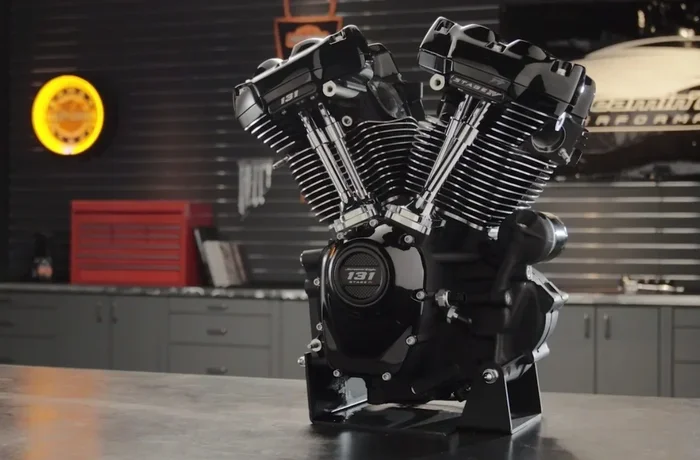
The Harley 131 Engine Problems can range from overheating and oil leaks to valve and fuel injection issues. Understanding these common troubles helps riders catch them early and avoid costly repairs. This guide walks you through every major problem with clear, step-by-step fixes anyone can follow. Whether you are a weekend rider or a daily commuter, this article gives you the knowledge to keep your Milwaukee-Eight engine running smooth and reliable.
The Milwaukee-Eight 131 is a powerhouse. It delivers serious torque and that classic Harley rumble riders love. But even the best engines run into trouble. And when your Harley 131 Engine Problems start showing up, it can feel overwhelming. You might hear strange noises, notice power loss, or see warning lights on your dash.
Here is the good news. Most of these issues are fixable if you catch them early. This article breaks down the most common Harley 131 Engine Problems in plain language. You will learn what causes each problem, how to spot the warning signs, and exactly how to fix them. No mechanic degree required. Let us dive in.
Key Takeaways
- Overheating is the #1 enemy: Regular coolant checks and airflow maintenance prevent most heat-related failures.
- Oil leaks often point to simple fixes: Gasket replacements and proper torque can save hundreds in shop bills.
- Valve adjustments keep your engine breathing right: Skipping this maintenance leads to poor performance and expensive damage.
- Fuel injection problems are common but solvable: Clean injectors and check your air filter regularly.
- Timing chain wear causes serious engine knock: Replace it on schedule to avoid catastrophic damage.
- Preventive maintenance beats reactive repairs: A solid service routine catches small issues before they become big problems.
📑 Table of Contents
- Understanding the Milwaukee-Eight 131 Engine
- Engine Overheating: The Most Common Issue
- Oil Leaks: Messy but Usually Fixable
- Valve and Camshaft Issues
- Fuel Injection and Air Delivery Problems
- Timing Chain and Engine Knock
- Piston Ring and Cylinder Head Concerns
- Preventing Harley 131 Engine Problems Before They Start
- Expert Insights on Harley 131 Reliability
- Comparison: Common Harley 131 Problems at a Glance
- Final Thoughts on Harley 131 Engine Problems
Understanding the Milwaukee-Eight 131 Engine
Before we get into the problems, let us talk about what makes this engine special. The Milwaukee-Eight 131 replaced the Twin Cam 110 in 2018. It is a 131 cubic inch V-twin engine built for touring and cruising. Harley-Davidson designed it with better cooling and more power output. The engine features a single camshaft and four valves per cylinder. This setup gives you smoother operation and more low-end torque.
But bigger displacement also means more heat and more stress on internal parts. The Harley 131 Engine Problems many riders face often come from this increased workload. Knowing how the engine works helps you understand why things go wrong. And understanding the root cause makes fixing them much easier.
Engine Overheating: The Most Common Issue
Overheating tops the list of Harley 131 Engine Problems for a reason. The Milwaukee-Eight 131 runs hot, especially in stop-and-go traffic or on hot days. When the engine temperature climbs too high, you risk warped cylinder heads, blown gaskets, and even cracked pistons.
Signs Your Engine Is Overheating
Watch for these warning signs on your ride:
- The temperature gauge climbs into the red zone
- You notice steam or smoke coming from the engine
- The engine feels sluggish or loses power
- You smell a sweet coolant odor near the bike
- The engine runs rough after heating up
What Causes Overheating
Several factors contribute to Milwaukee-Eight 131 overheating. Low coolant levels are the most common culprit. A faulty thermostat can also trap heat inside the engine block. Clogged radiator fins restrict airflow, and a failing water pump stops coolant from circulating properly.
Riding with a heavy load or pulling a trailer adds extra heat. Hot weather makes it worse. Even a clogged air filter can reduce cooling efficiency by limiting airflow to the engine.
How to Fix Overheating
Start with the basics. Check your coolant level regularly. Flush and refill the coolant every two years. Inspect the thermostat and replace it if it sticks open or closed. Clean your radiator fins with a soft brush to remove bugs and debris. Make sure your water pump is working correctly.
Consider adding an aftermarket cooling fan if you ride in hot climates. And always give your engine time to warm up before hitting the road hard. These simple Harley maintenance tips go a long way in preventing heat damage.
Quick Tip: On hot days, take breaks every hour to let your engine cool down. This one habit can prevent most overheating issues.
Oil Leaks: Messy but Usually Fixable
Oil leaks are frustrating. They leave dark spots on your driveway and can turn a nice ride into a greasy mess. The Milwaukee-Eight 131 has several common leak points that riders should know about.
Common Leak Points
The most frequent leak spots include:
- The valve cover gasket
- The oil filter housing
- The drain plug
- The camshaft seals
- The oil cooler lines
Valve cover gaskets fail over time because of heat cycling. The rubber hardens and cracks, letting oil seep out. The drain plug can leak if you over-tighten it during an oil change. And the oil filter housing gasket is a known weak spot on the 131.
How to Fix Oil Leaks
First, identify the source. Clean the engine thoroughly, then take a short ride and look for fresh oil trails. For valve cover gasket leaks, remove the covers and replace the gaskets. Use a torque wrench to tighten the bolts evenly. Do not over-tighten.
For the oil filter housing, replace the gasket and filter. Make sure the new filter seats properly. If the drain plug leaks, replace the washer and hand-tighten it first, then snug it with a wrench.
Oil leaks left unchecked can lead to low oil levels. Low oil means poor lubrication. And poor lubrication leads to engine wear. So fix leaks early. Your engine will thank you.
Valve and Camshaft Issues
The valve train and camshaft are the heart of your engine’s breathing system. When something goes wrong here, you feel it immediately. Rough idle, power loss, and strange clicking noises all point to valve or cam problems.
Valve Adjustment Problems
The Milwaukee-Eight 131 uses hydraulic lash adjusters in most cases. But these can fail, especially at high mileage. When the adjusters wear out, your valves do not seal properly. This causes compression loss and that annoying tapping sound at idle.
Symptoms of valve trouble include:
- Clicking or tapping noise from the engine
- Rough or unstable idle
- Loss of power at high RPM
- Engine running hotter than normal
Fixing this requires a valve adjustment. You need to measure the clearances with a feeler gauge and adjust the adjusters to spec. If you are not comfortable doing this yourself, take it to a Harley specialist. A proper valve job costs much less than replacing damaged pistons or cylinder heads.
Camshaft Failure
Camshaft failure is rare but serious. The single camshaft in the Milwaukee-Eight 131 controls both intake and exhaust valves. Oil starvation is the primary cause of cam wear. If your oil changes are late or you use the wrong oil weight, the cam lobes can wear down.
Signs of camshaft problems include:
- Misfires at idle or under load
- Poor fuel economy
- Engine running rough across all RPM ranges
- Clicking or tapping that gets louder with acceleration
Replacing a camshaft is a major job. It requires removing the engine case covers and often the transmission. Prevention through regular oil changes with quality synthetic oil is your best defense.
Fuel Injection and Air Delivery Problems
The Milwaukee-Eight 131 uses electronic fuel injection. While this system is more precise than carburetors, it has its own set of issues. Dirty injectors, clogged air filters, and sensor failures can all cause problems.
Dirty or Clogged Fuel Injectors
Fuel injectors spray a fine mist of gas into the combustion chamber. Over time, varnish and carbon buildup clog the injector nozzles. This causes uneven fuel delivery, leading to a rich fuel mixture or a lean fuel mixture. Both are bad for engine performance.
Symptoms of clogged injectors:
- Engine misfires or hesitation
- Rough idle
- Reduced fuel economy
- Difficulty starting
You can clean injectors with a fuel system cleaner added to your tank. For severe clogs, you need to remove and ultrasonic-clean the injectors or replace them entirely.
Air Filter and Intake Issues
A clogged air filter restricts airflow to the engine. This creates a rich fuel mixture that fouls spark plugs and reduces power. The air filter clogging problem is especially common for riders who frequently ride in dusty or dirty conditions.
Check your air filter every few rides. Replace it when it looks dirty or feels oily. Use a high-quality replacement filter designed for the Milwaukee-Eight 131. Aftermarket filters like K&N can be cleaned and reused, but make sure you oil them correctly.
Timing Chain and Engine Knock
The timing chain keeps your engine’s valves and pistons in sync. When the chain stretches or wears, it throws off the timing. This leads to engine knock, poor performance, and potential internal damage.
What Causes Timing Chain Wear
Timing chain stretch happens naturally over time. But certain factors accelerate wear:
- Infrequent oil changes
- Using low-quality or wrong-weight oil
- Riding at high RPMs for extended periods
- Excessive carbon buildup inside the engine
When the timing chain stretches too far, it skips teeth on the sprockets. This changes the valve timing and causes that distinctive engine knock. The knock sounds like a metallic rattling that gets louder with acceleration.
How to Fix Timing Chain Problems
Timing chain replacement is a significant repair. It requires removing the front engine cover and often the primary drive. A mechanic will replace the chain, the tensioner, and the sprockets as a set. This is not a DIY job for most riders unless you have significant engine experience.
The best approach is prevention. Change your oil on schedule. Use the recommended oil weight. And listen for early warning signs like a slight rattle at startup. Catching chain wear early can prevent the need for a full replacement.
Piston Ring and Cylinder Head Concerns
Internal engine parts like piston rings and the cylinder head endure extreme heat and pressure. When these components fail, the problems can be severe.
Piston Ring Failure
Piston rings seal the combustion chamber and control oil consumption. When rings fail, you get compression loss and increased oil burning. Symptoms include:
- Blue or white smoke from the exhaust
- Excessive oil consumption
- Loss of compression and power
- Engine knocking under load
Piston ring failure often results from overheating or running the engine with low oil. It can also happen from poor fuel quality or carbon buildup. Replacing piston rings requires removing the cylinder head and pistons. This is a major engine rebuild job.
Cylinder Head Warping and Cracks
The cylinder head sits on top of the engine block and seals the combustion chambers. Overheating is the primary cause of head warping and cracks. When the head warps, it does not seal properly, leading to compression loss and coolant leaks.
Signs of cylinder head problems:
- Coolant loss without visible external leaks
- White smoke from the exhaust
- Overheating that comes on suddenly
- Bubbles in the coolant reservoir
A warped head can sometimes be resurfaced by a machine shop. Cracked heads need replacement. Regular coolant maintenance and avoiding overheating are the best ways to prevent these issues.
Preventing Harley 131 Engine Problems Before They Start
Prevention is always better than repair. A solid maintenance routine keeps your Milwaukee-Eight 131 running strong for years. Here is what every owner should do.
Stick to a Regular Service Schedule
Follow the factory service intervals for oil changes, valve adjustments, and coolant flushes. Harley-Davidson provides a detailed maintenance schedule in your owner’s manual. Stick to it religiously.
Use Quality Parts and Fluids
Never cheap out on oil, filters, or gaskets. Use Harley-recommended or high-quality aftermarket parts. Synthetic oil performs better under the high heat conditions the 131 engine generates. Premium fuel also helps keep your fuel system clean.
Monitor Your Engine Health
Pay attention to how your bike feels and sounds. A change in idle quality, a new noise, or a drop in performance are all early warning signs. Address them quickly before small issues become expensive repairs.
Keep It Clean
Regularly clean your engine and cooling system components. Bugs, dirt, and debris on the radiator and engine block trap heat. A clean engine runs cooler and lasts longer.
Expert Insights on Harley 131 Reliability
Experienced Harley mechanics agree that the Milwaukee-Eight 131 is a reliable engine when properly maintained. The most common Harley Davidson engine trouble they see comes from neglected maintenance rather than design flaws.
“The 131 is a great engine,” says one veteran Harley technician. “But riders need to stay on top of oil changes and coolant checks. Overheating is the number one killer of these engines, and it is almost always preventable.”
Another common expert recommendation is to avoid running the engine at sustained high RPMs for long periods. The Milwaukee-Eight 131 is built for torque and cruising, not for redline racing. Respect the engine’s design purpose and it will reward you with years of reliable service.
Riders who live in hot climates should consider additional cooling upgrades. Aftermarket radiator guards, improved cooling fans, and heat shields can all help manage engine temperature in extreme conditions.
Comparison: Common Harley 131 Problems at a Glance
| Problem | Severity | Common Cause | Fix Difficulty |
|---|---|---|---|
| Engine Overheating | High | Low coolant, faulty thermostat | Moderate |
| Oil Leaks | Low to Medium | Worn gaskets, loose drain plug | Easy to Moderate |
| Valve Adjustment Issues | Medium | Worn hydraulic adjusters | Moderate |
| Camshaft Failure | High | Oil starvation, poor maintenance | Difficult |
| Fuel Injector Clogging | Low to Medium | Carbon buildup, dirty fuel | Easy |
| Timing Chain Stretch | High | Infrequent oil changes | Difficult |
| Piston Ring Failure | High | Overheating, low oil | Very Difficult |
| Cylinder Head Damage | High | Overheating, age | Difficult |
Final Thoughts on Harley 131 Engine Problems
The Milwaukee-Eight 131 is an impressive engine. It delivers the power and sound that make Harley-Davidson bikes so iconic. But like any engine, it needs care and attention.
The Harley 131 Engine Problems discussed in this article are all manageable when you know what to look for. Overheating, oil leaks, valve issues, fuel injection troubles, timing chain wear, and internal component failures all have clear causes and proven fixes. The key is catching problems early and addressing them before they snowball.
Stay on top of your maintenance schedule. Use quality parts and fluids. Listen to your engine. And when something feels off, do not ignore it. A quick inspection today can save you thousands of dollars tomorrow.
Your Harley deserves the best care you can give it. And now you have the knowledge to provide it. Ride safe, ride smart, and keep that Milwaukee-Eight 131 running strong for many more miles to come.
Frequently Asked Questions
What are the most common Harley 131 Engine Problems riders face?
The most common issues include engine overheating, oil leaks from valve covers and gaskets, valve adjustment problems, fuel injector clogging, and timing chain stretch. Overheating is the biggest concern because it can lead to serious internal damage if not addressed quickly.
How can I prevent my Milwaukee-Eight 131 from overheating?
Check your coolant level regularly and flush it every two years. Keep your radiator fins clean and free of debris. Inspect the thermostat and water pump during routine service. Avoid riding in extreme heat for long periods without taking breaks to let the engine cool down.
Is it expensive to fix Harley 131 Engine Problems?
It depends on the problem. Simple fixes like oil leak repairs and injector cleaning are affordable. But major issues like camshaft failure or piston ring replacement can be expensive because they require significant engine disassembly. Preventive maintenance keeps costs low.
How often should I adjust the valves on my Harley 131?
Harley-Davidson recommends checking valve clearances at every service interval, which is typically every 5,000 to 10,000 miles. The hydraulic lash adjusters self-adjust in most cases, but they can wear out and need replacement at higher mileage.
Can I fix Harley 131 Engine Problems myself?
Simple tasks like checking coolant, replacing the air filter, and fixing minor oil leaks are DIY-friendly. But complex repairs like timing chain replacement, valve adjustments, and internal engine work are best left to experienced mechanics. Know your limits and when to seek professional help.
What oil should I use in my Milwaukee-Eight 131?
Harley-Davidson recommends their synthetic motorcycle oil or a high-quality equivalent that meets their specifications. Always use the weight recommended in your owner’s manual. Synthetic oil handles the high operating temperatures of the 131 engine better than conventional oil.