Does Car Insurance Cover U-Haul Rentals?
Yes, your personal car insurance may cover U-Haul rentals, but it depends on your policy type and limits. Many standard auto policies extend liability and collision coverage to rental trucks, yet there are important gaps you need to know about. U-Haul also offers its own insurance options that can fill those gaps and protect you from costly out-of-pocket expenses during your move.
Moving to a new home is stressful enough without worrying about insurance. If you are renting a U-Haul truck, one question keeps popping up: does car insurance cover U-Haul rentals? The short answer is maybe. But the full picture is more nuanced than most people expect.
Your personal auto policy, U-Haul’s own insurance products, and even your credit card might all play a role. Understanding how these pieces fit together can save you from unexpected bills and headaches on moving day. This guide breaks everything down in plain language so you can make the right call before you hit the road.
Whether you are moving across town or across the state, knowing your coverage options matters. A single accident or unexpected damage can turn a smooth move into a financial nightmare. Let us walk through exactly how car insurance works with U-Haul rentals so you can move with confidence.
Key Takeaways
- Personal auto insurance often covers U-Haul rentals: Liability and collision coverage may extend to rental trucks, but you must check your specific policy limits.
- U-Haul offers multiple insurance add-ons: Coverage options include liability, collision damage waiver, and cargo protection for added peace of mind.
- Credit card coverage may apply: Some credit cards provide secondary rental truck insurance, but restrictions and exclusions apply.
- Gaps in coverage are common: Many policies exclude rental trucks over a certain weight class or do not cover commercial use.
- Without proper coverage, you risk significant financial exposure: Damage to the truck, cargo, or third-party property can lead to thousands in out-of-pocket costs.
- Checking your policy before your move is essential: A quick call to your insurer can save you from surprise bills and stress during an already hectic moving day.
📑 Table of Contents
- Understanding U-Haul Rental Insurance Basics
- How Your Personal Auto Policy Applies to U-Haul Rentals
- What U-Haul Offers for Insurance Coverage
- Does Credit Card Coverage Help With U-Haul?
- Common Scenarios: When Insurance Kicks In
- Tips to Make Sure You Are Fully Covered
- Common Mistakes People Make With U-Haul Insurance
- Expert Insights on Rental Truck Insurance
- Key Takeaways
- Conclusion
Understanding U-Haul Rental Insurance Basics
Before you rent a truck, it helps to understand what kind of insurance U-Haul requires and what it offers. Not all rental trucks are treated the same way under insurance policies. U-Haul vehicles are larger and heavier than standard cars, which changes the insurance equation.
What Type of Vehicle Is a U-Haul?
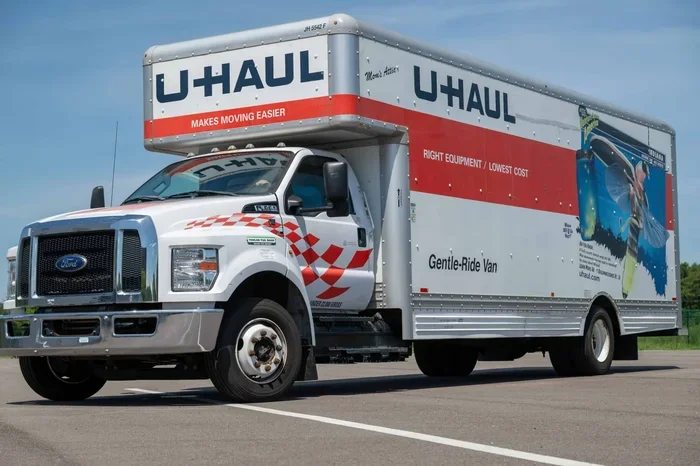
U-Haul trucks are classified as rental trucks or moving vans. They are not standard passenger vehicles. This distinction matters because many personal auto insurance policies have specific rules about rental trucks. Some policies cover them fully. Others limit coverage based on the truck’s size or weight class.
When you rent a U-Haul, you are essentially operating a large commercial vehicle for personal use. Insurance companies treat this differently than a standard sedan rental. The truck’s size, weight, and cargo capacity all factor into how your policy responds.
Why Insurance Matters for Rental Trucks
Moving trucks are involved in thousands of accidents every year. The damage potential is much higher than a fender bender in a compact car. A U-Haul loaded with furniture and belongings can weigh 10,000 pounds or more. If something goes wrong, the costs can pile up fast.
Without proper insurance, you could be responsible for:
- Damage to the rental truck itself
- Damage to other vehicles or property
- Injuries to yourself or others
- Loss or damage to your personal belongings
- Towing and storage fees
These costs can easily reach thousands of dollars. Having the right coverage in place before you pick up the truck is not just smart. It is essential.
How Your Personal Auto Policy Applies to U-Haul Rentals
Most people assume their car insurance automatically covers any vehicle they drive. That is not always true. Whether your personal auto policy covers a U-Haul rental depends on several factors.
Liability Coverage and U-Haul
Liability coverage is the part of your auto insurance that pays for damage you cause to others. In most states, this is required by law. The good news is that liability coverage typically extends to rental trucks, including U-Haul vehicles.
If you accidentally hit another car while driving your U-Haul, your liability coverage should help pay for the other driver’s repairs and medical bills. However, there are limits. If the damages exceed your policy limits, you are responsible for the rest.
Collision and Comprehensive Coverage
Does your collision coverage apply to a U-Haul? In most cases, yes. If you have comprehensive and collision coverage on your personal auto policy, it usually extends to rental trucks. This means your insurer would help pay for repairs to the U-Haul if you are at fault in an accident.
But here is the catch. Your policy may exclude certain types of vehicles. Some policies do not cover trucks over a specific weight limit. Others exclude vehicles used for commercial purposes. Before your move, call your insurance provider and ask directly whether your policy covers rental trucks like U-Haul.
Uninsured and Underinsured Motorist Coverage
If another driver causes an accident involving your U-Haul, uninsured motorist coverage can protect you. This coverage pays for your medical bills and vehicle repairs when the other driver has no insurance or insufficient coverage. It typically extends to rental trucks as well.
Check your policy for this coverage. It is especially important when driving a large rental truck where you may be more vulnerable in a collision.
What U-Haul Offers for Insurance Coverage
Even if your personal insurance covers U-Haul rentals, U-Haul also offers its own insurance products at the rental counter. These options can supplement or fill gaps in your existing coverage. Understanding what U-Haul provides helps you make informed decisions.
U-Haul’s Liability Insurance
U-Haul offers liability coverage that pays for damage you cause to other people or property. This is similar to the liability portion of your personal auto policy. U-Haul’s liability insurance typically starts at $25 per day and increases coverage limits as you add more.
If you already have strong liability coverage on your personal auto policy, you may not need U-Haul’s additional liability insurance. But if your personal limits are low, U-Haul’s coverage can provide a valuable safety net.
Collision Damage Waiver (CDW)
The collision damage waiver is one of the most important add-ons U-Haul offers. CDW limits your financial responsibility if the U-Haul truck is damaged or stolen. Without CDW, you could be on the hook for the full cost of repairs, which can be substantial for a large rental truck.
U-Haul’s CDW typically costs around $19 to $39 per day depending on the truck size. It removes or reduces the deductible you would otherwise owe. For many renters, this is worth the peace of mind, especially if their personal insurance has a high deductible.
Saving on U-Haul Insurance
U-Haul occasionally offers insurance discounts, especially for longer rental periods or through membership programs. If you are a member of certain organizations or have certain credit cards, you might qualify for reduced rates on U-Haul’s insurance products. Always ask about available discounts before you pay.
Does Credit Card Coverage Help With U-Haul?
Many credit cards offer rental car insurance as a perk. But does this coverage extend to U-Haul trucks? The answer depends on your specific card and its terms.
How Credit Card Rental Coverage Works
Most credit card rental insurance programs provide secondary coverage. This means they kick in after your personal auto insurance pays out. They do not replace your primary coverage. Instead, they help cover deductibles, gaps, or damages that your personal policy does not address.
Some credit cards also offer primary coverage, which pays out first without requiring you to file a claim with your auto insurer. However, primary coverage from credit cards often has restrictions. Many exclude trucks, vans, and vehicles over a certain weight class. U-Haul trucks frequently fall into this exclusion category.
Checking Your Credit Card Benefits
Before relying on credit card coverage for your U-Haul rental, read the fine print. Call your credit card company and ask specifically whether rental trucks are covered. Do not assume that because it covers rental cars, it covers rental trucks too.
Keep in mind that you usually must decline U-Haul’s insurance at the counter and pay for the rental entirely with your credit card to activate this coverage. If you purchase U-Haul’s insurance separately, your credit card coverage may not apply.
Common Scenarios: When Insurance Kicks In
Understanding how insurance works in real-world situations helps you prepare for your move. Here are some common scenarios you might face with a U-Haul rental.
Scenario 1: Minor Fender Bender
You are backing up the U-Haul and bump into a parked car. Your personal auto liability coverage should cover the other driver’s damages up to your policy limits. If you purchased U-Haul’s collision damage waiver, it covers the truck’s damage. Your deductible may still apply depending on your policy.
Scenario 2: Weather Damage
A sudden storm causes a tree branch to fall on your U-Haul while it is parked. If you have comprehensive coverage on your personal auto policy, this type of damage is typically covered. Without comprehensive coverage, you would pay out of pocket unless you purchased U-Haul’s damage waiver.
Scenario 3: Theft of the Truck
If someone steals the U-Haul truck or breaks into it and steals your belongings, comprehensive coverage on your personal auto policy would help cover the truck. Your homeowners or renters insurance may cover stolen belongings. U-Haul’s CDW can also provide protection against theft.
Scenario 4: Driving in an Area Where You Are At Fault
You get into an accident in another state. Your personal auto insurance generally follows you regardless of where you drive. However, if the other driver’s damages exceed your liability limits, you could face a personal lawsuit. This is another reason to make sure your coverage limits are adequate for a large rental truck.
Tips to Make Sure You Are Fully Covered
Protecting yourself before your move is much easier than dealing with problems afterward. Follow these practical tips to make sure your insurance situation is solid.
Review Your Policy Before You Move
Call your insurance company at least a week before your move. Ask specifically whether your policy covers rental trucks and what the limits are. Get the answer in writing if possible. This simple step can prevent major headaches later.
Document Everything
When you pick up the U-Haul, take photos of any existing damage. Note them on the rental agreement. When you return the truck, take photos again. This protects you from being charged for damage that was already there when you rented the vehicle.
Consider Your Cargo Too
Your car insurance does not cover your personal belongings inside the U-Haul. If your furniture or boxes get damaged during the move, you are responsible. Consider purchasing moving insurance or checking whether your homeowners policy covers belongings during a move.
Compare U-Haul’s Offerings With Your Existing Coverage
Do not just buy U-Haul’s insurance blindly. Compare what they offer with what your personal policy already covers. You might find that you only need one or two add-ons instead of the full package. This can save you significant money on your rental.
For more general guidance on rental vehicle insurance, you might find it helpful to read about whether a spouse can drive a rental car to understand broader rental insurance scenarios. Similarly, if you are exploring different rental options, check out what it takes to rent a car at age 24 for additional context on rental requirements and insurance considerations.
Common Mistakes People Make With U-Haul Insurance
Avoid these common pitfalls that leave renters unprotected and facing unexpected costs.
- Assuming your personal policy covers everything. Many policies exclude rental trucks above a certain size. Always verify.
- Relying solely on credit card coverage. Most credit cards exclude large trucks like U-Haul vehicles from their rental coverage.
- Skipping the damage waiver to save money. A single incident can cost far more than the daily waiver fee.
- Not reading the rental agreement carefully. The agreement outlines your financial responsibility. Know what you are signing.
- Forgetting about cargo coverage. Your belongings are not covered by auto insurance. Protect your possessions separately.
Expert Insights on Rental Truck Insurance
Insurance experts recommend treating a U-Haul rental with the same seriousness as any vehicle purchase. The truck is expensive to replace, and the potential for damage is high. Experts suggest reviewing your policy limits and considering umbrella insurance if you frequently rent large vehicles.
An umbrella policy provides additional liability coverage beyond your standard auto policy. If you move regularly or plan a long-distance move with a large U-Haul, an umbrella policy can offer valuable extra protection. These policies are relatively affordable and provide peace of mind that standard auto coverage alone cannot match.
Insurance professionals also advise renters to understand the difference between primary and secondary coverage. Primary coverage pays first without requiring you to file a claim elsewhere. Secondary coverage only pays after your other insurance has been exhausted. Knowing this difference helps you make smarter choices at the rental counter.
If you are curious about how different vehicles affect insurance, you might also want to read about whether you can leave your car at Enterprise for insights into rental vehicle logistics and insurance implications.
Key Takeaways
- Your personal auto policy may cover U-Haul rentals: Liability, collision, and comprehensive coverage often extend to rental trucks, but verify your specific policy limits and exclusions.
- U-Haul offers its own insurance products: Options like liability coverage, collision damage waiver, and cargo protection can fill gaps in your existing coverage.
- Credit card coverage rarely applies to U-Haul trucks: Most credit card rental insurance programs exclude large trucks, so do not rely on this as your primary protection.
- Coverage gaps are common and costly: Without proper insurance, you could face thousands in out-of-pocket expenses for damage, theft, or third-party claims.
- Review your policy before your move: A quick call to your insurance provider can clarify what is covered and what is not, saving you stress and money.
- Document everything at pickup and return: Photos and written notes protect you from false damage claims.
Conclusion
The question does car insurance cover U-Haul rentals does not have a one-size-fits-all answer. Your personal auto policy may provide coverage, but there are often limitations and exclusions that can leave you exposed. U-Haul’s own insurance products and credit card benefits add layers of protection, but they come with their own rules and restrictions.
The best approach is to take a proactive step. Review your policy, ask your insurance provider specific questions, and compare U-Haul’s offerings before you commit. A little preparation goes a long way toward a stress-free move.
Insurance might not be the most exciting part of planning a move, but it is one of the most important. Protect yourself, your belongings, and your finances by making sure you have the right coverage in place. A smooth move starts with the right preparation, and that includes understanding your insurance.
Frequently Asked Questions
Will my personal car insurance cover a U-Haul truck?
In most cases, yes. Your personal auto insurance policy’s liability, collision, and comprehensive coverage typically extends to rental trucks like U-Haul. However, some policies exclude trucks over a certain weight class or vehicles used for commercial purposes. Always verify with your insurer before your move.
Does U-Haul require you to have insurance?
Yes, U-Haul requires renters to have some form of insurance coverage. You can use your personal auto insurance, purchase U-Haul’s insurance products at the counter, or rely on credit card coverage if it applies. Without any coverage, you cannot rent a U-Haul truck.
Can I use my credit card’s rental insurance for a U-Haul?
Most credit card rental insurance programs exclude large trucks like U-Haul vehicles. They typically cover standard passenger cars and SUVs but not commercial-sized rental trucks. Check with your credit card company to confirm whether U-Haul rentals are included in your benefits.
What happens if I get in an accident with a U-Haul and I have no insurance?
If you do not have insurance and get into an accident, you are personally responsible for all damages. This includes repairs to the U-Haul truck, other vehicles, property damage, and any medical bills. The costs can easily reach tens of thousands of dollars, putting you at serious financial risk.
Does U-Haul’s collision damage waiver cover cargo damage?
No, U-Haul’s collision damage waiver covers damage to the truck itself, not the cargo inside it. If your belongings are damaged during the move, you would need separate coverage. Your homeowners or renters insurance may cover this, or you can purchase moving insurance from U-Haul or a third-party provider.
How much does U-Haul insurance cost per day?
U-Haul’s insurance options vary by coverage type. Liability coverage starts at around $25 per day, while the collision damage waiver typically costs between $19 and $39 per day depending on the truck size. Cargo insurance is available for an additional daily fee. These costs add up over a long rental period, so compare them with your existing coverage before purchasing.