Does Car Insurance Cover Scratches and Dents on Your Car
Car insurance may cover scratches and dents, but it depends on your policy type and the cause of the damage. Comprehensive coverage typically handles non-collision damage like keying or hail, while collision coverage applies to accident-related dents. Always check your deductible before filing a claim, as small repairs might cost more out of pocket than a premium increase.
Your car is one of the biggest investments you will ever make. So it is natural to worry when you notice a fresh scratch or a nasty dent on the body. The big question is simple: does car insurance cover scratches and dents? The answer is not a straight yes or no. It depends on your policy type, the cause of the damage, and how bad the repair is. In this guide, we break it all down so you know exactly what to expect and what to do.
Many drivers assume their insurance will pay for every scratch. That is not always true. Some policies only kick in for major accidents, while others cover minor incidents like a shopping cart ding in a parking lot. Understanding the difference can save you hundreds of dollars and a lot of headaches. Let us walk through everything you need to know about car insurance and body damage.
Key Takeaways
- Comprehensive coverage usually covers scratches and dents from non-accident causes like weather, vandalism, and theft.
- Collision coverage pays for dents caused by car accidents, but you must pay your deductible first.
- Liability insurance alone does not cover damage to your own vehicle.
- Filing a claim for minor damage may raise your premiums more than the repair cost.
- Small scratches are often cheaper to fix out of pocket than to involve insurance.
- Documenting damage with photos and police reports strengthens your claim.
- Understanding your policy helps you decide whether to file or pay privately.
📑 Table of Contents
- How Car Insurance Handles Scratches and Dents
- When Does Insurance Cover Scratches?
- When Does Insurance Cover Dents?
- How to File an Insurance Claim for Scratches and Dents
- When Filing a Claim Makes Sense and When It Does Not
- Common Mistakes Drivers Make with Scratch and Dent Claims
- How to Prevent Scratches and Dents in the First Place
- How Scratches and Dents Affect Your Car’s Value
- Key Takeaways
How Car Insurance Handles Scratches and Dents
Car insurance is not one single thing. It is made up of different types of coverage. Each one covers different situations. When it comes to scratches and dents, two main types of coverage matter most: comprehensive and collision. Let us look at each one closely.
What Is Comprehensive Coverage?
Comprehensive coverage pays for damage that is not caused by a collision. This includes scratches from vandalism, dents from falling tree branches, and damage from hail storms. It also covers theft-related damage. If someone keys your car in a parking lot, comprehensive coverage has your back.
Here are common situations where comprehensive coverage applies:
- Vandalism like keying or graffiti
- Weather damage such as hail or falling debris
- Animal damage from a deer collision or bird strikes
- Theft or attempted theft that leaves marks
- Fire damage that causes surface scratches or dents
Keep in mind that comprehensive coverage comes with a deductible. This is the amount you pay out of pocket before your insurance kicks in. Deductibles typically range from $250 to $1,000. If the repair cost is less than your deductible, it might not be worth filing a claim at all.
What Is Collision Coverage?
Collision coverage handles damage from accidents involving another vehicle or an object like a fence or wall. If you hit a pole and dent your bumper, collision coverage pays for the repair. It also covers single-car accidents, like rolling your vehicle into a curb.
Collision coverage is especially useful for dents caused by:
- Parking lot accidents where someone backs into you
- Single-vehicle crashes into poles, barriers, or guardrails
- Hit-and-run incidents where the other driver flees
Like comprehensive coverage, collision coverage requires a deductible. The key difference is the type of event that triggers the claim. Both types of coverage are optional on most policies, but lenders often require them if you have a car loan or lease.
When Does Insurance Cover Scratches?
Not every scratch qualifies for an insurance claim. The cause of the scratch matters a lot. Let us break this down into clear scenarios so you know when you are covered and when you are not.
Scratches Caused by Weather or Natural Events
If a heavy branch falls on your car during a storm and leaves deep scratches, comprehensive coverage will likely cover the repair. Similarly, if hail pockmarks your hood and creates scratch-like marks, you are in good shape. These are non-collision events that comprehensive policies are designed for.
Quick Tip: After a storm, take photos of all damage immediately. This documentation makes filing a claim much smoother.
Scratches Caused by Vandalism or Theft
Keying your car is one of the most common causes of scratch damage. The good news is that comprehensive coverage typically covers vandalism. If someone slashes your tires or scratches your doors, your insurance should pay for the repairs minus your deductible.
However, there is a catch. If the damage is minor and the repair cost is close to your deductible amount, it may not be worth filing. For example, if a scratch costs $300 to fix and your deductible is $500, you would pay the full amount anyway. In that case, paying out of pocket makes more sense.
Scratches from Accidents
If you get into a fender bender and the other driver is at fault, their liability insurance should cover your scratch repairs. You can file a claim with their insurance company. If the other driver does not have insurance, your uninsured motorist coverage may step in.
When you are at fault in an accident, your collision coverage pays for your scratch damage. Again, you will need to cover your deductible first.
When Does Insurance Cover Dents?
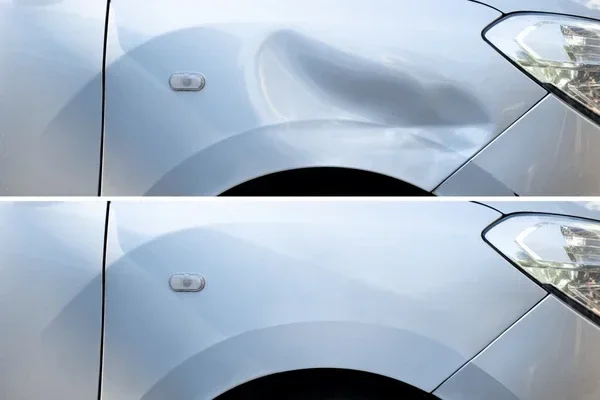
Dents are a different beast than scratches. They often cost more to repair and can affect the structural integrity of your vehicle. Here is how insurance handles different types of dents.
Dents from Collisions
If you rear-end another car or hit a concrete barrier, the resulting dents on your vehicle fall under collision coverage. Your insurer will pay for the repair after you pay your deductible. If the other driver caused the accident, their liability insurance should cover your costs without touching your deductible.
Important: Always get a police report after an accident. This document is crucial evidence when you file a claim for dent repairs.
Dents from Falling Objects
A heavy branch crashing onto your roof or a grocery cart rolling into your parked car can cause serious dents. These incidents fall under comprehensive coverage. The same applies to dents from ice buildup or debris kicked up by another vehicle on the highway.
Dents from Weather Events
Hail damage is one of the most common reasons drivers file comprehensive claims. Hail can cause hundreds of tiny dents across your hood, roof, and trunk. Most comprehensive policies cover hail damage, but you will need to prove the cause. Photos and a professional assessment help strengthen your case.
If you live in an area prone to severe weather, comprehensive coverage is a smart investment. It protects your vehicle from the kinds of damage that regular driving cannot prevent.
Dents from Animal Contact
Hitting a deer or having a bear scratch your vehicle causes dents and body damage. Comprehensive coverage typically handles these claims. This is one reason why comprehensive coverage is so valuable, especially for drivers in rural or wooded areas.
How to File an Insurance Claim for Scratches and Dents
Filing a claim might sound intimidating, but it does not have to be. Here is a simple step-by-step guide to help you through the process.
Step 1: Document the Damage
Before you do anything else, take clear photos of every scratch and dent. Shoot from multiple angles and include close-ups of the worst damage. If the incident happened in a public place, look for security cameras that might have captured what happened.
Step 2: Gather Supporting Information
Collect any relevant information. This includes police reports, witness statements, and photos of the scene. If another vehicle caused the damage, get their insurance information and license plate number.
Step 3: Contact Your Insurance Company
Call your insurance provider or use their app to start a claim. Be ready to describe what happened, when it happened, and the extent of the damage. The sooner you report, the better.
Step 4: Get an Estimate
Your insurer will likely require a repair estimate from a certified shop. Some companies have direct repair programs that streamline this process. Others will ask you to get your own estimate first.
Step 5: Pay Your Deductible and Get Repaired
Once the claim is approved, you pay your deductible. The insurance company covers the rest up to your policy limits. Then you take your car to the approved shop and get it fixed.
Remember that filing a claim for minor damage might increase your premiums at renewal. Weigh the repair cost against the potential premium hike before deciding.
When Filing a Claim Makes Sense and When It Does Not
Not every scratch or dent warrants an insurance claim. Here is a simple way to think about it.
File a Claim When:
- The repair cost is significantly higher than your deductible
- The damage is from a major event like a storm or accident
- Another party is at fault and their insurance is slow to respond
- The damage affects your safety or the structural integrity of the vehicle
Pay Out of Pocket When:
- The repair cost is close to or less than your deductible
- The damage is minor and cosmetic only
- You have a no-claim bonus that you do not want to lose
- The repair is quick and affordable at a local shop
For example, if a small scratch costs $200 to fix and your deductible is $500, paying out of pocket saves you money. But if a dent costs $1,500 to repair and your deductible is $500, filing a claim makes financial sense.
Common Mistakes Drivers Make with Scratch and Dent Claims
Avoiding mistakes can save you time, money, and frustration. Here are the most common errors drivers make when dealing with insurance for body damage.
Waiting Too Long to Report
Insurance companies have time limits for filing claims. Waiting weeks to report damage can result in a denied claim. Always report damage as soon as you notice it.
Not Documenting Properly
Vague claims without evidence get denied. Take photos, write down details, and keep all receipts related to the damage. The more evidence you have, the stronger your claim.
Ignoring Minor Damage
Small scratches can lead to rust if left untreated. What starts as a cosmetic issue can become a costly repair later. Address minor damage promptly even if you do not file a claim.
Choosing the Cheapest Repair Shop
Some discount shops use low-quality parts or poor techniques. This can affect your safety and your vehicle’s resale value. Choose a reputable shop, even if it costs a bit more.
Assuming All Damage Is Covered
Many drivers assume their insurance covers everything. But if you only have liability coverage, your own vehicle damage is not covered. Check your policy to understand exactly what is included.
How to Prevent Scratches and Dents in the First Place
Prevention is always better than repair. Here are some practical tips to keep your car looking its best.
- Park in garages or covered areas whenever possible
- Avoid tight parking spots where shopping carts and doors can hit your car
- Use a car cover if you park outside frequently
- Keep a safe following distance to avoid debris from the car ahead
- Wash your car regularly to remove dirt and debris that can cause micro-scratches
- Apply a ceramic coating or paint protection film for extra defense
Taking these simple steps can significantly reduce your risk of damage. And it keeps your insurance premiums lower by avoiding unnecessary claims.
How Scratches and Dents Affect Your Car’s Value
Even small scratches can reduce your car’s resale value. Buyers notice body damage, and it often leads to lower offers. Dents can also indicate underlying structural issues that buyers worry about. Keeping your car scratch-free is not just about appearance. It is about protecting your investment.
If you plan to sell or trade in your vehicle, address body damage before putting it on the market. A professional paint correction or dent repair job can pay for itself through a better sale price.
In some cases, extensive damage can put a vehicle in a category similar to a salvage title vehicle. This means the insurance company declared it a total loss because the repair costs exceeded the car’s value. Understanding this connection helps you appreciate why some claims are handled the way they are.
Key Takeaways
- Comprehensive coverage usually covers scratches and dents from non-accident causes like weather, vandalism, and theft.
- Collision coverage pays for dents caused by car accidents, but you must pay your deductible first.
- Liability insurance alone does not cover damage to your own vehicle.
- Filing a claim for minor damage may raise your premiums more than the repair cost.
- Small scratches are often cheaper to fix out of pocket than to involve insurance.
- Documenting damage with photos and police reports strengthens your claim.
- Understanding your policy helps you decide whether to file or pay privately.
Frequently Asked Questions
Does liability insurance cover scratches on my car?
No, liability insurance only covers damage you cause to other people or their property. It does not pay for scratches or dents on your own vehicle. You need comprehensive or collision coverage for your own car damage.
Will filing a claim for a small scratch raise my insurance premium?
It might. Insurance companies track claims history, and even small claims can affect your rates. If the repair cost is close to your deductible, paying out of pocket is usually the smarter choice.
How much does it cost to fix a scratch on a car?
Scratch repair costs vary widely. A surface-level scratch might cost $50 to $150 to buff out. A deep scratch that reaches the primer could cost $300 to $800 or more, depending on the location and severity of the damage.
Does car insurance cover scratches from a car wash?
If the scratches were caused by a malfunctioning car wash machine, your comprehensive coverage may apply. However, if you caused the scratches by improper washing techniques, insurance typically will not cover them. You can learn more about car wash damage in our guide on whether a wrapped car can go through a carwash.
What is the deductible for scratch and dent claims?
Your deductible depends on your specific policy. Most drivers choose deductibles between $250 and $1,000. The deductible applies per claim, so you pay that amount before your insurance covers the rest of the repair cost.
Should I file a claim for a dent caused by a parking lot incident?
It depends on the cost of repair. If the dent costs more than your deductible to fix, filing a claim makes sense. If it is a minor dent that costs less than your deductible, pay out of pocket to protect your no-claim bonus and avoid premium increases.
=== CONCLUSION ===
Does car insurance cover scratches and dents? The answer comes down to your policy type and the cause of the damage. Comprehensive coverage handles most non-accident damage, while collision coverage covers accident-related dents and scratches. Liability insurance alone will not pay for your own vehicle repairs.
Before filing any claim, weigh the repair cost against your deductible and the potential premium increase. Sometimes paying out of pocket is the smarter financial move. Other times, filing a claim is the right call. Understanding your policy inside and out puts you in the best position to make that decision confidently.
Take the time to review your coverage today. Know what is included, what your deductible is, and when it makes sense to file. Your future self will thank you when an unexpected scratch or dent shows up on your car. Stay proactive, stay informed, and keep your vehicle protected.