Car Number Plate Fonts Everything You Need To Know
Car number plate fonts are more than just a style choice — they are regulated, functional, and essential for road legality. Whether you own a classic car or a daily driver, understanding number plate font rules can save you from fines and failed MOT tests. This guide covers every aspect of car number plate fonts, from legal specifications to popular style choices and common mistakes to avoid.
You might think a car number plate font is just a random set of letters and numbers stamped on a piece of metal. But there is a lot more going on behind those simple characters than most people realize. Every curve, every stroke width, and every pixel of spacing on your plate is governed by rules. These rules exist for one big reason — readability and safety.
Whether you are buying new plates for your daily driver, restoring a classic car, or just curious about what makes a plate legal, understanding car number plate fonts is essential. In this guide, we will walk you through everything. We will cover legal requirements, popular font styles, common mistakes, and how to make sure your plates pass inspection every time. Let us dive right in.
Key Takeaways
- Legal Compliance Matters: Car number plate fonts must meet strict government regulations to be road legal.
- Charles Wright Is the Standard: The UK uses the Charles Wright font as the mandatory typeface for number plates.
- Font Size and Spacing Are Regulated: Specific rules govern character height, width, and spacing to ensure readability.
- Custom Fonts Can Get You Fined: Using non-compliant or decorative fonts can lead to MOT failure and penalties.
- Reflective Materials Are Required: Number plates must use reflective materials with properly stamped fonts.
- US and UK Rules Differ: Each country has its own set of regulations for license plate fonts and designs.
- Professional Installation Helps: Choosing a reputable plate supplier ensures your plates meet all legal standards.
📑 Table of Contents
- What Are Car Number Plate Fonts?
- Legal Requirements for Car Number Plate Fonts
- Popular Car Number Plate Font Styles
- Custom Number Plate Fonts: What You Need to Know
- How to Choose the Right Number Plate Font
- Common Mistakes People Make with Number Plate Fonts
- Expert Tips for Maintaining Compliant Number Plate Fonts
- Quick Tips for Car Number Plate Fonts
- Comparison Table: UK vs US Number Plate Font Standards
- The Future of Car Number Plate Fonts
- Conclusion
What Are Car Number Plate Fonts?
A car number plate font refers to the specific typeface and design used for the characters displayed on a vehicle registration plate. It is not just about how the plate looks. The font determines how easily cameras, police officers, and automated systems can read the plate from a distance.
Different countries have different standards. In the UK, the Charles Wright font is the only legally accepted typeface. In the United States, each state sets its own rules for license plate fonts. Some states use a standard serif font, while others prefer a sans-serif design. The key point is that every font used on plates is chosen with purpose. It balances aesthetics with functionality.
Why Font Choice Matters
The font on your number plate affects more than just appearance. Here are some important reasons why font choice matters:
- Readability at a Distance: Police cameras and speed cameras need to capture plate numbers clearly, even at high speeds.
- Legal Compliance: Using an unapproved font can result in MOT failure, fines, or even vehicle impoundment.
- Automated Recognition: Modern toll systems and parking cameras rely on Optical Character Recognition (OCR) technology to read plates accurately.
- Uniformity: Standardised fonts help law enforcement identify vehicles quickly across different regions.
Simply put, the number plate font is not a design choice you can take lightly. It serves a critical role in road safety and enforcement.
Legal Requirements for Car Number Plate Fonts
Every country and region has its own set of rules for number plate font regulations. These rules cover everything from the exact shape of each character to the spacing between letters. Let us break down the most important legal requirements.
UK Number Plate Font Rules
In the United Kingdom, the Charles Wright font has been the mandatory typeface since 2001. This font was specifically designed for number plates. It meets strict requirements set out in the British Standard BS AU 145e. Here are the key specifications:
- Character Height: Each character must be exactly 79mm tall.
- Character Width: Characters must be 50mm wide (except for the number 1 and letter I).
- Stroke Width: The stroke of each character must be 14mm thick.
- Character Spacing: There must be exactly 11mm between each character.
- Margins: The top, bottom, and side margins must be 11mm.
- Row Spacing: For plates with two rows, the gap between rows must be 13mm.
These specifications might seem overly precise. But they are what make car number plate fonts readable by cameras and human eyes alike. Any deviation from these measurements means the plate is not road legal.
US License Plate Font Standards
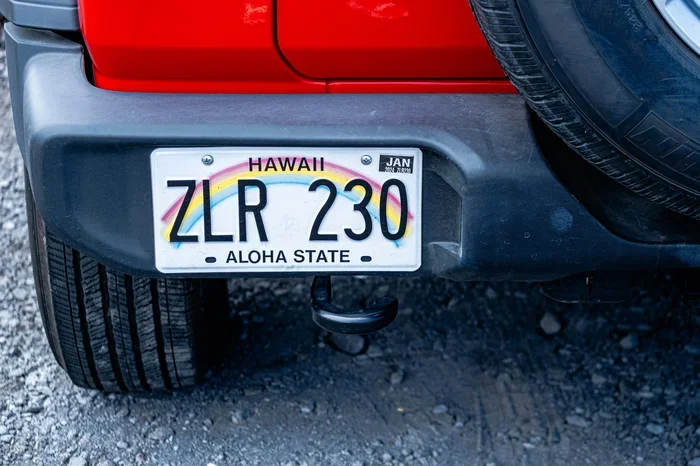
In the United States, license plate fonts vary by state. Each state’s Department of Motor Vehicles (DMV) sets its own design standards. Some states use a standard stamped font, while others have adopted more modern designs. Here are a few examples:
- California: Uses a standard serial font with specific character dimensions that vary by plate type.
- New York: Has its own proprietary font with strict size and spacing requirements.
- Texas: Uses a simple sans-serif font that is easy to read at a distance.
The common thread across all US states is that the font must be easily readable. States regularly update their number plate design standards to combat fraud and improve recognition rates.
Popular Car Number Plate Font Styles
While legal requirements limit what you can use on a standard plate, there is still a range of number plate font styles to choose from. Let us explore the most popular options.
Standard Charles Wright Font
This is the go-to car number plate font in the UK. It is clean, simple, and highly readable. The Charles Wright font has a slightly rounded look with uniform stroke widths. It was designed to be easily scanned by cameras and read by humans in all lighting conditions.
Most vehicle owners will stick with this font. It is the safest and most straightforward choice. There is no reason to deviate from it unless you are going for a specific custom look on a show car or classic vehicle.
3D and 4D Number Plate Fonts
You have probably seen those plates with raised, shiny characters that seem to pop off the surface. These are known as 3D number plate fonts or 4D number plate fonts. They use acrylic or gel resin characters that sit above the plate surface.
- 3D Fonts: Characters are raised slightly and have a uniform depth. They use the standard Charles Wright shape but add a dimensional effect.
- 4D Fonts: These use thicker, laser-cut acrylic characters that stand even higher off the plate. They give a bold, premium look.
Both styles are legal in the UK as long as they use the approved Charles Wright character shape. The key rule is that the font itself cannot be altered. You can add depth and shine, but you cannot change the character design.
Front Plate Fonts
In many countries, including the UK, the front number plate uses a different background colour than the rear. The front plate is typically white, and the rear is yellow. The font colour and style must match the background. On white front plates, characters are black. On yellow rear plates, characters are also black.
Some people wonder if the front and rear plates should use different fonts. The answer is no. The same number plate lettering rules apply to both plates. The Charles Wright font is used consistently across both the front and rear.
Classic and Vintage Plate Fonts
If you own a classic car, you might be interested in vintage number plate fonts. These are plates that mimic the older style of UK registration, often seen on cars from the 1960s and 1970s. The classic font has a more traditional, slightly serif look compared to the modern Charles Wright design.
However, there are strict rules around classic plates. You can only use them if your vehicle is eligible for the specific registration style. And even then, the font must still meet modern readability standards. You cannot simply slap any old font on a classic car and call it road legal.
Custom Number Plate Fonts: What You Need to Know
The desire for custom number plate fonts is completely understandable. Everyone wants their car to look unique. But the world of custom plates comes with a big warning sign. Not all custom fonts are legal.
What Makes a Font Illegal?
A number plate font becomes illegal when it deviates from the approved standard in any of the following ways:
- Altered Character Shapes: If the letters or numbers look different from the standard Charles Wright design, the plate is non-compliant.
- Incorrect Spacing: Too much or too little space between characters is a common violation.
- Wrong Font Size: Characters that are too small or too large will fail inspection.
- Non-Reflective Materials: Plates must use reflective materials that meet British Standard requirements.
- Stylised Effects: Adding italics, bold effects, or decorative borders to the font is not permitted.
The Risks of Using Illegal Fonts
Using an unapproved car number plate font can lead to serious consequences. Here is what could happen:
- MOT Failure: Your vehicle will fail its MOT test if the plates do not meet standards.
- Fixed Penalty Notice: You could receive a fine of up to £1,000 for non-compliant plates.
- Insurance Issues: If your plates are illegal, your insurance may not cover you in the event of an accident.
- Vehicle Impoundment: In extreme cases, authorities can seize your vehicle.
The bottom line is clear. Do not risk it with custom fonts that do not meet regulations. Stick with approved suppliers who understand the rules inside and out.
How to Choose the Right Number Plate Font
Choosing the right number plate font does not have to be complicated. If you follow a few simple guidelines, you can ensure your plates are both legal and stylish.
Step 1: Check Your Local Regulations
Before you order any plates, familiarise yourself with the number plate regulations in your area. In the UK, the rules are clearly laid out in the British Standard BS AU 145e. In the US, check with your state’s DMV website. Knowing the rules upfront saves you time and money.
Step 2: Choose a Compliant Font Style
Once you know the rules, pick a font style that complies. In the UK, this means using the Charles Wright font or a variation that keeps the same character shape. In the US, check your state’s approved font list.
Step 3: Pick the Right Material
Number plate material plays a big role in how the font looks and performs. Here are the most common options:
- Standard Reflective Plates: The most common and affordable option. The font is printed on reflective vinyl.
- 3D Gel Plates: Characters are raised with a gel layer for a premium look.
- 4D Acrylic Plates: Laser-cut acrylic characters provide a bold, modern appearance.
- Metal Plates: Durable and long-lasting, often used for classic or show cars.
No matter which material you choose, make sure it meets the plate font compliance standards in your region.
Step 4: Work with a Reputable Supplier
This is perhaps the most important step. A good number plate supplier will know all the regulations and ensure your plates are compliant. Look for suppliers who are registered with the relevant authorities and offer warranties on their products.
Common Mistakes People Make with Number Plate Fonts
Even well-meaning car owners can make mistakes when it comes to car number plate fonts. Here are the most common errors to avoid.
Using Decorative or Stylised Fonts
This is the number one mistake. People love the look of italic, bold, or decorative fonts. But these are almost always illegal on road-use plates. The approved fonts are designed for maximum readability, and any alteration undermines that purpose.
Ignoring Spacing Rules
Character spacing might seem like a minor detail. But it is one of the first things inspectors check. Too much spacing or too little spacing can cause your plates to fail. Always ensure the spacing matches the legal requirement exactly.
Choosing Non-Reflective Materials
Non-reflective plates are a safety hazard and a legal violation. The reflective surface ensures that plates are visible at night and in poor weather conditions. Never use plain white or yellow plates without reflective properties.
Buying from Unlicensed Suppliers
Cheap, unlicensed plates might look fine at first glance. But they often fail to meet the required standards for font shape, size, and reflectivity. Always buy from a registered supplier who can provide proof of compliance.
Expert Tips for Maintaining Compliant Number Plate Fonts
Keeping your car number plate fonts in top condition is easier than you might think. Here are some expert tips to help you stay compliant and looking great.
Keep Plates Clean
Dirt, grime, and road spray can make your plate characters hard to read. Clean your plates regularly with a mild detergent and a soft cloth. Avoid abrasive cleaners that could scratch the reflective surface or damage the font.
Check for Damage Regularly
Over time, plates can become scratched, faded, or cracked. Damaged characters can make your plates non-compliant. Inspect your plates regularly and replace them if you notice any significant wear.
Avoid Stickers and Covers
While a small national flag or identifier is allowed, covering any part of the plate with stickers, frames, or covers can obscure the characters. This is a common reason for plate failures. Keep your plates clean and unobstructed.
Replace Plates When in Doubt
If you are ever unsure about the condition of your plates, it is better to replace them than to risk a fine or MOT failure. Quality plates from a reputable supplier will last for years and keep you on the right side of the law.
Quick Tips for Car Number Plate Fonts
- Always use the Charles Wright font for UK plates — it is the only legally accepted typeface.
- Check your state’s DMV website for approved license plate fonts if you are in the US.
- Never use italic, bold, or decorative styles on road-legal plates.
- Ensure character spacing is exactly 11mm in the UK.
- Choose 3D or 4D plates for a premium look while staying compliant.
- Buy plates only from registered, licensed suppliers.
- Clean your plates regularly to maintain readability and reflectivity.
Comparison Table: UK vs US Number Plate Font Standards
| Feature | United Kingdom | United States |
|---|---|---|
| Standard Font | Charles Wright (mandatory) | Varies by state |
| Character Height | 79mm | Varies by state |
| Front Plate Colour | White | Varies by state |
| Rear Plate Colour | Yellow | Varies by state |
| Font Spacing | 11mm between characters | Varies by state |
| Reflective Material | Required (BS AU 145e) | Required in most states |
| Custom Fonts Allowed | No (must use Charles Wright) | Varies by state |
As you can see from the table, the UK has some of the strictest and most standardised number plate font rules in the world. The US system gives more flexibility to individual states, which means the standards can vary quite a bit depending on where you live.
The Future of Car Number Plate Fonts
The world of car number plate fonts is evolving. With advances in camera technology and automated recognition systems, the demand for highly readable, standardised fonts is greater than ever. Here are some trends to watch.
Digital Recognition Technology
Modern number plate recognition (NPR) cameras are becoming more sophisticated. These systems can read plates at greater distances and in more challenging conditions than ever before. As a result, the fonts used on plates must be designed to work seamlessly with these advanced systems.
Smart Plates
Some countries are experimenting with digital or smart plates that can display changing information electronically. While these are not yet widespread, they represent a potential future where number plate fonts are entirely digital and can be updated in real time.
Eco-Friendly Plate Materials
Sustainability is becoming a bigger priority across the automotive industry. New plate materials that are more recyclable and environmentally friendly are being developed. These materials will need to support the same high-quality font rendering that current plates do.
Conclusion
Car number plate fonts might seem like a small detail, but they play a huge role in road safety, legal compliance, and vehicle identification. From the standard Charles Wright font in the UK to the varied license plate fonts across the United States, every character on your plate is governed by specific rules and standards.
The most important thing to remember is this: always use approved, compliant number plate fonts on your vehicle. Stick with reputable suppliers, follow the regulations, and keep your plates clean and well-maintained. Doing so will save you from fines, MOT failures, and insurance headaches. It will also keep you and other road users safe.
Whether you are a car enthusiast who loves the look of 3D number plate fonts or simply someone who wants their daily driver to pass inspection with flying colours, understanding car number plate fonts gives you the knowledge to make the right choices. Take what you have learned from this guide, apply it to your plates, and drive with confidence knowing your vehicle is fully compliant.
Frequently Asked Questions
What is the standard font used on UK car number plates?
The standard car number plate font used in the UK is the Charles Wright font. It has been mandatory since 2001 and must meet the specifications outlined in British Standard BS AU 145e. Any deviation from this font design will result in a failed MOT or penalty.
Can I use a custom font on my number plates?
No, using a custom or decorative font on road-legal number plates is not permitted in the UK. The law requires the use of the approved Charles Wright typeface. Custom fonts that alter character shapes, spacing, or sizing are considered illegal and can lead to fines and MOT failure.
Are 3D and 4D number plate fonts legal?
Yes, 3D and 4D number plate fonts are legal in the UK as long as they use the standard Charles Wright character shape. The characters can be raised or have a dimensional effect, but the actual font design must remain unchanged. Always ensure your plates are supplied by a registered number plate provider.
What happens if my number plate font does not meet regulations?
If your number plate font does not meet regulations, you could face an MOT failure, a fixed penalty notice of up to £1,000, or even vehicle impoundment. Insurance companies may also refuse to cover you if your plates are found to be non-compliant. It is simply not worth the risk.
Do US states have different license plate font requirements?
Yes, each US state sets its own license plate font standards through its Department of Motor Vehicles. While some states use similar sans-serif designs, the specific character dimensions, spacing, and styling can vary significantly from one state to another. Always check with your local DMV before ordering replacement plates.
How can I ensure my number plates stay compliant?
To keep your car number plate fonts compliant, always buy plates from a registered supplier, clean them regularly, inspect for damage, and avoid adding stickers or covers that obscure characters. Following these simple steps will help your plates pass every inspection and keep you on the right side of the law.