Car Full Form in Aviation What Is the Full Form of CAR
The car full form in aviation is “Civil Aviation Regulation,” a set of rules that governs aircraft operations, safety, and compliance worldwide. CAR plays a vital role in ensuring every flight meets strict aviation safety standards and regulatory frameworks. Whether you are a pilot, engineer, or aviation enthusiast, understanding CAR meaning in aviation is essential for navigating this complex industry.
If you have ever wondered about the car full form in aviation, you are not alone. Many people hear the term “CAR” in aviation discussions and assume it relates to vehicles on the road. But in the world of flight and aircraft, CAR stands for something entirely different. It is a critical part of how the aviation industry keeps everyone safe in the sky.
The car full form in aviation is Civil Aviation Regulation. This term refers to a comprehensive set of rules and guidelines that govern how aircraft are designed, operated, and maintained. These regulations exist in almost every country and are enforced by national aviation authorities. Without CAR, the skies would be chaotic, and air travel would be far less safe.
In this article, we will break down everything you need to know about the CAR full form in aviation. We will explore its history, what it covers, how different countries implement it, and why it matters to anyone involved in aviation. Whether you are a student, a pilot, an engineer, or just someone curious about how flying works, this guide has you covered.
Key Takeaways
- CAR stands for Civil Aviation Regulation: It is the backbone of aviation rules and safety standards across the globe.
- CAR covers multiple areas: From aircraft certification to pilot licensing and maintenance protocols.
- Different countries have their own CAR versions: India uses DGCA CAR, while EASA and FAA have their own regulatory equivalents.
- CAR ensures aviation compliance: Every airline, airport, and aviation professional must follow CAR guidelines.
- Understanding CAR helps aspiring aviation professionals: It builds a strong foundation for a career in flight operations and aircraft engineering.
- CAR is updated regularly: Aviation authorities revise CAR documents to keep up with new technology and safety findings.
- CAR meaning in aviation goes beyond just rules: It represents a commitment to passenger safety and operational excellence.
📑 Table of Contents
What Is the Car Full Form in Aviation?
The car full form in aviation is Civil Aviation Regulation. This is a broad term that encompasses all the rules and standards set by a country’s aviation authority. These regulations cover everything from how aircraft are built to how pilots are trained and how airlines operate daily flights.
In simpler terms, CAR is the rulebook for aviation. Just like traffic laws keep drivers safe on roads, Civil Aviation Regulation keeps passengers, crew, and aircraft safe in the air. Every country has its own version of CAR, but they all share the same goal: aviation safety.
Let us look at what CAR actually involves. The scope of Civil Aviation Regulation is vast. It includes rules about:
- Aircraft design and certification: Before any plane can fly, it must meet strict CAR standards for safety and performance.
- Pilot licensing and training: CAR sets the requirements for how pilots earn their licenses and maintain their skills.
- Aircraft maintenance: Regular checks and repairs must follow CAR guidelines to keep planes airworthy.
- Flight operations: How airlines plan routes, manage crews, and handle emergencies is all covered by CAR.
- Airports and air traffic control: CAR also governs how airports operate and how air traffic controllers manage flights.
- Passenger safety: Everything from seatbelt rules to emergency procedures falls under CAR regulations.
Why Is CAR Important in Aviation?
The importance of Civil Aviation Regulation cannot be overstated. Before CAR existed, aviation was much more dangerous. Early pilots had very few rules to follow, and accidents were common. The introduction of CAR changed everything. It created a structured system where safety came first.
Today, CAR meaning in aviation represents trust. When you board a plane, you trust that the aircraft has been built and maintained according to aviation safety standards. You trust that the pilot has been properly licensed and trained under CAR guidelines. And you trust that the airline follows all flight regulations to get you to your destination safely.
CAR also helps countries work together. Aviation is a global industry, and planes cross borders every day. International Civil Aviation Organization (ICAO) sets baseline standards, and individual countries build their own Civil Aviation Regulation on top of those baselines. This creates a consistent global framework for aviation compliance.
How CAR Works in Different Countries
The car full form in aviation stays the same, but how each country applies it can differ. Let us look at how major aviation authorities use Civil Aviation Regulation in their regions.
CAR in India: DGCA and Civil Aviation Requirements
In India, the Directorate General of Civil Aviation (DGCA) is the main authority that enforces CAR. In India, CAR is often referred to as Civil Aviation Requirements. The DGCA publishes detailed CAR documents that cover every aspect of aviation operations in the country.
Indian CAR documents are organized into different parts. For example:
- CAR Part 1: General provisions and definitions for aviation operations.
- CAR Part 2: Rules for aircraft certification and airworthiness.
- CAR Part 3: Pilot licensing requirements and training standards.
- CAR Part 4: Airworthiness directives and maintenance procedures.
- CAR Part 5: Flight operations and airline management rules.
Indian CAR documents are regularly updated to align with ICAO standards and address new challenges in the aviation sector. If you are planning a career in Indian aviation, understanding DGCA CAR is essential.
CAR in Europe: EASA Regulations
In Europe, the European Union Aviation Safety Agency (EASA) oversees aviation safety. While EASA does not use the exact term “CAR,” its regulations serve the same purpose. EASA issues Continuing Airworthiness Regulation, which is another important interpretation of CAR in the European context.
EASA rules cover aircraft design, production, and ongoing maintenance. The Continuing Airworthiness Regulation ensures that planes remain safe throughout their entire operational life. This is a key part of the aviation regulatory framework in Europe and is recognized worldwide.
CAR in the United States: FAA Guidelines
In the United States, the Federal Aviation Administration (FAA) is the primary aviation authority. The FAA uses a system of Federal Aviation Regulations (FARs) that function similarly to Civil Aviation Regulation in other countries. While the term “CAR” is not as commonly used in the U.S., the concept is the same.
FAA regulations cover pilot certification, aircraft maintenance, air traffic control, and airline operations. Pilots and aviation professionals in the U.S. must follow these aviation rules and regulations to ensure safe and legal flight operations.
Key Areas Covered by Civil Aviation Regulation
The scope of CAR is broad, and it touches almost every part of the aviation industry. Let us dive deeper into the key areas that Civil Aviation Regulation covers.
Aircraft Certification and Airworthiness
Before an aircraft can carry passengers, it must be certified as airworthy. This process is governed by CAR rules. Aircraft manufacturers must submit their designs for review, and aviation authorities conduct rigorous testing to ensure the plane meets all aviation safety standards.
Once an aircraft is certified, it must undergo regular inspections. Airworthiness directives are issued when issues are found, and airlines must address them immediately. This is all part of the CAR framework for maintaining aircraft certification throughout the plane’s life.
Pilot Licensing and Training
One of the most important aspects of Civil Aviation Regulation is pilot licensing. CAR sets the minimum requirements for how many flight hours a pilot must complete, what medical standards they must meet, and what exams they must pass.
There are different types of pilot licenses under CAR:
- Student Pilot License (SPL): Allows basic flight training under supervision.
- Private Pilot License (PPL): Allows flying for personal purposes.
- Commercial Pilot License (CPL): Allows flying for hire or compensation.
- Airline Transport Pilot License (ATPL): The highest level, required for captains of commercial airlines.
Each license type has specific CAR requirements that pilots must fulfill. Aviation compliance in pilot training ensures that every pilot flying a plane is qualified and competent.
Aircraft Maintenance and Engineering
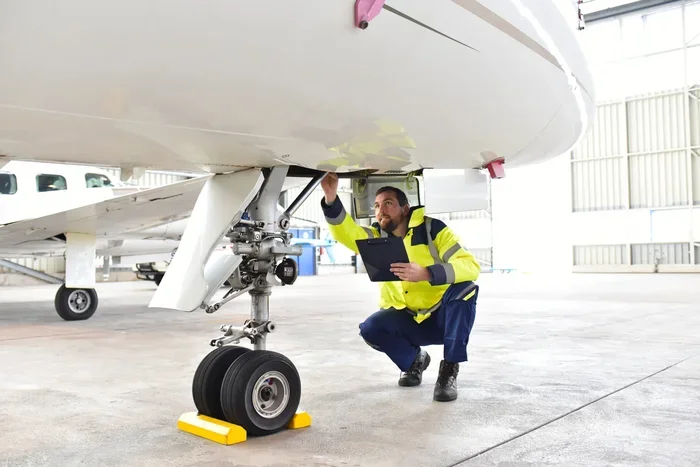
Planes need constant maintenance to stay safe. CAR dictates how often aircraft must be inspected, what maintenance tasks are required, and who is qualified to perform them. Aircraft maintenance is a highly regulated field, and CAR provides the guidelines that maintenance teams follow.
Maintenance schedules are based on flight hours, calendar time, or the number of takeoffs and landings. Airlines must keep detailed records of all maintenance work, and these records are subject to review by aviation authorities. This ensures that flight operations are always backed by proper maintenance practices.
Air Traffic Control and Flight Operations
CAR also governs how air traffic controllers manage flights. Rules about separation between aircraft, communication protocols, and emergency procedures are all part of flight regulations under CAR.
Flight operations teams at airlines must follow CAR guidelines for planning routes, managing fuel, handling weather deviations, and responding to emergencies. This ensures that every flight operates smoothly and safely from takeoff to landing.
The History and Evolution of CAR in Aviation
The concept of Civil Aviation Regulation has evolved significantly over the decades. In the early days of aviation, there were very few rules. Pilots flew with minimal training, and aircraft were built with limited safety features. As aviation grew, so did the need for structured rules.
The first major steps toward modern CAR came after World War II. Governments around the world recognized the need for a unified approach to aviation safety. The Chicago Convention of 1944 established the International Civil Aviation Organization (ICAO), which set the foundation for global aviation standards.
Since then, CAR has continued to evolve. New technologies like jet engines, fly-by-wire systems, and GPS navigation have required updates to aviation safety standards. Today, CAR documents are living documents that are revised regularly to address new challenges and incorporate the latest advancements in aviation technology.
How CAR Adapts to Modern Aviation
Modern aviation faces new challenges every year. Drones, electric aircraft, and supersonic travel are all changing the industry. CAR must adapt to address these innovations while maintaining safety.
Aviation authorities now work closely with manufacturers, airlines, and international organizations to update CAR guidelines. The goal is always the same: to ensure that aviation compliance keeps pace with technological change. This dynamic nature of Civil Aviation Regulation is what makes it such a vital part of the industry.
Common Misconceptions About CAR in Aviation
There are several misconceptions about the car full form in aviation. Let us clear up some of the most common ones.
Misconception 1: CAR Only Applies to Pilots
While pilot licensing is a major part of CAR, the regulation covers far more than just pilots. Aircraft manufacturers, airline operators, maintenance crews, air traffic controllers, and even airport staff must follow Civil Aviation Regulation guidelines.
Misconception 2: CAR Is the Same Everywhere
Although the core principles of CAR are similar worldwide, each country has its own version. India’s DGCA CAR documents differ from EASA regulations or FAA guidelines. However, they all align with ICAO standards to ensure global consistency.
Misconception 3: CAR Is Only About Safety
Safety is the primary focus of CAR, but it also covers environmental regulations, economic rules, and consumer protection. CAR ensures that airlines provide fair service, protect passenger data, and minimize their environmental impact.
How to Use CAR Knowledge in Your Aviation Career
If you are considering a career in aviation, understanding CAR is a great starting point. Whether you want to become a pilot, an aircraft engineer, an air traffic controller, or an aviation manager, knowledge of Civil Aviation Regulation will serve you well.
Here are some practical tips for building your CAR expertise:
- Read the official CAR documents from your country’s aviation authority. In India, these are available on the DGCA website.
- Take aviation courses that cover flight regulations and aviation compliance in detail.
- Stay updated on changes to CAR documents, as aviation authorities publish revisions regularly.
- Practice with mock tests if you are preparing for aviation license exams that include CAR questions.
- Join aviation forums and communities where professionals discuss Civil Aviation Regulation topics.
Building a strong foundation in CAR will give you a competitive edge in the aviation industry. It shows that you understand the rules that keep aviation safe and efficient.
Key Takeaways
- CAR stands for Civil Aviation Regulation: It is the set of rules governing aviation safety, operations, and compliance worldwide.
- CAR covers a wide range of areas: From aircraft design to pilot licensing, maintenance, and flight operations.
- Different countries implement CAR differently: India uses DGCA CAR, Europe follows EASA regulations, and the U.S. follows FAA guidelines.
- CAR ensures aviation safety: Every aspect of flight operations is governed by Civil Aviation Regulation to protect passengers and crew.
- CAR evolves with technology: Aviation authorities regularly update CAR documents to address new aircraft types and innovations.
- Understanding CAR is valuable for careers: Whether you are a pilot, engineer, or aviation manager, CAR knowledge is essential.
- CAR promotes global consistency: By aligning with ICAO standards, CAR ensures safe and coordinated aviation across borders.
Conclusion
The car full form in aviation is Civil Aviation Regulation, and it is one of the most important concepts in the entire aviation industry. From ensuring aircraft certification to guiding pilot licensing and aircraft maintenance, CAR touches every aspect of how aviation operates. Without it, the skies would not be as safe as they are today.
Understanding CAR meaning in aviation gives you a deeper appreciation for the complex systems that make air travel possible. Whether you are a student exploring aviation as a career, a professional looking to deepen your knowledge, or simply someone who loves to fly, knowing about Civil Aviation Regulation adds valuable context to your understanding of the industry.
The world of aviation is constantly evolving, and CAR evolves with it. New technologies, new aircraft, and new challenges all require updates to aviation safety standards and regulatory frameworks. But the core mission of CAR remains the same: to keep every flight safe, efficient, and compliant with the highest standards.
So the next time you hear someone mention CAR in an aviation context, you will know exactly what they mean. And if you are thinking about a career in this exciting field, start by diving into Civil Aviation Regulation. It is the foundation upon which a successful aviation career is built.
Frequently Asked Questions
What is the full form of CAR in aviation?
The car full form in aviation is Civil Aviation Regulation. It refers to the set of rules and guidelines that govern aircraft operations, safety, and compliance in a given country or region.
Who enforces CAR in India?
In India, the Directorate General of Civil Aviation (DGCA) is the authority that enforces Civil Aviation Regulation. The DGCA publishes detailed CAR documents that cover all aspects of aviation operations in the country.
Is CAR the same in every country?
While the core concept of Civil Aviation Regulation is the same globally, each country has its own version. For example, India follows DGCA CAR, Europe follows EASA regulations, and the United States follows FAA guidelines. All of them align with ICAO standards.
What areas does CAR cover in aviation?
CAR covers a wide range of areas including aircraft certification, pilot licensing, aircraft maintenance, flight operations, air traffic control, airport management, and passenger safety. It is a comprehensive regulatory framework for the entire aviation industry.
Can CAR be updated or revised?
Yes, Civil Aviation Regulation documents are living documents that are updated regularly. Aviation authorities revise CAR to address new technologies, safety findings, and industry changes. Staying current with CAR updates is essential for aviation professionals.
Why is CAR important for aspiring aviation professionals?
Understanding CAR is crucial for anyone pursuing a career in aviation. It provides the foundational knowledge needed for pilot exams, aircraft engineering roles, air traffic control positions, and aviation management careers. CAR knowledge demonstrates competence and commitment to aviation safety.